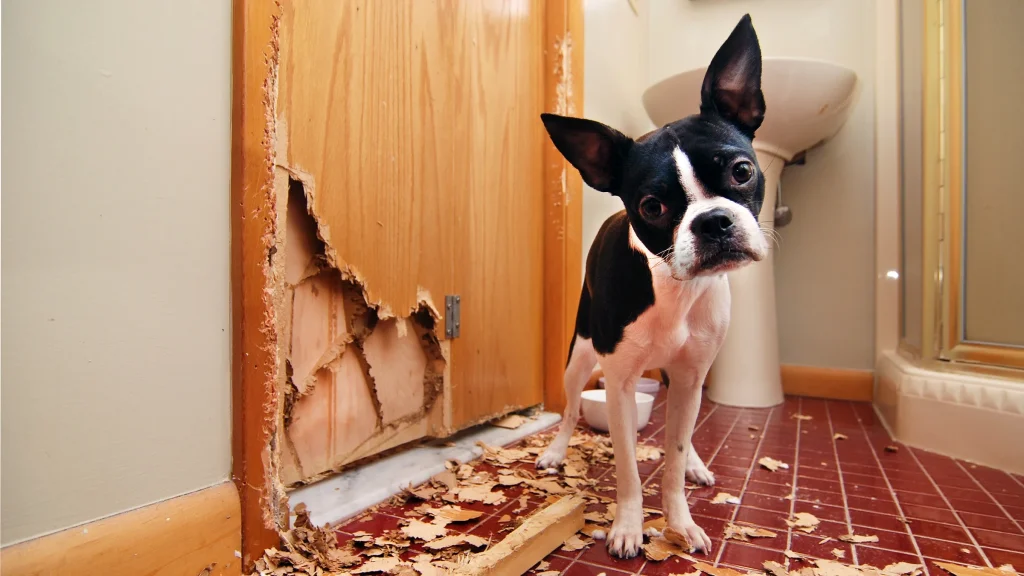
Do you notice your dog pacing, whining, or hiding more than usual? These signs might mean your furry friend is feeling anxious.
Understanding anxious dog behavior is crucial for helping your pet feel calm and safe. You’ll discover what causes anxiety in dogs, how to spot the warning signs, and simple steps you can take to ease your dog’s stress. Keep reading to learn how to make your dog’s life happier and more relaxed—because a calm dog means a happy home for you both.
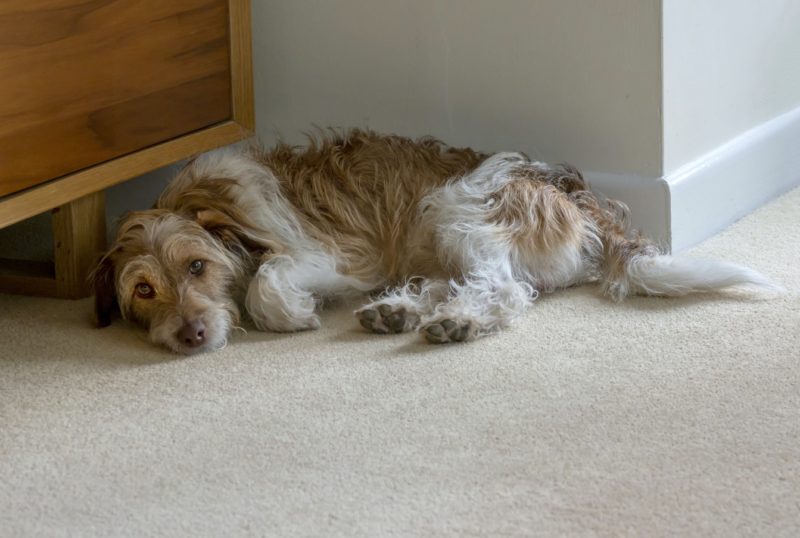
Credit: www.ferndalekennels.com
Signs Of Anxiety In Dogs
Dogs can feel anxious just like people. It is important to recognize when your dog is stressed.
Knowing the signs helps you support your dog better and keep them calm.
Physical Symptoms
Anxious dogs often show physical signs. These signs help you spot stress early.
Some common physical symptoms include shaking, panting, and pacing.
- Shaking or trembling
- Excessive panting
- Restless pacing
- Drooling more than usual
- Yawning repeatedly
- Diarrhea or upset stomach
- Rapid heartbeat
Behavioral Changes
Anxiety can change how a dog acts. Watch for new or unusual behaviors.
These changes may show when your dog feels scared or nervous.
- Hiding or avoiding people
- Excessive barking or whining
- Destructive chewing or digging
- Loss of appetite
- Clinginess or needing extra attention
- Difficulty sleeping
- Aggression or growling
Triggers To Watch For
Some things cause anxiety in dogs. Knowing these triggers helps prevent stress.
Common triggers include loud noises, new places, or being left alone.
- Loud noises like fireworks or thunder
- Separation from owners
- Strangers or unfamiliar people
- Changes in routine or environment
- Travel or car rides
- Other animals nearby
Common Causes Of Canine Anxiety
Dogs can feel anxious for many reasons. Understanding what causes this helps us support them better.
Anxiety in dogs shows through behaviors like pacing, barking, or hiding. Identifying triggers is key.
Separation Anxiety
Separation anxiety happens when dogs feel stressed being alone. They may bark or chew furniture.
- Owner leaves the house
- Dog is left in a new room or area
- Changes in daily routine
Loud Noises And Storms
Many dogs fear loud sounds like thunder or fireworks. These noises can cause shaking or hiding.
| Type of Noise | Common Reactions |
| Thunder | Shaking, barking, hiding |
| Fireworks | Whining, pacing, trying to escape |
| Construction | Restlessness, barking, nervousness |
New Environments
New places can make dogs feel unsure and nervous. They may not know where to go or what to do.
Signs of anxiety in new environments include:
- Whining or barking
- Clinging to owners
- Refusing to eat or drink
- Excessive sniffing or pacing
Past Trauma
Dogs with bad past experiences may feel anxious in certain situations. Trauma can affect trust and safety feelings.
- Abuse or neglect
- Abandonment
- Previous accidents or injuries
- Harsh training methods
Creating A Calm Environment
An anxious dog needs a peaceful place to feel safe. Creating a calm environment helps reduce stress. It allows your dog to relax and feel secure.
Simple changes at home can make a big difference. Focus on safe spaces, soothing sounds, and comfort items to support your dog’s calm.
Safe Spaces
Dogs feel better when they have a quiet, cozy spot. This space should be away from loud noises and busy areas. Use a crate or a soft bed in a corner.
- Choose a low-traffic room for your dog’s space
- Place a soft blanket or bed inside
- Keep the area clean and free of clutter
- Allow your dog to enter and leave freely
Soothing Sounds
Sounds can calm an anxious dog. Gentle music or white noise blocks out sudden noises. This helps your dog stay relaxed for longer.
| Sound Type | Effect on Dogs |
| Soft classical music | Reduces heart rate and stress |
| White noise machine | Masks sudden noises like thunder |
| Nature sounds (rain, ocean) | Creates a peaceful atmosphere |
Comfort Items
Comfort items help dogs feel safe and loved. These include favorite toys and blankets. Familiar smells can also calm your dog.
Try these comfort items for your anxious dog:
- A soft blanket with your scent
- A favorite chew toy
- A stuffed animal for cuddling
- A calming vest or wrap
Training Techniques To Reduce Stress
An anxious dog can show signs like shaking, barking, or hiding. Training helps lower your dog’s stress and makes them feel safe.
Using calm and clear training methods can improve your dog’s behavior and mood. Let’s look at some easy techniques to try.
Positive Reinforcement
Positive reinforcement means giving your dog a reward when they do something good. This helps your dog learn what is safe and okay.
Use treats, praise, or toys to reward calm and relaxed behavior. This makes your dog want to repeat those actions.
- Give a treat when your dog stays calm
- Use a happy voice to praise good behavior
- Offer a favorite toy for relaxed moments
Desensitization Methods
Desensitization means slowly showing your dog things that cause fear. Start with small, easy steps so your dog feels safe.
Gradually increase how much your dog sees or hears the scary thing. Always pair it with treats or play to build positive feelings.
- Begin with low-level exposure to the fear trigger
- Reward calm behavior during exposure
- Slowly increase exposure over time
- Stop if your dog shows high stress
Routine And Consistency
A clear daily routine helps anxious dogs feel safe. Dogs like to know what to expect each day.
Keep feeding, walking, and training times the same every day. Consistency lowers stress and builds trust.
- Feed your dog at the same times daily
- Walk your dog on a regular schedule
- Use the same commands and cues during training
- Keep calm energy around your dog
Using Tools And Products
Dogs can feel anxious for many reasons. Using the right tools and products can help them relax. This guide explores some options to ease anxious dog behavior.
Calming collars, wraps, aromatherapy, and supplements are popular choices. Each has unique benefits for soothing your pet.
Calming Collars And Wraps
Calming collars release scents that help reduce anxiety. Wraps apply gentle pressure to comfort dogs.
These products can be especially useful during stressful events, like thunderstorms or fireworks.
- Collars often use pheromones to calm dogs.
- Wraps are adjustable for different sizes.
- Both are easy to use and non-invasive.
Aromatherapy Options
Aromatherapy uses essential oils to relax dogs. The scents can have a calming effect on their mood.
Lavender and chamomile are common choices. They can be used in diffusers or sprays.
- Essential oils should be diluted for safety.
- Not all oils are safe for dogs.
- Consult a vet for best practices.
Dietary Supplements
Supplements can support a calm mind in dogs. They are often made with natural ingredients.
These can include vitamins, herbs, and amino acids. They are easy to mix with food.
| Ingredient | Benefit |
| Valerian root | Reduces stress |
| L-theanine | Improves relaxation |
| Chamomile | Soothes nerves |
When To Seek Professional Help
Dogs can show anxious behavior for many reasons. Some signs may seem small at first.
If your dog’s anxiety gets worse or lasts long, it is time to get help. Professionals can guide you.
Veterinary Advice
A vet can check if health issues cause anxiety. Some illnesses or pain may make dogs nervous.
Veterinarians can also suggest tests or treatments. Early checks help find physical causes fast.
Behavioral Therapists
Behavioral therapists study how dogs act and feel. They teach owners ways to help calm dogs.
Therapists use training and exercises to reduce fear and stress. They work with you and your dog.
- Identify triggers causing anxiety
- Develop a calm and safe routine
- Use positive reinforcement techniques
- Help build your dog’s confidence
Medication Options
Sometimes, medicine helps dogs with strong anxiety. A vet can prescribe safe drugs to ease stress.
Medication works best with training and care. It should only be used under a vet’s guidance.
- Reduces nervousness and panic
- Supports behavior therapy
- Helps dogs relax in tough situations
- Requires careful monitoring
Daily Habits To Support Calmness
Helping your anxious dog stay calm can be part of daily life. Simple habits make a big difference in their behavior.
Consistency and care in daily routines can lead to a happier and more relaxed pet. Let’s explore some helpful practices.
Regular Exercise
Exercise is key for reducing anxiety in dogs. Physical activity helps burn off energy and stress.
- Take daily walks around the neighborhood
- Play fetch at the park
- Engage in agility training
Mental Stimulation
Mental activities keep a dog’s mind sharp and focused. This can help lessen anxiety by providing a sense of purpose.
Try puzzle toys that dispense treats. This challenges your dog’s brain while rewarding them.
Socialization Practices
Socialization helps dogs feel comfortable with others. This practice is vital for reducing anxious behavior.
| Activity | Benefit |
| Dog park visits | Meet and play with other dogs |
| Group training classes | Learn with peers |
| Playdates | Builds confidence |

Credit: www.dogsavvylosangeles.com

Credit: fluentdogs.com
Frequently Asked Questions
What Causes Anxious Dog Behavior?
Anxious dog behavior often stems from fear, stress, or past trauma. Changes in environment or routine can also trigger anxiety. Genetics and lack of socialization may contribute. Identifying the cause helps in managing and reducing anxiety effectively.
How Can I Calm My Anxious Dog?
Calm your anxious dog by providing a safe, quiet space. Use gentle petting and soothing tones. Regular exercise and mental stimulation reduce stress. Consider calming aids like anxiety wraps or pheromone diffusers. Consult a vet for severe anxiety cases.
What Are Common Signs Of Dog Anxiety?
Common signs include excessive barking, pacing, shaking, and destructive chewing. Dogs may also pant heavily or show aggression. Avoidance of people or places and loss of appetite are indicators. Recognizing these signs early helps in timely intervention.
Can Training Reduce Anxious Behavior In Dogs?
Yes, training can reduce anxious behavior by building confidence. Positive reinforcement and gradual exposure to anxiety triggers work well. Consistent routines and obedience training provide structure. Professional trainers can tailor programs for anxious dogs to improve behavior.
Conclusion
Understanding anxious dog behavior helps improve your pet’s life. Patience and gentle care reduce their stress and fear. Small changes in routine can make a big difference. Watch your dog closely for signs of anxiety. Offering comfort and safe spaces builds their confidence.
Training with kindness helps your dog feel secure. Remember, every dog is unique and needs love. Stay calm and consistent to support your furry friend. Caring for an anxious dog takes time but is worth it. Your effort strengthens the bond between you both.

Emily Barker is the founder of ChillDogLife.com, a space dedicated to helping pup parents discover the best dog products, lifestyle tips, and cozy ideas for happier homes.
A lifelong dog lover, Emily combines her passion for pets with a knack for research to share trusted recommendations on everything from toys and furniture to health and everyday care.
Her goal is simple: to make life easier, stylish, and more joyful for dogs and the people who love them.




