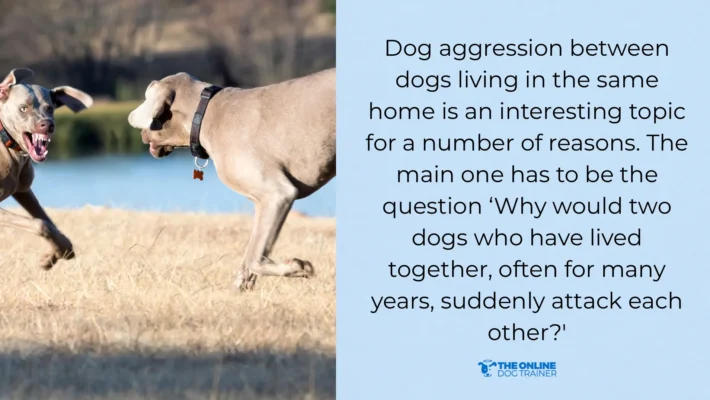
Is your dog showing signs of aggression, and you’re not sure how to handle it? You’re not alone, and the good news is that you can take control.
Aggressive behavior can be scary, but understanding why it happens and learning the right steps can make a huge difference. You’ll discover practical, easy-to-follow tips that will help you calm your dog and create a safer, happier home for both of you.
Keep reading—your dog’s transformation starts here.

Credit: www.dwdogtraining.com
Causes Of Aggressive Behavior
Aggressive behavior in dogs can be confusing and scary for owners. Understanding the causes helps manage and reduce aggression.
Many factors can lead a dog to act aggressively. These include genetics, environment, health, and emotions like fear.
Genetics And Breed Tendencies
Some dog breeds have stronger instincts for guarding or protecting. These traits may increase the chance of aggressive behavior.
Genetics can play a role but do not decide a dog’s behavior alone. Training and socialization also affect how a dog acts.
Environmental Triggers
Things around a dog can cause stress or fear, leading to aggression. Loud noises, new people, or changes in routine can be triggers.
- Strange animals or people entering their space
- Sudden loud sounds like thunder or fireworks
- Being startled or cornered
- Changes in home or surroundings
Health Issues
Illness or pain can make dogs more irritable and aggressive. Problems like dental pain, arthritis, or infections are common causes.
| Health Issue | Possible Effect on Behavior |
| Arthritis | Discomfort leading to snapping or growling |
| Dental Pain | Aggression when touched near mouth |
| Ear Infections | Irritability and head shaking |
| Neurological Problems | Sudden changes in mood or aggression |
Fear And Anxiety
Fear is a strong cause of aggression. Dogs may act aggressive to protect themselves or escape a scary situation.
Common signs of fear include trembling, hiding, and growling. Anxiety can come from separation, loud noises, or past trauma.

Credit: theonlinedogtrainer.com
Signs Of Aggression In Dogs
Aggressive behavior in dogs can be dangerous. It is important to recognize the signs early. Knowing these signs helps you keep safe and calm your dog.
This guide explains common signs of aggression. We focus on body language, sounds, and facial expressions. Watch closely to understand your dog’s mood.
Body Language Cues
Dogs use their bodies to show how they feel. Aggressive dogs often give clear signals with their body language. Look for these signs to spot aggression early.
- Stiff or tense body
- Raised hackles (hair on the back of the neck)
- Tail held high and stiff or tucked tightly
- Direct, hard stare without blinking
- Quick, sudden movements or lunging
Vocalizations And Growling
Sounds can warn you about a dog’s mood. Aggressive dogs often use growls and other vocal signals. These sounds help you know when to be careful.
| Sound | Meaning |
| Growling | Warning or threat |
| Snarling | High anger, ready to attack |
| Barking (sharp or loud) | Alert or warning |
| Whining | Stress or discomfort |
| Silent stare | Focus before aggression |
Posture And Facial Expressions
The dog’s face and posture give strong clues about aggression. Watch their eyes, mouth, and ears closely. These signs help you predict aggressive actions.
- Raised or pulled-back ears
- Bared teeth showing
- Wrinkled nose
- Hard, focused eyes
- Closed mouth or tense lips
- Forward-leaning stance
Preventing Aggression Early
Stopping aggressive dog behavior starts early in life. Teaching good habits can keep your dog calm and friendly.
Early care helps dogs feel safe and understand how to behave around people and other animals.
Socialization Techniques
Socialization means helping your dog meet new people and dogs. This builds trust and reduces fear.
- Introduce your dog to different environments like parks and busy streets.
- Let your dog meet calm dogs and friendly people often.
- Use treats and praise to make meetings positive.
- Avoid scary or forced interactions that can cause fear.
Positive Reinforcement Training
Reward your dog for good behavior with treats or praise. This helps your dog learn what is right.
| Behavior | Reward |
| Calm sitting | Small treat |
| Ignoring distractions | Verbal praise |
| Coming when called | Playtime |
Setting Boundaries
Clear rules help your dog know what is allowed. This lowers confusion and bad behavior.
Use these tips to set boundaries:
- Decide where your dog can go in your home.
- Use commands like “no” and “leave it” firmly but kindly.
- Do not allow jumping or biting during play.
- Be consistent with rules every day.
Credit: theonlinedogtrainer.com
Behavior Modification Strategies
Changing aggressive behavior in dogs takes time and patience. You must use clear and calm methods. These strategies help your dog feel safe and learn better behavior.
This guide covers three main approaches. Each one helps reduce aggression in a different way. Use them together for best results.
Desensitization And Counter-conditioning
Desensitization means slowly exposing your dog to what triggers its aggression. Start with a low level that does not cause a reaction. Gradually increase the exposure over time.
Counter-conditioning changes how your dog feels about the trigger. You pair the trigger with something good, like treats or praise. This helps your dog feel calm and positive instead of angry.
- Identify the trigger that causes aggression.
- Start exposure at a very low intensity.
- Give treats or rewards when your dog stays calm.
- Slowly increase the intensity over weeks.
- Stop if your dog shows signs of stress.
Redirecting Aggressive Behavior
Redirecting means guiding your dog’s focus away from aggression. You teach your dog to do a different action instead of showing aggression. This helps your dog learn better habits.
| Trigger | Redirect Action |
| Stranger approaching | Look at owner and sit |
| Another dog nearby | Walk calmly on leash |
| Food guard | Leave food and come to owner |
| Loud noises | Go to a safe spot |
Use treats and praise when your dog follows the redirect action. This makes your dog want to repeat the good behavior.
Consistent Commands And Rewards
Consistency helps your dog know what you expect. Use the same commands every time. Reward your dog quickly after good behavior. This teaches your dog to listen and obey.
- Choose simple, clear commands.
- Use one command per behavior.
- Give a treat or praise right after the command.
- Practice commands daily in different places.
- Avoid confusing your dog with many commands.
Managing Aggression Safely
Dealing with an aggressive dog requires care and safety. Proper management helps protect both the dog and people around it.
Using tools and strategies can reduce risks and improve your dog’s behavior over time.
Using Muzzles And Leashes
Muzzles and leashes keep your dog under control during walks or visits to public places. They prevent biting and sudden attacks.
- Choose a comfortable muzzle that fits well
- Use a strong leash to keep close control
- Practice wearing the muzzle in safe settings
- Never leave an aggressive dog unsupervised while muzzled
Avoiding Triggers
Learn what causes your dog’s aggression. Avoid these triggers to keep everyone safe.
| Trigger | How to Avoid |
| Loud noises | Keep dog in quiet room during storms or fireworks |
| Strange people | Use barriers or keep dog away from new visitors |
| Other dogs | Walk dog in calm areas and avoid crowded parks |
| Food or toys | Feed dog separately and supervise playtime |
Supervised Interactions
Watch your dog closely during any social time. Never leave aggressive dogs alone with people or other pets.
- Keep sessions short and calm
- Use a leash even indoors if needed
- Interrupt signs of stress or aggression early
- Reward calm behavior with treats or praise
When To Seek Professional Help
Aggressive dog behavior can be scary. It is important to know when to seek professional help. If your dog shows signs of aggression often, it might be time to call an expert.
Professional help is crucial if your dog’s behavior puts people or other animals at risk. They can give you the right guidance and solutions.
Choosing A Certified Trainer
A certified trainer can help with aggressive behavior. They have special training to handle dogs with problems. It is important to choose a trainer who knows how to deal with aggression.
Ask the trainer about their methods. Make sure they use safe and positive techniques. This will ensure your dog learns good behaviors in a safe way.
- Check their certification and experience
- Ask for references from other clients
- Ensure they use positive reinforcement
Veterinary Behaviorists
Veterinary behaviorists are experts in animal behavior. They are veterinarians with special training in behavior issues. They can help if the aggression has a medical cause.
They can run tests to see if health problems cause the aggression. This can be important for dogs who suddenly become aggressive.
- Look for board-certified behaviorists
- They can prescribe medication if needed
- They work with trainers for better results
Therapeutic Options
Therapy can help manage aggressive behavior in dogs. There are different therapeutic options available. These therapies focus on changing how your dog reacts to triggers.
Therapies can include behavior modification and desensitization. These methods help your dog become less aggressive over time.
- Behavior modification involves training new responses
- Desensitization reduces fear of triggers
- Consult with experts for the best therapy plan
Lifestyle Changes To Reduce Aggression
Helping your dog become less aggressive involves lifestyle changes. Focus on exercise, diet, and stress management to see improvements.
These changes can make your dog happier and calmer. Let’s explore some strategies.
Exercise And Mental Stimulation
Regular exercise helps your dog burn off energy. Mental stimulation keeps their mind active.
- Take your dog for a walk twice a day.
- Play fetch in the backyard.
- Use puzzle toys to challenge their brain.
Diet And Nutrition
A balanced diet supports your dog’s health. Good nutrition can improve mood and behavior.
| Food Type | Benefit |
| High-quality proteins | Builds muscle |
| Omega-3 fatty acids | Improves brain function |
| Vitamins and minerals | Boosts immune system |
Stress Reduction Techniques
Reducing stress helps your dog feel more secure. Calm environments lead to better behavior.
Frequently Asked Questions
What Triggers Aggressive Behavior In Dogs?
Aggression in dogs often stems from fear, pain, territorial instincts, or lack of socialization. Understanding triggers helps manage and reduce aggressive responses effectively.
How Can Training Reduce Dog Aggression?
Consistent, positive reinforcement training builds trust and teaches acceptable behavior. It helps dogs learn commands and control impulses, reducing aggressive tendencies over time.
When Should I Seek Professional Help For Aggression?
If aggression is severe, sudden, or worsening, consult a professional trainer or vet. Early intervention prevents escalation and ensures safety for everyone involved.
Can Exercise Help Stop Aggressive Behavior In Dogs?
Yes, regular exercise reduces excess energy and stress, which can cause aggression. Physical activity keeps dogs healthy and mentally balanced, lowering aggressive incidents.
Conclusion
Stopping aggressive dog behavior takes time and patience. Consistent training helps your dog feel safe and calm. Always use gentle words and rewards to guide good actions. Avoid punishment, as it can make aggression worse. Watch your dog’s body language to prevent problems early.
Seek help from a professional trainer if needed. Every dog is different, so stay patient and kind. With care and effort, your dog can become more peaceful and happy. Trust the process and keep working toward a calm relationship.

Emily Barker is the founder of ChillDogLife.com, a space dedicated to helping pup parents discover the best dog products, lifestyle tips, and cozy ideas for happier homes.
A lifelong dog lover, Emily combines her passion for pets with a knack for research to share trusted recommendations on everything from toys and furniture to health and everyday care.
Her goal is simple: to make life easier, stylish, and more joyful for dogs and the people who love them.




