
If you’ve recently neutered your dog or are thinking about it, you might be wondering how this procedure will affect your furry friend’s behavior. You’re not alone—many pet owners notice changes after neutering and want to understand what to expect.
From calmer moods to shifts in energy levels, these changes can impact your daily life together. Keep reading to discover what behavior changes are common after neutering and how you can help your dog adjust smoothly. This knowledge will make you feel more confident and prepared for the next chapter with your loyal companion.
Credit: pethelpful.com
Hormonal Impact On Behavior
Neutering a dog changes its hormone levels. These changes affect how dogs act.
Hormones like testosterone and estrogen play big roles in dog behavior. Lowering these hormones leads to behavior shifts.
Role Of Testosterone And Estrogen
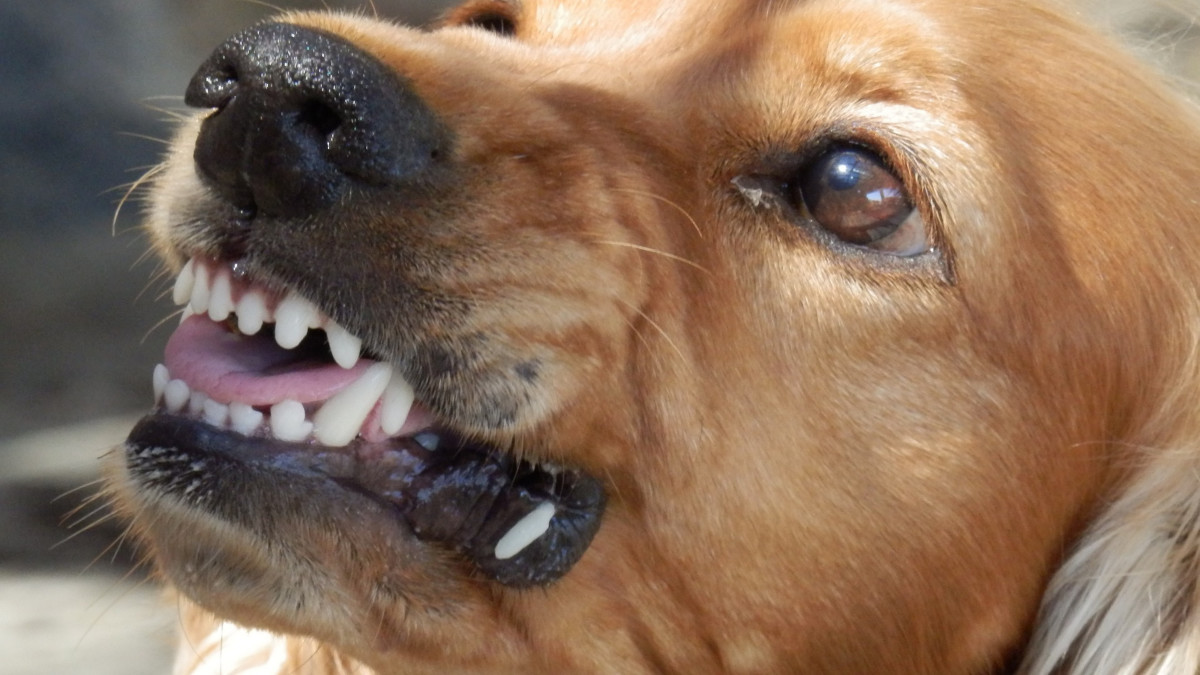
Testosterone is mainly in male dogs. It affects aggression and dominance behaviors.
Estrogen is found more in female dogs. It influences mood and motherly instincts.
- Testosterone encourages marking territory
- Testosterone drives roaming and fighting
- Estrogen helps with nurturing behavior
- Estrogen affects heat cycles and mood swings
Behavioral Shifts After Hormone Reduction
After neutering, dogs have less testosterone or estrogen. This change can calm some behaviors.
Dogs may show less aggression and roam less. Female dogs may stop going into heat.
- Reduced marking and mounting behavior
- Lower chances of aggression and dominance fights
- Calmer moods and less anxiety
- Less desire to roam far from home
Common Positive Behavior Changes
Neutering a dog can lead to many good behavior changes. These changes help dogs become easier to live with. Pet owners often notice these improvements after the surgery.
This article covers three common positive changes: reduced aggression and dominance, less roaming and marking, and a calmer temperament.
Reduced Aggression And Dominance
Neutering lowers hormone levels that cause aggressive behavior. Dogs often become less dominant and more relaxed around people and other animals. This helps reduce fights and growling.
Less Roaming And Marking
Neutered dogs tend to roam less. They feel less need to find a mate. This reduces the chance of getting lost or hurt. They also mark less by urinating in the house or yard.
- Roaming behavior decreases
- Less frequent territory marking
- Lower risk of accidents outdoors
- More focus on home and family
Calmer Temperament
After neutering, many dogs show a calmer attitude. They are less anxious and excited. This helps them handle new situations better and reduces destructive behavior.
| Behavior | Before Neutering | After Neutering |
| Excitement Level | High | Moderate |
| Response to Stress | Anxious | Calm |
| Destructive Actions | Common | Less Frequent |
Potential Negative Behavior Changes
Neutering a dog can lead to some behavior changes. Not all changes are positive. Some dogs may show negative behaviors after surgery.
Understanding these changes can help owners manage their dog’s needs better. It also prepares them for new challenges.
Increased Appetite And Weight Gain
Many dogs eat more after being neutered. This is because their metabolism slows down. They use fewer calories than before.
If the dog eats the same amount as before, weight gain can happen. Extra weight may cause health problems like joint pain.
- Monitor food portions closely
- Provide healthy, low-calorie treats
- Increase regular exercise
Possible Fearfulness Or Anxiety
Some dogs become more fearful after neutering. Changes in hormones can affect their mood. They may react more to new sounds or people.
Increased anxiety can cause barking, hiding, or shaking. These behaviors may last weeks or months after surgery.
- Provide a calm and safe environment
- Use gentle, positive training methods
- Consult a vet if anxiety is severe
Changes In Activity Levels
Neutering often lowers a dog’s activity level. Dogs may seem less playful or tired more easily. This is due to hormone changes.
Less activity can lead to boredom. Bored dogs might chew furniture or dig in the yard.
- Encourage daily walks and playtime
- Offer new toys to keep the dog busy
- Keep a consistent exercise schedule
Timing And Age Factors
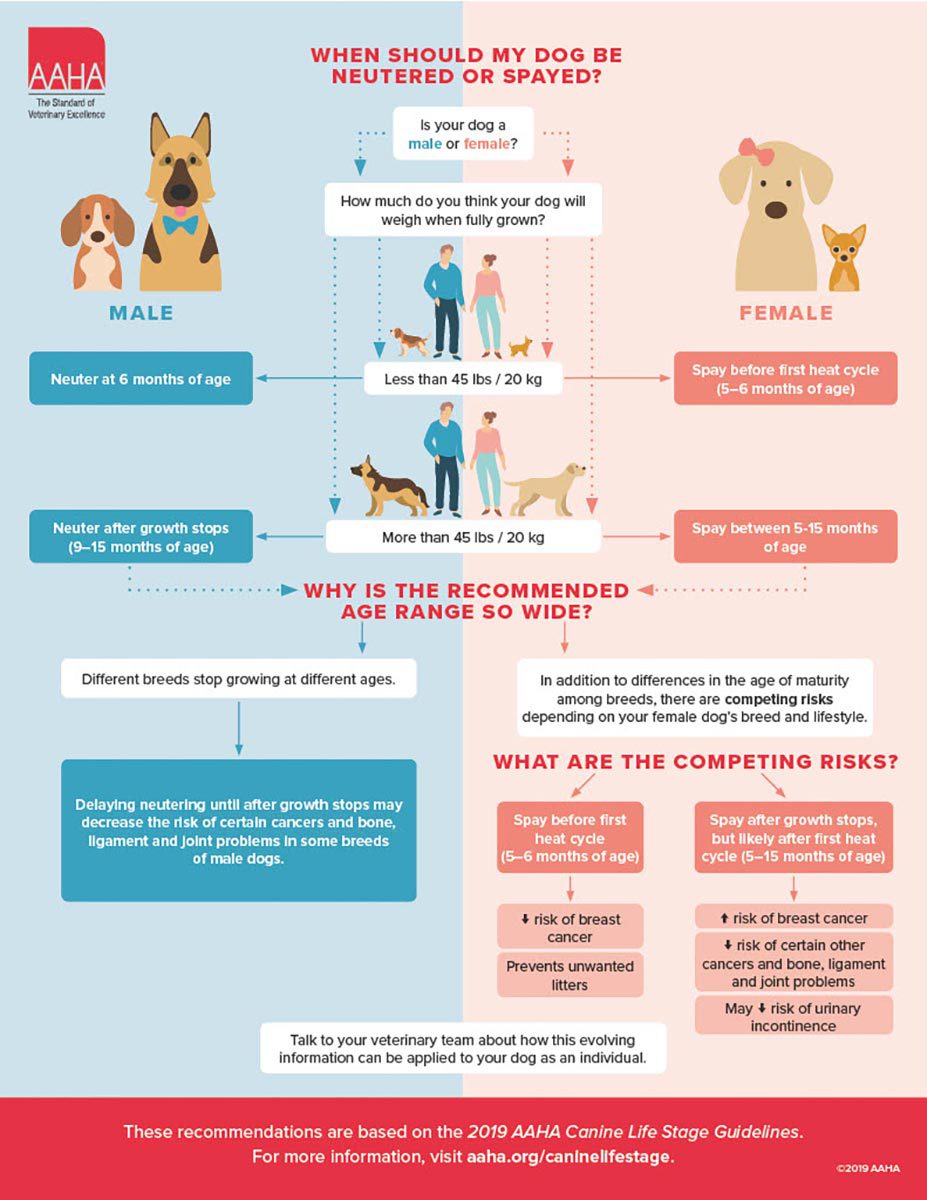
Neutering a dog changes its behavior in many ways. The age when neutering happens plays a big role in these changes.
Choosing the right time for neutering can help reduce some unwanted behaviors and support healthy growth.
Effects Of Early Vs. Late Neutering
Early neutering happens before six months of age. It can lower aggressive and roaming behaviors.
Late neutering occurs after the dog matures. It may not reduce some behaviors as much but helps with physical development.
- Early neutering may reduce marking and mounting.
- Late neutering can keep some protective instincts stronger.
- Early neutering may affect growth plates and bone development.
- Late neutering can mean less risk of certain joint problems.
Breed-specific Behavioral Responses
Different breeds react in unique ways to neutering. Some breeds show big changes in behavior after neutering.
Other breeds may keep their traits no matter the age of neutering. Knowing your breed helps guide the best timing.
- Working breeds may keep high energy after neutering.
- Small breeds often show less change in behavior.
- Terriers might reduce aggression if neutered early.
- Hounds may have less roaming behavior after neutering.
Training And Socialization Tips
Neutering can change a dog’s behavior. Training and socialization need some adjustments after the procedure.
Understanding these changes helps owners guide their dogs better. This support improves the dog’s behavior and happiness.
Adjusting Training Post-neutering
After neutering, dogs may feel calmer or less motivated. Training should match these new energy levels.
Keep training sessions short and positive. Use treats and praise to encourage good behavior.
- Focus on basic commands like sit, stay, and come
- Be patient as your dog adjusts to changes
- Use gentle corrections instead of harsh discipline
- Increase training frequency but keep sessions brief
Encouraging Positive Social Behavior
Neutering can reduce aggression and roaming. This is a good chance to improve social skills.
Introduce your dog slowly to new dogs and people. Watch for signs of stress or fear.
- Arrange playdates with calm, friendly dogs
- Take your dog to different places to meet new people
- Reward calm and friendly behavior during social events
- Stop interactions if your dog shows signs of anxiety
Credit: www.dwdogtraining.com
Health Considerations Linked To Behavior
Neutering a dog can change its behavior. These changes relate to health considerations. Understanding these can help manage your dog's behavior better.
Behavior changes after neutering are influenced by health. This includes weight and emotional well-being.
Weight Management Strategies
Weight management is crucial after neutering. Dogs may gain weight due to hormonal changes.
- Feed your dog a balanced diet
- Provide regular exercise
- Monitor portion sizes
Monitoring For Behavioral Issues
Behavioral issues might occur post-neutering. These can include anxiety or aggression.
| Behavior | Action |
| Anxiety | Consult a vet |
| Aggression | Seek professional training |
| Overeating | Control food access |
Owner Expectations And Patience
Neutering a dog can change its behavior over time. Owners often expect immediate results.
Patience is key as changes may be gradual. Understanding realistic timelines helps set expectations.
Realistic Timelines For Change
Behavior changes after neutering do not happen overnight. It may take weeks or months to see differences.
- Initial calming effects can appear within a few weeks.
- More significant behavior shifts may take 3-6 months.
- Some dogs might show changes even after a year.
Recognizing Individual Differences
Each dog is unique. They respond differently to neutering.
Consider factors like:
- Age at neutering
- Breed characteristics
- Pre-existing behavior patterns
Observing your pet is important. Adjust expectations based on their unique responses.
Credit: southeastoakvillevet.ca
Frequently Asked Questions
How Does Neutering Affect Dog Behavior?
Neutering reduces hormone-driven behaviors like aggression and marking. It often calms dogs, making them less territorial and more social. However, individual responses vary, and training remains important for good behavior.
When Do Behavior Changes Appear After Neutering?
Behavior changes typically begin within a few weeks after neutering. Full effects may take up to three months as hormone levels stabilize. Patience is key during this adjustment period.
Can Neutering Reduce Dog Aggression?
Yes, neutering often decreases aggression linked to testosterone. It lowers dominance and territorial behaviors but doesn’t guarantee complete elimination of aggression. Training and socialization are still essential.
Does Neutering Affect A Dog’s Energy Levels?
Neutering may slightly reduce energy and activity in some dogs. This happens as hormone levels drop. Regular exercise and mental stimulation remain important to maintain a healthy lifestyle.
Conclusion
Neutering can bring clear behavior changes in dogs. Many dogs become calmer and less aggressive. They often stop roaming and marking territory. Some may feel less anxious or excitable. Changes depend on the dog’s age and personality. Patience is key as behaviors adjust over time.
Watch your dog closely to understand new habits. Neutering helps with health and behavior balance. It supports a happier life for your pet. Remember, every dog reacts in its own way.

Emily Barker is the founder of ChillDogLife.com, a space dedicated to helping pup parents discover the best dog products, lifestyle tips, and cozy ideas for happier homes.
A lifelong dog lover, Emily combines her passion for pets with a knack for research to share trusted recommendations on everything from toys and furniture to health and everyday care.
Her goal is simple: to make life easier, stylish, and more joyful for dogs and the people who love them.




