
Do you have a dog with behavioral issues that leave you feeling frustrated or worried? You’re not alone.
Many dog owners face challenges like aggression, anxiety, or stubbornness that can strain your bond and disrupt daily life. But understanding why your dog acts this way is the first step to making positive changes. You’ll discover practical tips and insights to help your furry friend become happier and more balanced.
Keep reading, because the solution to your dog’s behavior problems might be simpler than you think.
Credit: www.kinship.com
Common Behavioral Issues In Dogs
Dogs can show different behaviors that worry their owners. Some behaviors come from fear, stress, or confusion.
Knowing common problems helps owners find the right way to help their pets feel safe and happy.
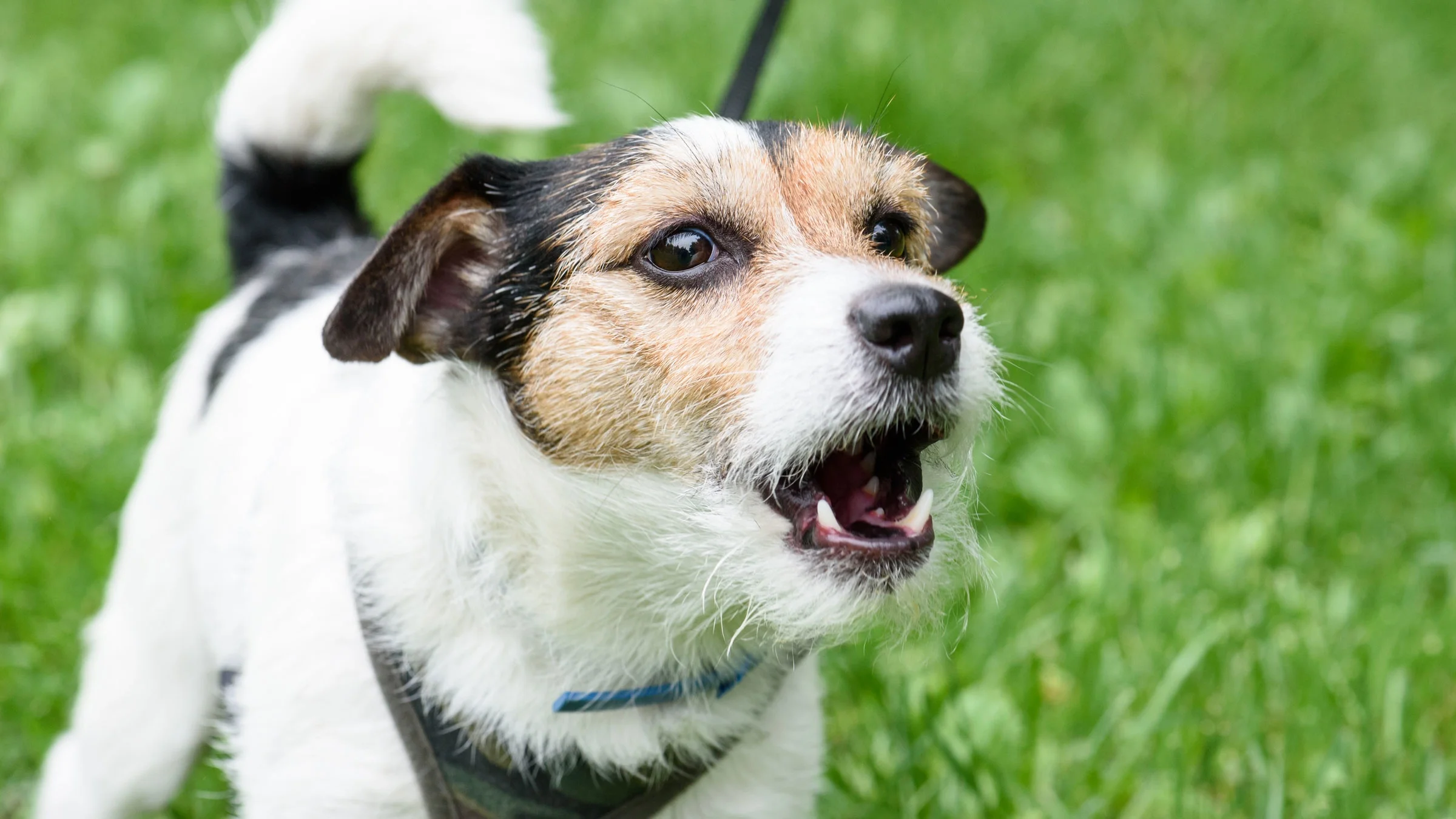
Aggression And Its Causes
Aggression in dogs can come from many reasons. It may be fear, pain, or protecting their home.
Understanding why your dog acts aggressive is key to fixing the problem.
Anxiety And Fear Responses
Some dogs feel scared in new places or around strangers. This can cause shaking, hiding, or trying to escape.
- Fear of loud noises like thunder
- Fear of other animals or people
- Stress from changes at home
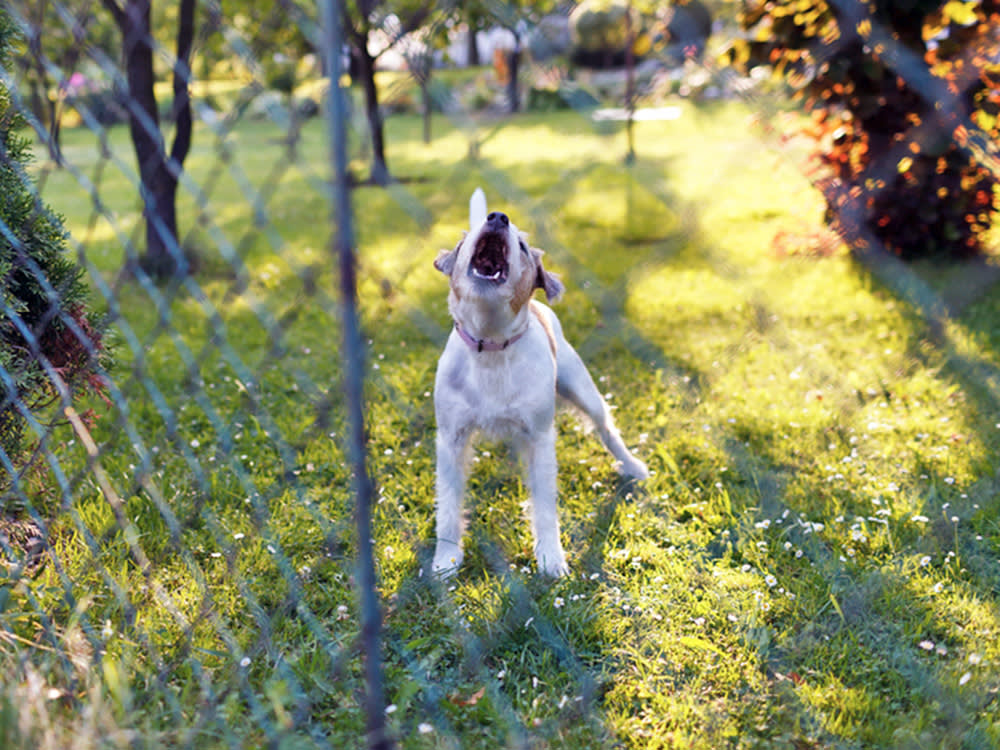
Excessive Barking Problems
Dogs bark to talk, but too much barking can be a problem. It may happen when they are bored, scared, or want attention.
Finding the cause helps stop the loud barking and keeps peace at home.
Destructive Chewing Habits
Chewing is normal, but some dogs chew too much. This can ruin furniture and shoes.
| Cause | Effect |
| Boredom | Chews on objects to pass time |
| Teething | Puppies chew to ease pain |
| Stress | Chewing helps calm anxiety |
Separation Anxiety Signs
Some dogs get upset when left alone. They may cry, bark, or try to escape.
Signs of separation anxiety include:
- Destruction near doors or windows
- Excessive drooling or panting
- Following owner constantly
Credit: www.goodrx.com
Root Causes Behind Problem Behaviors
Dogs can develop behavioral issues for many reasons. Understanding these causes helps in addressing them effectively.
Some behaviors are rooted in genetics, while others stem from a lack of socialization or environmental stress. Health issues can also play a role.
Genetics And Breed Tendencies
Certain breeds have predisposed behaviors. For example, herding breeds may nip to control movement.
Genetic factors can influence a dog’s temperament and how they react to situations. Knowing your dog’s breed tendencies can help in training.
- Herding breeds may try to herd other animals or people.
- Guarding breeds might be more protective and territorial.
- Hunting breeds could have a strong prey drive.
Lack Of Socialization
Puppies need to meet different people, animals, and environments. Without this, they might become fearful or aggressive.
Socialization helps dogs feel comfortable in various settings. Early exposure to new experiences is key to preventing fear-based behaviors.
- Introduce your puppy to different sounds and sights.
- Arrange playdates with other dogs.
- Visit various locations like parks and city streets.
Environmental Stressors
Changes in the environment can stress dogs. Moving homes or a new family member might trigger anxiety.
Stressful environments can lead to barking, chewing, or other unwanted behaviors. Keeping a stable routine helps your dog feel secure.
- Maintain a regular feeding and walking schedule.
- Provide a quiet space for your dog to relax.
- Use calming aids like music or aromatherapy.
Health-related Factors
Health issues can cause sudden behavior changes. Pain or discomfort might make a dog irritable or withdrawn.
Regular vet check-ups ensure your dog is healthy. Address any medical issues promptly to prevent behavior problems related to health.
- Observe changes in eating or sleeping habits.
- Check for signs of pain like limping or reluctance to move.
- Consult a vet if you notice unusual behavior changes.
Effective Training Techniques
Training a dog with behavioral issues needs patience and smart methods. Using the right techniques helps improve your dog’s behavior safely.
Understanding how your dog learns will guide you to the best training approach. Positive methods work best to build trust and good habits.
Positive Reinforcement Methods
Positive reinforcement rewards good behavior with treats, praise, or play. This encourages your dog to repeat the behavior you want.
- Give a small treat immediately after good behavior
- Use a happy tone to praise your dog
- Offer extra playtime as a reward
- Be consistent with rewards every time
- Avoid giving rewards when the dog misbehaves
Clicker Training Basics
Clicker training uses a small device that makes a sound. The click marks the exact moment your dog does something right.
After clicking, give a treat to help your dog connect the sound with a reward. This makes learning clear and fast.
Consistency And Routine Importance
Dogs with behavioral problems need a steady routine. Consistent training times and commands help your dog understand what is expected.
| Aspect | Why It Matters |
| Daily Training Sessions | Builds habit and focus |
| Same Commands | Prevents confusion |
| Regular Walk Times | Reduces anxiety and stress |
| Clear Rules | Keeps behavior predictable |
Avoiding Punishment Pitfalls
Punishment can cause fear and damage trust. Avoid yelling, hitting, or harsh corrections.
Instead, try these gentle approaches:
- Redirect bad behavior to a positive one
- Ignore minor misbehaviors
- Reward calm and quiet moments
- Use time-outs calmly without shouting
Role Of Exercise And Mental Stimulation
Dogs with behavioral issues often need extra help to stay calm and happy. Exercise and mental stimulation play a key role in this.
These activities help reduce anxiety, improve focus, and lower unwanted behaviors in dogs.
Physical Activities To Reduce Stress
Physical exercise helps dogs burn off excess energy and feel less stressed. Regular walks, runs, or play sessions calm their minds.
Simple activities like fetch or tug-of-war also build trust between you and your dog.
- Daily walks of at least 30 minutes
- Running or jogging for active breeds
- Playing fetch in a safe area
- Tug-of-war using sturdy toys
- Swimming if the dog enjoys water
Interactive Toys And Puzzles
Interactive toys make dogs think and solve problems. These toys keep their minds busy and reduce boredom.
Puzzle feeders slow down eating and challenge dogs to use their brains.
- Food-dispensing puzzles
- Toys that hide treats inside
- Chew toys with different textures
- Snuffle mats to sniff out treats
- Interactive balls that move or light up
Training Games For Engagement
Training games improve focus and obedience. These games also build a stronger bond between dog and owner.
Short, fun sessions help dogs learn commands and reduce bad habits.
- Hide and seek with treats or toys
- Basic command training with rewards
- Agility courses using household items
- Clicker training for positive reinforcement
- Teaching new tricks to keep interest high
Creating A Calm Environment
Dogs with behavioral issues often feel stressed or anxious. A calm environment helps them relax and behave better.
Setting up a peaceful space is important for their well-being and training success.
Safe Spaces And Comfort Zones
Safe spaces give dogs a place to feel secure. These areas reduce stress and help calm them down.
Comfort zones can include a cozy bed, crate, or quiet corner in the house. Make it their special spot.
- Choose a quiet room or corner
- Use soft bedding or blankets
- Keep familiar toys nearby
- Limit access to this space to avoid overuse
Soothing Sounds And Aromatherapy
Gentle sounds can help calm anxious dogs. Soft music or white noise lowers stress levels.
Aromatherapy uses safe scents to relax dogs. Lavender and chamomile are good choices for calming effects.
- Play soft classical music or nature sounds
- Use essential oils with a diffuser, but keep it out of reach
- Observe your dog’s reaction to sounds and smells
- Avoid strong or unfamiliar scents that may cause stress
Minimizing Triggers And Distractions
Triggers like loud noises or sudden movements can cause bad behavior. Reducing these helps dogs stay calm.
Distractions make it hard for dogs to focus. Creating a quiet space limits these and improves behavior.
- Keep the environment quiet and calm
- Remove objects that cause fear or excitement
- Limit visitors or noisy activities near your dog
- Watch for signs of stress and adjust surroundings
When To Seek Professional Help
Dogs can show behavioral issues for many reasons. Sometimes, these issues are hard to fix alone. Knowing when to ask for help is very important.
Professional trainers and behaviorists can guide you. They use special skills to help your dog behave better.
Choosing The Right Trainer Or Behaviorist
Pick a trainer who understands your dog’s needs. Look for someone with good experience in handling behavior problems.
Check if they use kind and positive methods. Avoid trainers who use harsh punishments. Your dog should feel safe during training.
- Ask about their qualifications and experience
- Request references from past clients
- Ensure their approach matches your values
- Look for trainers certified by recognized organizations
Veterinary Behavior Consultations
Sometimes, behavioral issues come from health problems. A veterinary behaviorist can check your dog’s medical condition.
They combine medical care and behavior advice. This helps to treat problems that trainers cannot fix alone.
- Assess if pain or illness causes behavior changes
- Develop a treatment plan including health and behavior
- Work with trainers for best results
- Provide guidance on managing anxiety or fear
Medication As A Support Tool
Some dogs benefit from medication to control behavior. Medication is not a cure but helps manage symptoms.
It works best combined with training and behavior therapy. A vet can decide if medication is needed.
- Reduces anxiety and stress
- Helps with aggression or fear
- Supports behavior changes from training
- Requires careful monitoring by a vet
Preventing Future Behavioral Problems
Dogs with behavioral issues need careful care to avoid new problems. Preventing these issues helps your dog stay happy and safe.
Early action and good habits support better behavior over time. This guide shares tips to keep problems from growing.
Early Socialization Tips
Start socializing your dog when it is young. Introduce your dog to different people, places, and other animals calmly.
- Allow your dog to meet friendly dogs in safe places
- Take your dog to parks and busy areas to get used to sounds and sights
- Invite guests to your home so your dog learns to stay calm
- Handle your dog gently to get it used to human touch
- Use treats and praise to reward calm and friendly behavior
Ongoing Training Practices
Keep training your dog regularly. Teach basic commands and reward good behavior. This builds trust and control.
| Training Activity | Purpose |
| Sit and Stay | Helps control impulses |
| Recall (Come) | Ensures safety outdoors |
| Leash Walking | Prevents pulling and aggression |
| Social Cue Training | Improves communication with people |
| Quiet Command | Reduces barking and anxiety |
Recognizing Warning Signs Early
Watch your dog’s behavior closely. Spotting problems early helps you fix them fast.
- Growling or snapping when approached
- Sudden fear or hiding
- Excessive barking or whining
- Destructive chewing or digging
- Refusal to eat or sudden aggression
If you notice these signs, consult a professional trainer or vet quickly.

Credit: www.positivepetsboise.com
Frequently Asked Questions
What Causes Behavioral Issues In Dogs?
Behavioral issues in dogs often stem from fear, anxiety, poor socialization, or past trauma. Genetics and health problems can also contribute. Identifying the root cause is crucial for effective treatment and training adjustments.
How Can I Train A Dog With Behavioral Problems?
Consistent, positive reinforcement training works best. Avoid punishment, as it can worsen issues. Use patience, rewards, and clear commands to encourage good behavior and build trust with your dog.
When Should I Consult A Vet For Dog Behavior?
Consult a vet if behavior suddenly changes or worsens. Medical issues like pain or neurological problems may be causing it. Early diagnosis ensures proper treatment alongside training strategies.
Are Behavioral Problems Common In Rescue Dogs?
Yes, rescue dogs often have behavioral challenges due to past neglect or trauma. With patience, training, and love, many rescue dogs adapt well and become loyal companions.
Conclusion
Dealing with a dog with behavioral issues needs patience and care. Small steps help build trust and good habits. Consistency in training makes a big difference over time. Understanding your dog’s needs improves your bond. Seek help from experts if problems persist.
Every dog can improve with love and effort. Stay calm and positive during challenges. Your effort will bring peace to both you and your pet. Keep trying, and good behavior will grow.

Emily Barker is the founder of ChillDogLife.com, a space dedicated to helping pup parents discover the best dog products, lifestyle tips, and cozy ideas for happier homes.
A lifelong dog lover, Emily combines her passion for pets with a knack for research to share trusted recommendations on everything from toys and furniture to health and everyday care.
Her goal is simple: to make life easier, stylish, and more joyful for dogs and the people who love them.




