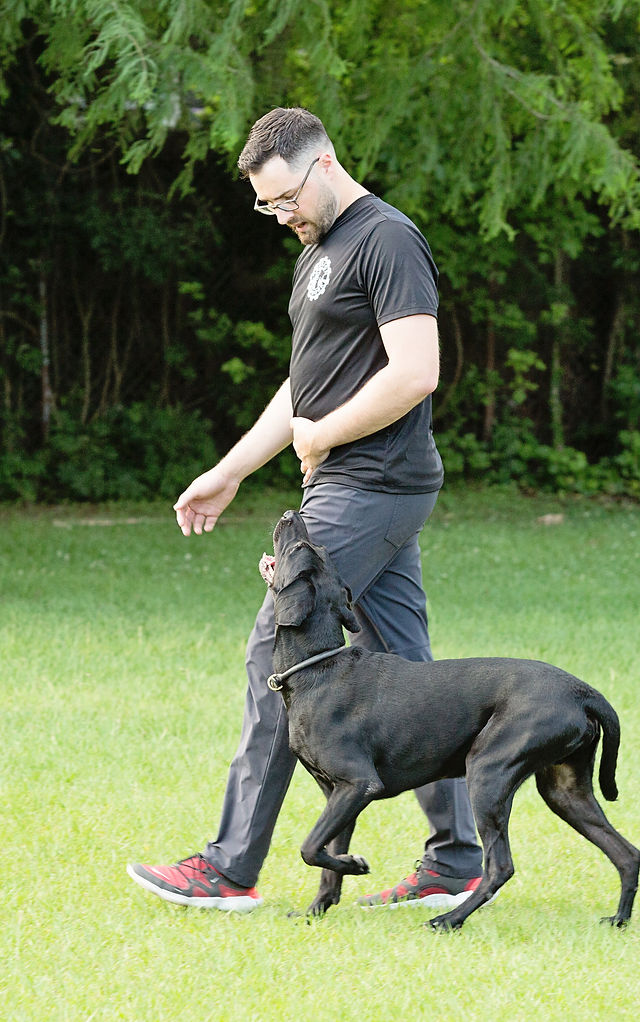
Are you struggling to understand why your dog acts a certain way? Do you wish your furry friend listened better and behaved calmly at home and around others?
You’re not alone. Many dog owners in Houston face these exact challenges. The good news is that with the right knowledge and training techniques, you can transform your dog’s behavior and strengthen the bond between you. Keep reading to discover simple, effective tips tailored for Houston dogs that will make your life easier and your pup happier.
Houston Dog Traits
Dogs in Houston show unique traits shaped by local life. Knowing these traits helps owners train well.
Different breeds, weather, and city life all affect dog behavior in Houston.
Common Breeds In Houston
Houston has many popular dog breeds. Each breed has special traits that fit city life.
- Labrador Retriever: Friendly and active, loves outdoor play.
- German Shepherd: Intelligent and protective, needs training.
- Chihuahua: Small and alert, good for apartment living.
- Bulldog: Calm and strong, prefers short walks.
- Golden Retriever: Gentle and social, enjoys family time.
Climate Impact On Behavior
Houston’s hot and humid climate changes how dogs act. They may rest more during the day.
| Weather Condition | Dog Behavior |
| Hot and Humid | Less active, seeks shade and water |
| Mild Evenings | More playful and energetic |
| Rainy Days | Prefers indoor rest, less outdoor time |
Local Environment And Socialization
Houston dogs meet many people and pets in parks and neighborhoods. This shapes their social skills.
Tips for socializing dogs in Houston:
- Visit dog-friendly parks regularly
- Attend local dog training classes
- Introduce dogs to various people and pets
- Use positive rewards during social interactions
Basic Training Principles
Training your dog in Houston involves understanding some key principles. By focusing on these, you can build a strong bond with your dog.
Each principle helps guide your dog towards better behavior. Let’s explore the basics to get started.
Positive Reinforcement Techniques
Positive reinforcement means rewarding your dog for good behavior. This encourages them to repeat it.
- Use treats to reward sitting or staying.
- Praise your dog with words and petting.
- Offer toys for following commands.
Consistency And Patience
Being consistent is crucial for training success. Dogs learn best when rules don’t change.
Patience is needed as each dog learns at their own pace. Staying calm helps your dog feel secure.
Setting Realistic Goals
Set goals that match your dog’s abilities. This prevents frustration for both of you.
| Command | Time to Learn |
| Sit | 1 week |
| Stay | 2 weeks |
| Come | 3 weeks |
Addressing Common Issues
Dogs can show behaviors that worry their owners. These behaviors often need careful training. Understanding common problems helps manage them well.
This guide covers three key issues: separation anxiety, aggression, and excessive barking. Each needs a clear approach to improve your dog’s life.
Separation Anxiety Solutions
Separation anxiety makes dogs nervous when left alone. They may whine, bark, or destroy things. Calm routines and gradual alone time help reduce stress.
- Start with short absences and increase time slowly.
- Give toys to keep your dog busy.
- Use a calm voice when leaving and returning.
- Avoid long goodbyes or greetings.
- Provide a safe, cozy space for your dog.
Managing Aggression
Aggression can be fear, protectiveness, or dominance. It is important to identify triggers and avoid punishment. Training and socialization improve behavior.
| Trigger | Behavior | Solution |
| Strangers | Growling or lunging | Controlled social exposure |
| Other dogs | Barking or fighting | Leash training and supervision |
| Possessions | Snapping or guarding | Teaching “leave it” command |
Curbing Excessive Barking
Dogs bark for many reasons. Too much barking can bother neighbors and family. Consistent training and meeting your dog’s needs reduce noise.
Try these tips to reduce barking:
- Identify what causes barking and remove the trigger if possible.
- Give regular exercise to burn energy.
- Use commands like “quiet” to teach control.
- Reward quiet behavior with treats or praise.
- Ignore barking for attention, so it stops being effective.
Credit: tiptopk9.com
Advanced Training Tips
Training your dog takes patience and consistency. Advanced tips help refine your dog’s skills. These tips improve behavior and communication.
This guide covers obedience commands, leash training, and socialization in busy areas. Use these strategies to strengthen your dog’s training.
Obedience Commands
Teach your dog clear and simple commands. Use short words like “sit,” “stay,” and “come.” Reward your dog for good responses.
- Practice commands in different places
- Use treats and praise to encourage learning
- Keep training sessions short and frequent
- Be patient and consistent with your tone
- Gradually add distractions to test obedience
Leash Training Strategies
Leash training helps your dog walk calmly by your side. Avoid pulling and lunging during walks. Use gentle corrections to guide your dog.
| Training Tip | Description |
| Choose the right leash | Use a short leash for control |
| Stop and wait | Stop walking if the dog pulls |
| Reward good walking | Give treats for walking close |
| Practice turns | Change direction to keep dog focused |
Socialization In Busy Areas
Socialize your dog by visiting parks and busy streets. Introduce your dog to new people and animals calmly. Keep your dog safe and relaxed.
Tips for socializing in busy areas:
- Bring your dog on short visits to crowded places
- Use treats to reward calm behavior around others
- Avoid forcing interactions if your dog is scared
- Practice commands to keep your dog focused
- Gradually increase time spent in busy places
Houston Resources
Houston offers many resources for dog owners. These help with training, socializing, and health care.
Finding the right support can improve your dog’s behavior and happiness.
Local Trainers And Schools
Several trainers and schools in Houston focus on positive dog training methods. They teach basic commands and solve behavior problems.
- City Dogs Training Center
- Houston Canine Academy
- Pawsitive Steps Training
- Behavior Basics School
Dog Parks And Social Spots
Dog parks in Houston provide safe spaces for dogs to play and meet others. These spots help dogs socialize and exercise daily.
| Park Name | Location | Features |
|---|---|---|
| Buffalo Bayou Dog Park | Downtown Houston | Separate areas for small and large dogs |
| Tom Bass Park | Southeast Houston | Walking trails and water fountains |
| Bear Creek Dog Park | West Houston | Shaded areas and agility equipment |
Veterinary Support
Veterinarians in Houston offer routine care and emergency services for dogs. Regular check-ups keep pets healthy.
- Houston Animal Hospital
- Greenway Veterinary Clinic
- Lakeside Pet Care
- Memorial Vet Center

Credit: k9america.com
Maintaining Training Success
Training a dog takes time and patience. Keeping the good behavior lasts longer with steady effort.
Consistent training helps dogs remember commands and behave well in different places.
Regular Practice Routines
Practice should happen daily to keep skills sharp. Short sessions work best for dogs.
Mix old commands with new tricks to keep your dog interested and learning.
- Set a fixed time each day for training
- Use different locations to practice commands
- Keep training sessions short, about 10 to 15 minutes
Adapting To Behavioral Changes
Dogs can change behavior as they grow or face new situations. Watch for signs of stress or confusion.
Adjust training methods to fit your dog’s current needs and mood for better results.
- Notice new behaviors early
- Change commands or rewards if needed
- Stay patient and calm during adjustments
Reward Systems For Motivation
Rewards help dogs learn and stay motivated. Use treats, praise, or play as positive reinforcement.
Change rewards occasionally to keep your dog excited and eager to learn.
- Use small, tasty treats for training
- Praise your dog with kind words and petting
- Offer playtime or favorite toys as rewards
Credit: suburban-k9.com
Frequently Asked Questions
What Are Common Dog Behavior Issues In Houston?
Common dog behavior issues in Houston include excessive barking, leash pulling, and separation anxiety. Hot climate and urban environment can increase stress, causing behavioral problems. Proper training and socialization help reduce these issues effectively.
How Does Houston’s Environment Affect Dog Training?
Houston’s warm weather and busy streets impact dog training. Heat can limit outdoor sessions, while distractions challenge focus. Trainers often use early mornings or indoor spaces for effective training in Houston.
What Are Best Training Methods For Houston Dogs?
Positive reinforcement and consistency are best for Houston dogs. Reward-based training encourages good behavior without stress. Local trainers emphasize patience and adapting techniques to each dog’s unique needs.
Where Can I Find Professional Dog Trainers In Houston?
Houston has many certified dog trainers and training centers. Look for trainers with positive reviews and certifications. Local vet clinics and pet stores often recommend reputable professionals nearby.
Conclusion
Training your dog in Houston helps build a strong, happy bond. Consistent practice and patience bring the best results. Understanding your dog’s behavior makes training easier and more fun. Small steps every day lead to big improvements. Enjoy the time spent learning together.
Your dog will feel safe and loved. Good training creates a peaceful home for everyone. Keep learning and stay positive. Your dog will thank you with loyalty and joy.

Emily Barker is the founder of ChillDogLife.com, a space dedicated to helping pup parents discover the best dog products, lifestyle tips, and cozy ideas for happier homes.
A lifelong dog lover, Emily combines her passion for pets with a knack for research to share trusted recommendations on everything from toys and furniture to health and everyday care.
Her goal is simple: to make life easier, stylish, and more joyful for dogs and the people who love them.




