If you’ve just had your dog spayed, you’re probably wondering what changes to expect. How will your furry friend act after surgery?
Will their behavior shift, and what should you watch out for? Understanding what happens after spaying can help you support your dog through recovery and beyond. Keep reading to discover how your dog’s behavior might change and what you can do to make this transition easier for both of you.

Credit: www.reddit.com
Post-surgery Behavior Changes
Spaying a dog can cause changes in how she acts for a while. These changes happen as she heals from the surgery.
Understanding these behavior shifts helps owners give better care and support during recovery.
Common Emotional Responses
Dogs often feel tired and a bit sad after surgery. They may want more attention and comfort.
Some dogs might hide or seem less playful. This is normal and usually lasts a few days.
- Increased clinginess or seeking comfort
- Mild irritability or restlessness
- Less interest in toys or play
- Temporary withdrawal or hiding
Physical Activity Adjustments
After spaying, dogs need less exercise to protect their healing wounds. Avoid running, jumping, or rough play.
Short, slow walks are best until the vet says the dog can be more active again.
- Limit walks to short, slow outings
- No jumping on furniture or stairs
- Keep dog calm and rested
- Use a leash to control movement
Appetite And Eating Habits
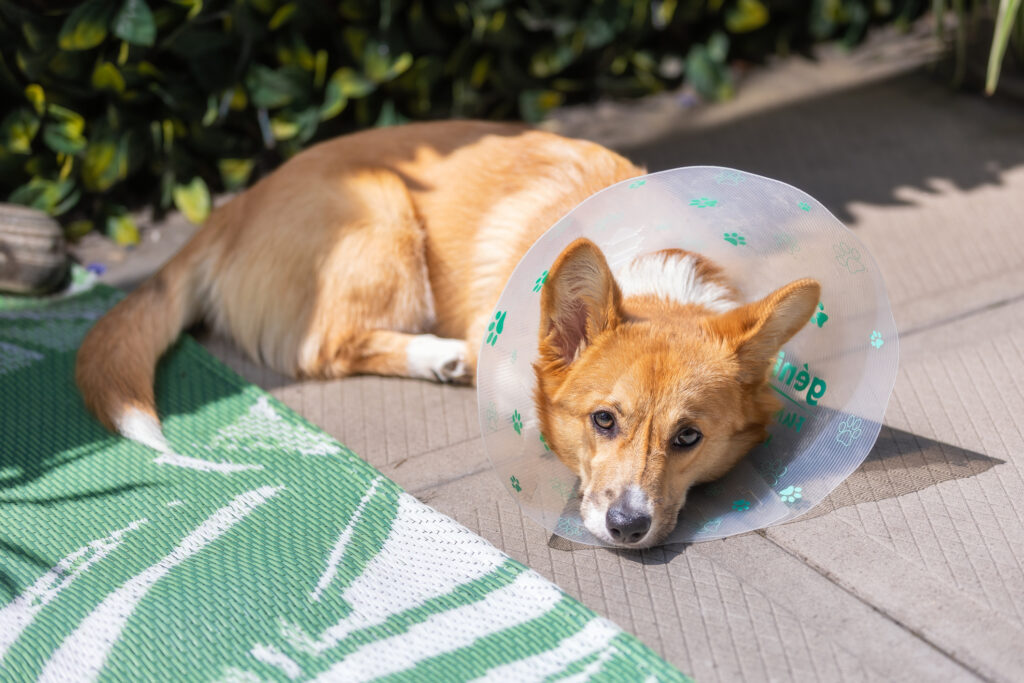
Appetite may drop right after surgery. This is normal as the dog recovers from anesthesia and pain.
Offer small, easy-to-digest meals and fresh water. Appetite should return in a day or two.
- Provide small, frequent meals
- Ensure fresh water is always available
- Watch for signs of nausea or vomiting
- Contact vet if appetite stays low for days
Credit: hfu.hollywoodfeed.com
Pain And Discomfort Signs
After a dog is spayed, she might feel pain and discomfort. It’s important to know how to recognize these signs.
Being aware of these signs helps in providing proper care. This ensures a smooth recovery for your pet.
Recognizing Pain Indicators
Dogs show pain in many ways. They might whine or yelp. Look for these signs to understand your dog’s discomfort.
She may also refuse to eat or appear lethargic. Monitor her closely during the recovery period.
- Whining or yelping
- Lack of appetite
- Excessive licking of the surgery area
- Restlessness or inability to settle down
Managing Post-operative Discomfort
To ease your dog’s pain, follow the vet’s instructions. Provide prescribed pain medication on time.
Keep her environment quiet and comfortable. Limit physical activity to prevent strain on the incision.
- Administer prescribed pain medication
- Ensure a quiet and stress-free environment
- Limit physical activity for proper healing
- Provide a soft and clean place to rest
Healing And Recovery Timeline
Spaying your dog is a major surgery that needs proper healing time. Knowing the recovery timeline helps you care for your pet better. Each dog heals at a different pace, but most follow a common pattern.
This guide explains typical recovery stages and signs that require a vet visit. Keeping an eye on your dog ensures a smooth healing process.
Typical Recovery Stages
The recovery after spaying can be split into several stages. Each stage shows how your dog is healing and what to expect next.
- First 24 Hours:Your dog may be groggy and sleepy from anesthesia. Keep her calm and warm.
- 2 to 3 Days:Mild swelling and soreness may appear. Limit activity and prevent licking the incision.
- 4 to 7 Days:Swelling should reduce. The incision begins to heal and scab over.
- 8 to 14 Days:Most dogs feel much better. Stitches or staples are usually removed if not dissolvable.
- 2 to 4 Weeks:Full healing occurs. Your dog can slowly return to normal exercise and play.
Throughout recovery, watch for changes in appetite, energy, or behavior. These can indicate how well your dog is healing.
When To Contact The Vet
Some signs after spaying need a vet’s attention right away. Use this table to check symptoms and decide when to call your vet.
| Symptom | What to Watch For | Action |
|---|---|---|
| Excessive Bleeding | Bright red blood soaking the bandage or dripping heavily | Contact vet immediately |
| Swelling or Redness | Swelling that grows larger or redness spreading around the incision | Call vet for advice |
| Foul Odor | Strong bad smell from the surgery site | Visit vet soon |
| Loss of Appetite | No interest in food or water for over 24 hours | Consult your vet |
| Lethargy | Unusual tiredness or weakness lasting more than two days | Contact vet |
| Vomiting or Diarrhea | Repeated vomiting or diarrhea within 24 hours | See vet quickly |
| Difficulty Breathing | Rapid or hard breathing | Emergency vet care needed |
Behavioral Support Strategies
Spaying can change your dog's behavior for a time. You can help her adjust with good support. This keeps your dog calm and happy during recovery.
This guide covers ways to create a calm space, encourage gentle moves, and watch her diet carefully.
Creating A Comfortable Environment
Make a quiet spot for your dog to rest. Use soft bedding and keep the area warm. Limit loud noises and bright lights.
- Place the bed in a low-traffic area
- Use a blanket or towel for softness
- Keep water and food nearby
- Check the space for safety hazards
Encouraging Gentle Activity
Short, slow walks help keep your dog calm and prevent stiffness. Avoid running or jumping until the vet says it’s okay.
- Start with 5-minute walks
- Watch for signs of tiredness
- Gradually increase walk time
- Use a leash to control movement
- Stop activity if your dog shows pain
Monitoring And Adjusting Diet
After spaying, your dog’s energy needs drop. Feed smaller meals to avoid weight gain. Monitor her weight weekly.
| Diet Aspect | Recommendation |
|---|---|
| Meal Size | Reduce by 10-20% |
| Meal Frequency | 2 to 3 small meals daily |
| Food Type | High protein, low fat |
| Snacks | Limit treats, choose healthy options |
| Hydration | Always provide fresh water |
Long-term Behavioral Effects
Spaying a dog can change how she behaves over time. These changes happen because spaying affects hormones.
Understanding these changes helps dog owners care for their pets better. It also helps prevent problems later.
Changes In Temperament
After spaying, many dogs become calmer and less aggressive. They may show less anxiety or fear in new situations.
Some dogs might seem less active or playful. This change happens because hormone levels affect energy and mood.
Impact On Social Interactions
Spayed dogs often get along better with other dogs. They may stop showing behaviors linked to mating, like roaming or marking.
These dogs tend to be more focused on their owners. Social play can become more relaxed and friendly.
Preventing Unwanted Behaviors
Spaying helps stop behaviors like howling, mounting, and aggression. These behaviors often come from hormone changes.
Training and exercise after spaying keep your dog happy and healthy. This support reduces bad behaviors and stress.
- Provide daily walks and playtime
- Use positive training methods
- Keep a regular routine
- Watch for signs of stress or boredom

Credit: www.reddit.com
Frequently Asked Questions
How Does Spaying Affect My Dog’s Behavior?
Spaying can reduce aggressive and territorial behaviors in dogs. It often calms hyperactivity and decreases roaming tendencies. However, some dogs may experience mild mood changes, usually temporary. Overall, spaying promotes a more balanced and manageable temperament.
Will My Dog Become Less Active After Spaying?
Activity levels may decrease slightly post-spaying due to hormonal changes. Most dogs remain playful but may show less restlessness. Regular exercise is important to maintain a healthy weight and avoid lethargy after surgery.
How Soon After Spaying Will Behavior Changes Appear?
Behavior changes typically begin within a few weeks after surgery. Hormonal adjustments take time, so effects may be gradual. Patience and consistent training help your dog adapt to new energy levels and mood.
Can Spaying Prevent Unwanted Behaviors Like Marking?
Yes, spaying reduces marking and urination behaviors linked to hormones. It helps control dominance and territorial instincts. While not a guaranteed fix, spaying significantly lowers such unwanted actions in most dogs.
Conclusion
Spaying your dog can change her behavior in many ways. Most dogs become calmer and less aggressive. Some may gain weight if not active enough. Your dog might feel tired for a few days after surgery. Watch her closely and give plenty of love and care.
Remember, these changes help keep your dog healthy and happy. Stay patient as she adjusts to her new routine. Caring for her well makes all the difference.

Emily Barker is the founder of ChillDogLife.com, a space dedicated to helping pup parents discover the best dog products, lifestyle tips, and cozy ideas for happier homes.
A lifelong dog lover, Emily combines her passion for pets with a knack for research to share trusted recommendations on everything from toys and furniture to health and everyday care.
Her goal is simple: to make life easier, stylish, and more joyful for dogs and the people who love them.




