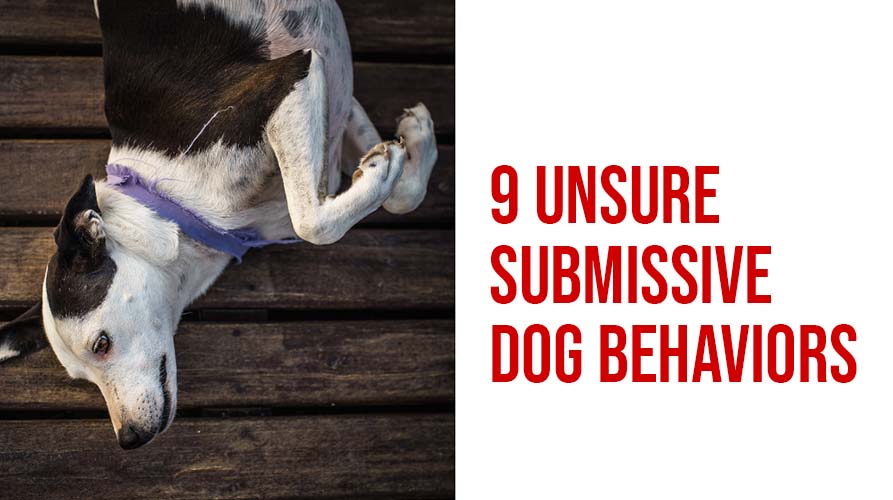
Have you ever noticed your dog lowering its head, tucking its tail, or avoiding your gaze? These actions might seem simple, but they reveal a lot about your dog’s feelings and mindset.
Understanding dog submissive behavior is key to building a stronger bond with your furry friend. When you recognize these signs, you can respond in a way that makes your dog feel safe and loved. Keep reading to discover what submissive behavior really means and how it can improve your relationship with your dog.
 Training Tips” />
Credit: pupford.com
Signs Of Submissive Behavior
Dogs use submissive behavior to show they are not a threat. This helps keep peace with other dogs and humans. Recognizing these signs can improve your relationship with your dog.
Submissive behavior is often gentle and calm. It shows respect or fear. Knowing the signs helps you understand what your dog feels.
Body Language Cues
Submissive dogs use their bodies to show they mean no harm. These signals are clear and easy to spot. Look for calm and soft movements.
- Lowered head or avoiding eye contact
- Flattened ears close to the head
- Tucked tail between the legs
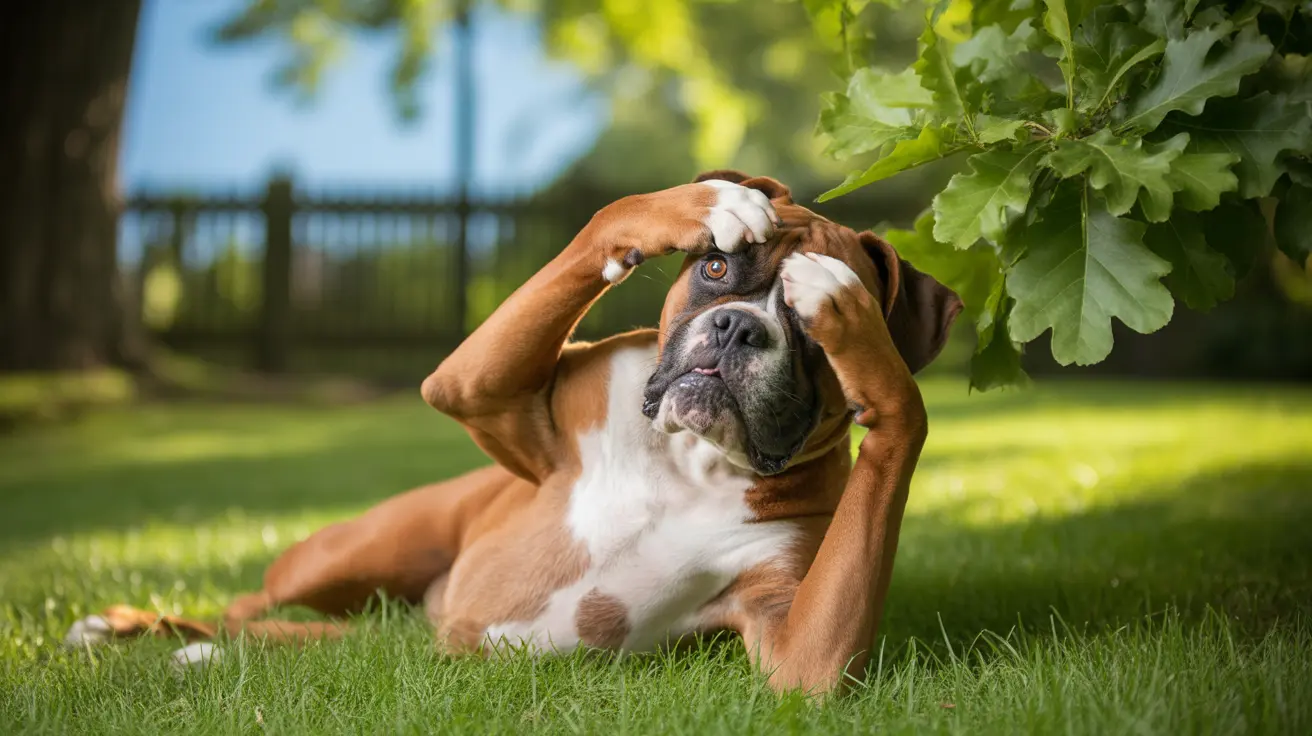
- Rolling onto their back, exposing the belly
- Crouching or lowering the body
- Licking lips or nose frequently
- Slow or hesitant movements
Vocalizations And Sounds
Submissive dogs often use soft sounds to express their feelings. These sounds are usually quiet and gentle. They show the dog wants to avoid conflict.
- Whining or whimpering softly
- Low-pitched growls without aggression
- Soft barking that is not loud or sharp
- Sighs or quiet moaning noises
Common Situations Triggering Submission
Dogs show submissive behavior in certain situations. These moments often involve other dogs or humans. The dog tries to avoid trouble or show respect.
- Meeting a new or dominant dog
- When a human raises their voice or hand
- After making a mistake or doing something wrong
- During training sessions with firm commands
- In crowded or noisy places that cause stress
 Training Tips” />
Credit: www.petscare.com
Causes Of Submission In Dogs
Dogs often show submissive behavior for various reasons. Understanding these causes helps in ensuring a comfortable environment for them.
Submissive behavior in dogs can be influenced by their breed, experiences, and surroundings. Let’s explore these factors.
Breed Tendencies
Certain dog breeds are naturally more submissive. This trait is often due to their genetic predispositions.
- Golden Retrievers are known for their gentle nature.
- Labradors often display a friendly and submissive demeanor.
- Beagles may show submission due to their pack instincts.
Early Socialization Effects
Socialization plays a key role in a dog's behavior. Dogs exposed to various experiences early in life tend to be more balanced.
| Experience | Possible Outcome |
| Meeting other dogs | Improves social skills |
| Exposure to noises | Reduces fearfulness |
| Training sessions | Increases confidence |
Environmental Influences
The environment where a dog grows up can affect its submissive behavior. Calm and supportive settings encourage positive behavior.
Differentiating Submission From Fear
Dogs show submission and fear in different ways. Knowing the difference helps you understand your dog better.
Submission is a calm way dogs show respect. Fear can cause stress and panic in dogs.
Behavioral Differences
Submissive dogs act gentle and relaxed. Fearful dogs may look tense and try to escape.
- Submission shows soft eyes and relaxed body
- Fear shows wide eyes and stiff posture
- Submissive dogs often lower their heads or roll over
- Fearful dogs may bark, growl, or hide
- Submission is steady and calm
- Fear is sudden and nervous
Contextual Clues
Look at the situation to tell if a dog is submissive or scared. The dog’s environment gives clues.
A submissive dog usually shows calm behavior around trusted people or dogs. Fear appears in new or loud places.
- Submission often happens during greetings or play
- Fear happens near strangers or loud noises
- Submissive dogs respond well to gentle touch
- Fearful dogs may try to run away or hide
- Watch how long the behavior lasts
- Submission lasts as long as respect is shown
- Fear may last longer or get worse
Building Confidence In Submissive Dogs
Submissive dogs often feel shy or scared around people and other animals. Helping them gain confidence improves their happiness and behavior.
Training with care and patience gives these dogs a sense of safety. This guide covers ways to support your dog’s growth.
Positive Reinforcement Techniques
Use rewards like treats and praise to encourage good behavior. This helps your dog feel proud and want to repeat the actions.
- Give a small treat after each calm response.
- Use a happy voice to praise your dog.
- Offer gentle petting when your dog stays relaxed.
- Avoid punishment to keep trust strong.
Safe Socialization Practices
Introduce your dog slowly to new places and friendly dogs. Keep meetings short and positive to build comfort.
| Socialization Activity | Purpose |
| Quiet park visit | Familiarize with outdoor sounds |
| Meeting calm dogs | Learn friendly dog behavior |
| Car rides | Reduce travel anxiety |
Consistency In Training
Keep training sessions regular and use the same commands. This helps your dog understand and trust the routine.
Tips for consistent training:
- Train at the same time every day.
- Use simple words for commands.
- Practice in the same quiet place.
- Reward only the correct behavior.
Training Tips For Managing Submission
Some dogs show submissive behavior that can be hard to handle. Training helps them feel confident and safe.
Use kind and clear methods to guide your dog to better behavior. This makes training easier for both of you.
Encouraging Assertive Behavior
Help your dog build confidence by rewarding brave actions. Praise them when they explore or stand tall.
- Give treats when your dog approaches new people
- Use a happy voice to praise confident moves
- Practice short training sessions daily
- Keep calm and patient during training
Avoiding Punishment Triggers
Punishment can make submissive dogs more scared. Avoid harsh words or sudden movements.
Do not:
- Yell or shout at your dog
- Hit or shove your dog
- Use fast, scary gestures
Instead:Use gentle guidance and rewards.
Using Commands Effectively
Simple commands help your dog understand what you want. Use the same words every time.
| Command | Purpose | Training Tip |
| Sit | Calm and focus | Use a treat to lure your dog |
| Stay | Prevent moving away | Start with short times, increase slowly |
| Come | Return to owner | Call in a happy voice and reward |
When To Seek Professional Help
Dog submissive behavior can be normal, but sometimes it shows serious issues. Knowing when to get help is important for your dog’s health.
If your dog’s submissive actions cause stress or harm, a professional can guide you. They can help improve your dog’s confidence and behavior.
Signs Of Extreme Submission
Extreme submission goes beyond simple obedience. It may mean your dog feels scared or unsafe. Watch for these signs:
- Hiding or cowering often
- Excessive licking of lips or nose
- Lowering the body or tail tightly between legs
- Avoiding eye contact completely
- Shaking or trembling without cause
- Refusing to eat or play
These behaviors show your dog might be stressed or anxious. Do not ignore them, as they can affect your dog’s well-being.
Choosing The Right Trainer
Picking a trainer who understands submissive dogs is key. The right trainer will use gentle methods to build trust and confidence.
Look for trainers who focus on positive reinforcement. Avoid those who use harsh or forceful tactics. Your dog’s comfort matters most.
- Ask about their experience with fearful dogs
- Check for certifications in dog behavior
- Read reviews from other dog owners
- Observe how they interact with dogs during sessions
- Choose someone patient and calm
 Training Tips” />
Credit: spcawake.org
Frequently Asked Questions
What Are Common Signs Of Dog Submissive Behavior?
Dog submissive behavior includes avoiding eye contact, lowering the body, tucking the tail, and exposing the belly. Dogs may also lick faces or yawn to show submission. These signs help reduce conflict and communicate respect in social settings.
Why Do Dogs Show Submissive Behavior?
Dogs show submissive behavior to avoid aggression and maintain harmony. It signals respect toward other dogs or humans perceived as dominant. This behavior helps prevent fights and establishes social order within a pack or household.
How Can I Respond To My Dog’s Submissive Behavior?
Respond calmly and positively to your dog’s submissive signals. Avoid punishing or intimidating them. Use gentle praise and build their confidence through training and socialization to promote a healthy, balanced relationship.
Is Submissive Behavior In Dogs A Sign Of Fear?
Yes, submissive behavior often indicates fear or anxiety. Dogs use it to communicate they mean no harm and want to avoid conflict. Understanding this helps owners respond with patience and reassurance.
Conclusion
Understanding dog submissive behavior helps build a stronger bond. It shows respect, trust, and a need for calm leadership. Recognizing these signs prevents confusion and stress for both you and your dog. Patience and kindness guide your dog to feel safe and loved.
Every dog is unique; pay attention to their signals. A happy dog means a happy home. Keep learning, stay patient, and enjoy your time together.

Emily Barker is the founder of ChillDogLife.com, a space dedicated to helping pup parents discover the best dog products, lifestyle tips, and cozy ideas for happier homes.
A lifelong dog lover, Emily combines her passion for pets with a knack for research to share trusted recommendations on everything from toys and furniture to health and everyday care.
Her goal is simple: to make life easier, stylish, and more joyful for dogs and the people who love them.




