
Are you struggling to understand your dog’s puzzling behavior? Maybe your furry friend is barking nonstop, chewing everything in sight, or acting anxious when you leave the room.
It can be frustrating and confusing. That’s where a dog behavior consultant comes in. This expert can help you decode your dog’s actions and guide you toward a happier, calmer relationship. Keep reading to discover how working with a dog behavior consultant can transform your daily life with your pet.
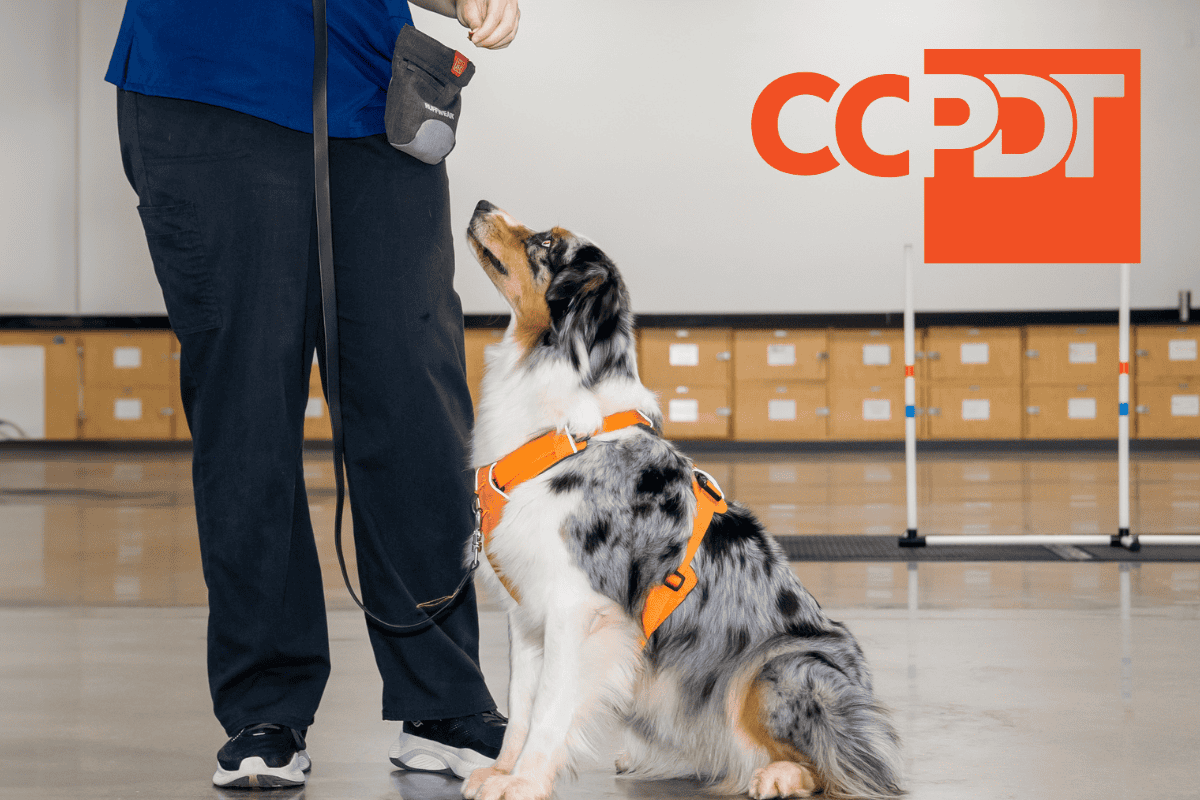
Credit: www.theacademyofpetcareers.com
Role Of A Dog Behavior Consultant
A dog behavior consultant helps owners understand their dog’s actions. They find the reasons behind unwanted behavior.
These experts create plans to improve a dog’s behavior. Their goal is to make life easier for both dogs and owners.
When To Seek Professional Help
If your dog shows signs of stress or aggression, it is time to ask for help. Early advice can prevent problems from getting worse.
Consult a behavior expert if your dog:
- Bites or growls at people or other animals
- Has sudden changes in behavior
- Shows fear or anxiety often
- Exhibits destructive habits at home
- Has trouble following basic commands
Common Behavioral Issues Addressed
Dog behavior consultants work with many common issues. They help dogs learn better ways to act.
- Excessive barking or whining
- Separation anxiety when left alone
- Jumping on people
- Chewing furniture or shoes
- Aggression toward other dogs or humans
- House soiling or marking inside
- Fear of loud noises or new places
Assessing Your Dog’s Behavior
Understanding your dog’s behavior is important for a happy relationship. A clear assessment helps find what causes issues.
Careful observation shows how your dog reacts in different situations. This helps plan better training and care.
Identifying Triggers And Patterns
Triggers are things that make your dog act a certain way. These can be sounds, people, or other animals.
Look for patterns in your dog’s reactions. Notice when behavior happens and what happens just before it.
- Watch for times your dog gets nervous or excited
- Note places where your dog feels scared or happy
- Record who or what is nearby during these moments
Behavioral Observation Techniques
Watching your dog closely helps find behavior causes. Use calm and quiet to see natural reactions.
Use notes or videos to track your dog’s actions. This shows habits or changes over time clearly.
- Keep a daily journal of your dog’s behavior
- Record videos during walks or playtime
- Note changes in eating, sleeping, and activity
- Watch how your dog reacts to new people or sounds
Effective Training Strategies
Training a dog takes patience and clear methods. Using the right strategies helps dogs learn better and behave well.
Good training improves the bond between you and your dog. It also keeps your dog happy and safe.
Positive Reinforcement Methods
Positive reinforcement means giving rewards for good behavior. This encourages dogs to repeat the actions.
Use treats, praise, or toys as rewards. Timing is important; reward your dog right after the good action.
- Give a treat when your dog sits on command
- Use a happy voice to praise your dog
- Offer playtime as a reward
- Be consistent with rewards every time
Managing Aggression And Anxiety
Aggression and anxiety can make training hard. Understanding the cause helps in managing these behaviors.
Stay calm and use gentle commands. Avoid punishment as it may increase fear or aggression.
- Identify triggers that cause stress or anger
- Use slow exposure to reduce fear
- Provide a safe space for your dog
- Practice regular, short training sessions
Creating A Consistent Routine
Dogs thrive when they have a daily routine. A consistent schedule helps them know what to expect. This lowers stress and improves behavior.
Setting a routine is a key part of dog training. It builds trust between you and your dog.
Importance Of Structure
Structure gives dogs a clear understanding of rules. It helps them learn what is allowed and what is not. Dogs feel safer in a well-structured environment.
Without structure, dogs may become confused or anxious. This can lead to unwanted behaviors like barking or chewing.
Daily Exercise And Mental Stimulation
Exercise is important to keep dogs healthy and happy. Physical activity uses up energy and reduces restlessness.
Mental challenges help dogs think and learn. This can include training sessions or puzzle toys.
- Daily walks or playtime
- Short training sessions
- Interactive toys or puzzles
- Social time with other dogs
Improving Communication With Your Dog
Dogs communicate through body language and sounds. Understanding these signals can improve your relationship. Clear commands help your dog know what you want.
By reading your dog’s cues and giving simple instructions, you can strengthen your bond. This makes training easier and more effective.
Reading Canine Body Language
Dogs show their feelings through their body posture and facial expressions. Watch for signs like wagging tails or raised ears.
- A wagging tail often means happiness.
- Flattened ears might show fear.
- Raised hackles can signal aggression or anxiety.
Using Clear Commands
Clear commands help your dog understand what you want. Use short, simple words and a firm voice.
For effective training, try these commands:
- Sit:Use when you want your dog to sit.
- Stay:Use to keep your dog in place.
- Come:Call your dog to you.
Tools And Resources For Behavior Change
Dog behavior consultants use various tools and resources. These help in understanding and changing dog behavior.
With the right tools, consultants can guide pet owners. They ensure behavior change is effective and lasting.
Training Aids And Equipment
Training aids are essential for behavior change. They help dogs learn new habits and follow commands.
Equipment like leashes and clickers are common. These tools aid in training and improving focus.
- Leashes keep dogs safe during walks
- Clickers signal correct behavior
- Treat bags reward good actions quickly
Books, Apps, And Online Support
Books provide valuable insights into dog behavior. They offer tips and methods for effective training.
Apps and online support groups connect pet owners. They share experiences and advice on managing dog behavior.
- E-books cover various training techniques
- Apps track progress and remind training times
- Forums offer support and advice from other owners
Maintaining Progress Long-term
Helping a dog change behavior takes time and patience. Keeping progress over months or years is important. Consistency and care help dogs stay well-behaved.
Owners need tools and support to keep good habits strong. A dog behavior consultant guides this ongoing process for lasting success.
Monitoring And Adjusting Techniques
Watch your dog’s behavior every day. Look for signs that habits are slipping or new problems appear. This helps catch issues early.
Change training methods if they stop working. Some dogs need new challenges or rewards to stay motivated. Keep sessions short and positive.
- Keep a daily log of behavior changes
- Use video to review training sessions
- Adjust rewards based on what your dog likes
- Try new exercises to prevent boredom
Building A Strong Human-dog Bond
A strong bond helps dogs listen and behave well. Spend time playing, walking, and talking with your dog every day.
Show your dog you care with gentle touch and praise. Trust grows with kindness, making training easier and more fun for both.
- Give daily attention and affection
- Use calm and clear communication
- Include your dog in family activities
- Respect your dog’s needs and feelings
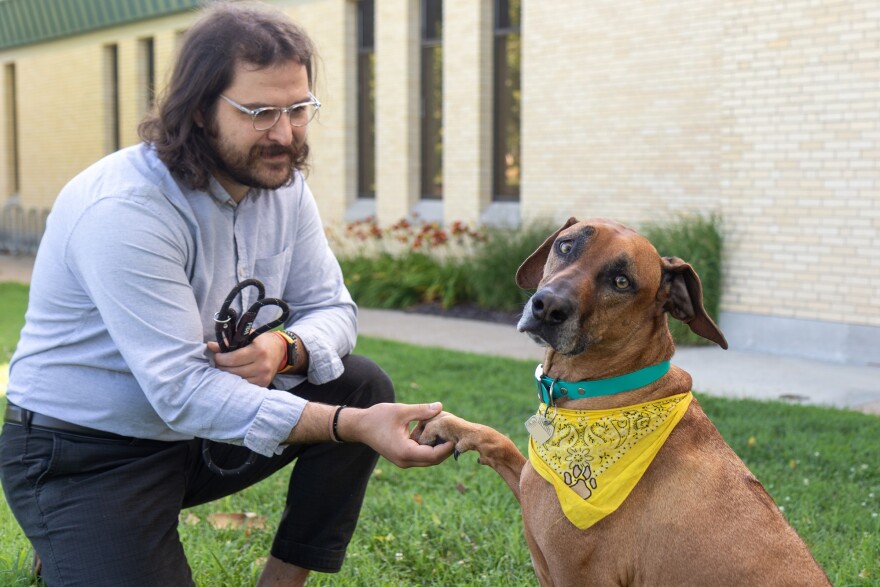
Credit: www.kcur.org
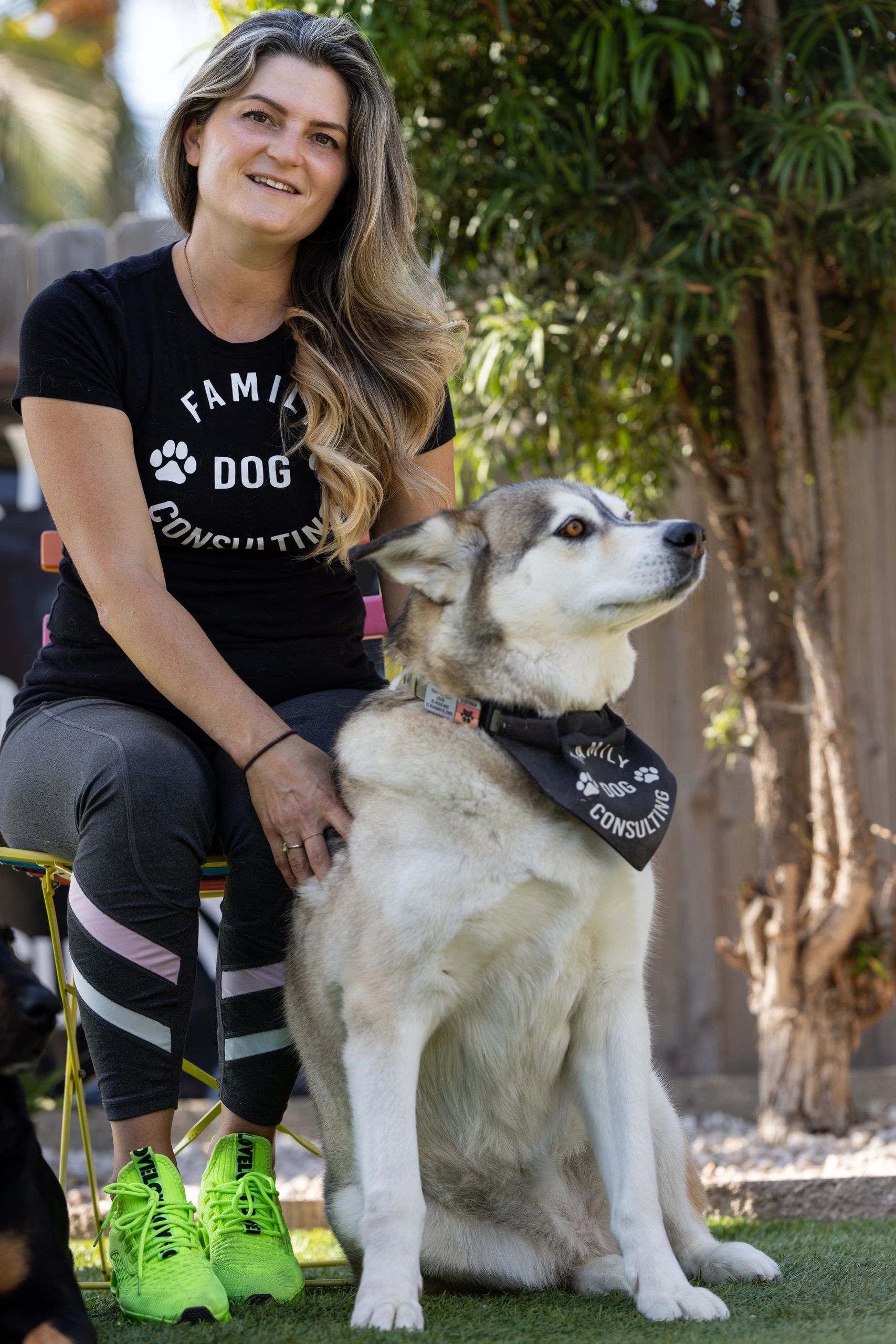
Credit: familydogconsulting.com
Frequently Asked Questions
What Does A Dog Behavior Consultant Do?
A dog behavior consultant assesses and modifies problematic dog behaviors. They create customized training plans to improve obedience and social skills. They also address aggression, anxiety, and other behavioral issues for a healthier pet-owner relationship.
When Should I Hire A Dog Behavior Consultant?
Hire a consultant if your dog shows persistent aggression, anxiety, or disobedience. Early intervention prevents worsening behavior. They help with training challenges that basic obedience classes cannot resolve effectively.
How Long Does Dog Behavior Consulting Take?
The duration varies by issue complexity, ranging from a few sessions to several months. Progress depends on the dog’s responsiveness and owner’s consistency in following guidance. Consultants provide ongoing support for lasting results.
Are Dog Behavior Consultants Certified Professionals?
Many consultants hold certifications from recognized organizations like IAABC or CCPDT. Certification ensures they use science-based methods and ethical training techniques. Always verify credentials before hiring a consultant.
Conclusion
A dog behavior consultant helps improve your dog’s actions. They understand why dogs act a certain way. With their help, problems like barking or biting can reduce. Training becomes easier and more effective. Your dog feels happier and safer. Trust and communication between you and your dog grow.
Every dog deserves guidance to live well. Finding the right help makes a big difference. Take the step to improve your dog’s life today.

Emily Barker is the founder of ChillDogLife.com, a space dedicated to helping pup parents discover the best dog products, lifestyle tips, and cozy ideas for happier homes.
A lifelong dog lover, Emily combines her passion for pets with a knack for research to share trusted recommendations on everything from toys and furniture to health and everyday care.
Her goal is simple: to make life easier, stylish, and more joyful for dogs and the people who love them.




