Have you noticed changes in your dog’s behavior that seem unusual or hard to explain? If your furry friend is acting restless, thirsty, or unusually hungry, it might be more than just a phase.
Understanding Cushing disease in dogs can help you spot these signs early and make a real difference in your pet’s life. This article will guide you through what Cushing disease looks like in your dog’s behavior, so you can take the right steps to keep your companion happy and healthy.
Keep reading to learn how to recognize the subtle clues your dog is giving you.
Cushing Disease Basics
Cushing disease is a condition that affects dogs. It happens when the body makes too much cortisol. Cortisol is a hormone that helps dogs handle stress and stay healthy.
Too much cortisol can change a dog’s behavior and health. It can make dogs thirsty, hungry, and tired. It is important to know what causes this disease and what signs to watch for.
What Causes Cushing Disease
Cushing disease happens when the adrenal glands produce too much cortisol. The adrenal glands are small organs near the kidneys. They control many body functions.
Most dogs get Cushing disease because of a tumor. The tumor can be in the pituitary gland or the adrenal gland. The pituitary gland controls the adrenal glands. Tumors cause the glands to make too much cortisol.
- Pituitary gland tumor is the most common cause.
- Adrenal gland tumors are less common but also cause it.
- Some dogs get Cushing disease from taking steroids long-term.
Common Symptoms In Dogs
Dogs with Cushing disease often show changes in behavior and health. These symptoms can develop slowly. Owners may notice small changes at first.
Here are some common signs to watch for in dogs with Cushing disease.
- Increased thirst and urination
- More hunger than usual
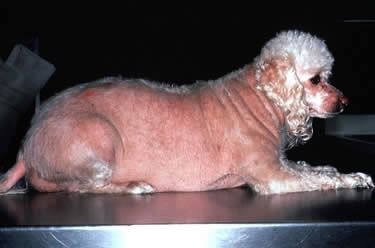
- Weight gain, especially around the belly
- Hair loss or thinning coat
- Skin may look thin or fragile
- Less energy and more tiredness
- Restlessness or changes in behavior
Credit: pawsintograce.com
Behavioral Changes In Dogs
Cushing disease affects a dog’s hormones. This can change how dogs behave every day.
Owners might see new behaviors. Some signs show changes in thirst, appetite, energy, and mood.
Increased Thirst And Urination
Dogs with Cushing disease often drink more water than usual. This leads to more trips outside to urinate.
This behavior can make dogs restless at night. Owners may notice wet spots inside the house.
Changes In Appetite
Many dogs with Cushing disease eat more. Some may beg for food often or eat faster than normal.
- Begging for treats
- Eating large meals quickly
- Searching for food more often
Restlessness And Anxiety
Dogs might show signs of anxiety. They may pace or seem unable to settle down.
Signs of Restlessness:
- Walking in circles
- Whining or barking without reason
- Difficulty sleeping
Lethargy And Fatigue
Dogs may tire easily. They often sleep more and show less interest in play or walks.
| Normal Behavior | Behavior with Cushing Disease |
| Active during walks | Tires quickly, may stop often |
| Interested in toys | Ignores toys or play |
| Alert and responsive | Slow to respond or sleepy |
Spotting Key Signs
Cushing disease affects many dogs and changes their behavior. Spotting the signs early helps in getting proper care.
Watch for changes in how your dog acts. These signs can tell you if the disease is affecting their mood and habits.
Aggression And Irritability
Dogs with Cushing disease may become aggressive or irritable. They might growl or snap without clear reasons.
These changes can happen because the disease affects their hormone levels. Your dog may feel more stressed or uncomfortable.
- Sudden growling or snapping
- Unusual reactions to touch or noise
- Shorter patience with people or other pets
Reduced Social Interaction
Your dog may want to be alone more often. They might avoid playing or greeting family members.
Cushing disease can make dogs less interested in their usual social activities. They may seem tired or withdrawn.
- Less tail wagging or eye contact
- Avoiding other pets or people
- Hiding in quiet places
Sleep Pattern Shifts
Dogs with Cushing disease might sleep more during the day. They may also wake up more at night.
These changes can make your dog seem restless or tired. Watch for unusual sleep habits that last for days.
- More naps or longer sleep times
- Restlessness during the night
- Difficulty settling down
Expert Insights On Behavior
Cushing disease affects dogs’ hormone levels and can change their behavior. Understanding these changes helps owners and caregivers manage their pets better.
Experts share observations and advice on how to support dogs with this condition. Their insights focus on recognizing signs and improving the dog’s quality of life.
Veterinarian Observations
Dogs with Cushing disease often show increased thirst and urination. They may seem more tired or restless. These signs relate to hormone imbalances affecting their mood and energy.
Some dogs may display irritability or reduced tolerance to noise and crowds. Early recognition of these changes helps with timely care and treatment.
Behaviorist Recommendations
Behaviorists suggest using calm and consistent routines to help dogs feel safe. Positive reinforcement encourages good behavior without adding stress.
- Keep feeding and walking times regular
- Use gentle commands and praise
- Provide quiet spaces for rest
- Avoid sudden loud noises or quick movements
Managing Stress And Anxiety
| Method | Description |
|---|---|
| Comfort Items | Soft beds or favorite toys provide security. |
| Exercise | Short, gentle walks reduce anxiety and improve mood. |
| Massage | Calming touch lowers stress hormones. |
| Music Therapy | Soothing sounds help relax dogs during stressful times. |
Using these methods regularly helps dogs with Cushing disease handle stress better. It supports their emotional and physical health.
Treatment Impact On Behavior
Cushing disease affects a dog's behavior in many ways. Treatment can change how your dog acts.
Understanding treatment effects helps you care for your dog’s mental health better.
Medications And Side Effects
Doctors use medicines to lower cortisol levels in dogs with Cushing disease. These medicines can affect behavior.
Some common side effects include tiredness, increased thirst, and changes in mood.
- Fatigue may make your dog less active
- Increased thirst can cause more bathroom trips
- Mood swings may include irritability or anxiety
Behavioral Improvements Post-treatment
After treatment, many dogs show better behavior. They often become more playful and alert.
Regular treatment helps reduce symptoms like aggression or restlessness caused by the disease.
- Increased energy levels
- Calmer and less anxious behavior
- Improved interaction with family members

Credit: www.polltopastern.com
Supporting Your Dog
Caring for a dog with Cushing’s disease means making thoughtful changes. Your furry friend’s behavior might change, and they need your support.
Adjusting their environment, diet, and monitoring behavior can help them feel better. Let’s explore how to support your dog effectively.
Creating A Comfortable Environment
Make your home a calm and safe place for your dog. Soft bedding and quiet spaces can help reduce stress.
- Provide a cozy bed in a quiet corner
- Keep their living area clean and free of hazards
- Use soft lighting to create a soothing atmosphere
Diet And Exercise Tips
A balanced diet is crucial for dogs with Cushing’s disease. Regular exercise helps maintain a healthy weight and boosts mood.
Monitoring Behavioral Changes
Keep an eye on any changes in your dog's behavior. Early detection of issues can prevent complications.
| Behavior | Potential Concerns |
| Increased thirst | Possible medication adjustment |
| Frequent urination | Check for infections |
| Lethargy | Monitor energy levels |
Credit: www.merckvetmanual.com
Frequently Asked Questions
What Behavioral Changes Indicate Cushing Disease In Dogs?
Dogs with Cushing disease may show increased thirst, urination, and appetite. They often become lethargic, anxious, or irritable. Some dogs display restlessness and altered social behavior, signaling hormonal imbalances affecting their mood and activity levels.
How Does Cushing Disease Affect A Dog’s Mood?
Cushing disease can cause mood swings in dogs. They might become more anxious, depressed, or aggressive. Hormonal disruptions impact their brain chemistry, leading to noticeable changes in behavior and emotional responses.
Can Cushing Disease Cause Aggression In Dogs?
Yes, Cushing disease can increase aggression in some dogs. Hormonal imbalances affect their nervous system, causing irritability or defensive behavior. Early diagnosis helps manage symptoms and reduce aggressive tendencies.
Are There Behavioral Signs That Help Diagnose Cushing Disease?
Behavioral signs like increased thirst, restlessness, and irritability support diagnosis. Combined with physical symptoms, these signs prompt veterinary testing for Cushing disease. Early detection improves treatment outcomes.
Conclusion
Cushing disease can change a dog’s behavior in many ways. Owners may see increased thirst, restlessness, or mood changes. Early care helps dogs feel better and live longer. Watch your dog closely for signs of trouble. Talk to your vet about any changes you notice.
Understanding these behaviors helps you support your pet. Small steps make a big difference in managing this condition. Your dog depends on you for comfort and care. Stay patient and gentle as you help your furry friend.

Emily Barker is the founder of ChillDogLife.com, a space dedicated to helping pup parents discover the best dog products, lifestyle tips, and cozy ideas for happier homes.
A lifelong dog lover, Emily combines her passion for pets with a knack for research to share trusted recommendations on everything from toys and furniture to health and everyday care.
Her goal is simple: to make life easier, stylish, and more joyful for dogs and the people who love them.




