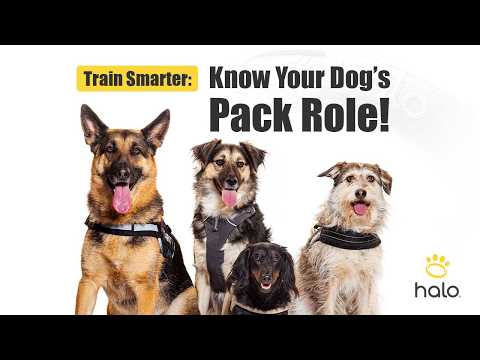
Have you ever wondered why your dog sometimes acts like a leader or prefers to stick close to you and the family? Understanding pack behavior in dogs can unlock the secrets behind their actions and help you build a stronger bond.
When you know how your dog thinks within a group, you can communicate better, reduce stress, and create a happier environment for both of you. Keep reading to discover how pack instincts shape your dog’s behavior and what you can do to bring out the best in your furry friend.
Pack Structure In Dogs
Dogs naturally live in groups called packs. Each pack has a structure that helps keep order.
This structure helps dogs work together and stay safe. Understanding it can explain their behavior.
Alpha And Beta Roles
The alpha dog is the leader of the pack. This dog makes decisions and keeps the group united.
The beta dogs support the alpha. They help keep peace and follow the leader’s rules.
- Alpha leads hunting and protection
- Beta enforces rules and supports alpha
- Betas may become alphas if leader leaves
Hierarchy Dynamics
Dog packs have a clear order from top to bottom. Each dog knows its place in the group.
This order helps reduce fights. Dogs show respect by body language and behavior.
- Higher rank dogs get first food and space
- Lower rank dogs wait and follow commands
- Ranks can change with challenges or age
Social Bonds
Dogs form strong friendships inside the pack. These bonds help with teamwork and safety.
They groom, play, and rest together. These actions build trust and reduce stress.
- Playing builds strong friendships
- Grooming helps with hygiene and bonding
- Resting close shows trust and comfort

Credit: www.dwdogtraining.com
Leadership Traits In Dogs
Dogs live in groups called packs. In these packs, some dogs lead and others follow. Leadership helps keep the pack safe and organized.
Leaders show traits that help them guide the pack. These traits include how they act, make choices, and solve fights.
Dominance Signals
Dominance signals are ways dogs show they are in charge. Leaders use body language and actions to show power.
These signals help avoid fights by making roles clear. Dogs respect these signs to keep peace in the group.
- Standing tall with a raised tail
- Direct eye contact without blinking
- Calm but firm body movements
- Taking the first bite of food
Decision Making
Leaders make choices for the pack. These decisions include where to go and when to rest.
Good leaders watch the environment and act fast. Other dogs follow these decisions to stay safe.
- Choosing safe places to rest
- Leading during hunts or play
- Deciding when to move as a group
- Noticing danger and warning the pack
Conflict Resolution
Leaders help solve fights between dogs. They keep the pack calm and stop fights from growing.
They use calm but strong actions to show control. This helps all dogs feel safe and respected.
- Using firm but calm body language
- Breaking up fights with gentle bites or nudges
- Showing no fear during conflicts
- Encouraging peace through social signals
Loyalty Instincts
Dogs are known for their loyalty. This trait forms part of their pack behavior. Loyalty instincts guide their actions and relationships.
Understanding these instincts helps in building strong bonds. These bonds are essential for a harmonious coexistence.
Bonding With Humans
Dogs form strong bonds with humans. They see their owners as part of their pack. This connection is built through time and care.
- Regular walks strengthen the bond.
- Playing games builds trust and happiness.
- Consistent training fosters understanding.
Protective Behavior
Dogs are naturally protective. They guard their family and territory. This behavior is rooted in their loyalty instincts.
| Behavior | Reason |
| Barking at strangers | Alerting the pack |
| Standing close | Providing comfort |
| Following family members | Ensuring safety |
Cooperation Within The Pack
Dogs exhibit cooperation within their pack. This is crucial for survival and harmony. Each dog plays a role in the pack’s well-being.
Cooperation is seen in:
- Sharing resources
- Supporting each other
- Communicating needs
Communication Within The Pack
Dogs use many ways to talk with each other inside their pack. They share feelings and plans without words. Understanding these signs helps us see how dogs connect.
Communication keeps the pack safe and strong. It helps dogs know who leads and who follows. Let’s look at three main ways dogs communicate in a pack.
Body Language
Body language is the main way dogs talk. They use their tails, ears, eyes, and posture to send messages. A wagging tail can mean happiness or excitement. Raised hackles may show fear or anger.
- Tail wagging shows mood and intentions.
- Ears position signal alertness or calmness.
- Eye contact can be friendly or a challenge.
- Posture shows confidence or submission.
- Facial expressions reveal feelings like stress or joy.
Vocalizations
Dogs use sounds to share messages. Barking can warn the pack or invite play. Growling warns of danger or a threat. Whining asks for attention or shows discomfort.
| Sound | Meaning |
| Bark | Warning, alert, or play invitation |
| Growl | Threat, warning, or guarding |
| Whine | Request for help or discomfort |
| Howl | Long-distance call or pack gathering |
Scent Marking
Scent marking leaves chemical messages for the pack. Dogs use urine or glands to mark territory. These smells tell who is near and the dog’s status in the pack.
Scent marking helps dogs:
- Claim areas as their own
- Identify other pack members
- Show readiness to mate
- Warn outsiders to stay away
Training And Pack Dynamics
Dogs are social animals that live in groups called packs. Understanding pack behavior helps trainers guide dogs well.
Training based on pack dynamics creates respect and order. This approach makes dogs feel safe and secure.
Establishing Leadership
Dogs need a clear leader to follow. This leader sets rules and keeps order in the pack.
Leaders show calm confidence without force. Dogs respect steady and fair guidance.
- Use consistent commands and routines
- Stay calm and firm during training
- Do not allow jumping or biting
- Reward good behavior with praise
Building Trust
Trust between a dog and owner grows with patience and care. Trust helps dogs listen and obey.
Spend time playing and training gently. Dogs learn better when they feel safe and loved.
- Use positive reinforcement like treats
- Speak softly and avoid harsh words
- Practice short training sessions daily
- Be patient with mistakes
Managing Aggression
Aggression can harm pack harmony. It shows fear, stress, or poor training.
Early training and clear rules reduce aggressive behavior. Watch dogs closely and act fast to stop fights.
- Separate dogs that show aggression
- Redirect attention to toys or commands
- Use calm, firm voice to control dogs
- Seek help from a professional trainer if needed

Credit: www.cherryhoggs.com
Impact Of Environment On Pack Behavior
Dogs live in groups called packs. Their behavior changes based on where they live. The environment affects how they act with each other.
This article looks at how pack behavior differs in different places. We explore domestic versus wild settings, group size, and resource availability.
Domestic Vs Wild Settings
In the wild, dogs form packs to hunt and protect each other. They follow strong rules to keep order. Each dog has a clear rank.
At home, dogs live with humans. They do not need to hunt or protect as much. Their pack rules are softer and more flexible.
- Wild packs have strict hierarchy
- Domestic dogs rely on humans
- Wild dogs hunt together
- Domestic dogs share space peacefully
Group Size Effects
Pack size changes how dogs behave. Larger packs have more competition for food and space. This can cause more fights.
Small packs or pairs often show more cooperation. They share resources better and have less conflict.
- Large packs face more competition
- Small packs cooperate more
- Size affects leadership roles
- Group size influences social bonds
Resource Availability
Food and water affect pack behavior a lot. When resources are scarce, dogs may fight more. They protect their share fiercely.
With plenty of resources, dogs are calmer. They spend more time resting and playing. Sharing happens more often in these times.
- Scarce resources cause tension
- Plenty of food reduces fights
- Resources shape pack cooperation
- Access to water is also key

Credit: www.cherryhoggs.com
Frequently Asked Questions
What Is Pack Behavior In Dogs?
Pack behavior in dogs refers to their natural instinct to live and operate within a social group. Dogs follow a hierarchy, communicate through body language, and cooperate for survival and bonding.
How Does Pack Behavior Affect Dog Training?
Pack behavior influences training by emphasizing leadership and clear communication. Establishing yourself as the pack leader helps your dog listen and follow commands effectively.
Why Do Dogs Form Packs?
Dogs form packs for protection, social interaction, and coordinated hunting. This behavior stems from their wild ancestors and promotes safety and cooperation.
Can Pack Behavior Cause Aggression In Dogs?
Yes, pack behavior can cause aggression if the hierarchy is challenged. Proper socialization and training help manage dominance and prevent conflicts.
Conclusion
Dogs live naturally in groups called packs. This helps them feel safe and happy. Understanding pack behavior improves your bond with your dog. Dogs learn rules and roles from their pack leaders. You can guide your dog with patience and kindness.
Strong packs have clear communication and trust. Watching your dog’s behavior tells you a lot. Respect their instincts to keep them calm and well-behaved. Remember, your dog sees you as part of their pack. Building trust takes time but is worth every moment.

Emily Barker is the founder of ChillDogLife.com, a space dedicated to helping pup parents discover the best dog products, lifestyle tips, and cozy ideas for happier homes.
A lifelong dog lover, Emily combines her passion for pets with a knack for research to share trusted recommendations on everything from toys and furniture to health and everyday care.
Her goal is simple: to make life easier, stylish, and more joyful for dogs and the people who love them.




