
Have you ever caught your dog sniffing around and then suddenly lifting a leg to pee on something? That’s called marking behavior, and it’s more than just a simple bathroom break.
Understanding why your dog marks can help you manage their actions and keep your home smelling fresh. You’ll discover what drives this behavior, how to recognize it, and effective ways to handle it. Keep reading to learn the secrets behind your dog’s marking habits and take control with confidence.

Credit: www.dwdogtraining.com
Why Dogs Mark
Dogs mark to share messages with other dogs. This behavior is common in many dogs.
Marking helps dogs express feelings and protect their space.
Instinct And Communication
Marking is a natural instinct for dogs. It helps them talk to other dogs without meeting face to face.
They leave scents to show who they are and where they have been.
- It tells other dogs about their age and sex
- It helps dogs find friends or avoid enemies
- Scent marks show if a dog is healthy or strong
Territorial Reasons
Dogs mark to protect their territory. They want other animals to know this area belongs to them.
Marking helps dogs keep strangers away from their home or yard.
- It warns other dogs to stay out
- It helps dogs feel safe in their space
- Territorial marking is stronger in some breeds
Stress And Anxiety
Dogs may mark more when they feel stressed or anxious. It is a way to calm themselves down.
Changes in the environment or new pets can make dogs mark more often.
- Moving to a new home can cause marking
- New animals or people may trigger anxiety
- Marking helps dogs feel more secure
Credit: medium.com
Common Marking Signs
Dogs often mark their territory by leaving scents. This behavior helps them communicate with other dogs.
Understanding marking signs can help you manage your dog's behavior better. Let’s explore some common signs.
Indoor Spraying
Indoor spraying is when dogs urinate inside the home. This is a common marking behavior, especially in new environments.
Dogs may spray on furniture, walls, or even curtains. This is their way of marking their indoor territory.
Outdoor Marking Spots
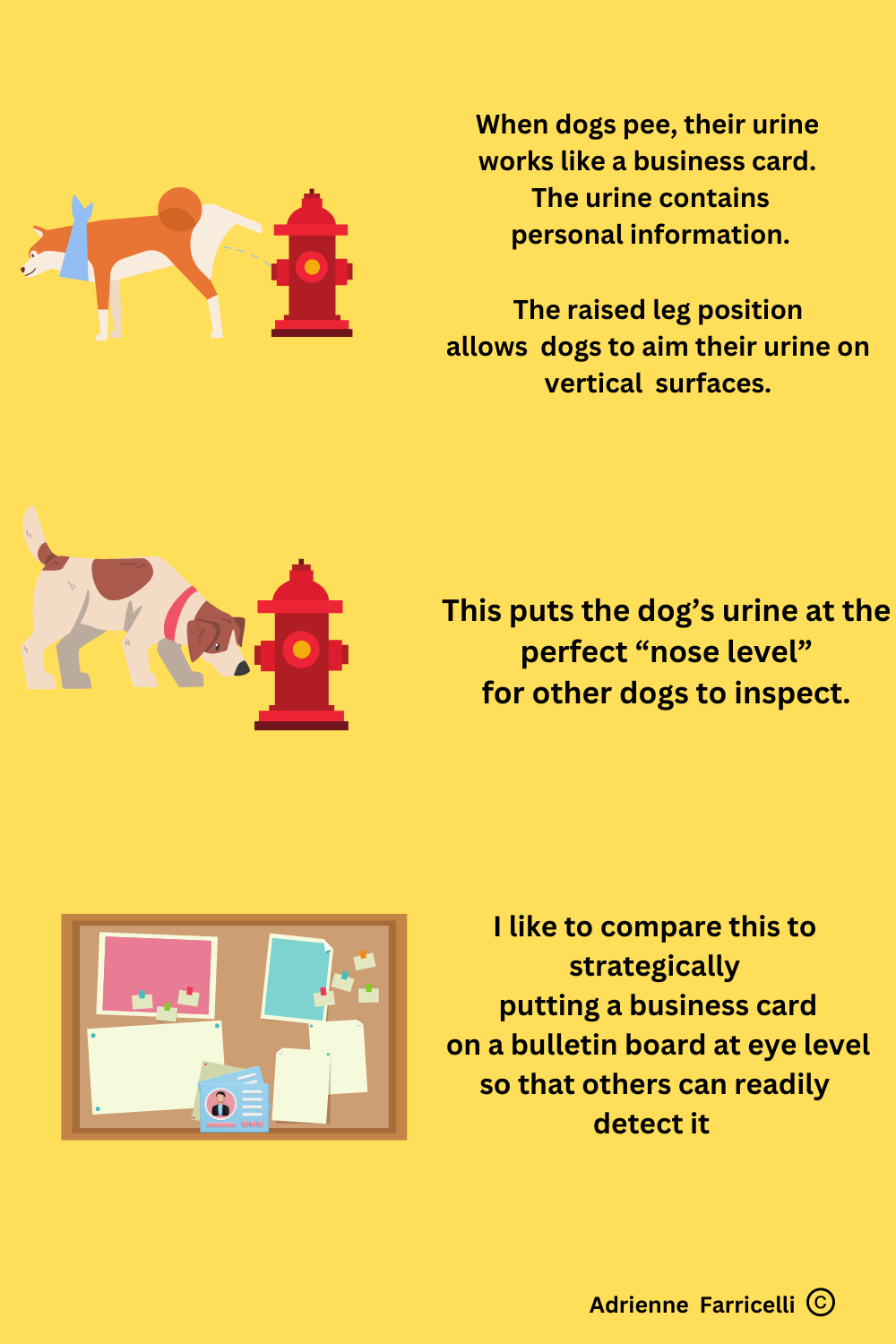
Outside, dogs often mark specific spots. They choose trees, poles, or bushes to leave their scent.
These outdoor spots are strategic. They are usually in places where other dogs pass by frequently.
Behavioral Cues
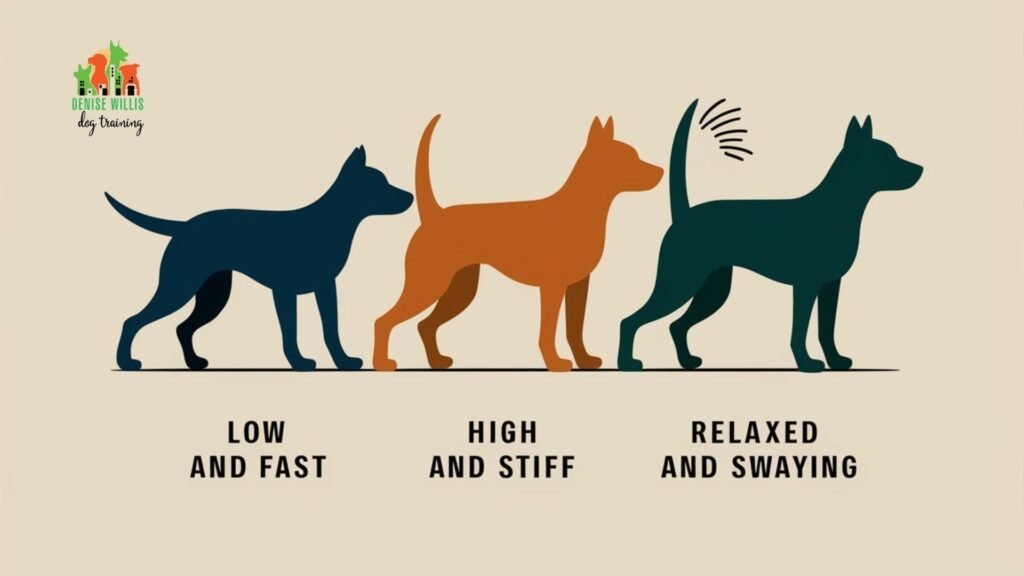
Dogs show certain behaviors when they are about to mark. They may sniff the ground or circle the area.
Some dogs lift their legs to mark vertical surfaces. This is a clear signal of marking behavior.
- Sniffing areas before marking
- Circular movements
- Leg lifting to mark objects
Preventive Measures
Dog marking behavior can be frustrating for owners. Taking steps to prevent it helps keep your home clean. Some methods reduce the urge to mark territory.
Preventive measures focus on health, activity, and routine. These areas lower the chance of marking inside your home.
Spaying And Neutering
Spaying or neutering your dog can reduce marking behavior. It lowers hormones that cause this action. Many dogs stop marking after surgery.
It also helps with other behaviors linked to hormones. Talk to your vet about the best time for the procedure.
Regular Exercise
Exercise lowers stress, which can trigger marking. A tired dog is less likely to mark indoors. Daily walks and playtime help reduce this behavior.
- Walk your dog twice a day for at least 30 minutes
- Play fetch or tug-of-war to burn energy
- Use puzzle toys for mental exercise
- Visit dog parks for social interaction
Consistent Routine
Dogs feel secure with a clear daily routine. Feeding, walking, and bathroom times should stay the same. Routine helps reduce anxiety that causes marking.
| Activity | Recommended Time | Purpose |
|---|---|---|
| Morning Walk | 7:00 AM | Exercise and bathroom |
| Feeding | 8:00 AM and 6:00 PM | Consistent meal times |
| Evening Walk | 7:00 PM | Exercise and bathroom |
| Playtime | After walks | Mental and physical activity |
Training Techniques
Training your dog helps reduce unwanted marking behavior. Consistent methods build good habits.
Use gentle, clear techniques to guide your dog. Patience is key to lasting change.
Positive Reinforcement
Reward your dog when it marks outside the house or does not mark inside. Praise and treats work well.
- Give a treat immediately after good behavior
- Use calm, happy voice to praise your dog
- Repeat rewards often at first
- Reduce treats as behavior improves
Redirecting Behavior
Stop your dog before it marks indoors. Take it outside to the correct spot.
Redirecting Tips:
| Action | Purpose |
|---|---|
| Interrupt with a noise | Stops marking immediately |
| Leash your dog | Controls movement |
| Lead outside quickly | Encourages outdoor marking |
| Praise after marking outside | Reinforces good behavior |
Using Commands Effectively
Clear commands help your dog understand what you want. Use short, simple words.
- Choose a command for bathroom breaks, like “Go potty”
- Say the command each time you take your dog outside
- Wait for your dog to respond before giving a reward
- Practice often to build habit
Managing Stress
Stress can cause dogs to mark inside the home. Managing stress helps reduce this behavior. Owners can create calm environments to support their pets.
Understanding ways to make dogs feel safe and relaxed is key. Simple changes can improve their comfort and lower stress levels.
Safe Spaces
Safe spaces give dogs a quiet place to rest. These areas should be free from loud noises and distractions. A cozy bed or crate works well.
- Choose a low-traffic room for the safe space
- Use soft bedding and familiar toys
- Keep the area clean and comfortable
- Allow your dog to enter and leave freely
Calming Products
Calming products can help reduce anxiety in dogs. These items create a soothing effect and promote relaxation.
| Product Type | How It Helps |
| Calming collars | Release calming scents |
| Adaptil diffusers | Spread comforting pheromones |
| Chew toys | Distract and relax dogs |
| Weighted blankets | Provide gentle pressure for calm |
Avoiding Triggers
Dogs mark when they feel stressed by certain triggers. Avoiding these triggers can lower marking behavior.
Common triggers include:
- Strangers entering the home
- Other animals nearby
- Loud noises like fireworks
- Changes in routine or environment
Watch your dog closely and note what causes stress. Remove or reduce these triggers when possible.
Credit: www.dwdogtraining.com
Cleaning And Deterring
Dog marking behavior can cause stains and odors in your home. Cleaning properly helps remove smells that attract dogs back. Deterring your dog from marking stops repeated messes.
This guide covers how to clean marked areas and ways to prevent future marking.
Effective Cleaning Solutions
Use cleaners that break down urine to remove odor and stains. Avoid ammonia cleaners because they smell like urine to dogs.
- Use enzymatic cleaners to break down organic matter
- Blot the area with paper towels before cleaning
- Rinse with water and dry completely
- Test cleaners on a small spot before full use
Scent Deterrents
Certain smells discourage dogs from marking. Use these scents safely around your home to keep dogs away from specific spots.
| Scent | Effect |
| Citrus (lemon, orange) | Repels dogs with strong smell |
| Vinegar | Neutralizes urine odor and deters marking |
| Commercial dog repellents | Formulated to keep dogs away |
| Peppermint oil | Unpleasant for dogs and safe for homes |
Restricting Access
Stopping your dog from reaching marked areas helps prevent repeat marking. Use physical barriers or supervision to control access.
- Use baby gates to block doors and hallways
- Close off rooms where marking happens
- Keep your dog on a leash indoors during training
- Provide a designated outdoor spot for urination
When To Seek Help
Dog marking is normal, but it can cause problems if it happens too often. Knowing when to get help can save your home and reduce stress.
Watch for signs that marking is not just a phase. Early help can fix the issue faster and easier.
Persistent Marking Issues
If your dog marks inside the house regularly, it may be a persistent problem. This can happen even after training and cleaning.
- Marking happens daily or multiple times a day
- Your dog marks on furniture or walls
- Cleaning does not stop the behavior
- Marking increases with new people or pets in the home
- Marking causes damage or strong odors
Veterinary Advice
Some marking is caused by health problems. Your vet can check if your dog has a medical issue.
| Possible Health Issues | Signs to Watch For |
| Urinary tract infection | Frequent urination, pain when peeing |
| Bladder stones | Blood in urine, straining |
| Hormonal imbalance | Changes in behavior, increased marking |
| Stress or anxiety | Restlessness, pacing, excessive licking |
Professional Training Support
A trainer can help with marking by teaching your dog good habits. They use special methods to stop marking.
Training methods may include:
- Positive reinforcement for good behavior
- Redirecting your dog to appropriate spots
- Setting a consistent schedule for bathroom breaks
- Using tools like belly bands or crates
- Behavior modification to reduce anxiety
Frequently Asked Questions
What Causes Dog Marking Behavior In Homes?
Dog marking is caused by territorial instincts and communication needs. Dogs use urine to mark territory and express dominance or anxiety. It can also signal reproductive status or stress, especially in multi-dog households or new environments.
How Can I Stop My Dog From Marking Indoors?
To stop indoor marking, neuter or spay your dog, clean marked areas thoroughly, and provide consistent training. Use positive reinforcement and limit access to previously marked spots. Regular walks and mental stimulation reduce anxiety-driven marking.
Is Marking Behavior Different From Regular Urination?
Yes, marking is small urine spots used for communication, not full urination. Marking targets vertical surfaces like walls or furniture. Regular urination is larger and for bladder relief, usually on the ground.
At What Age Do Dogs Start Marking Behavior?
Dogs can start marking as early as 5 to 6 months old. This behavior often begins during adolescence when hormones increase territorial instincts. Early training helps manage marking before it becomes a habit.
Conclusion
Dog marking behavior is normal but can be managed well. Understanding why dogs mark helps owners respond calmly. Training and patience reduce unwanted marking inside the home. Consistent routines and clear signals guide dogs to better habits. Each dog is different, so observe and adjust your approach.
With care, marking won’t control your daily life. Stay calm and keep working with your dog. Small changes make a big difference over time.

Emily Barker is the founder of ChillDogLife.com, a space dedicated to helping pup parents discover the best dog products, lifestyle tips, and cozy ideas for happier homes.
A lifelong dog lover, Emily combines her passion for pets with a knack for research to share trusted recommendations on everything from toys and furniture to health and everyday care.
Her goal is simple: to make life easier, stylish, and more joyful for dogs and the people who love them.




