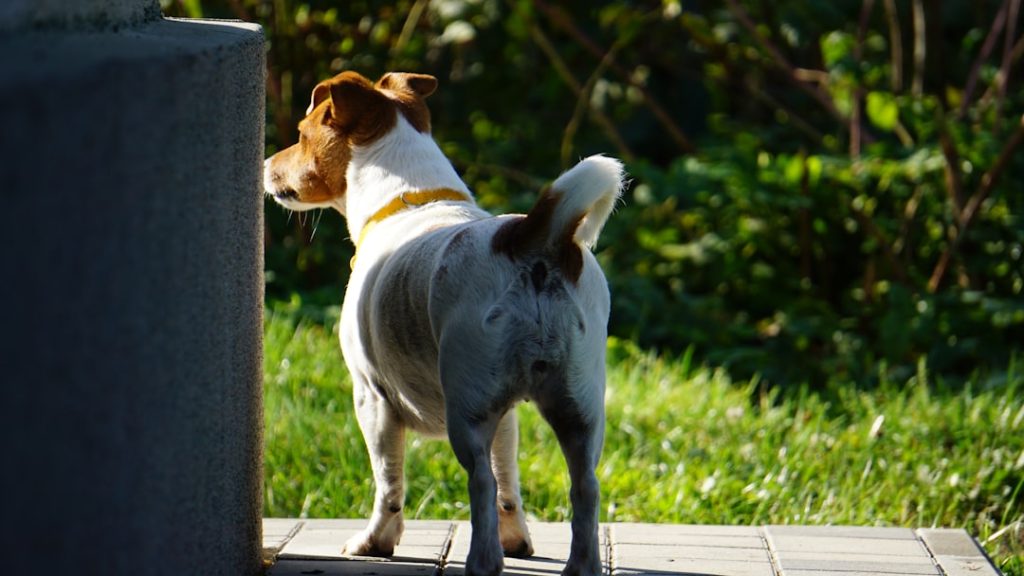
Do you ever wonder what your dog is really thinking or feeling? Understanding your dog’s behavior is key to building a stronger bond and ensuring their happiness and safety.
But how can you tell if your furry friend’s actions are normal or if something needs your attention? That’s where a Dog Behavior Assessment Checklist comes in. This simple tool helps you spot important signs and understand your dog better, so you can respond quickly and confidently.
Keep reading to discover how this checklist can make your life with your dog easier and more joyful.
Key Signs Of Behavioral Issues
Dogs show behavior to communicate how they feel. Sometimes, these behaviors show problems. Recognizing these signs early helps keep dogs safe and happy.
Watch your dog closely. Notice changes in how they act. This guide covers key signs that may mean your dog has behavioral issues.
Aggression Indicators
Aggression can be dangerous for dogs and people. It often shows as growling, snapping, or biting. Dogs may also stiffen their bodies or stare hard.
Look for warning signs that happen before aggression. These include raised fur, baring teeth, or lunging. Early signs help prevent bites or fights.
- Growling or snarling
- Showing teeth
- Sudden lunges or snaps
- Stiff body posture
- Direct, hard staring
Anxiety Symptoms
Dogs with anxiety may act restless or scared. They might pace or hide. Some dogs shake or drool more when anxious.
Anxiety can cause dogs to avoid people or places. They may also bark or whine a lot. These signs show they need comfort or help.
- Pacing or restlessness
- Hiding or avoiding
- Shaking or trembling
- Excessive drooling
- Whining or barking
Excessive Barking
Barking is normal for dogs, but too much can be a problem. It might happen when dogs are bored or scared. It can also mean they want attention.
Excessive barking can annoy people and stress dogs. Watch when and why your dog barks. This helps find the cause and fix the problem.
- Barking without clear reason
- Barking during quiet times
- Continuous or loud barking
- Barking at strangers or noises
- Using barking for attention
Destructive Habits
Dogs may chew, dig, or scratch things too much. This can damage furniture, walls, or yards. Destructive habits often happen from stress or boredom.
Look for signs like torn cushions or scratched doors. These habits can hurt your dog if they swallow harmful items. Help your dog stay calm and busy.
- Chewing furniture or shoes
- Digging holes in the yard
- Scratching doors or walls
- Eating non-food items
- Destroying toys quickly
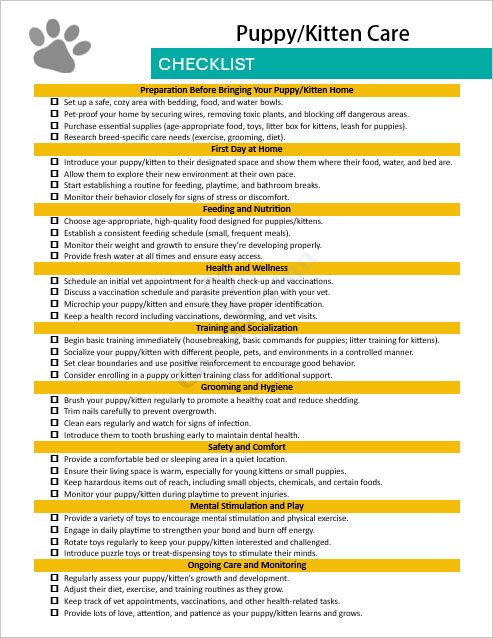
Credit: www.checklistinn.com
Preparing Your Dog For Assessment
Assessing your dog's behavior helps understand their needs. Preparing your dog makes the process smoother and more effective.
Follow these steps to ensure your dog is ready for a behavior assessment. This will help provide accurate results.
Creating A Calm Environment
Your dog should feel relaxed during the assessment. A calm environment reduces stress and anxiety.
- Keep noise levels low
- Use familiar toys or blankets
- Provide a comfortable space for your dog
Gathering Observation Tools
Having the right tools helps you observe your dog’s behavior accurately. This ensures a thorough assessment.
| Tool | Purpose |
| Notebook | Record observations |
| Camera | Capture behavior visually |
| Treats | Encourage positive behavior |
Timing The Assessment
The right timing is crucial for an effective assessment. Choose a time when your dog is most relaxed.
Step-by-step Behavior Checklist
A dog behavior assessment helps understand how a dog acts in different situations. This checklist guides you through key tests to observe your dog.
Each step focuses on a specific area of behavior. Follow these steps carefully to get a clear picture of your dog’s personality.
Social Interaction Tests
Social tests show how a dog reacts to people and other dogs. Watch if your dog is friendly, shy, or aggressive.
Try greeting your dog calmly and see if it wags its tail or hides. Let another calm dog approach to check reactions.
- Approach your dog slowly and speak softly
- Let your dog meet another dog on leash
- Notice if your dog plays, ignores, or growls
- Observe how your dog behaves around strangers
Response To Commands
Testing your dog’s response to commands shows training level and focus. Use simple commands like sit, stay, and come.
Give a command clearly and wait for your dog to respond. Reward good responses with praise or treats.
- Say “sit” and see if your dog sits quickly
- Ask your dog to “stay” for a few seconds
- Call your dog with “come” and watch if it returns
- Check if your dog ignores distractions during commands
Reaction To New Stimuli
This test shows how your dog reacts to new things. Use objects, sounds, or places your dog has not seen before.
Watch if your dog is curious, scared, or indifferent. This helps understand their confidence level and fear triggers.
- Show your dog a new object like an umbrella or hat
- Play a sudden sound like a whistle or clap
- Take your dog to a new place and watch its behavior
- Note if the dog approaches, hides, or barks
Body Language Signals
Dogs communicate with their bodies. Learn to read signals like tail position, ear movements, and posture.
Recognize signs of stress, happiness, or aggression. This helps you respond to your dog’s needs better.
| Body Signal | Meaning |
|---|---|
| Wagging tail | Happy or excited |
| Tucked tail | Fear or anxiety |
| Raised hackles | Alert or aggressive |
| Relaxed body | Calm and comfortable |
| Stiff posture | Warning or stress |
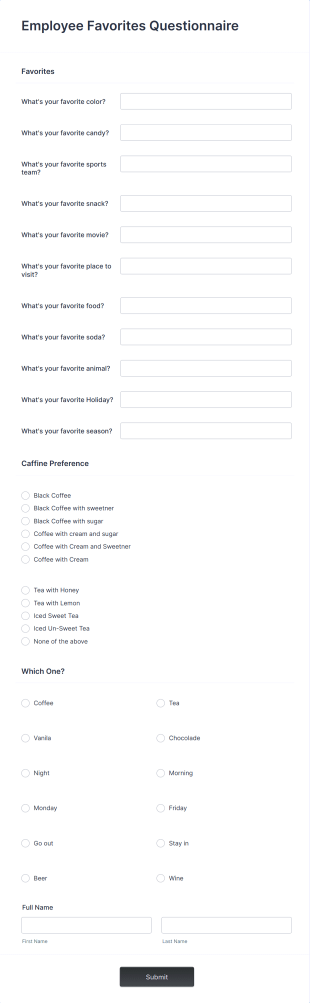
Credit: www.jotform.com
Common Behavior Issues And Causes
Many dogs show certain behaviors that worry their owners. These behaviors often have specific causes. Understanding these can help manage and improve your dog’s actions.
This checklist covers some common behavior problems and what might trigger them.
Separation Anxiety
Separation anxiety happens when a dog feels stressed being alone. Signs include barking, chewing, and trying to escape. This behavior comes from fear of being left behind or lonely.
Dogs with separation anxiety often need gradual training and comfort to feel safe when alone.
Fear-based Reactions
Fear causes many unwanted behaviors. Dogs may growl, hide, or try to run away. Loud noises, new places, or strange people can trigger fear.
- Sudden movements
- Unknown animals or people
- Loud sounds like thunder or fireworks
- Past bad experiences
Helping a fearful dog requires patience and positive experiences to build trust and confidence.
Territorial Aggression
Dogs can act aggressively to protect their space. This behavior shows as growling, barking, or lunging at strangers near their home or yard.
| Trigger | Common Reaction |
| Stranger at the door | Barking and growling |
| Other dogs nearby | Chasing or lunging |
| Unfamiliar sounds | Alert barking |
Proper training and controlled socialization can reduce territorial aggression over time.
Attention-seeking Behaviors
Dogs may act out to get attention. They might bark, jump, or paw at you. This happens if they feel ignored or bored.
Common signs of attention-seeking include:
- Excessive barking or whining
- Jumping on people
- Destructive chewing
- Following you closely
Giving dogs regular playtime and affection helps lower these behaviors.
When To Seek Professional Help
Understanding your dog's behavior is important for a happy home. Some problems need expert attention. Knowing when to get help can save stress for you and your dog.
Professional help can guide you to fix or manage difficult behaviors. This keeps your dog safe and improves your bond. Watch your dog’s signs closely to decide if help is needed.
Recognizing Warning Signs
Warning signs show when your dog may need help from a behavior expert. These signs can include sudden changes or ongoing problems that affect daily life.
- Frequent aggression toward people or animals
- Excessive barking or howling without reason
- Destructive chewing or digging inside the house
- Fearful or anxious behavior that worsens
- House soiling after being trained
- Sudden mood changes or withdrawal
Choosing A Behaviorist
Selecting the right behaviorist is key to helping your dog. Look for someone with good training and real experience with dogs like yours.
- Check certifications in dog behavior or training
- Ask for references or reviews from other dog owners
- Choose a professional who uses positive, reward-based methods
- Find someone who listens and explains clearly
- Ensure they offer a plan that fits your dog’s needs
Treatment Options
Treatment depends on the dog’s problem and may combine several approaches. A good plan improves behavior safely and kindly.
- Behavior modification training to change habits
- Environmental changes to reduce stress triggers
- Use of tools like leashes or crates for safety
- Medication prescribed by a vet for anxiety or aggression
- Regular follow-ups to track progress and adjust plans

Credit: www.jotform.com
Tips For Behavior Improvement
Improving your dog’s behavior takes time and patience. Using clear methods helps your dog learn better habits.
This guide shares simple tips to help change unwanted behaviors and encourage good ones.
Positive Reinforcement Techniques
Praise and rewards help your dog repeat good actions. Positive reinforcement builds trust and motivation.
- Give treats right after good behavior
- Use a happy tone to praise
- Reward small steps toward the goal
- Be consistent with rewards
Consistent Training Routines
Dogs learn best with regular training times. Keep sessions short and clear for better focus.
| Day | Training Focus |
| Monday | Basic commands |
| Wednesday | Leash walking |
| Friday | Social skills |
Environmental Enrichment
Change your dog’s environment to keep it interesting. New toys and challenges reduce bad behaviors caused by boredom.
Try these ideas to enrich your dog’s environment:
- Rotate toys weekly
- Hide treats for your dog to find
- Use puzzle feeders during meals
- Take different walking routes
Tracking Progress Over Time
Tracking your dog’s behavior helps you see how they improve. It also shows if any problems get worse. Keeping records gives a clear picture of their progress.
Use simple notes to mark changes in behavior. This helps you know if your training is working. Tracking also guides you to change your approach if needed.
Recording Behavior Changes
Write down the specific behaviors you observe. Note the date, time, and situation for each change. This helps to track patterns and triggers in your dog’s actions.
- Describe the behavior clearly
- Record when and where it happens
- Note how often it occurs
- Mark any changes from previous records
- Include your dog’s reactions and body language
Adjusting Strategies
Use your notes to see what training methods work best. Change your approach if results are slow or negative. Be patient and try different ways to help your dog learn.
| Strategy | When to Use | Signs to Adjust |
| Positive Reinforcement | Good behavior occurs | Behavior does not improve |
| Ignoring Minor Issues | Attention-seeking acts | Behavior worsens or grows |
| Redirecting Attention | During unwanted behavior | Dog resists or ignores |
| Consistent Commands | Training sessions | Dog seems confused |
Setting Realistic Goals
Set clear and simple goals for your dog’s behavior. Small steps lead to big improvements. Realistic goals help keep you motivated and your dog comfortable.
- Choose one behavior to focus on at a time
- Make goals specific and measurable
- Set short-term and long-term targets
- Celebrate small successes
- Be flexible and update goals as needed
Frequently Asked Questions
What Is A Dog Behavior Assessment Checklist?
A dog behavior assessment checklist helps identify your dog’s temperament and reactions. It tracks behaviors like aggression, fear, and sociability. This tool aids in training and managing your pet effectively. It ensures safety for both dogs and people around them.
How Do I Use A Dog Behavior Assessment Checklist?
Observe your dog in various situations and note behaviors. Record responses to stimuli like strangers, other dogs, and noises. Use the checklist to spot patterns and triggers. This helps in creating targeted training plans for better behavior.
Why Is Assessing Dog Behavior Important?
Assessing dog behavior prevents accidents and misunderstandings. It helps identify stress signals and aggression early. Proper assessment improves training outcomes and strengthens your bond. It also ensures your dog’s well-being and social adaptability.
Can A Checklist Detect Behavior Problems Early?
Yes, a checklist highlights unusual or problematic behaviors promptly. Early detection allows for timely intervention and training. This reduces the risk of behavior worsening or causing harm. It promotes a happier, healthier relationship with your dog.
Conclusion
A dog behavior assessment checklist helps you understand your pet better. It shows your dog’s habits and needs clearly. Use this guide to spot signs of stress or happiness. Regular checks keep your dog healthy and calm. Simple steps make training and care easier.
Pay attention to changes in behavior often. Happy dogs mean happy homes. Keep learning and caring for your dog every day. This checklist is a useful tool for any dog owner. Stay patient and enjoy your time together.

Emily Barker is the founder of ChillDogLife.com, a space dedicated to helping pup parents discover the best dog products, lifestyle tips, and cozy ideas for happier homes.
A lifelong dog lover, Emily combines her passion for pets with a knack for research to share trusted recommendations on everything from toys and furniture to health and everyday care.
Her goal is simple: to make life easier, stylish, and more joyful for dogs and the people who love them.




