Have you ever wondered if a prong collar might hurt your dog? If you’re considering using one or just curious about how it works, it’s important to understand the truth behind this tool.
You want what’s best for your furry friend, and knowing the facts can help you make the right choice. Keep reading to discover how prong collars affect dogs, what experts say, and whether this training tool is safe for your pet.
Your dog’s comfort and well-being matter, and this article will help you protect both.

Credit: hermsprengerusa.com
What Is A Prong Collar
Understanding what a prong collar is can help you decide if it’s right for your dog’s training. Many owners wonder about its purpose and how it works before choosing it as a tool. Let’s break down the design and common uses of a prong collar so you know exactly what you’re dealing with.
Design And Function
A prong collar looks like a chain with metal links that have small, blunt prongs facing inward. These prongs gently pinch the dog’s neck when the leash is pulled.
The collar tightens evenly around the neck, mimicking the pressure a mother dog uses when correcting her puppies. This design aims to get your dog’s attention without causing injury.
Have you ever noticed how your dog reacts to pressure? The prong collar uses that reaction to guide behavior, not to harm.
Common Uses
Prong collars are often used in training dogs that pull hard on the leash or display stubborn behavior. Many trainers recommend them for strong, large breeds that need extra control.
They can be effective tools during walks, helping dogs learn to walk calmly beside you. However, they should always be used with proper knowledge to avoid misuse.
Are you prepared to use this tool responsibly to improve your dog's behavior without causing discomfort?
How Prong Collars Affect Dogs
Prong collars can cause discomfort if used incorrectly, pressing sharp points against a dog’s neck. Proper fit and gentle use reduce the chance of pain or injury. Dogs may react negatively if the collar causes sudden pressure or fear.
How Prong Collars Affect Dogs Prong collars are controversial in dog training. They consist of metal links with prongs facing inward. Some believe they offer control, while others see them as harmful. Understanding their impact on dogs is crucial. Let’s explore their physical and behavioral effects.Physical Impact
Prong collars can cause discomfort. The prongs press into the dog’s neck. This pressure might lead to pain or injury. Skin irritation can occur, especially with prolonged use. In severe cases, they may cause neck injuries. It’s essential to use them cautiously.Behavioral Responses
Dogs might show fear or anxiety with prong collars. The discomfort can create negative associations. This might lead to aggression or withdrawal. Some dogs become more anxious during walks. Their behavior can change as they try to avoid the collar’s pressure. Proper training is vital to prevent adverse effects.Arguments Supporting Prong Collars
Prong collars often spark debate about their effect on dogs. Many trainers and dog owners support their use for specific reasons. These collars, when used correctly, offer distinct advantages in dog training and safety. Understanding these arguments helps clarify why some still choose prong collars.
Training Benefits
Prong collars provide clear and consistent feedback to dogs. They mimic a natural correction similar to a mother dog’s bite. This helps dogs learn commands quickly and effectively.
These collars reduce pulling during walks. They distribute pressure evenly around the dog’s neck. This prevents injury compared to choke chains or harsh jerks.
Prong collars help control strong or large dogs. They give handlers more control without excessive force. This leads to better behavior and safer interactions.
Safety Considerations
Proper fitting is crucial for safety with prong collars. A well-fitted collar should sit high on the dog’s neck. It must not be too tight or too loose.
Using the collar correctly prevents pain or injury. Gentle, short corrections guide the dog without harm. Training sessions should be calm and positive.
Prong collars can protect dogs in dangerous situations. They stop sudden lunges or escapes. This keeps the dog and others safe during walks.
Concerns And Risks
Prong collars raise many concerns about the safety and well-being of dogs. Owners worry about both physical and emotional harm caused by these collars. Understanding the risks helps make better choices for dog training tools.
Potential For Injury
Prong collars have metal points that press into the dog’s neck. If used incorrectly, they can cause bruises or cuts. Harsh pulls may damage the trachea or soft tissues. Small dogs and puppies face higher injury risks. Proper fit and gentle use reduce harm but do not eliminate risk. Regular checks for signs of injury are important for any dog wearing a prong collar.
Emotional Stress
Dogs can feel scared or anxious from the sharp pressure. Some develop fear of walks or leash training. Stress can lead to aggressive or withdrawn behavior. The collar may create negative associations with training time. Positive reinforcement methods often cause less emotional harm. Observing your dog’s reaction helps spot stress early and adjust training accordingly.
Alternatives To Prong Collars
Prong collars often raise concerns about causing pain or discomfort to dogs. Many pet owners prefer gentler options that protect their dogs‘ well-being. Several effective alternatives exist that focus on kindness and clear communication. These choices help train dogs without using force or intimidation. They encourage good behavior through trust and positive experiences.
Positive Reinforcement Tools
Positive reinforcement is a gentle way to teach dogs new skills. It rewards good behavior instead of punishing bad actions. Treats, praise, and toys work well as motivators. Clicker training is a popular method that uses a small sound device. It marks the exact moment the dog does something right.
- Use treats to reward sitting, walking nicely, or staying calm.
- Offer verbal praise to build confidence and connection.
- Try clicker training for clear communication and faster learning.
This approach reduces stress and builds a strong bond. Dogs learn to respond happily and willingly. Training sessions become enjoyable for both owner and pet.
Other Training Devices
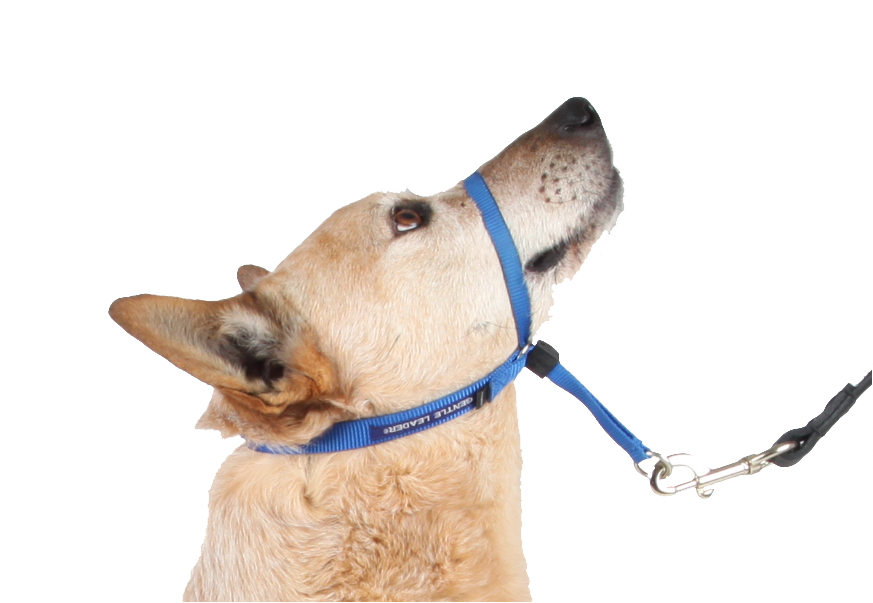
Several tools provide control without causing harm. Harnesses with front clips gently steer dogs without choking. Head halters guide the dog’s head to reduce pulling. These devices distribute pressure safely across the body.
- Front-clip harnesses stop pulling by redirecting motion.
- Head halters offer gentle control of the dog’s direction.
- Regular collars with ID tags remain useful for identification.
Choosing the right device depends on the dog’s size and behavior. Each tool helps maintain control without pain. They support effective training and comfortable walks.

Credit: www.aol.com
Expert Opinions On Prong Collars
Understanding expert opinions on prong collars can help you decide if this tool is right for your dog. Opinions vary widely, reflecting different experiences and priorities. Let’s look closely at what veterinarians and professional trainers say about these collars and the potential impact on your dog’s well-being.
Veterinarian Perspectives
Many veterinarians express concern about prong collars because of the physical risks involved. These collars apply pressure around the neck, which can cause bruising, pain, or even injury if used improperly.
That said, some vets acknowledge that when used carefully and for short periods, prong collars might help in specific training situations. They emphasize the importance of professional guidance to avoid harm.
Have you noticed any signs of discomfort in your dog during walks? Vets often advise monitoring your pet closely and discontinuing use if you see stress or pain.
Professional Trainer Views
Professional trainers often have a more nuanced view based on their hands-on experience. Some trainers argue that prong collars, when used correctly, can be effective tools for managing strong or reactive dogs.
They stress the importance of proper fit and timing—using the collar to communicate clear, consistent signals rather than punishment. Trainers often pair prong collars with positive reinforcement to create a balanced approach.
Still, many trainers prefer alternative methods and tools, especially for novice owners. Would you feel confident handling a prong collar in a way that keeps your dog safe and calm?
Proper Use And Safety Tips
Using a prong collar safely requires attention to detail and respect for your dog’s comfort. Misuse can lead to pain or injury, but the right approach helps make training effective and humane. Let’s look at how to fit the collar properly and apply training techniques that protect your dog’s well-being.
Fitting The Collar Correctly
The collar should sit high on your dog’s neck, just behind the ears. This placement gives you more control without causing unnecessary pressure on the throat. Make sure it fits snugly but not too tight—your dog should be able to move comfortably without the collar slipping off.
Check the prongs regularly for even spacing and ensure none are digging into the skin. If you notice red marks or irritation, adjust the fit immediately. Remember, a well-fitted collar prevents discomfort and reduces the risk of injury during training.
Training Techniques
Use the prong collar as a communication tool, not a punishment device. Apply gentle, quick pressure to signal your dog, then release immediately to avoid constant pressure. Timing is key here—your dog learns best when the correction is clear and brief.
Pair collar use with positive reinforcement like treats or praise. This helps your dog associate commands and corrections with good outcomes. Have you ever noticed how a quick cue followed by a reward makes training more successful? This approach builds trust instead of fear.
Always supervise your dog when using the prong collar and never leave it on unsupervised. This prevents accidental injury and shows that you are in control of the training process. How would you feel if a tool designed to help caused discomfort simply because it wasn’t used right?
Credit: companionveterinaryhospital.com
Legal And Ethical Considerations
Understanding the legal and ethical aspects of using a prong collar is crucial before deciding if it’s right for your dog. These considerations vary widely depending on where you live and your personal views on animal treatment. You need to weigh not just the laws but also the moral responsibilities of ensuring your dog’s well-being.
Regulations In Different Regions
Some places have strict laws regarding prong collars, while others allow them with few restrictions. In certain countries and states, prong collars are banned outright due to concerns about animal cruelty. Elsewhere, they may be legal but only recommended for use by professional trainers.
For example:
- Germany:Prong collars are prohibited under animal protection laws.
- United Kingdom:Their use is not banned but discouraged, especially by animal welfare organizations.
- United States:Regulations vary by state and city; some allow them with guidelines, others restrict them.
Check your local laws carefully before using a prong collar. Ignorance can lead to fines or legal trouble. Plus, knowing the regulations helps you respect community standards and protect your dog.
Animal Welfare Concerns
Many animal experts argue that prong collars can cause pain, fear, and anxiety in dogs. The sharp metal points might lead to injuries if misused, such as skin damage or muscle pain. This raises ethical questions about whether the potential harm outweighs the training benefits.
Think about your dog’s comfort and trust. Would you want to wear something that pricks or hurts every time you make a mistake? Training tools should help build a positive bond, not create fear or discomfort.
Some trainers recommend alternatives like positive reinforcement or gentle head halters. These methods avoid pain and often lead to better long-term behavior. How does your training approach reflect your values about kindness and respect for your dog?
Frequently Asked Questions
Does A Prong Collar Cause Pain To Dogs?
A prong collar can cause discomfort if misused. Proper fitting and training techniques minimize pain. It’s designed to mimic a mother dog’s corrective bite, providing control without injury when used correctly.
How To Use A Prong Collar Safely On Dogs?
Use a prong collar snugly but not too tight, positioning it high on the neck. Always combine it with positive reinforcement. Avoid jerking or constant pressure to prevent harm and ensure humane training.
Are Prong Collars Better Than Traditional Collars?
Prong collars offer more control for strong or reactive dogs. They provide immediate feedback, unlike traditional collars. However, they require proper use and training knowledge to avoid misuse and potential harm.
Can Prong Collars Cause Long-term Damage?
Improper use of prong collars can lead to neck injuries or behavioral issues. Correct use under guidance prevents long-term damage. Regular monitoring ensures the dog’s safety and comfort during training.
Conclusion
Prong collars can cause discomfort if used incorrectly. Proper fit and gentle handling matter most. They are not meant for constant wear or harsh training. Many dogs respond well when owners use them carefully. Always watch your dog’s reaction closely.
Choosing the right tool helps keep training safe and kind. Understanding how prong collars work reduces risks. Training with patience and respect brings the best results.

Emily Barker is the founder of ChillDogLife.com, a space dedicated to helping pup parents discover the best dog products, lifestyle tips, and cozy ideas for happier homes.
A lifelong dog lover, Emily combines her passion for pets with a knack for research to share trusted recommendations on everything from toys and furniture to health and everyday care.
Her goal is simple: to make life easier, stylish, and more joyful for dogs and the people who love them.




