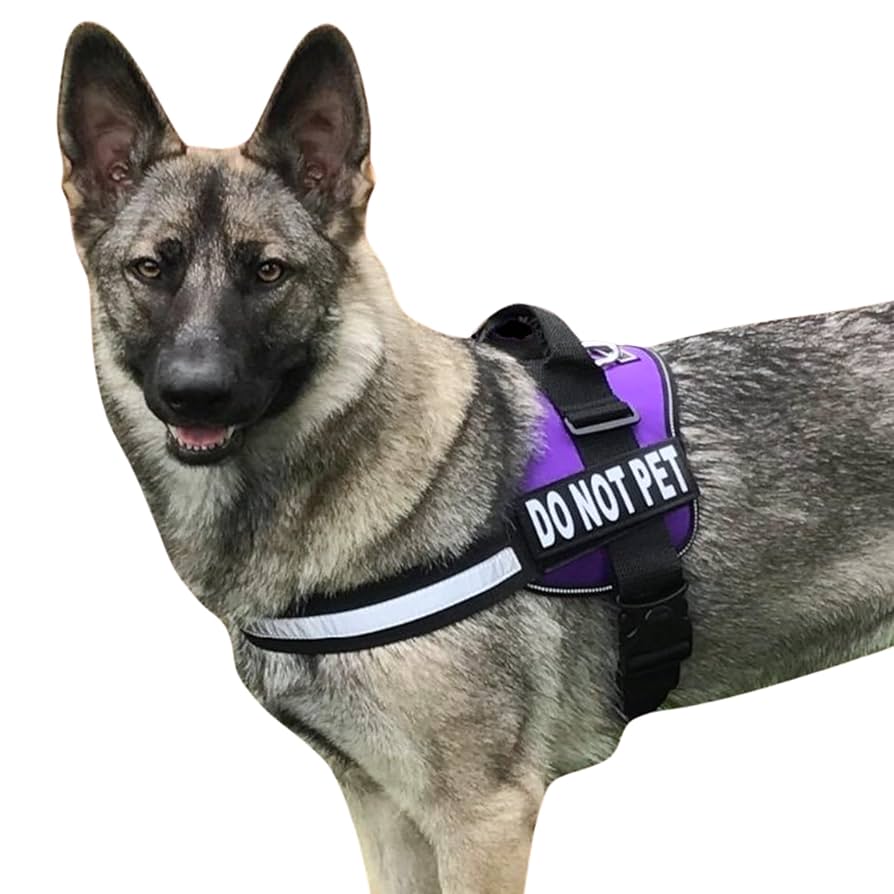
Have you ever seen a dog wearing a harness with a clear sign that says, “Do Not Pet”? It might feel natural to reach out and give them a friendly pat, but that simple action could cause stress or even danger to the dog and you.
Understanding why some dogs need this special message is key to keeping both of you safe and happy. Keep reading to discover what “Do Not Pet Dog Harness” really means and how you can respect these important signals. Your next encounter with a dog could be much smoother and safer with this knowledge.

Credit: www.amazon.com
Why Avoid Petting Dogs In Harness
Many dog owners wonder why they should avoid petting dogs wearing a harness. Dogs in harnesses often feel different than usual. Petting them at this moment can confuse or stress them. Understanding this helps keep both dogs and people safe during walks or training.
How Harnesses Affect Dog Behavior
A harness changes how a dog moves and feels. It gives more control over the dog’s body. This control can make dogs feel restricted or uneasy.
Dogs may focus more on walking or pulling than on people around them. They might ignore friendly touches or react oddly. Some dogs become more alert or tense. Others might try to pull away or freeze.
Risks Of Distracting A Harnessed Dog
Petting a dog in a harness can distract it from important signals. The dog may suddenly jerk or twist. This can cause injury to the dog or the handler.
Distraction can lead to:
- Loss of control during walks
- Startled or fearful reactions
- Increased pulling or lunging
- Accidents near roads or busy places
Respecting a dog’s focus while harnessed helps avoid these risks. It creates a safer, calmer experience for everyone.
Signs A Dog Feels Uncomfortable
Recognizing the signs that a dog feels uncomfortable is key when using a Do Not Pet Dog Harness. These harnesses often signal to strangers that your dog prefers space, but your dog’s own comfort matters just as much. Watching for subtle signals can help you know when your dog is stressed or uneasy, allowing you to act and keep your pet calm and safe.
Body Language To Watch For
Your dog’s body language tells you a lot about how they feel in the moment. Look for:
- Tense muscles:A stiff body or rigid posture can mean your dog is uneasy.
- Averted gaze:If your dog avoids eye contact, they might be trying to signal discomfort.
- Tail position:A low or tucked tail often means fear or anxiety, while a wagging tail doesn’t always mean they’re happy.
- Raised hackles:The fur along your dog’s back standing up is a clear sign of agitation or stress.
Have you ever noticed your dog suddenly freezing during a walk? That pause could be their way of telling you they’re uncomfortable with the situation or environment.
Common Stress Signals
Stress in dogs often shows through behaviors that might seem small but are very telling. Watch for:
- Yawning or licking lips:These can be calming signals your dog uses when feeling anxious.
- Panting excessively:If your dog pants more than usual, even when not hot or after exercise, it might mean they’re stressed.
- Shaking or trembling:This is a clear sign of fear or discomfort.
- Whining or barking:Vocalizations can be a call for help or a sign of distress.
Next time you put on the Do Not Pet Dog Harness, take a moment to observe these signs. Your dog’s comfort is just as important as the message the harness sends. What small signs does your dog show when they want space?
Safety Precautions For Dog Owners
Ensuring your dog’s safety is crucial when using a Do Not Pet dog harness. These harnesses are designed not only to protect your dog but also to communicate boundaries to others. Taking the right precautions helps prevent accidents and keeps your dog comfortable and secure during walks or outings.
Choosing The Right Harness
Not every harness suits every dog. Consider your dog’s size, breed, and behavior before making a choice. A harness that’s too tight can cause discomfort, while one that’s too loose might let your dog slip out.
Look for materials that are durable yet gentle on your dog’s skin. Some harnesses have padded straps to prevent chafing, which is especially important for dogs with sensitive skin. Reflective strips add extra visibility during evening walks—have you checked if your harness has these features?
Proper Fitting Techniques
Proper fitting is key to your dog’s safety. A harness should sit snugly but allow you to fit two fingers between the harness and your dog’s body. This ensures the harness is secure without restricting movement or breathing.
Adjust all straps evenly to avoid pressure points. Watch your dog’s behavior closely during the first few uses; signs of discomfort or irritation mean the fit needs tweaking. Remember, a well-fitted harness can prevent injury and make your dog feel more at ease.
When To Use A Harness
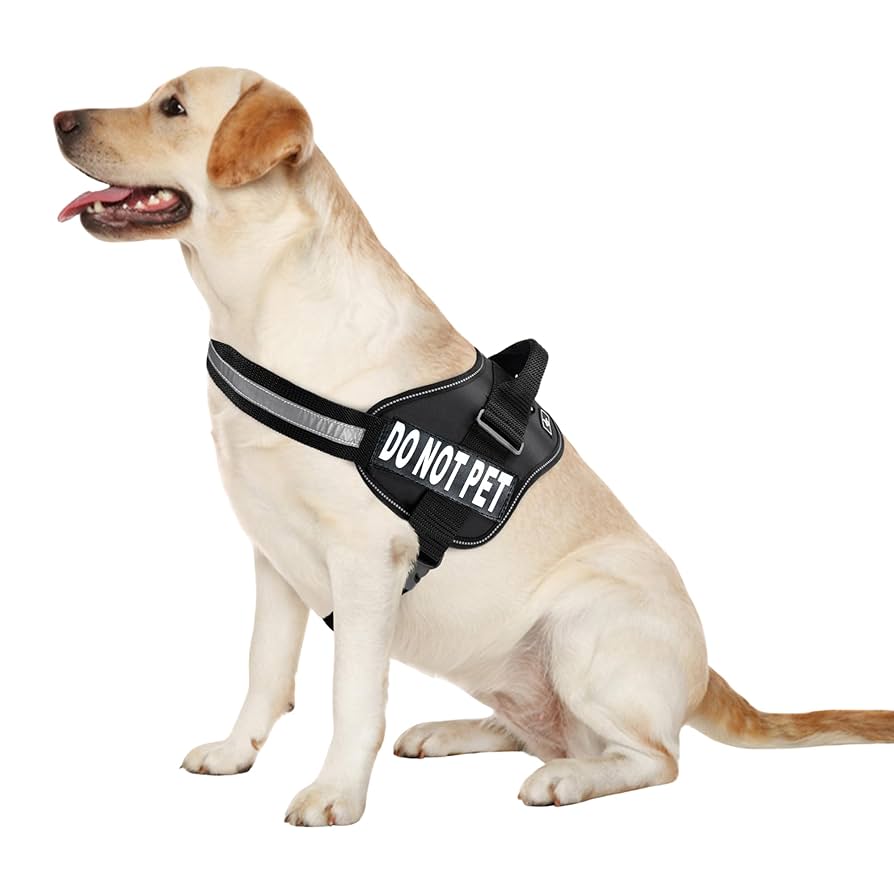
Knowing when to use a Do Not Pet harness can make all the difference. Use it during walks in busy areas or places where your dog might encounter strangers. The “Do Not Pet” message helps protect your dog from unwanted attention, reducing stress and potential harm.
A harness is also useful during training or vet visits when control is essential. If your dog is anxious or reactive, the harness can give you better control and keep everyone safe. Ask yourself: is your dog in a situation where clear communication about their boundaries is needed?
Credit: www.amazon.com
Training Tips To Manage Harnessed Dogs
Training a dog to stay calm while wearing a harness requires patience and clear techniques. The goal is to help your dog accept the harness without stress. This makes walks safer and more enjoyable for both of you. Consistent training builds trust and good behavior.
Desensitizing To Harness And Touch
Start by letting your dog see and sniff the harness. Offer treats to create a positive link. Gently touch your dog where the harness will fit. Do this several times daily. Slowly put the harness on for a few seconds. Remove it and reward your dog. Repeat this until your dog stays calm. This helps your dog accept the harness without fear.
Teaching Calm Behavior
Encourage your dog to sit or lie down before putting on the harness. Use a calm voice and soft petting. Reward your dog when it stays still. Practice walking short distances with the harness. Stop and praise your dog when it is calm. Avoid pulling or rushing. This teaches your dog that calmness brings rewards. Over time, your dog will learn to relax while harnessed.
How To Educate Others About Harness Safety
Teaching others about harness safety protects your dog and keeps everyone safe. Many people do not understand the importance of respecting a “Do Not Pet” dog harness. Clear communication helps prevent unwanted interactions and stress for your pet.
Sharing simple rules and signals makes it easier for visitors and strangers to follow your dog’s needs. Awareness reduces risks and creates a calm environment for your dog.
Guiding Visitors And Strangers
Explain to visitors why your dog wears a “Do Not Pet” harness. Use simple words to describe how it keeps your dog safe and comfortable.
Ask guests to wait for your permission before approaching your dog. Encourage them to respect your dog’s space at all times.
Show gentle ways to greet your dog if allowed, such as offering a hand to sniff first. This helps build trust and avoids sudden movements.
Using Signs And Visual Cues
Place clear signs on the harness that say “Do Not Pet.” Bright colors and bold letters make the message easy to see.
Use visual cues like flags or patches to signal your dog’s needs. These help strangers understand without needing explanations.
Keep signs simple and direct. Avoid clutter or small text that is hard to read from a distance.
Regularly check signs for wear and replace them to keep visibility high.

Credit: www.amazon.com
Alternatives To Petting During Walks
Finding alternatives to petting during walks can enhance your dog’s experience without overwhelming them. Some dogs may feel anxious or distracted by too much physical contact while on a leash. Offering different ways to connect can keep your walks enjoyable and reinforce good behavior.
Verbal Praise And Rewards
Using your voice effectively can be just as rewarding for your dog as petting. Try praising your dog with clear, upbeat words like “good job” or “well done” when they walk calmly or follow commands.
Pair verbal praise with treats or small rewards to make the connection stronger. This encourages your dog to focus on your cues instead of seeking physical touch. Have you noticed how your dog responds differently to a cheerful tone versus a neutral one?
Interactive Toys And Games
Bringing along a favorite toy can shift your dog’s attention during walks. Tug ropes or small balls offer a fun distraction that keeps your dog engaged without needing physical petting.
Games like fetch or quick training sessions with toys turn walking time into interactive play. This approach helps your dog burn energy and stay mentally stimulated, making the walk more fulfilling for both of you.
Frequently Asked Questions
Why Use A “do Not Pet” Dog Harness?
A “Do Not Pet” harness helps communicate that your dog needs space. It’s essential for dogs in training or with anxiety. This helps prevent unwanted interactions and keeps your dog calm. Such harnesses are useful for service dogs too, ensuring they remain focused on their tasks.
Who Benefits From A “do Not Pet” Harness?
Dogs with anxiety, training requirements, or specific working roles benefit most. Owners of reactive dogs use it to signal that their pet needs space. It helps in controlling interactions, ensuring the dog’s comfort and safety. This harness is crucial in managing social interactions in public spaces.
How Does A “do Not Pet” Harness Work?
The harness clearly displays a message that discourages petting. It uses bold lettering to communicate the need for space. Passersby can easily understand the message, reducing the chance of unwanted interactions. This ensures the dog’s and public’s safety, offering peace of mind to the owner.
Are “do Not Pet” Harnesses Suitable For All Dogs?
Not all dogs need a “Do Not Pet” harness. It’s ideal for anxious, reactive, or working dogs. Assess your dog's behavior and environment needs before choosing. Regular pets with no specific behavioral issues may not require such a harness. Always prioritize the dog’s comfort and communication needs.
Conclusion
Choosing the right dog harness matters a lot for your pet’s comfort. Avoid harnesses that cause pain or restrict movement. A well-fitted harness keeps your dog safe and happy. Always watch your dog’s behavior while using a harness. Comfort and safety should guide your choice every time.
Small changes can make walks more enjoyable for both of you. Remember, a good harness helps build trust and control. Keep your dog’s best interest at heart with every decision.

Emily Barker is the founder of ChillDogLife.com, a space dedicated to helping pup parents discover the best dog products, lifestyle tips, and cozy ideas for happier homes.
A lifelong dog lover, Emily combines her passion for pets with a knack for research to share trusted recommendations on everything from toys and furniture to health and everyday care.
Her goal is simple: to make life easier, stylish, and more joyful for dogs and the people who love them.




