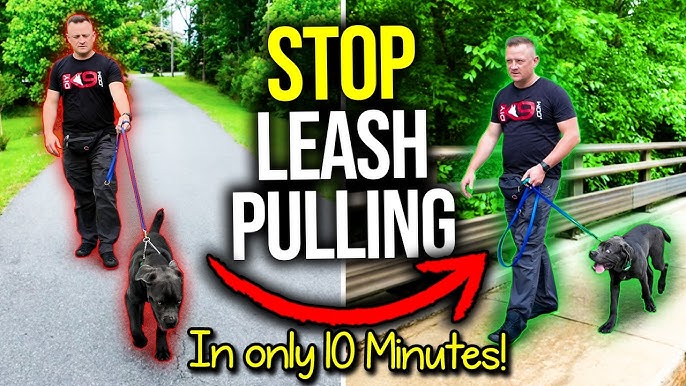
Is your dog tugging so hard on the leash that walks feel more like a workout for you? If you’re tired of being pulled every time you step outside, you’re not alone.
The good news is, you can teach your dog to walk calmly by your side. Imagine enjoying peaceful strolls without the strain or frustration. You’ll discover simple, effective steps that make leash pulling a thing of the past. Keep reading to find out how you can transform your walks and strengthen the bond with your furry friend.

Credit: www.reddit.com
Why Dogs Pull On Leash
Understanding why your dog pulls on the leash is the first step to changing this behavior. Dogs don’t pull to annoy you—they have reasons that often relate to their instincts and experiences. When you know these reasons, you can work smarter, not harder, to teach your dog better leash manners.
Common Causes
Many dogs pull simply because they are excited to explore the world. The sights, sounds, and smells during a walk can be overwhelming and fascinating. Your dog might pull to get closer to another dog, a person, or a tempting scent.
Sometimes, pulling happens because dogs haven’t learned how to walk calmly on a leash yet. Younger dogs or those new to leash walking often don’t understand the rules and see the leash as a tool to move faster.
- High energy levels that need an outlet
- Lack of leash training or inconsistent commands
- Distraction by stimuli around them
Have you noticed if your dog pulls more in certain places? Identifying these hotspots can help you manage the situation better.
Behavioral Reasons
Pulling can also be a learned behavior. If your dog pulls and reaches what they want, they learn that pulling works. This is called positive reinforcement, even though it’s frustrating for you.
Some dogs pull out of anxiety or fear. Walking on a leash might feel restrictive, making them want to escape or move away quickly. Others pull because they haven’t been taught an alternative way to express their excitement or curiosity.
Think about how your dog behaves when you stop pulling back on the leash. Do they keep pulling, or do they slow down? Your reaction teaches them what is acceptable.
By recognizing these causes, you’re better equipped to change your dog’s pulling habits effectively. What small change can you make today to improve your walks together?
Choosing The Right Equipment
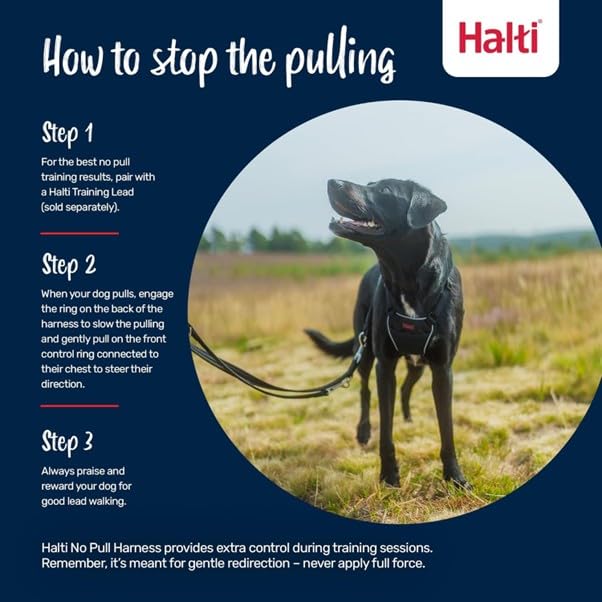
Selecting the right collar or harness helps control your dog’s pulling. A well-fitted harness reduces strain and improves walking comfort. Proper equipment supports better leash training and safer walks.
Choosing the right equipment is crucial to stop your dog from pulling. The right gear makes walks more enjoyable and less stressful. It ensures better control and reduces strain on both you and your dog.Harness Types
Different harness types serve different purposes. A front-clip harness is popular for reducing pulling. It attaches at the chest, directing your dog back towards you. This discourages forward pulling and gives you better control. Another option is the back-clip harness. It attaches at the top, providing comfort but less control. Choose based on your dog’s pulling habits and comfort.Leash Options
Leashes come in various styles and lengths. A standard leash, around 4 to 6 feet, offers the best control. It keeps your dog close, reducing the chance of pulling. For more training control, consider a shorter traffic leash. It offers a firm grip in crowded areas. Avoid retractable leashes for pullers. They encourage pulling by allowing too much freedom.Basic Training Techniques
Training your dog to stop pulling on the leash starts with simple, clear techniques that anyone can apply. These basic training methods build the foundation for better walks and a stronger bond with your dog. You’ll see how consistency and patience can turn your daily walks into enjoyable experiences.
Teaching Loose Leash Walking
Loose leash walking means your dog stays close without pulling ahead or lagging behind. Begin by choosing a quiet spot with minimal distractions to help your dog focus. Hold the leash with a little slack and encourage your dog to walk beside you.
When your dog pulls, stop walking immediately. Wait until the leash relaxes before moving again. This teaches your dog that pulling won’t get them anywhere faster.
Try changing directions suddenly during the walk. This keeps your dog attentive to your movements and reduces pulling out of habit. How often do you think about your dog’s perspective during a walk?
Using Treats And Rewards
Treats are powerful motivators for dogs. Use small, tasty treats to reward your dog when they walk calmly beside you. This positive reinforcement helps your dog link good behavior with rewards.
Give treats frequently at first, then gradually reduce the frequency as your dog improves. Use verbal praise along with treats to make the reward more meaningful. You can even use a clicker if your dog responds well to sound cues.
Remember to keep treats handy and ready during walks. Your dog will learn to watch your cues and stay close, eager for the next reward. What’s your dog’s favorite treat that could make training easier?

Credit: www.amazon.ca
Advanced Training Methods
Advanced training methods can take your dog’s leash skills to the next level. These techniques require patience and consistency but offer powerful results. If basic commands aren’t cutting it, these strategies might be exactly what you need to regain control and make walks enjoyable again.
Stop And Go Technique
This technique is simple yet effective. When your dog starts pulling, stop walking immediately. Stand still and wait until your dog relaxes the leash by stepping back or sitting.
Only move forward when the leash is slack. This teaches your dog that pulling doesn’t get them anywhere. It can be challenging at first, especially if your dog is very eager, but sticking to this helps them learn faster than constant movement.
Try this during your next walk and notice how your dog begins to pay attention to your pace. Have you noticed how quickly a dog learns when the walk stops every time they pull?
Change Direction Strategy
This method keeps your dog guessing and focused on you. When your dog pulls, change direction suddenly and walk the other way. This unexpected move makes your dog pay attention to your movements rather than pulling ahead.
It’s important to be consistent and confident when you change direction. Your dog will start to realize that pulling doesn’t lead them where they want to go.
Try combining this with treats or praise when your dog follows your lead without pulling. How often do you think your dog notices your cues during a walk? This method sharpens their awareness and builds better leash manners quickly.
Handling Different Dog Personalities
Every dog has a unique personality that affects leash behavior. Understanding these traits helps tailor training techniques. Different dogs respond best to specific approaches. Recognizing their energy levels and emotional states improves leash control.
High Energy Dogs
High energy dogs often pull due to excitement or excess energy. They need regular exercise to release their energy before walks. Short bursts of play can calm them before leash training.
Use consistent commands and reward calm walking. Keep sessions short and frequent to hold their attention. Use a front-clip harness to reduce pulling power safely. Patience and firmness help these dogs learn to walk nicely.
Anxious Or Fearful Dogs
Anxious dogs may pull to escape uncomfortable situations. They need gentle, slow introduction to new environments. Use treats and praise to build confidence during walks.
Choose quiet routes to reduce stress triggers. Avoid harsh corrections that increase fear. A calming vest or pheromone spray might help. Focus on positive reinforcement to encourage calm behavior on leash.
Common Mistakes To Avoid
Training a dog to stop pulling on the leash can be tough. Many dog owners make common mistakes that slow progress. Avoiding these errors helps your dog learn faster and makes walks more enjoyable. Here are some frequent mistakes to watch out for.
Using Too Much Force
Pulling hard on the leash can hurt your dog’s neck and frighten them. This can cause resistance and make pulling worse. Use gentle guidance and reward good behavior instead of force.
Inconsistent Commands
Giving different commands confuses your dog. Always use the same words and tone for leash training. Consistency helps your dog understand what you want.
Ignoring Small Progress
Ignoring small wins discourages your dog. Praise and reward even slight improvements. This builds good habits over time and keeps your dog motivated.
Walking Too Fast
Walking too quickly makes it hard for your dog to keep up. Slow down and match your dog’s pace. This encourages calm walking and reduces pulling.
Not Practicing Regularly
Skipping training sessions delays results. Practice leash training daily in short, focused sessions. Regular practice builds strong, lasting habits for your dog.
Maintaining Consistency
Maintaining consistency is key to stopping your dog from pulling on the leash. Dogs learn best with regular routines and clear rules. Consistent training helps your dog understand what is expected. It builds good habits and reduces confusion. Every walk becomes an opportunity to practice and reinforce good behavior.
Consistency also means using the same commands, rewards, and corrections. Mixed signals can make your dog anxious or stubborn. Keeping a steady approach helps your dog feel secure. It makes training faster and more effective. The whole family should stay on the same page to get the best results.
Daily Practice Tips
- Set aside time each day for leash training.
- Use the same commands like “heel” or “easy.”
- Reward your dog immediately for walking calmly.
- Keep training sessions short but frequent.
- Practice in different places to generalize good behavior.
- Stay patient and calm during every walk.
Involving Family Members
- Explain leash training goals to all family members.
- Agree on common commands and rewards.
- Practice walks together to maintain uniform behavior.
- Encourage everyone to use the same leash and collar.
- Share progress updates and challenges regularly.
- Support each other to keep training consistent.
When To Seek Professional Help
Knowing when to ask for professional help can make all the difference in managing your dog’s leash pulling. Sometimes, despite your best efforts, progress stalls or problems worsen. Recognizing these moments early can save you frustration and keep your dog safe and happy.
Signs That Indicate You Need Expert Assistance
If your dog’s pulling escalates to aggressive behavior like lunging, growling, or snapping, it’s time to call in a professional. These behaviors pose risks to you, your dog, and others around you.
Another red flag is when your dog shows extreme fear or anxiety during walks, making training at home ineffective. If your dog refuses to respond to commands consistently, even after weeks of practice, professional guidance can help identify hidden issues.
Choosing The Right Professional Trainer
Look for trainers who use positive reinforcement methods rather than punishment. Trainers certified by reputable organizations often have the skills needed to address leash pulling effectively.
Ask about their experience with dogs similar to yours in size, breed, and temperament. A trainer who understands your dog’s unique needs can tailor their approach for better results.
What To Expect During Professional Training
Professional trainers will assess your dog’s behavior and your handling techniques. Expect a combination of in-person sessions and homework to reinforce training between visits.
They may introduce specialized equipment like front-clip harnesses or head halters and teach you how to use them correctly. This hands-on approach often leads to quicker and more lasting improvements.
How To Maintain Progress After Professional Help
Consistency is key. Keep practicing the techniques learned during training every day, even after your dog shows improvement.
Regular walks and controlled practice sessions help prevent old habits from returning. Remember, your commitment to ongoing training is what sustains positive change.
Credit: www.amazon.ca
Frequently Asked Questions
How Can I Stop My Dog From Pulling On The Leash?
Use consistent training methods like “stop and go” or “change direction. ” Reward your dog for walking calmly. Use proper equipment like a no-pull harness to reduce pulling.
Why Does My Dog Pull So Much On Walks?
Dogs pull due to excitement, curiosity, or lack of training. They want to explore or reach something quickly. Teaching leash manners helps reduce this behavior.
What Type Of Leash Prevents Pulling Best?
A front-clip no-pull harness is most effective. It discourages pulling by redirecting your dog’s movement. Avoid retractable leashes, as they encourage pulling.
How Long Does Leash Training Usually Take?
Leash training varies, but most dogs improve within weeks. Consistency and patience are key. Short daily sessions are more effective than occasional long ones.
Conclusion
Stopping your dog from pulling on the leash takes time and patience. Practice short sessions every day. Use treats and praise to encourage good behavior. Stay calm and consistent in your training approach. Remember, your dog learns best through positive experiences.
Enjoy walks more by making them relaxed and fun. Keep trying, and soon your dog will walk nicely by your side. Small steps lead to big improvements.

Emily Barker is the founder of ChillDogLife.com, a space dedicated to helping pup parents discover the best dog products, lifestyle tips, and cozy ideas for happier homes.
A lifelong dog lover, Emily combines her passion for pets with a knack for research to share trusted recommendations on everything from toys and furniture to health and everyday care.
Her goal is simple: to make life easier, stylish, and more joyful for dogs and the people who love them.




