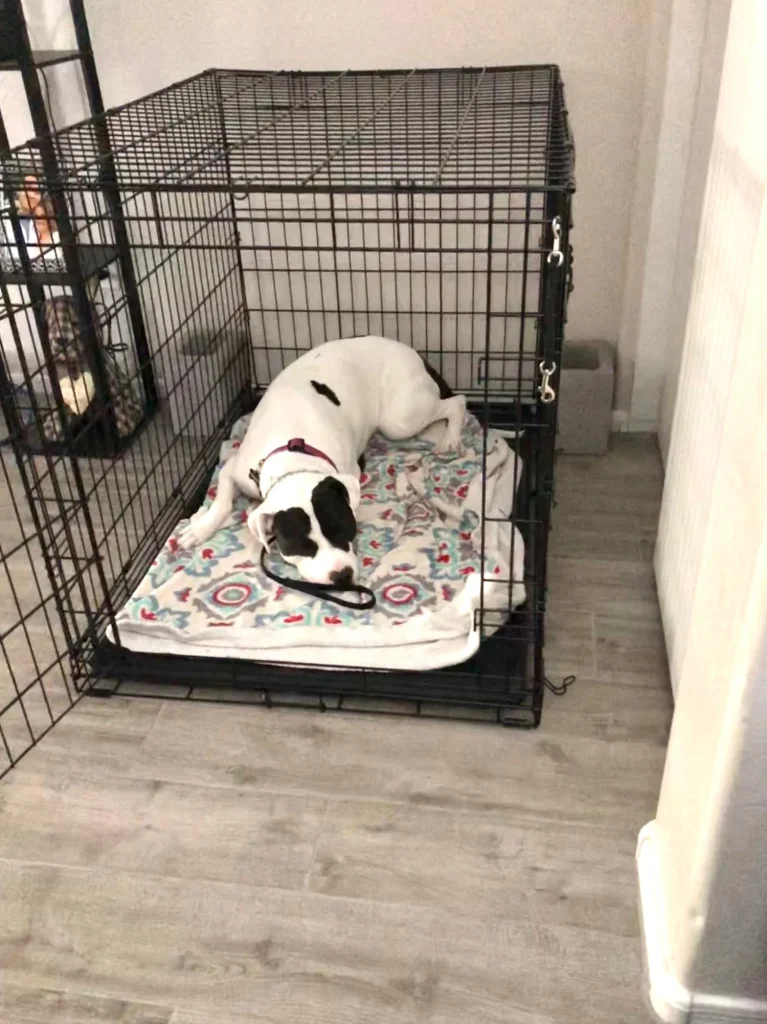
You want the best for your dog, and crate training can be a great tool to keep them safe and comfortable. But how long can you actually leave your dog in a crate without causing stress or harm?
If you’ve ever worried about whether you’re leaving your furry friend in there too long, you’re not alone. Understanding the right crate time is key to keeping your dog happy and healthy. Keep reading to discover the expert advice you need to make the best choice for your pet.
Credit: www.somerzby.com.au
Ideal Crate Time For Puppies
Knowing the ideal crate time for puppies is key to keeping them happy and healthy. Puppies have different needs than adult dogs, and their time in a crate should reflect that. Too long in a crate can lead to discomfort and accidents, while too short might not help with training.
Age-based Limits
Puppies can’t hold their bladders like adults, so their crate time must be shorter. A good rule is one hour per month of age, up to about 4 hours max during the day. For example, a 3-month-old puppy should not be crated for more than 3 hours at a stretch.
Overnight crate time can be a bit longer because puppies tend to sleep more, but you still need to wake them for bathroom breaks. How often do you think your puppy needs to go out at night? It’s usually every 3-4 hours for young pups.
Potty Break Frequency
Potty breaks are not just about bathroom needs; they are also a chance for your puppy to stretch and socialize. Plan to take your puppy out every 2-3 hours during the day. This helps prevent accidents and keeps your puppy from feeling trapped.
Keep a consistent schedule. If you notice your puppy needing more frequent breaks, adjust accordingly. Have you tried timing your puppy’s natural bathroom routine to make crate time smoother?
Signs Of Discomfort
Your puppy will tell you if the crate time is too long by showing signs of stress or discomfort. Look for whining, barking, scratching at the crate, or trying to escape. These are clear signals that your puppy needs a break.
Physical signs like pacing, panting, or restlessness also mean it’s time to open the crate door. Paying attention to these cues helps you balance crate time and your puppy’s well-being. Have you noticed your puppy’s unique ways of asking for attention?
Crate Time For Adult Dogs
Adult dogs should not stay in a crate for more than 4 to 6 hours. Long periods can cause stress and discomfort. Breaks for exercise and bathroom needs are essential for their well-being.
Crate training your adult dog can be a helpful tool for both you and your pet, offering a safe and secure space when needed. However, knowing how long to leave your furry friend in the crate is crucial to their well-being. Let’s explore the ideal crate time for adult dogs to ensure they remain happy and healthy.Maximum Hours Allowed
An adult dog can typically be left in a crate for up to 4-6 hours at a stretch. This timeframe ensures your dog has enough time to rest without feeling confined or neglected. It’s important to remember that every dog is unique, and some may need more frequent breaks.Activity Level Considerations
The amount of time your dog can comfortably stay in a crate often depends on their activity level. High-energy breeds like Border Collies may need more frequent breaks to stretch and exercise. On the other hand, a more laid-back breed like a Bulldog might be content with the standard duration. Consider how active your dog is when planning their crate schedule. A brisk walk or a play session before crating can help balance their energy levels.Rest And Sleep Needs
Adult dogs require around 12-14 hours of sleep daily, which can be spread out in naps throughout the day. A crate can provide a quiet space for these rest periods, but it shouldn’t be the only place they can relax. Ensure your dog has a comfy bed outside of the crate for downtime as well. Think about your dog’s sleep habits. Are they prone to napping after meals or during a particular time of day? Use this information to adjust their crate time accordingly. Have you ever noticed a change in your dog’s behavior after a long crate time? Adjusting their schedule could make a world of difference in their overall happiness.Health And Safety Concerns
Leaving your dog in a crate for too long can lead to serious health and safety issues. Understanding these concerns helps you make better choices that protect your pet’s well-being. The balance between crate time and freedom is crucial for your dog’s overall health.
Physical Effects Of Overcrating
Dogs need movement to stay healthy. When confined for extended periods, they can develop muscle stiffness, joint pain, and even sores from lying on hard surfaces too long.
I once saw a dog who was crated for over 10 hours a day develop painful pressure sores. This was avoidable with regular breaks and proper bedding.
Too much crate time can also disrupt their bathroom schedule, leading to accidents and urinary tract infections. Are you allowing your dog enough time to stretch and relieve themselves?
Mental Wellbeing
Dogs are social animals. Excessive time alone in a crate can cause anxiety, boredom, and behavioral problems.
Think about your dog’s mental state during long hours in confinement. They may start chewing the crate or barking excessively as signs of stress.
Providing mental stimulation outside the crate is essential. Puzzle toys, walks, and playtime help maintain a healthy mind.
Hydration And Feeding
Your dog’s access to water and food is vital while crated. Dehydration can happen quickly, especially in warm environments.
Leaving water available during crate time is non-negotiable, but be mindful of spills. Using spill-proof bowls can help keep your dog hydrated without wet bedding.
Feeding schedules should also align with crate time. Avoid leaving food in the crate if your dog tends to eat too fast or get anxious around food.
Tips To Extend Crate Time Safely
Extending the time a dog spends in a crate requires care and attention. The goal is to keep your dog calm and happy while inside. Here are some tips that help make crate time longer and safer.
Regular Exercise
Exercise tires your dog out, making crate time easier. Take your dog for walks or play fetch before crating. A tired dog rests quietly and feels less anxious. Exercise also improves your dog’s health and mood.
Comfortable Crate Setup
Make the crate a cozy place your dog likes. Add soft bedding and a blanket for warmth. Ensure the crate is the right size—big enough to stand, turn, and lie down. Keep the crate clean and in a quiet spot.
Interactive Toys
Give your dog toys to keep them busy. Toys with treats or puzzles can distract and entertain. Rotate toys regularly to keep your dog interested. Avoid toys that can break easily or cause choking.
Alternatives To Long Crate Time
Leaving your dog in a crate for extended periods isn’t ideal for their physical and mental health. Thankfully, there are several alternatives that can keep your furry friend safe and happy while you’re away. These options help reduce stress and provide much-needed social interaction and exercise.
Dog Walkers And Sitters
Hiring a dog walker or sitter can break up your dog’s day and give them a chance to stretch their legs. A quick walk or a visit from a sitter provides mental stimulation and relieves boredom. You might be surprised how much a 30-minute walk can improve your dog’s mood and behavior.
If you have a busy schedule, consider setting up regular visits. This keeps your dog’s routine more balanced and prevents long hours of isolation. Have you thought about asking neighbors or friends to help out when you’re swamped?
Doggy Daycare Options
Doggy daycare offers a social environment where your dog can play and interact with others. This option is perfect for high-energy dogs that need more than just a quick walk. Plus, many daycares provide structured activities and supervision to keep your pet safe.
Choosing a daycare near your home can save you time and reduce your dog’s anxiety. Visit a few centers and observe how staff engage with the dogs. Would your dog thrive in a lively group setting or prefer quieter surroundings?
Safe Play Areas At Home
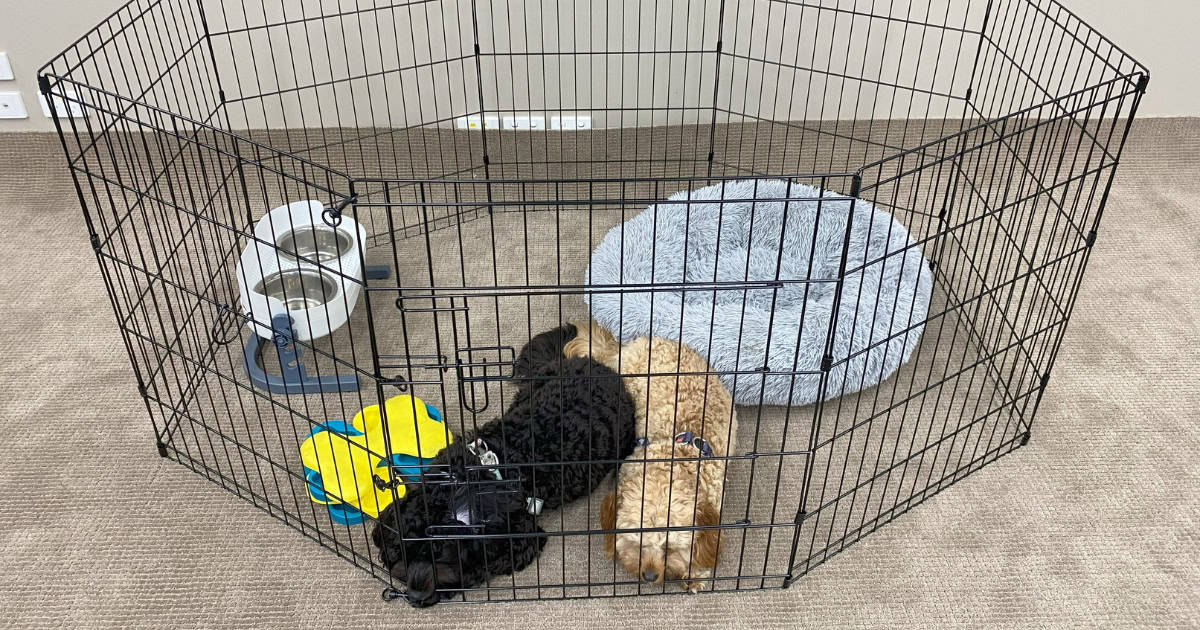
Creating a safe play area at home gives your dog freedom without the confinement of a crate. Use baby gates or exercise pens to section off a dog-proofed space filled with toys and comfort items. This setup encourages independent play and exploration.
Rotate toys to keep things interesting and prevent boredom. You might find your dog enjoys a cozy corner with a chew toy just as much as a full crate. How can you adapt your living space to better suit your dog’s needs throughout the day?

Credit: www.care.com
Signs Your Dog Needs A Break
Knowing when your dog needs a break from the crate is crucial for their well-being. Dogs can’t always tell you when they’re uncomfortable or stressed, so you need to watch for signs. These signs often show up in behavior and physical health, guiding you to adjust crate time before problems grow.
Behavioral Changes
Watch closely for shifts in your dog’s behavior. If your usually calm dog starts whining, barking excessively, or scratching at the crate, they might be telling you they need a break.
Some dogs become unusually restless or try to avoid the crate altogether. Others may show signs of anxiety like pacing or refusing to eat. These changes can indicate your dog feels confined or stressed.
Have you noticed your dog acting differently after a long crate session? That’s a clear message from your pet.
Physical Symptoms
Physical signs also give you clues. Look for drooling, panting, or shaking when your dog is in the crate. These can be signs of discomfort or stress.
Check for redness or sores around the crate area, which means your dog might be trying to escape or rubbing against the crate walls too much.
Sometimes, a dog might refuse to enter the crate or show sluggishness afterward, signaling they need less time confined.
When To Adjust Crate Time
If you spot behavioral or physical signs, it’s time to rethink how long your dog stays in the crate. Start by shortening crate sessions and see how your dog responds.
Try breaking up crate time with regular play or bathroom breaks. A tired dog is less likely to stress in a crate, so adding exercise can help.
Ask yourself: Is the crate time improving your dog’s routine or making them anxious? Adjusting based on your observations keeps your dog happy and healthy.

Credit: www.petperspective.com.au
Frequently Asked Questions
How Long Can A Dog Stay In A Crate Safely?
Most dogs can stay safely in a crate for 2 to 4 hours. Puppies need shorter periods, around 1 to 2 hours. Always consider your dog’s age, health, and comfort. Avoid leaving dogs overnight without breaks for bathroom and exercise.
What Factors Affect Crate Time For Dogs?
A dog’s age, health, and activity level affect crate time. Puppies need frequent breaks, while adult dogs tolerate longer periods. Also, consider the crate size and ventilation. Always ensure your dog has water and a comfortable space inside.
Can Leaving A Dog Too Long In A Crate Harm Them?
Yes, leaving a dog in a crate too long can cause stress and anxiety. It may lead to physical issues like muscle stiffness and bladder problems. Regular breaks for exercise and bathroom needs are essential for your dog’s well-being.
How To Know If My Dog Is Comfortable In A Crate?
Signs of comfort include relaxed posture, calm behavior, and voluntary crate entry. If your dog whines, scratches, or avoids the crate, they may be uncomfortable. Gradual training and positive reinforcement help your dog feel safe and happy inside.
Conclusion
Crate time depends on your dog’s age and needs. Puppies need breaks more often than adult dogs. Avoid leaving dogs in crates for too long. Long stays can cause stress and discomfort. Always watch your dog’s behavior for signs of distress.
Give plenty of exercise and bathroom breaks daily. A crate should be a safe, comfy space. Use it wisely for training and rest. Your dog will stay happy and healthy this way.

Emily Barker is the founder of ChillDogLife.com, a space dedicated to helping pup parents discover the best dog products, lifestyle tips, and cozy ideas for happier homes.
A lifelong dog lover, Emily combines her passion for pets with a knack for research to share trusted recommendations on everything from toys and furniture to health and everyday care.
Her goal is simple: to make life easier, stylish, and more joyful for dogs and the people who love them.




