If you’re thinking about getting a dog muzzle, you might wonder how to measure your dog correctly. Choosing the right size isn’t just about comfort—it’s about safety for both your dog and everyone around.
Getting the perfect fit can prevent your dog from slipping out or feeling stressed. You’ll learn simple steps to measure your dog’s muzzle accurately, so you can pick the best muzzle without any guesswork. Keep reading to make sure your furry friend stays safe and comfortable every time.

Credit: www.muzzletrainingandtips.com.au
Choosing The Right Muzzle Type
Choosing the right muzzle type is important for your dog’s comfort and safety. The right muzzle fits well and suits your dog’s needs. It helps prevent biting, chewing, or barking without causing stress. Understanding the different types helps you pick the best one for your dog.
Basket Vs Soft Muzzles
Basket muzzles have a cage-like design. They let dogs breathe, pant, and drink water easily. Soft muzzles are made of fabric or mesh. They limit your dog’s mouth movements more than basket muzzles. Basket muzzles work better for longer wear times. Soft muzzles fit snugly and are good for short periods.
Material Options
Common materials include plastic, leather, and nylon. Plastic baskets are lightweight and easy to clean. Leather muzzles offer durability and comfort. Nylon muzzles are soft and flexible. Choose a material that fits your dog’s activity and skin sensitivity. Breathable materials reduce heat and sweating.
Purpose And Usage
Think about why you need the muzzle. For vet visits or grooming, soft muzzles may be enough. For walks or training, basket muzzles are safer and more comfortable. Use muzzles designed for your dog’s size and strength. Always supervise your dog while wearing a muzzle.
Essential Measurements To Take
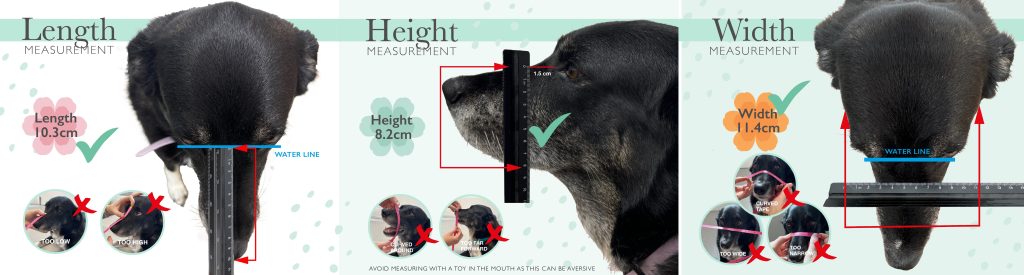
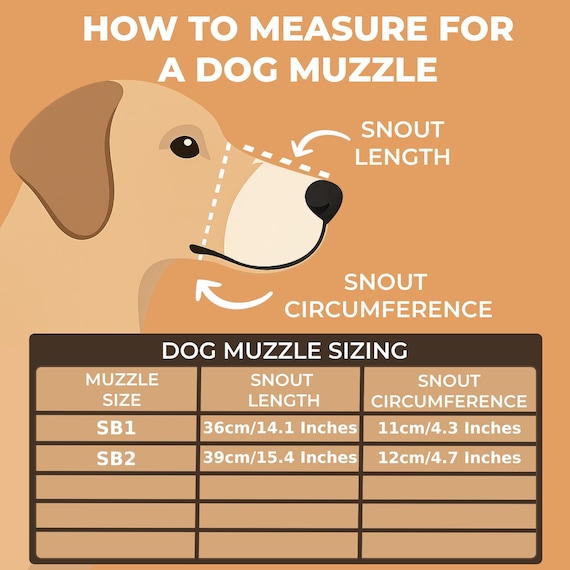
Measure your dog’s snout length from the nose tip to just below the eyes. Also, check the snout’s circumference at the widest point for a comfortable fit. Accurate measurements ensure the muzzle fits well without causing discomfort or slipping.
When it comes to ensuring your dog's muzzle fits comfortably and securely, taking accurate measurements is crucial. A well-fitted muzzle not only provides safety but also ensures your dog’s comfort during walks or visits to the vet. Knowing the essential measurements to take will help you choose the perfect muzzle for your furry friend. Let’s dive into the key measurements you need to take.Measuring Snout Length
Start by measuring the length of your dog’s snout. Use a flexible tape measure. Begin at the tip of the nose and extend it to just below the eyes. This measurement ensures the muzzle won’t be too tight or restrictive for your dog. Remember, a snug fit is important, but the muzzle should allow your dog to pant and bark without discomfort. This measurement is particularly crucial for breeds with longer snouts, like Greyhounds or Collies.Measuring Snout Circumference
Next, measure the circumference of your dog’s snout. Wrap the tape measure around the widest part of the snout, usually just below the eyes. Make sure it’s snug but not too tight. This measurement will help you find a muzzle that doesn’t slip off easily. A loose muzzle can cause unnecessary stress for your dog, while a too-tight fit can be uncomfortable and even painful.Measuring Head Circumference
Finally, measure the circumference of your dog’s head. Place the tape measure just behind the ears and around the back of the head. This measurement is essential for muzzles that secure around the head and neck area. Ensure there’s enough room for your dog to open its mouth slightly. Finding the right balance between security and comfort is key. Have you ever noticed how a poorly fitted muzzle can make a dog uneasy? That’s why these measurements are so important. Accurate measurements lead to a happier and more relaxed dog. Have you ever wondered if your dog’s muzzle fits properly? Taking these essential measurements ensures peace of mind for you and comfort for your pet.Tools Needed For Accurate Measuring
Measuring your dog accurately for a muzzle is key to ensuring comfort and safety. The right tools make this task straightforward and help avoid common mistakes. Let’s look at what you’ll need to get precise measurements with ease.
Using A Flexible Tape Measure
A flexible tape measure is the easiest and most effective tool for measuring your dog’s muzzle. It bends around curves smoothly, allowing you to capture the exact circumference of your dog’s snout without gaps.
Hold the tape measure gently but firmly around the widest part of your dog’s snout, just below the eyes. This ensures the muzzle won’t be too tight or loose. If you don’t have a tailor’s tape, you can use a soft string and then measure the string with a ruler.
Alternative Measuring Tools
If you don’t have a flexible tape measure, several other items can help. A piece of yarn, ribbon, or shoelace works well to wrap around your dog’s muzzle.
- Wrap the yarn carefully around the snout’s widest point.
- Mark where it overlaps or meets.
- Lay it flat against a ruler or measuring tape to get the length.
Some pet owners find that using a caliper or a digital measuring device can provide even more precise readings, especially for dogs with unique muzzle shapes. Have you tried measuring with different tools? You might discover one that fits your dog’s comfort level better.
Step-by-step Measuring Process
Measuring your dog for a muzzle is important for comfort and safety. A well-fitted muzzle helps your dog breathe, pant, and drink easily. Follow these clear steps to get the right size.
Preparing Your Dog
Make your dog calm and relaxed before measuring. Choose a quiet place with few distractions. Use gentle petting and soothing words. Have treats ready to reward good behavior. Make sure your dog is standing or sitting comfortably.
Taking Each Measurement
Use a soft measuring tape for accuracy. Measure the following areas:
- Snout circumference:Wrap the tape around the widest part of the nose, just below the eyes.
- Snout length:Measure from the tip of the nose to the point where the snout meets the eyes.
- Neck circumference:Measure around the base of the neck where the collar usually sits.
Hold the tape snug but not tight. Double-check each measurement for accuracy.
Recording Measurements Correctly
Write down each number clearly. Use centimeters or inches based on the muzzle size chart. Keep measurements handy when shopping. Include notes about your dog’s breed and age. This helps in choosing the best muzzle style and size.
Common Sizing Mistakes To Avoid
Choosing the right size for a dog muzzle is crucial for your pet’s comfort and safety. Many pet owners make simple mistakes that affect the fit and function of the muzzle. Avoiding these common errors ensures your dog feels secure and comfortable while wearing the muzzle.
Choosing Too Tight Or Too Loose
A muzzle that is too tight can hurt your dog’s nose and restrict breathing. It may cause discomfort or skin irritation. A loose muzzle can slip off easily, making it useless. Always measure your dog’s snout carefully to find the perfect fit. Check the muzzle for snugness but allow some space for breathing.
Ignoring Breed-specific Features
Different dog breeds have different snout shapes and sizes. A muzzle that fits a Labrador may not suit a Bulldog. Pay attention to the breed’s unique facial structure. Some breeds have flat faces or wide snouts that need special designs. Choose a muzzle style made for your dog’s breed traits.
Overlooking Comfort And Safety
Comfort and safety go hand in hand when selecting a muzzle. Use soft, breathable materials to prevent chafing and overheating. Avoid hard or sharp edges that can injure your dog’s skin. Check straps and buckles to ensure they do not press too hard. A well-fitted muzzle lets your dog pant and drink water easily.
Adjusting The Muzzle For Best Fit
Adjusting the muzzle to fit your dog perfectly is essential for comfort and safety. A well-fitted muzzle allows your dog to breathe, pant, and drink water without restriction. Taking the time to adjust the muzzle correctly will help your dog accept it and avoid any stress or discomfort.
Checking Fit On Your Dog
After placing the muzzle on your dog, observe how it sits on their snout. The muzzle should be snug but not tight, with enough room for your dog to open their mouth slightly. Check if the straps sit comfortably behind the ears without pinching the skin or pulling fur.
Have you noticed your dog trying to paw at the muzzle or shaking their head? This could mean the fit isn’t right yet. Watch for signs of discomfort and adjust accordingly before moving on.
Making Necessary Adjustments
Most muzzles have adjustable straps or buckles. Use these to tighten or loosen the fit gradually. Avoid making it too tight, which can cause pain, or too loose, which allows the muzzle to slip off.
If your dog has a broad snout or a narrow face, you may need to adjust the straps unevenly to achieve the best fit. Don’t hesitate to try different strap positions to find what works best for your dog’s unique shape.
Signs Of A Proper Fit
- Your dog can pant and lick comfortably while wearing the muzzle.
- The muzzle stays securely in place without causing redness or irritation.
- Your dog shows calm behavior and minimal attempts to remove the muzzle.
Ask yourself, does your dog seem relaxed and able to perform normal behaviors? If yes, your muzzle fit is likely spot on. If not, revisit the adjustments until you get it right.
Tips For Training Your Dog To Wear A Muzzle
Training your dog to wear a muzzle can seem challenging. Patience and the right approach help your dog feel calm. Start slowly and build positive experiences. This section shares key tips for smooth muzzle training.
Introducing The Muzzle Gradually
Let your dog see the muzzle first. Hold it near them without putting it on. Allow your dog to sniff and explore it. Next, gently place the muzzle on for a few seconds. Remove it before your dog gets upset. Repeat these steps daily. Increase the time your dog wears it slowly. Keep sessions short and calm. Praise your dog for staying still.
Positive Reinforcement Techniques
Use treats and praise to encourage your dog. Give a treat when your dog approaches the muzzle. Offer a treat when the muzzle is on. Speak in a soft, happy voice. Reward calm behavior during training. Avoid forcing or scolding your dog. Reward often to build good feelings about the muzzle. Use favorite treats to keep your dog interested.
Safety Precautions
- Choose a muzzle that fits well and is comfortable.
- Never leave your dog unattended while wearing a muzzle.
- Check the muzzle regularly for damage or wear.
- Do not keep the muzzle on for long periods.
- Use the muzzle only for short, necessary times like vet visits.
- Watch your dog’s behavior and comfort closely.

Credit: miasmuzzles.com
Where To Buy Quality Dog Muzzles
Finding the right place to buy a quality dog muzzle is important. The right muzzle fits well and keeps your dog safe and comfortable. Different stores offer different types of muzzles. Some focus on variety, while others provide custom options. Knowing where to shop helps you get the best product for your dog’s needs.
Online Retailers
Online shops offer many choices of dog muzzles. They provide detailed descriptions and customer reviews. You can compare brands and prices easily. Delivery is fast and convenient. Many websites have filters to narrow down size and style. Shopping online saves time and offers a wide selection.
Pet Stores
Pet stores let you see and touch muzzles before buying. Staff can help measure your dog’s snout. They often stock popular brands and sizes. Some stores allow your dog to try the muzzle on. Visiting a store gives a hands-on shopping experience. You get immediate answers to your questions.
Custom Muzzle Makers
Custom makers create muzzles tailored to your dog’s exact size. They use special materials for comfort and durability. You provide measurements, and they build a perfect fit. Custom muzzles work well for dogs with unique shapes or special needs. This option offers the best fit but may take longer to receive.
Credit: www.etsy.com
Frequently Asked Questions
How Do You Measure A Dog’s Snout For A Muzzle?
Measure around the widest part of your dog’s snout, just below the eyes. Use a flexible tape for accuracy. This ensures the muzzle fits comfortably without being too tight or loose.
What Tools Are Needed To Measure For A Dog Muzzle?
A flexible measuring tape is essential for precise measurement. You may also use a string and ruler if a tape is unavailable. Accurate measuring tools help achieve a proper muzzle fit.
How To Measure Muzzle Length For A Dog?
Measure from the tip of the dog’s nose to the base of the snout, near the eyes. This length ensures the muzzle covers the snout properly without restricting breathing.
Why Is Correct Muzzle Measurement Important?
Proper measurement prevents discomfort and allows your dog to breathe, pant, and drink. A well-fitted muzzle keeps your dog safe and stress-free during use.
Conclusion
Measuring your dog for a muzzle takes just a few simple steps. Use a soft tape to get accurate measurements of the snout length, circumference, and width. Make sure the tape is snug but not tight. Correct measurements ensure the muzzle fits comfortably and safely.
A well-fitted muzzle helps keep your dog calm and secure. Take your time and measure carefully for the best results. This small effort makes a big difference in your dog’s comfort and safety.

Emily Barker is the founder of ChillDogLife.com, a space dedicated to helping pup parents discover the best dog products, lifestyle tips, and cozy ideas for happier homes.
A lifelong dog lover, Emily combines her passion for pets with a knack for research to share trusted recommendations on everything from toys and furniture to health and everyday care.
Her goal is simple: to make life easier, stylish, and more joyful for dogs and the people who love them.




