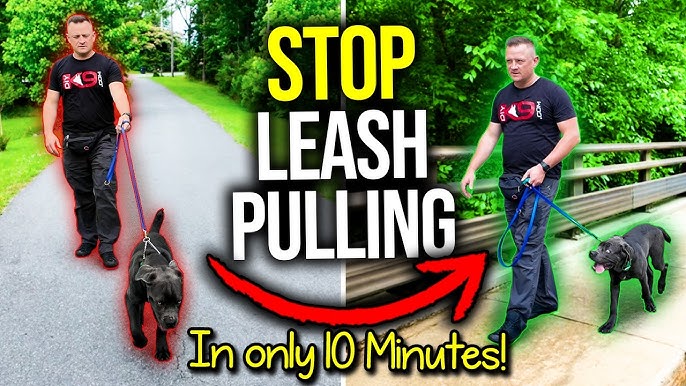
Is your daily walk with your dog more of a tug-of-war than a relaxing stroll? If your furry friend pulls on the leash, it can make walks stressful and tiring for both of you.
But imagine enjoying peaceful walks where your dog stays by your side, calm and attentive. You can make that happen. You’ll discover simple, effective ways to stop your dog from pulling on the leash, so every walk becomes a joy, not a struggle.
Keep reading to transform your walks and strengthen the bond with your dog.
Why Dogs Pull On Leash
Dogs often pull on the leash during walks. Understanding why dogs pull can help you stop this behavior. Pulling is natural but can cause problems for owners and dogs alike.
Dogs pull for many reasons. Some are linked to their instincts, while others come from habits or emotions. Knowing these reasons helps in training your dog to walk calmly.
Common Causes
- Excitement to explore new places or smells
- Lack of leash training or practice
- Trying to reach something or someone ahead
- Discomfort or fear causing sudden pulling
- High energy needing an outlet
Breed Tendencies
Certain breeds are more likely to pull due to their traits. Hunting and working breeds often have strong drives to chase and explore.
- Huskies and Malamutes are strong pullers because of their sledding history
- Terriers pull to chase small animals
- Retrievers pull to reach birds or water
- High-energy breeds need more exercise and mental work
Behavioral Triggers
Pulling can start from specific triggers in the environment. Dogs react to sights, sounds, and smells that excite or scare them.
- Seeing other dogs or animals
- Loud noises or busy streets
- Smelling food or interesting scents
- Owner’s nervous or inconsistent handling
Choosing The Right Equipment
Choosing the right equipment can make all the difference when you’re teaching your dog not to pull on the leash. If you’ve ever found yourself struggling to keep your balance or feeling frustrated during walks, it might be time to reconsider the gear you’re using. The right tools can provide you with more control and comfort, transforming those challenging walks into enjoyable outings.
Types Of Collars And Harnesses
There are a variety of collars and harnesses available, each designed to address specific needs. Traditional collars are great for dogs that are already leash-trained, but they might not be the best for pullers. A front-clip harness can be a game-changer, as it redirects your dog’s momentum back to you, making pulling less rewarding.
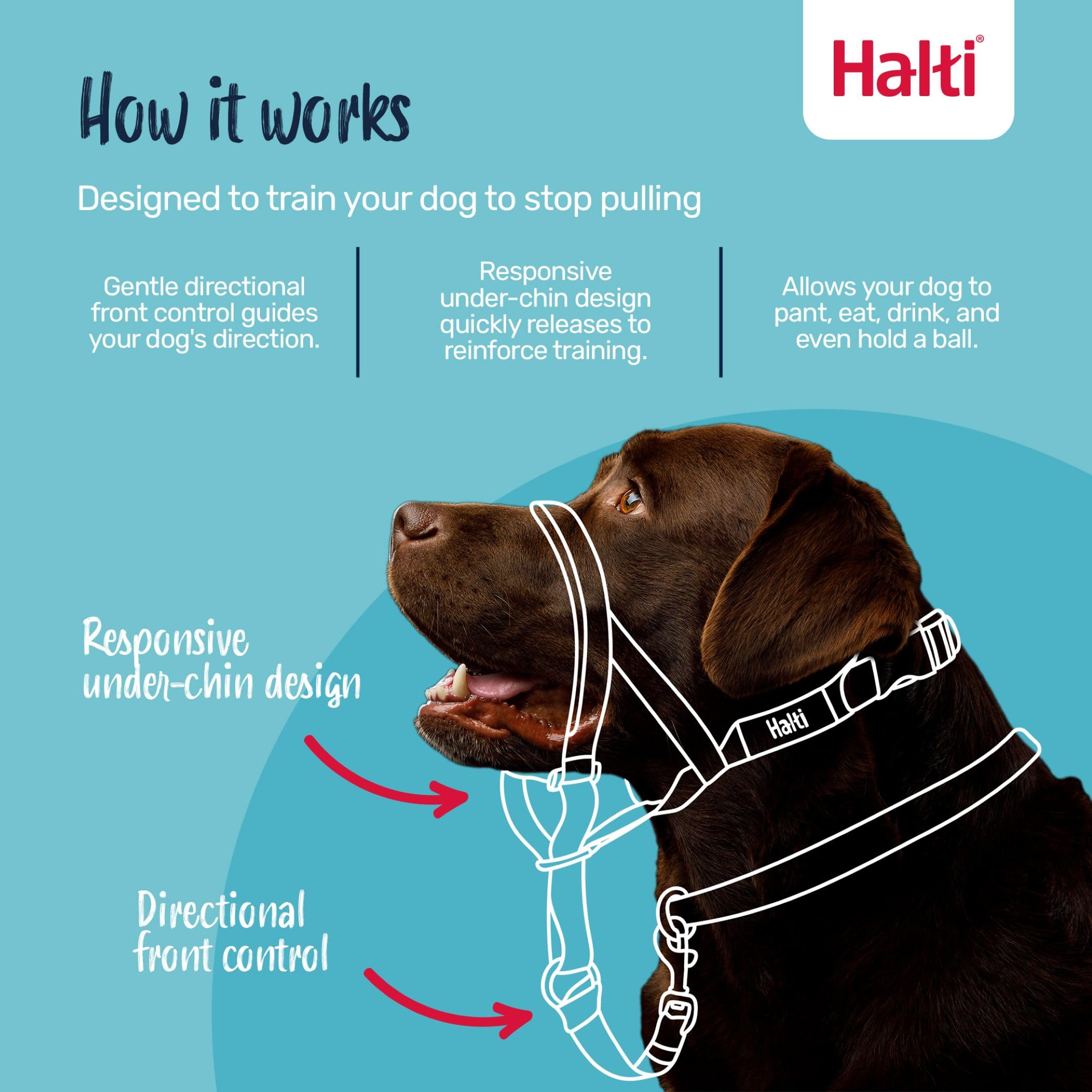
Head collars are another option worth considering. They work similarly to a horse’s halter, giving you control over the dog’s head. This can be particularly useful for strong pullers, but it requires a gentle introduction to ensure your dog is comfortable.
Benefits Of No-pull Gear
No-pull gear offers several benefits that can enhance your walking experience. It not only minimizes strain on your arms and back but also reduces the risk of injury for your dog. With the right gear, your dog is less likely to lunge forward, making your walks more peaceful.
Beyond physical benefits, no-pull equipment can improve your dog’s behavior over time. Consistent use teaches your dog that pulling doesn’t lead to forward movement, encouraging them to walk calmly by your side. Have you ever noticed how a smooth walk can strengthen the bond between you and your dog? It’s one of the many rewards of using the right equipment.
- Consider a front-clip harness for better control.
- Try a head collar for strong pullers.
- Enjoy stress-free walks with no-pull gear.
Think about your past walks. Were they a tug of war, or a pleasant stroll? The right equipment can be the key to turning every walk into a positive experience for both you and your dog.
Basic Training Techniques
Basic training techniques form the foundation to stop a dog from pulling on the leash. These methods focus on clear communication and consistent practice. They help your dog learn to walk calmly beside you without tension. Patience and regular training sessions make the biggest difference.
Teaching Loose Leash Walking
Loose leash walking means the leash stays slack, not tight. Start by holding the leash with a relaxed grip. Keep treats ready to reward your dog. Walk slowly and stop immediately if your dog pulls. Let the leash go loose again before moving. Repeat this often. Your dog will learn that pulling stops the walk.
Using Positive Reinforcement
Positive reinforcement rewards good behavior instantly. Use small treats or praise when your dog walks beside you without pulling. This shows your dog what you want. Avoid punishment or harsh corrections. They can cause fear and confusion. Keep rewards consistent to encourage your dog to behave well on walks.
Stopping And Changing Direction
Stopping suddenly when your dog pulls sends a clear message. Your dog learns that pulling ends the walk. Change direction to regain your dog’s attention. Walk the other way and reward when your dog follows without pulling. Repeat this often. This simple action teaches your dog to focus on you during walks.
Credit: www.amazon.com
Advanced Training Tips
Advanced training tips can make a significant difference when your dog still pulls on the leash despite basic training. These techniques help refine your dog’s behavior and keep their attention in challenging situations. Ready to take your training to the next level? Let’s dive into some effective strategies that require patience but deliver lasting results.
Incorporating Clicker Training
Clicker training uses a small device that makes a distinct sound to mark the exact moment your dog performs the right behavior. This clear signal helps your dog understand what you want quickly. Try clicking the device the moment your dog walks calmly beside you, then immediately offer a treat.
This method sharpens communication and speeds up learning. Have you noticed how precise your commands become with clear feedback? Many dog owners find that the clicker creates a fun and rewarding experience for their pet, encouraging good leash manners.
Training With Distractions
Distractions are everywhere during walks—other dogs, people, noises. Practicing in distraction-filled environments helps your dog focus on you no matter what’s happening around. Start in a quiet park, then gradually add more distractions like busy streets or crowded areas.
Use treats and praise to keep your dog’s attention during these sessions. If your dog starts pulling, pause and wait for calm behavior before moving on. How often do you test your dog’s focus outside the comfort zone? This step is crucial for real-world success.
Building Consistency
Consistency is the backbone of all dog training. Every walk should follow the same rules: no pulling, walking beside you, and responding to commands. Make sure everyone who walks your dog uses the same techniques and commands to avoid confusion.
Set a routine and stick to it. Even small lapses can confuse your dog and slow progress. Ask yourself—are you consistent enough to create lasting habits? Remember, steady effort wins over quick fixes.
Common Mistakes To Avoid
Training a dog to stop pulling on the leash requires patience and consistency. Many dog owners make simple mistakes that slow progress or confuse their pets. Avoiding these common errors helps your dog learn faster and enjoy walks more.
Yanking The Leash
Pulling or yanking the leash back can scare your dog. It may cause your dog to pull harder or become anxious. Gentle guidance works better. Use calm, steady pressure to redirect your dog’s attention.
Inconsistent Commands
Using different words or phrases confuses your dog. Pick one clear command like “heel” or “stop” and use it every time. Consistent commands help your dog understand what you want quickly.
Ignoring Early Signs
Dogs often show signs before they start pulling, such as leaning forward or tensing up. Ignoring these signs lets the pulling start. Notice these early signals and gently stop your dog before pulling happens.

Credit: www.reddit.com
When To Seek Professional Help
Knowing when to seek professional help is key to stopping your dog from pulling on the leash. Some dogs may have deeper issues that simple training cannot fix. Recognizing these signs early can save you frustration and keep walks enjoyable. Professionals can offer tailored guidance and support.
Behavioral Issues
Pulling can be a sign of behavioral problems. Anxiety, fear, or aggression may cause your dog to pull hard. If your dog shows signs of distress or aggression, professional help is needed. A behaviorist can diagnose and create a plan to address these issues safely.
Specialized Trainers
Some trainers focus on leash manners and problem behaviors. They use techniques suited to your dog’s personality and needs. A specialized trainer can teach you how to communicate clearly with your dog. This helps build trust and reduces leash pulling effectively.
Training Classes
Group classes provide social learning opportunities for your dog. Trainers guide owners on consistent leash training methods. Classes help dogs learn to walk calmly around distractions. Attending classes can improve your skills and boost your dog’s behavior on walks.

Credit: pupford.com
Frequently Asked Questions
How Can I Train My Dog Not To Pull On Leash?
Start by using positive reinforcement with treats and praise. Teach your dog to walk beside you calmly. Stop walking when the dog pulls, then resume when leash slackens. Consistency and patience are key to successful leash training.
What Is The Best Leash For Stopping Pulling?
A front-clip harness or head halter works best to reduce pulling. These tools gently redirect your dog’s attention and discourage pulling. Avoid retractable leashes, as they encourage pulling behavior. Proper leash choice supports effective training.
Why Does My Dog Pull On The Leash?
Dogs pull due to excitement, curiosity, or lack of training. Pulling can also stem from high energy or anxiety. Understanding your dog’s motivation helps tailor training methods. Consistent leash training reduces pulling over time.
How Long Does Leash Training Take?
Leash training duration varies by dog’s age and temperament. Typically, it takes several weeks of daily, consistent practice. Short, frequent training sessions yield better results. Patience and positive reinforcement accelerate progress.
Conclusion
Stopping a dog from pulling on the leash takes time and patience. Consistent training helps your dog learn good walking habits. Use gentle corrections and reward calm behavior often. Walks become more enjoyable for both of you. Remember, practice makes progress, not perfection.
Keep sessions short and positive to avoid frustration. Soon, your dog will walk calmly by your side. Enjoy peaceful walks and a stronger bond with your dog. Keep trying, and you will see great results.

Emily Barker is the founder of ChillDogLife.com, a space dedicated to helping pup parents discover the best dog products, lifestyle tips, and cozy ideas for happier homes.
A lifelong dog lover, Emily combines her passion for pets with a knack for research to share trusted recommendations on everything from toys and furniture to health and everyday care.
Her goal is simple: to make life easier, stylish, and more joyful for dogs and the people who love them.




