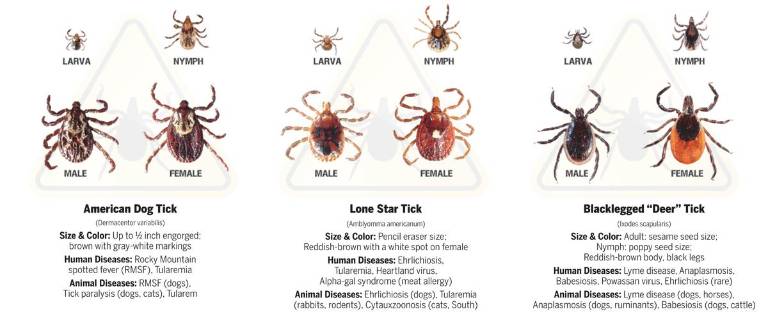
If you’re a dog owner, you’ve probably worried about ticks at some point. But do you really know if dog ticks carry Lyme disease?
This question matters because your furry friend’s health depends on it. Ticks may seem small, but they can cause big problems. You’ll discover the truth about ticks and Lyme disease, what signs to watch for, and how to protect your dog.
Keep reading—your dog’s wellbeing could depend on what you learn next.
Types Of Ticks That Affect Dogs
Ticks pose a serious threat to dogs by transmitting diseases like Lyme disease. Different types of ticks affect dogs across various regions. Knowing the common tick species helps in prevention and early removal. Understanding tick habitats explains where dogs are most at risk. This knowledge is vital for keeping pets safe and healthy.
Common Tick Species On Dogs
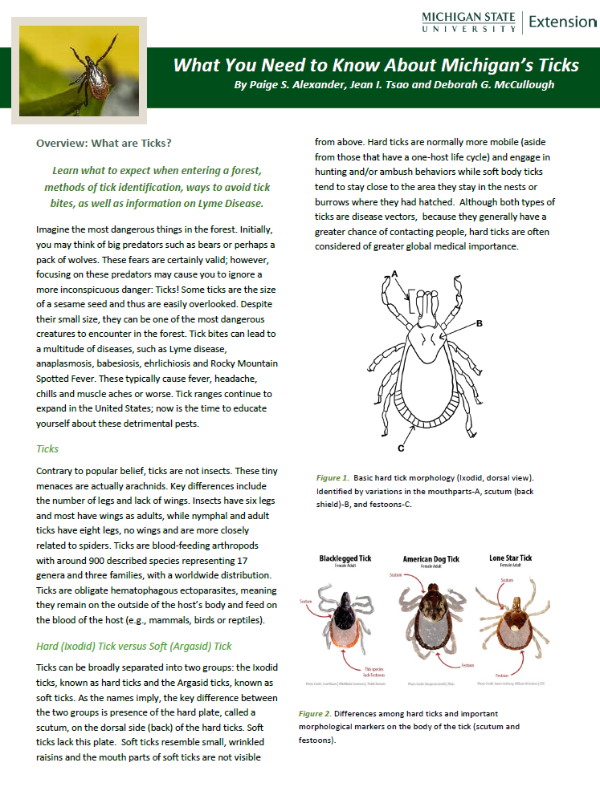
Several tick species commonly bite dogs. The black-legged tick, also called the deer tick, is the main carrier of Lyme disease. The American dog tick is widespread and can transmit other illnesses. The brown dog tick often lives indoors and can multiply quickly. Each tick type has unique features and risks.
- Black-legged tick (Ixodes scapularis):Small and dark, transmits Lyme disease.
- American dog tick (Dermacentor variabilis):Larger, carries Rocky Mountain spotted fever.
- Brown dog tick (Rhipicephalus sanguineus):Prefers dogs, can live inside homes.
Tick Habitats And Behavior
Ticks thrive in warm, humid places with tall grass or leaf litter. They attach to passing animals by waiting on grass or shrubs. Ticks climb on dogs when they brush past vegetation. Brown dog ticks can live indoors in cracks and crevices. Ticks feed on blood, often hiding under fur to avoid detection.
Early tick removal reduces disease risk. Check dogs regularly after outdoor activities. Knowing where ticks hide helps protect your pet effectively.

Credit: www.nbcwashington.com
Lyme Disease And Its Transmission
Lyme disease is a serious illness that affects many dogs, and understanding how it spreads is key to protecting your furry friend. This disease is caused by bacteria transmitted through the bite of infected ticks. Knowing how ticks carry and pass on Lyme disease can help you spot risks early and take action.
How Ticks Spread Lyme Disease
Ticks become carriers of Lyme disease by feeding on infected animals such as deer or mice. Once infected, a tick can pass the bacteria to your dog during a bite. It usually takes the tick 24 to 48 hours of attachment to transmit the disease, which means prompt tick removal is crucial.
Ticks thrive in grassy, wooded areas where your dog might play or explore. You might not notice a tiny tick right away, so checking your dog’s coat after outdoor activities is essential. Do you regularly check your dog for ticks, especially after walks in nature?
Symptoms Of Lyme In Dogs
Lyme disease symptoms in dogs can be subtle and easy to miss at first. Common signs include:
- Limping or lameness that shifts from one leg to another
- Swollen joints and stiffness
- Fever and loss of appetite
- Fatigue and reluctance to move
Some dogs may also develop swollen lymph nodes or kidney problems if the disease progresses. If your dog shows any of these symptoms, consulting a veterinarian promptly can make a big difference in treatment success.
Have you noticed unusual behavior in your dog after spending time outdoors? Early detection of Lyme disease can save your dog from severe health complications.
Risk Factors For Dogs
Ticks pose a real threat to dogs, especially because some carry Lyme disease. Understanding risk factors helps protect your pet. Dogs spending time outdoors face more chances of tick bites. The environment plays a big role in tick presence. Knowing where and when ticks are active can reduce risks.
Geographical Areas With High Tick Activity
Ticks thrive in certain regions more than others. Places with dense woods, tall grass, and leaf litter often have more ticks. The Northeast, Midwest, and parts of the Pacific Northwest in the United States report higher tick populations. Dogs in these areas face greater exposure to ticks that may carry Lyme disease.
- Wooded and brushy areas
- Regions with mild, humid climates
- Places near lakes or rivers
Seasonal Tick Patterns
Ticks are most active during warmer months. Spring, summer, and early fall bring the highest tick risks. During these seasons, ticks seek hosts like dogs for blood meals. Winter months usually see less tick activity due to cold temperatures. Outdoor activities during active seasons increase the chance of tick encounters.
- Peak activity from April to September
- Warmer and humid weather supports tick life cycles
- Early spring and late fall can also have ticks

Credit: www.everydayhealth.com
Preventing Tick Bites
Preventing tick bites is your first and best defense against Lyme disease in dogs. Taking simple, consistent steps can significantly reduce the risk of ticks attaching to your furry friend. Are you confident your current routine truly keeps ticks at bay?
Tick Repellents And Treatments
Using effective tick repellents is essential. Products like spot-on treatments, tick collars, and oral medications work well to repel or kill ticks before they latch on.
Choose a product recommended by your veterinarian and follow the instructions carefully. Some treatments last for weeks, offering long-lasting protection without daily effort.
Check your dog’s fur regularly, especially after outdoor activities. Finding and removing ticks early can prevent infection.
Safe Outdoor Practices
Where you walk your dog matters. Avoid areas with tall grass, dense bushes, or leaf piles where ticks thrive.
Keep your lawn trimmed and clear away leaf litter to reduce tick habitats around your home. This simple yard maintenance helps lower the chances of ticks jumping onto your dog.
After outdoor time, inspect your dog thoroughly. Don’t forget hidden spots like behind ears, under the collar, and between toes.
Tick Removal Techniques
Dog ticks can carry Lyme disease, posing a risk to pets and humans. Proper tick removal reduces infection chances and protects health. Use fine-tipped tweezers to grasp the tick close to the skin and pull steadily without twisting.
Ticks are more than just a nuisance for dogs; they can carry diseases like Lyme disease. If your furry friend picks up a tick, knowing how to remove it safely is crucial. Let’s dive into some effective tick removal techniques that can help protect your pet’s health.Safe Ways To Remove Ticks
Removing a tick promptly and correctly is vital to reduce the risk of disease transmission. Use a pair of fine-tipped tweezers to grasp the tick as close to the skin’s surface as possible. Pull upward with steady, even pressure. Avoid twisting or jerking, as this can cause the mouth-parts to break off and remain in the skin. After removing the tick, clean the bite area and your hands with rubbing alcohol or soap and water. Keep an eye on your dog for any signs of irritation or infection. It’s also a good idea to save the tick in a sealed container for identification in case your pet shows symptoms later.When To Seek Veterinary Help
Sometimes, removing a tick doesn’t go as planned. If the tick’s head remains embedded, or if you notice swelling, redness, or discharge at the site, it’s time to consult your vet. They can safely remove any remnants and provide treatment if necessary. If your dog starts showing symptoms of illness, such as fever, lethargy, or loss of appetite, don’t wait. These could be signs of Lyme disease or another tick-borne illness. A vet can run tests and offer appropriate care to ensure your pet’s health and safety. Taking prompt action and knowing when to seek professional help can make all the difference in keeping your dog healthy and happy. Would you rather be safe than sorry when it comes to your furry friend’s well-being?Testing And Diagnosing Lyme Disease
Testing and diagnosing Lyme disease in dogs is a vital part of managing this tick-borne illness. Early diagnosis helps protect your dog from serious health problems. Accurate tests guide veterinarians in choosing the right treatment. Understanding the testing process can ease your concerns and help you act fast.
Veterinary Testing Methods
Veterinarians use blood tests to detect Lyme disease. These tests look for antibodies produced by your dog’s immune system. Common tests include:
- ELISA (Enzyme-Linked Immunosorbent Assay)
- IFA (Indirect Fluorescent Antibody)
- Western Blot
ELISA is often the first test performed. It can quickly identify if your dog has been exposed. IFA and Western Blot help confirm results and reduce false positives. Sometimes, vets check for signs of kidney damage. This is done through urine tests and blood chemistry panels.
Interpreting Test Results
Positive test results mean your dog has been exposed to Lyme bacteria. It does not always mean active infection. Some dogs carry antibodies but show no symptoms. Veterinarians consider symptoms and test results together. They may repeat tests after several weeks for clarity.
Negative results usually mean no exposure or infection. However, early infections might not show up immediately. Watch your dog for signs like limping or fever. Share any symptoms with your vet for accurate diagnosis.
Treatment Options For Lyme Disease
Dealing with Lyme disease can be challenging, but understanding your treatment options is crucial. Effective care can stop the infection from getting worse and help you or your dog recover faster. Knowing what treatments are available also helps you make informed decisions about managing symptoms and avoiding complications.
Medications And Therapies
Antibiotics are the main treatment for Lyme disease. They work best when started early, often clearing up the infection within a few weeks.
Common antibiotics include doxycycline, amoxicillin, and cefuroxime. Your vet or doctor will choose the right one based on symptoms and age.
Sometimes, therapy might include pain relievers or anti-inflammatory drugs to ease joint pain and swelling. Physical therapy can also help if Lyme has caused muscle weakness or mobility issues.
Managing Long-term Effects
Some people and dogs experience symptoms that last even after treatment. Fatigue, joint pain, and cognitive issues can linger, requiring ongoing care.
Managing these long-term effects means regular check-ups and possibly additional treatments like low-impact exercise or dietary changes to boost overall health.
Have you noticed persistent symptoms after treatment? Tracking these changes closely with your healthcare provider can lead to better management strategies and improve quality of life.
Credit: www.canr.msu.edu
Preventing Lyme Disease Recurrence
Preventing Lyme disease from coming back in your dog requires consistent care and attention. It’s not just about treating the infection once but making sure you reduce the chances of ticks returning and reinfecting your pet. Staying proactive helps protect your dog’s health long-term.
Ongoing Tick Control
Keeping ticks away is your first line of defense. Use vet-recommended tick preventatives regularly—these could be topical treatments, oral medications, or tick collars. Each option has its pros and cons, so discuss what fits your dog’s lifestyle best.
Don’t forget to check your dog thoroughly after walks, especially if you live near wooded or grassy areas. Ticks can be tiny and easy to miss, hiding under fur or around the ears and paws. Removing ticks quickly lowers the risk of Lyme disease transmission.
- Keep your yard trimmed and clear of brush where ticks thrive.
- Consider treating your yard with safe tick control products.
- Limit your dog’s exposure to high-risk areas during peak tick seasons.
Monitoring Your Dog’s Health
Watch your dog closely after any tick bite. Early signs of Lyme disease can be subtle, like mild fever or limping. These symptoms might come and go, so don’t ignore any unusual behavior.
Regular vet check-ups are crucial for early detection. Blood tests can catch Lyme disease before symptoms worsen. Have you noticed your dog acting differently after a tick encounter? Don’t hesitate to reach out to your vet.
Keeping a journal of your dog’s health changes can help you spot patterns. This simple habit made a big difference for one dog owner who caught a Lyme relapse early by tracking subtle shifts in energy and appetite.
Frequently Asked Questions
Do Dog Ticks Carry Lyme Disease?
Yes, some dog ticks can carry Lyme disease. The black-legged tick, also called the deer tick, is the primary carrier. Not all dog ticks carry Lyme, but it’s important to check your dog regularly and remove any ticks promptly to reduce infection risk.
How Do Ticks Transmit Lyme To Dogs?
Ticks transmit Lyme disease by biting and injecting bacteria into the dog’s bloodstream. The tick must be attached for 24-48 hours to spread the infection. Early removal reduces the chance of transmission significantly.
Can Lyme Disease Be Prevented In Dogs?
Yes, Lyme disease can be prevented by using tick preventatives, checking dogs after outdoor activities, and avoiding tick-infested areas. Vaccines are also available and recommended in high-risk regions to protect dogs from Lyme disease.
What Are Common Symptoms Of Lyme In Dogs?
Common symptoms include fever, lameness, swollen joints, lethargy, and loss of appetite. Symptoms may appear weeks after a tick bite. Early diagnosis and treatment are essential to prevent serious health issues.
Conclusion
Ticks on dogs can carry Lyme disease and cause serious health problems. Checking your dog often helps catch ticks early. Removing ticks quickly lowers infection risk. Protect your pet with tick preventatives and safe outdoor habits. Watch for signs like fever, tiredness, or limping.
Visiting the vet at the first sign keeps your dog safe. Stay aware and keep your dog healthy all year round. Prevention is better than cure. Simple care makes a big difference.

Emily Barker is the founder of ChillDogLife.com, a space dedicated to helping pup parents discover the best dog products, lifestyle tips, and cozy ideas for happier homes.
A lifelong dog lover, Emily combines her passion for pets with a knack for research to share trusted recommendations on everything from toys and furniture to health and everyday care.
Her goal is simple: to make life easier, stylish, and more joyful for dogs and the people who love them.




