Have you ever found a tick on your dog and wondered if it could be dangerous? You might be asking yourself, “Do dog ticks carry Lyme disease?” This is a question every pet owner should know the answer to.
Understanding the risks and how to protect your furry friend is crucial. You’ll discover the truth about ticks and Lyme disease, how to spot the signs, and what steps you can take right now to keep your dog safe and healthy.
Keep reading—your dog’s well-being depends on it.
Credit: tickcontrol.com
Tick Species Affecting Dogs
Ticks come in various species, and not all of them pose the same risk to your dog. Knowing which tick species commonly bite dogs and which ones carry Lyme disease can help you protect your furry friend more effectively. Let’s break down the types of ticks that affect dogs and identify which are a real threat for Lyme disease.
Common Tick Types
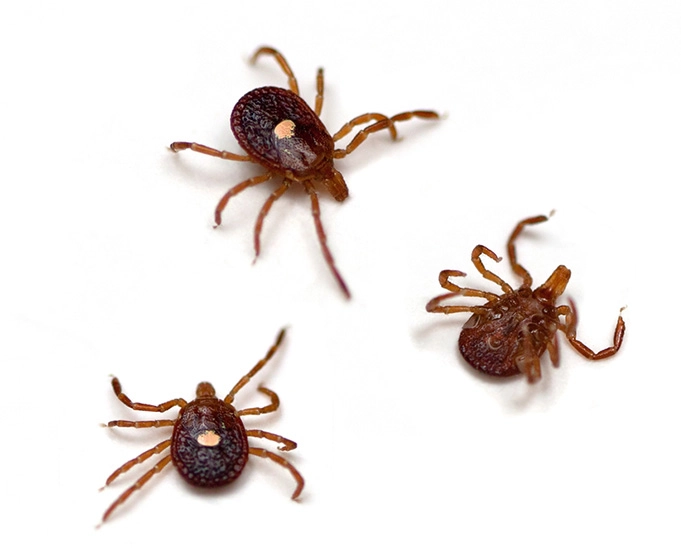
Several tick species regularly target dogs. The most frequent ones you might encounter include:
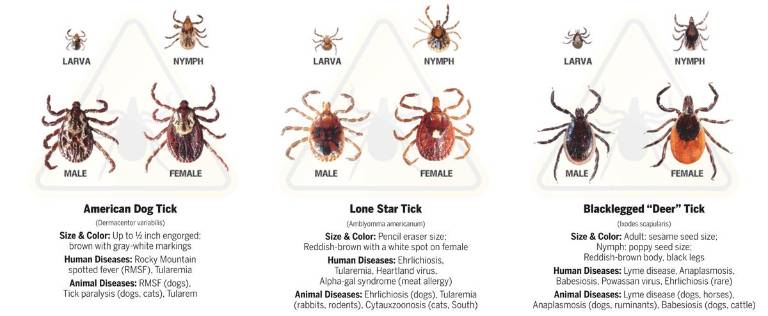
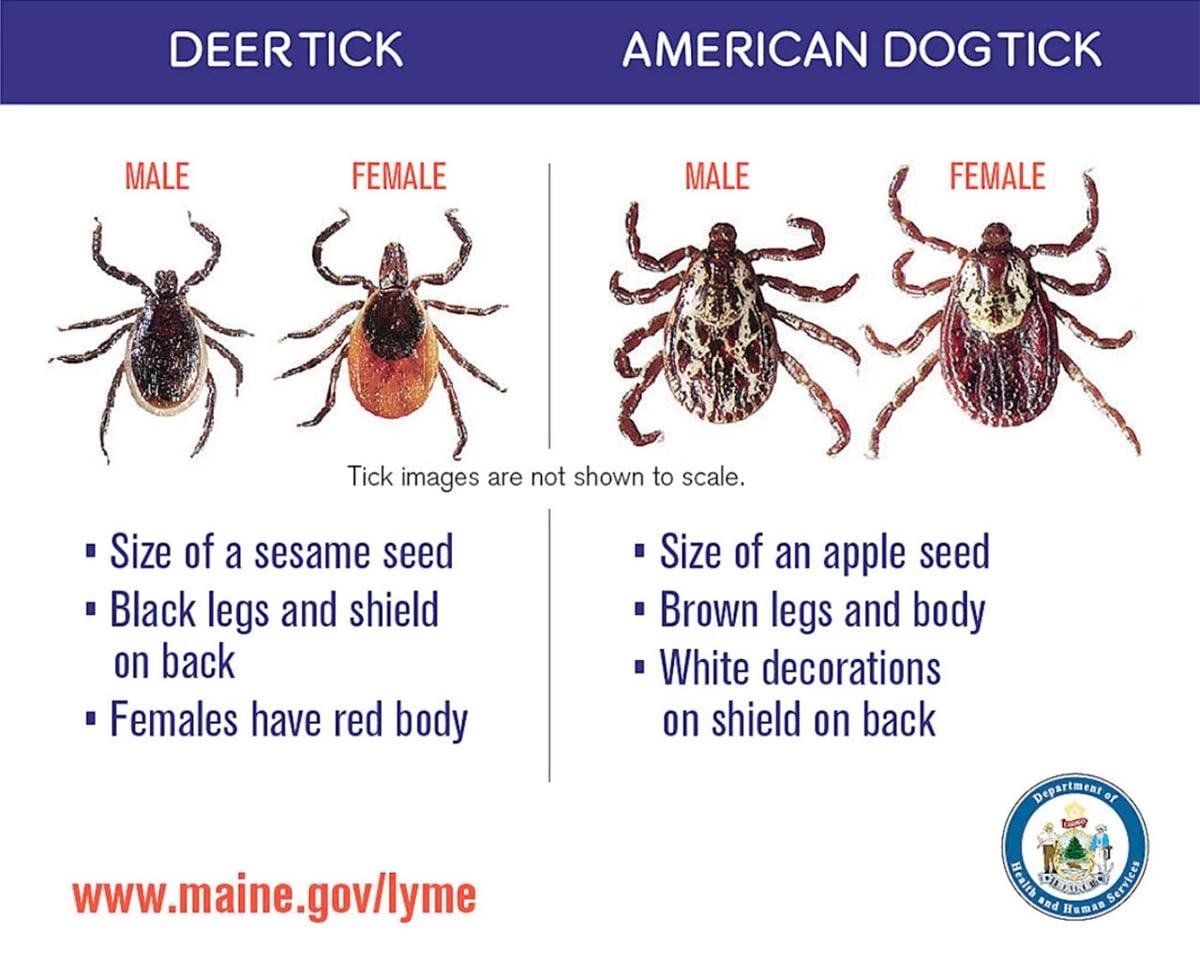
- American Dog Tick (Dermacentor variabilis): Often found in grassy areas and forests, these ticks can cause irritation and transmit other diseases, though Lyme disease is not their primary concern.
- Brown Dog Tick (Rhipicephalus sanguineus): Unique for living indoors and outdoors, this tick can infest kennels and homes, making them tough to eliminate.
- Deer Tick or Blacklegged Tick (Ixodes scapularis): Smaller and harder to spot, these ticks are the main carriers of Lyme disease in many parts of North America.
Have you ever found a tiny tick on your dog after a walk? It might have been a deer tick, which is easy to miss but dangerous.
Ticks That Transmit Lyme Disease
Not all ticks transmit Lyme disease. The primary vector is the deer tick (Ixodes scapularis)in the northeastern and north-central United States, and the western blacklegged tick (Ixodes pacificus)on the West Coast.
These ticks pick up the Lyme-causing bacteria, Borrelia burgdorferi, from small animals like mice and then pass it on to your dog during feeding. Other ticks, like the American dog tick and brown dog tick, do not usually carry this bacteria.
Understanding which ticks carry Lyme disease helps you focus on prevention, like checking your dog thoroughly after visits to wooded or grassy areas where deer ticks live.
Credit: www.keysnews.com
How Lyme Disease Spreads
Lyme disease is a serious concern for dog owners. Understanding how it spreads is crucial. Dog ticks, especially black-legged ticks, can carry this disease. The infection begins when a tick bites an infected animal. This process involves multiple stages and hosts.
Tick Life Cycle
Ticks have a complex life cycle. It includes four stages: egg, larva, nymph, and adult. Each stage requires a blood meal to progress. Ticks often feed on small mammals and birds. At the nymph and adult stages, they can bite dogs and humans.
Ticks wait on grass and bushes for hosts. They grab onto passing animals or people. This increases the chance of Lyme disease spread.
Transmission To Dogs
Lyme disease transmission to dogs occurs through tick bites. A tick must be attached for 36-48 hours to transmit the bacteria. Early removal of ticks is critical. Check your dog regularly, especially after walks in wooded areas.
Infected dogs may show symptoms like fever and joint pain. Early detection can prevent severe complications. Always consult a vet if your dog shows unusual symptoms.
Signs Of Lyme Disease In Dogs
Recognizing the signs of Lyme disease in dogs is crucial for early treatment. This illness spreads through tick bites and can cause serious health issues. Watching for symptoms helps pet owners act quickly and protect their dogs’ well-being.
Early Symptoms
- Lameness or limping that moves from one leg to another
- Swollen joints causing pain and stiffness
- Fever, often mild but persistent
- Loss of appetite or decreased interest in food
- Fatigue or low energy levels
- Swollen lymph nodes near the tick bite area
These early signs can appear days to weeks after a tick bite. Some dogs may show only mild symptoms, making detection harder without close observation.
Long-term Effects
- Chronic joint pain and arthritis
- Kidney damage leading to serious illness
- Heart inflammation causing irregular heartbeat
- Nervous system issues like weakness or paralysis
- Weight loss and poor coat condition
If untreated, Lyme disease can become severe and affect multiple organs. Long-term care may be needed to manage these effects and improve quality of life.

Credit: eriecountypa.gov
Testing And Diagnosis
Testing and diagnosis play a crucial role in identifying whether your dog has contracted Lyme disease from ticks. Early and accurate detection helps prevent serious health problems and ensures timely treatment. Understanding the tests available and how to interpret their results can empower you to make informed decisions about your pet’s health.
Veterinary Tests Available
Veterinarians use several tests to check if your dog has been exposed to the bacteria that cause Lyme disease. The most common test is the serologic test, which detects antibodies against Borrelia burgdorferi, the Lyme disease bacteria.
Other tests include:
- SNAP 4Dx Test:A quick in-office test that screens for Lyme disease along with other tick-borne illnesses.
- Western Blot Test:Used to confirm positive results from initial antibody tests.
- Polymerase Chain Reaction (PCR):Detects bacterial DNA in the blood but is less commonly used due to variable sensitivity.
Which test your vet chooses depends on your dog’s symptoms and exposure risk. Have you noticed any unusual signs in your dog after a tick bite? Sharing this information with your vet can guide the testing process.
Interpreting Results
Positive test results don’t always mean your dog is sick. Antibodies can show up if your dog was exposed but never developed the disease. Your vet will evaluate test results alongside symptoms, such as fever, joint pain, or lethargy.
False negatives can occur, especially early in infection when antibodies haven’t formed yet. If your dog has symptoms but tests negative, your vet might recommend retesting or additional diagnostics.
It’s important to ask your vet these questions:
- What does this test result mean for my dog’s health right now?
- Should we start treatment immediately or wait for more signs?
- How often should my dog be retested?
Understanding the test results helps you avoid unnecessary worry or delay in treatment. Your dog’s health depends on clear communication and timely action.
Treatment Options
When your dog is diagnosed with Lyme disease, understanding the treatment options is essential to help them recover quickly and comfortably. The right treatment can stop the infection from spreading and ease symptoms your dog may be experiencing. Let’s look at how medications and supportive care play a role in fighting this tick-borne illness.
Medications Used
Antibiotics are the primary treatment for Lyme disease in dogs. Doxycycline is often the first choice because it targets the bacteria causing the infection effectively.
Your vet might also prescribe amoxicillin or cefuroxime if doxycycline isn’t suitable. Treatment usually lasts for at least 4 weeks, but your dog’s response will guide any changes.
Have you noticed how quickly your dog responds once antibiotics start? It’s a strong sign that early treatment really makes a difference.
Supportive Care
Besides antibiotics, supportive care helps your dog feel better during recovery. Pain relievers and anti-inflammatory medications can ease joint pain and swelling that Lyme disease often causes.
Providing a comfortable resting space and limiting strenuous activities gives your dog time to heal. Keeping your dog hydrated and monitoring their appetite also supports recovery.
Think about what small changes you can make at home to reduce your dog’s discomfort. Sometimes, simple adjustments can speed up healing significantly.
Preventing Tick Bites
Preventing tick bites is essential to protect your dog from Lyme disease and other tick-borne illnesses. Ticks can be tiny and hard to spot, which makes proactive prevention the best defense. You have more control than you might think over your pet’s exposure to ticks.
Tick Control Products
Several products are designed specifically to keep ticks off your dog. These include collars, topical treatments, and oral medications. Each option has its pros and cons, so consider your dog’s lifestyle and health when choosing.
- Tick collarsprovide long-lasting protection and are easy to use. Some collars repel ticks, while others kill them on contact.
- Topical treatmentsare applied monthly and work by killing ticks when they bite your dog. They can also repel other pests.
- Oral medicationsare chewable pills that kill ticks quickly after they attach. This is helpful if your dog is very active outdoors.
Have you noticed how quickly ticks can appear after a walk in the park? Using these products regularly can save you from a lot of worry and vet visits.
Environmental Management
Your yard can be a tick hotspot, but you can reduce the risk with smart landscaping. Keep grass short and remove leaf litter where ticks like to hide. Creating a barrier of wood chips or gravel between wooded areas and your lawn can also help.
Consider where your dog spends most time outside and make those areas less tick-friendly. Avoid dense bushes and tall grasses during walks, especially in spring and summer when ticks are most active.
- Clear away brush and tall weeds around your yard’s edges.
- Stack firewood in dry, sunny spots to discourage rodents that carry ticks.
- Regularly check your dog after outdoor play, focusing on hidden spots like ears and between toes.
Could changing your yard’s setup be the missing step in keeping ticks off your dog? Small adjustments make a big difference.
When To See A Vet
Ticks on dogs can cause serious health problems. Lyme disease is one of the main concerns. Knowing when to see a vet helps protect your pet’s health. Early care improves recovery and reduces risks.
Urgent Signs
- High fever lasting more than two days
- Swollen, painful joints or limping
- Loss of appetite or unusual tiredness
- Visible tick still attached or embedded
- Red, inflamed skin around the tick bite
- Difficulty walking or stiffness
- Swollen lymph nodes
These signs need immediate vet attention. Quick treatment prevents Lyme disease from worsening.
Routine Checkups
Regular vet visits keep your dog healthy. Ask the vet to check for ticks after outdoor activities. Early detection can stop infections early.
Routine blood tests can spot Lyme disease before symptoms appear. Your vet can suggest tick prevention methods too. Prevention is easier than treatment.
Frequently Asked Questions
Can Dog Ticks Transmit Lyme Disease To Humans?
Yes, dog ticks can carry Lyme disease bacteria. They can transmit it to humans through bites. Proper tick removal reduces infection risk.
How Common Is Lyme Disease In Dogs?
Lyme disease in dogs is fairly common in tick-infested areas. Infected ticks transmit Borrelia burgdorferi bacteria to dogs during feeding.
What Symptoms Indicate Lyme Disease In Dogs?
Symptoms include fever, lameness, swollen joints, and fatigue. Early detection is crucial for effective treatment and recovery.
How Can I Prevent Ticks On My Dog?
Use vet-recommended tick preventatives, check your dog after outdoor activities, and keep your yard tick-free. Early prevention lowers Lyme disease risk.
Conclusion
Dog ticks can carry Lyme disease, but not all do. Checking your dog after outdoor activities helps catch ticks early. Removing ticks quickly lowers the chance of infection. Keep your yard clean and use tick prevention products. Watching your dog’s health for changes is important.
Quick action protects your dog from serious illness. Stay aware and keep your pet safe from ticks.

Emily Barker is the founder of ChillDogLife.com, a space dedicated to helping pup parents discover the best dog products, lifestyle tips, and cozy ideas for happier homes.
A lifelong dog lover, Emily combines her passion for pets with a knack for research to share trusted recommendations on everything from toys and furniture to health and everyday care.
Her goal is simple: to make life easier, stylish, and more joyful for dogs and the people who love them.




