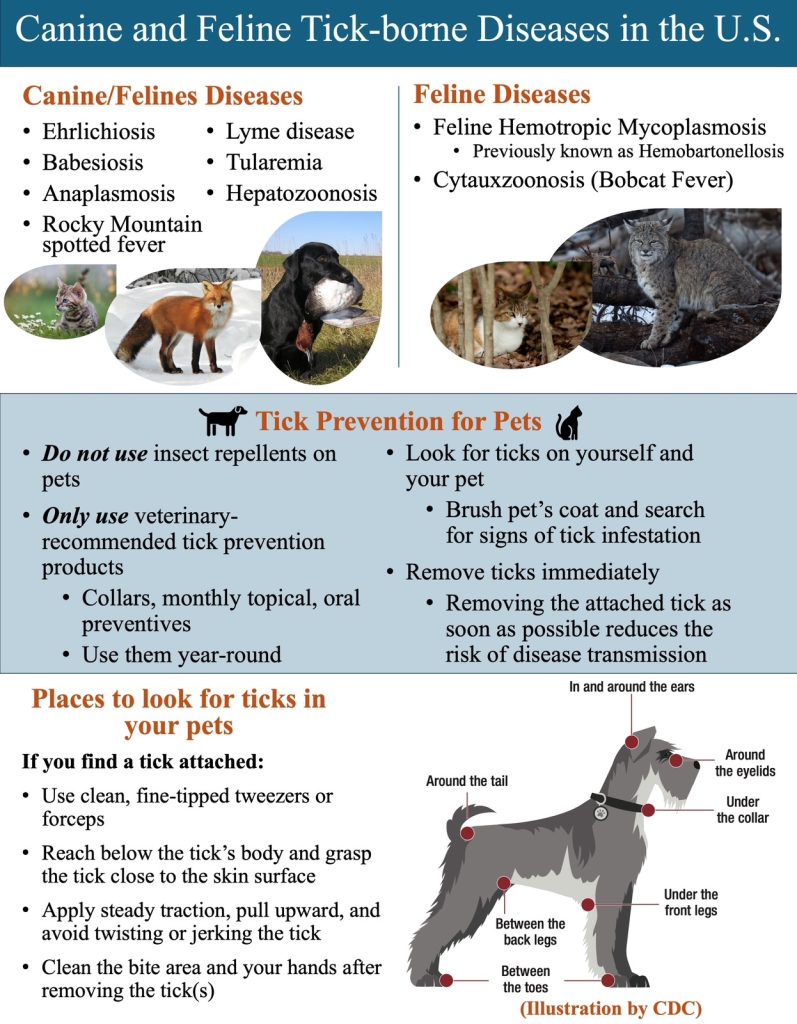
Have you ever wondered what dangers could be lurking on your dog’s skin after a walk in the park? Ticks might seem tiny and harmless, but they can carry serious diseases that affect your furry friend’s health.
Understanding what diseases dog ticks carry is crucial for protecting your pet and keeping them happy and safe. You’ll discover the most common illnesses ticks transmit and learn how to spot the signs early. Keep reading—your dog’s well-being depends on it.
Credit: www.algomapublichealth.com
Common Tick Species On Dogs
Ticks pose a serious health risk to dogs. Different tick species carry different diseases. Knowing common tick types helps protect your dog better. Here are the main ticks found on dogs.
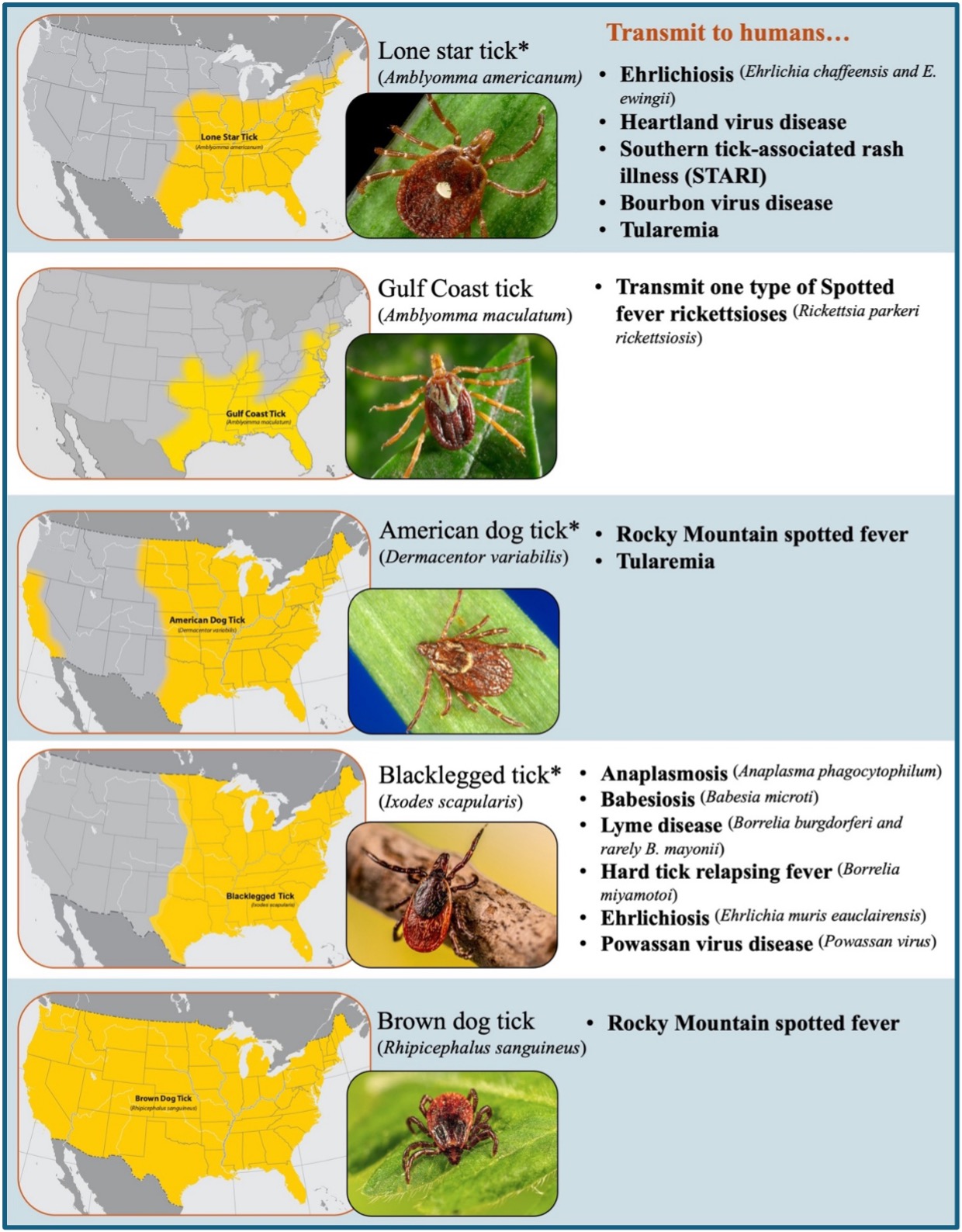
Deer Tick
Deer ticks are small and dark. They often carry Lyme disease. This disease affects joints and the heart. Deer ticks also spread anaplasmosis, causing fever and weakness. These ticks are common in wooded areas.
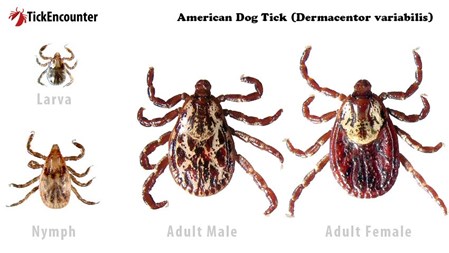
American Dog Tick
American dog ticks are larger and brown. They can transmit Rocky Mountain spotted fever. This illness causes rash, fever, and muscle pain. These ticks prefer grassy and open spaces. Dogs often get bitten during walks or play.
Brown Dog Tick
Brown dog ticks are reddish-brown and live mostly indoors. They spread ehrlichiosis, which affects the immune system. Brown dog ticks can also cause tick paralysis. They thrive in kennels and homes with pets.
Lone Star Tick
Lone star ticks are known for the white spot on females. They carry ehrlichiosis and tularemia. Tularemia causes fever, skin ulcers, and swollen glands. These ticks live in dense brush and wooded areas. They can bite dogs and humans alike.
Tick-borne Diseases Affecting Dogs
Ticks carry more than just an annoying bite—they can transmit serious diseases to your dog. Understanding the illnesses ticks spread helps you catch symptoms early and protect your furry friend. Let’s look at the main tick-borne diseases affecting dogs and what signs you should watch for.
Lyme Disease
Lyme disease is one of the most common tick-borne illnesses in dogs. It’s caused by the bacterium Borrelia burgdorferi, which ticks pass during feeding.
Dogs with Lyme may show lameness, fever, swollen joints, and lethargy. Sometimes symptoms appear weeks after the tick bite, making it tricky to link to the tick.
Have you noticed your dog suddenly limping or seeming tired? That could be a sign to visit your vet right away.
Ehrlichiosis
Ehrlichiosis comes from bacteria called Ehrlichia, transmitted by ticks like the brown dog tick. It targets your dog’s white blood cells, weakening their immune system.
Symptoms include fever, weight loss, nosebleeds, and swollen lymph nodes. Because these signs overlap with other illnesses, blood tests are key to diagnosis.
Think about your dog’s exposure to tick habitats—early vet visits can make all the difference.
Anaplasmosis
Another stealthy disease is anaplasmosis, caused by Anaplasma phagocytophilum. It spreads through tick bites and attacks your dog’s platelets, which help blood clot.
Look for symptoms like fever, joint pain, vomiting, and lethargy. Many dogs recover with prompt antibiotics, but untreated cases can worsen.
Do you check your dog for ticks after outdoor adventures? It’s a simple habit that can prevent this illness.
Rocky Mountain Spotted Fever
This serious disease is caused by the bacterium Rickettsia rickettsii. Rocky Mountain Spotted Fever can cause severe symptoms in dogs and requires immediate attention.
Watch for fever, swollen limbs, difficulty breathing, and bleeding. This disease can progress quickly, so don’t wait if you notice these signs.
Have you ever seen your dog with unusual bruising or swelling after a tick bite? That’s a red flag worth checking with your vet.
Babesiosis
Babesiosis infects red blood cells through tick bites, leading to anemia and weakness. It’s caused by microscopic parasites called Babesia.
Symptoms include pale gums, dark urine, fever, and loss of appetite. Treatment often involves medications to kill the parasite and supportive care.
If your dog seems unusually tired or weak after being outdoors, ask your vet about testing for babesiosis.
Symptoms Of Tick-borne Illnesses In Dogs
Tick-borne illnesses in dogs often show a range of symptoms. Early detection helps prevent serious health problems. Symptoms may vary but usually affect your dog’s energy, joints, and skin. Watch closely for changes in behavior or health after a tick bite.
Fever And Fatigue
Dogs with tick-borne diseases often develop a high fever. They may seem tired and less active than usual. These signs can appear suddenly and last for days. Fatigue makes your dog less interested in walks and playtime.
Joint Pain And Lameness
Joint pain is common in dogs infected by ticks. Your dog may limp or avoid putting weight on a leg. The joints might appear swollen or warm to the touch. Lameness can come and go, shifting from one leg to another.
Neurological Signs
Some tick illnesses affect the nervous system. Dogs may show confusion or have trouble walking. Tremors or seizures can also occur. These signs need urgent veterinary attention to avoid lasting damage.
Loss Of Appetite
A sick dog often loses interest in food. This symptom can lead to weight loss and weakness. Loss of appetite may last for several days. It reduces the dog’s energy and slows recovery.
Skin Irritations
Tick bites can cause redness and swelling on the skin. Your dog might scratch or bite the affected area. Sometimes, sores or rashes develop around the bite. These irritations can become infected if not treated.

Credit: www.everydayhealth.com
Risks To Human Health From Dog Ticks
Dog ticks pose more than just a nuisance to your furry friend—they can also threaten your health. These tiny parasites carry various diseases that can jump from your pet to you. Understanding the risks is essential for protecting both yourself and your family.
Transmission To Humans
Ticks latch onto dogs and feed on their blood, picking up harmful bacteria and viruses along the way. When a tick bites a human, it can transfer these pathogens. Unlike fleas, ticks stay attached for hours or even days, increasing the chance of disease transmission.
Have you ever found a tick crawling on your skin after a walk with your dog? That moment could be the start of an infection if the tick is carrying disease. Common illnesses passed to humans include Lyme disease, Rocky Mountain spotted fever, and ehrlichiosis.
Preventing Tick Bites
Preventing tick bites is your best defense. Check your dog regularly, especially after outdoor activities, for any ticks. Remove them promptly and properly to reduce risk.
- Use veterinarian-recommended tick prevention treatments on your dog.
- Wear long sleeves and pants when walking in tick-prone areas.
- Apply tick repellents approved for human use before outdoor activities.
- Keep your yard clean by mowing grass and removing leaf litter.
What small change can you make today to reduce tick encounters? Maybe it’s as simple as a quick tick check after every walk.
Symptoms In Humans
Tick-borne diseases often start with flu-like symptoms such as fever, headache, and fatigue. Some people develop a distinctive rash, like the bullseye rash seen in Lyme disease. If left untreated, these illnesses can lead to serious complications including joint pain, neurological issues, and heart problems.
Pay attention to any unusual symptoms after a tick bite. Early detection and treatment with antibiotics can make a huge difference. Don’t hesitate to visit your doctor if you suspect a tick-related illness.
Tick Prevention And Control For Dogs
Ticks pose a serious health risk to dogs, carrying diseases that can cause long-term harm. Preventing and controlling ticks on your dog is essential not just for comfort but to avoid illnesses like Lyme disease and ehrlichiosis. Staying proactive with prevention can save you stressful vet visits and protect your furry friend’s wellbeing.
Tick Repellents And Medications
There are many effective tick repellents and medications designed specifically for dogs. Topical treatments, oral medications, and tick collars can all help keep ticks at bay. Make sure to choose products approved by your vet, as some options work better in different regions or seasons.
Using these products consistently is key. Missing a dose or application window can leave your dog vulnerable. Have you checked if your dog’s tick medication covers the types of ticks common in your area?
Regular Grooming And Inspection
Regularly grooming your dog helps you spot ticks before they latch on too firmly. Use a fine-toothed comb and check common hiding spots like behind the ears, under the collar, and between toes. This habit can catch ticks early, reducing the chance of disease transmission.
Make grooming a bonding time, so your dog enjoys it and stays calm. Have you noticed how much easier it is to find ticks during a calm, focused session?
Environmental Management
Ticks thrive in tall grass, leaf litter, and wooded areas. Keeping your yard tidy by mowing regularly and removing debris lowers the tick population near your home. Creating a tick-safe zone can significantly reduce the chances of your dog picking up ticks during outdoor play.
If you walk your dog in wooded or grassy areas, consider using a leash to avoid dense underbrush. Are you aware of the tick hotspots around your neighborhood? Targeting these can help you plan safer walks.
Vaccinations
Vaccines are available for certain tick-borne diseases like Lyme disease. While they don’t prevent tick bites, they can reduce the severity of illness if your dog becomes infected. Discuss vaccination options with your vet to see if they fit your dog’s risk profile.
Vaccination adds an extra layer of protection alongside repellents and grooming. Have you considered how combining strategies could better protect your dog against ticks?
Credit: outdoor.wildlifeillinois.org
Removing Ticks Safely
Removing ticks from your dog quickly and correctly is crucial to prevent the transmission of dangerous diseases. Handling ticks with care reduces the risk of leaving mouthparts embedded or causing further irritation. Knowing how to remove ticks safely empowers you to protect your furry friend effectively.
Proper Tools And Techniques
Use fine-tipped tweezers or a specialized tick removal tool to grasp the tick as close to your dog’s skin as possible. Avoid squeezing the tick’s body, which can push harmful bacteria into your dog’s bloodstream.
Pull the tick straight upward with steady, even pressure. Twisting or jerking can cause parts of the tick to break off and remain embedded. After removal, clean the bite area and your hands with antiseptic.
What To Avoid
Never use bare fingers to remove ticks, as this increases the chance of infection. Avoid applying petroleum jelly, nail polish, or heat to try to detach the tick; these methods can cause the tick to release more saliva and pathogens.
Resist the urge to crush the tick with your fingers. Instead, dispose of it by submerging it in alcohol or sealing it in a bag to prevent it from crawling back onto your dog or you.
Aftercare And Monitoring
Once the tick is removed, watch your dog’s bite site for redness, swelling, or discharge over the next few days. These signs may indicate infection or an allergic reaction requiring veterinary attention.
Keep an eye on your dog’s behavior and appetite. If you notice lethargy, fever, or unusual symptoms, contact your vet immediately. Early detection is key to treating tick-borne diseases effectively.
When To See A Veterinarian
Ticks can carry serious diseases that affect your dog’s health. Recognizing when to visit a veterinarian is vital. Early care can stop infections from worsening. Watch your dog closely after any tick bite. Some symptoms may need immediate medical attention.
Early Warning Signs
- Fever or unusual tiredness
- Loss of appetite
- Swollen joints or limping
- Excessive scratching or redness at bite site
- Difficulty breathing or coughing
- Unsteady walking or weakness
- Swollen lymph nodes
Noticing any of these signs calls for a vet visit. Early detection improves treatment success.
Diagnostic Tests
Vets use tests to confirm tick-borne diseases. These may include blood tests to check for infection.
- Complete blood count (CBC)
- Blood smear examination
- Polymerase chain reaction (PCR) tests
- Serology tests for antibodies
Tests help identify the exact disease. This ensures the right treatment plan.
Treatment Options
Treatment depends on the disease and severity. Antibiotics are common for bacterial infections.
- Antibiotic therapy for diseases like Lyme or Ehrlichiosis
- Supportive care such as fluids and rest
- Anti-inflammatory drugs to reduce pain and swelling
- Hospitalization in severe cases
Follow the vet’s instructions carefully. Timely treatment leads to better recovery.
Frequently Asked Questions
What Diseases Can Dog Ticks Transmit?
Dog ticks can transmit several diseases, including Lyme disease, Rocky Mountain spotted fever, and Ehrlichiosis. These diseases can affect both dogs and humans. It’s crucial to check your pet regularly for ticks and remove them promptly to prevent disease transmission.
How Does Lyme Disease Affect Dogs?
Lyme disease in dogs can cause fever, lameness, and swollen joints. It can also lead to kidney damage if untreated. Early detection and treatment are crucial for recovery. Always consult your veterinarian if you suspect your dog has Lyme disease.
Can Ticks Cause Paralysis In Dogs?
Yes, certain ticks can cause paralysis in dogs. Tick paralysis occurs when a neurotoxin from the tick’s saliva affects the dog’s nervous system. Symptoms include weakness and difficulty walking. Immediate removal of the tick usually resolves the condition, but veterinary attention is often necessary.
Are Tick-borne Diseases Fatal To Dogs?
Tick-borne diseases can be fatal if not treated promptly. Diseases like Ehrlichiosis and Rocky Mountain spotted fever can have severe complications. Regular tick prevention and prompt veterinary care are essential to protect your dog's health.
Conclusion
Dog ticks carry several diseases that can harm your pet. Lyme disease, ehrlichiosis, and anaplasmosis are common examples. These illnesses cause fever, tiredness, and loss of appetite in dogs. Checking your dog for ticks after walks helps prevent infections. Use tick prevention treatments as recommended by your vet.
Early detection and care keep your dog healthy and happy. Stay alert and protect your furry friend from these risks. Taking simple steps makes a big difference in your dog’s health.

Emily Barker is the founder of ChillDogLife.com, a space dedicated to helping pup parents discover the best dog products, lifestyle tips, and cozy ideas for happier homes.
A lifelong dog lover, Emily combines her passion for pets with a knack for research to share trusted recommendations on everything from toys and furniture to health and everyday care.
Her goal is simple: to make life easier, stylish, and more joyful for dogs and the people who love them.




