Have you ever wondered if the American dog tick can put you or your pet at risk of Lyme disease? If you spend time outdoors or have a furry friend who does, this question is more important than you might think.
Understanding whether these ticks carry Lyme disease can help you take the right steps to protect your loved ones. Keep reading to discover the facts, clear up common misconceptions, and learn how to stay safe from tick-borne illnesses. This knowledge could make all the difference the next time you step outside.
Credit: www.keysnews.com
American Dog Tick Basics
Understanding the basics of the American dog tick is key to knowing the risks it may pose, including whether it carries Lyme disease. These ticks are common across many parts of the United States and often latch onto pets and humans alike. Getting familiar with their traits, habitat, and life cycle helps you spot them early and take action.
Physical Traits
American dog ticks are relatively large compared to other ticks. Adult ticks measure about 5mm to 15mm when fully fed, making them easier to spot.
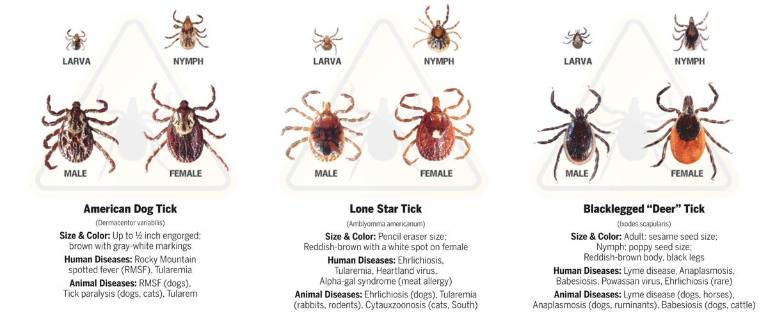
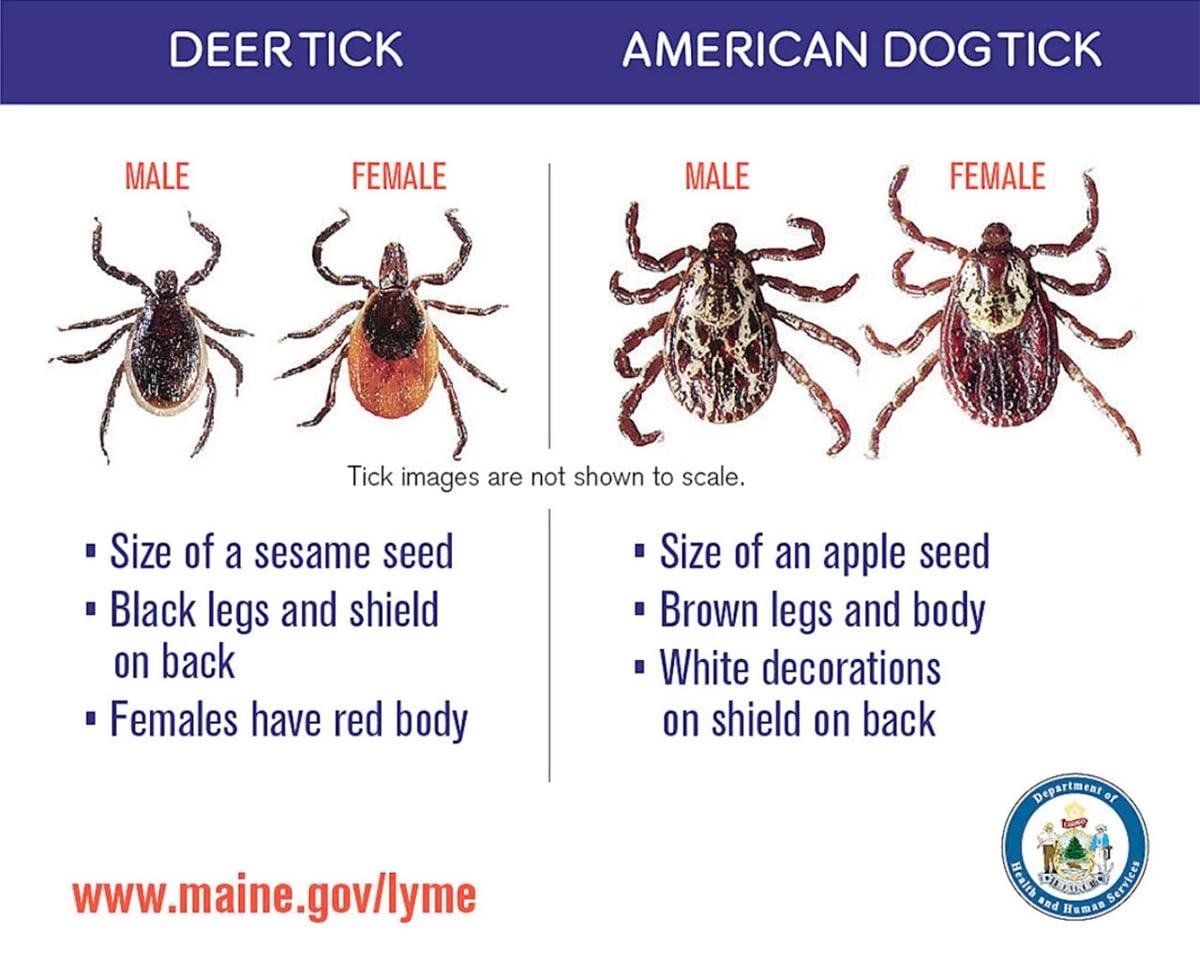
They have a reddish-brown body with a distinctive white or cream-colored shield on their backs. This shield, called a scutum, helps identify them quickly.
You might notice their legs are slightly darker, and they have mouthparts designed to anchor firmly into the skin. Have you ever noticed a small bug attached to your pet that looks like this?
Habitat And Range
These ticks prefer grassy fields, wooded areas, and places with dense brush. They often wait on low vegetation to latch onto passing animals or people.
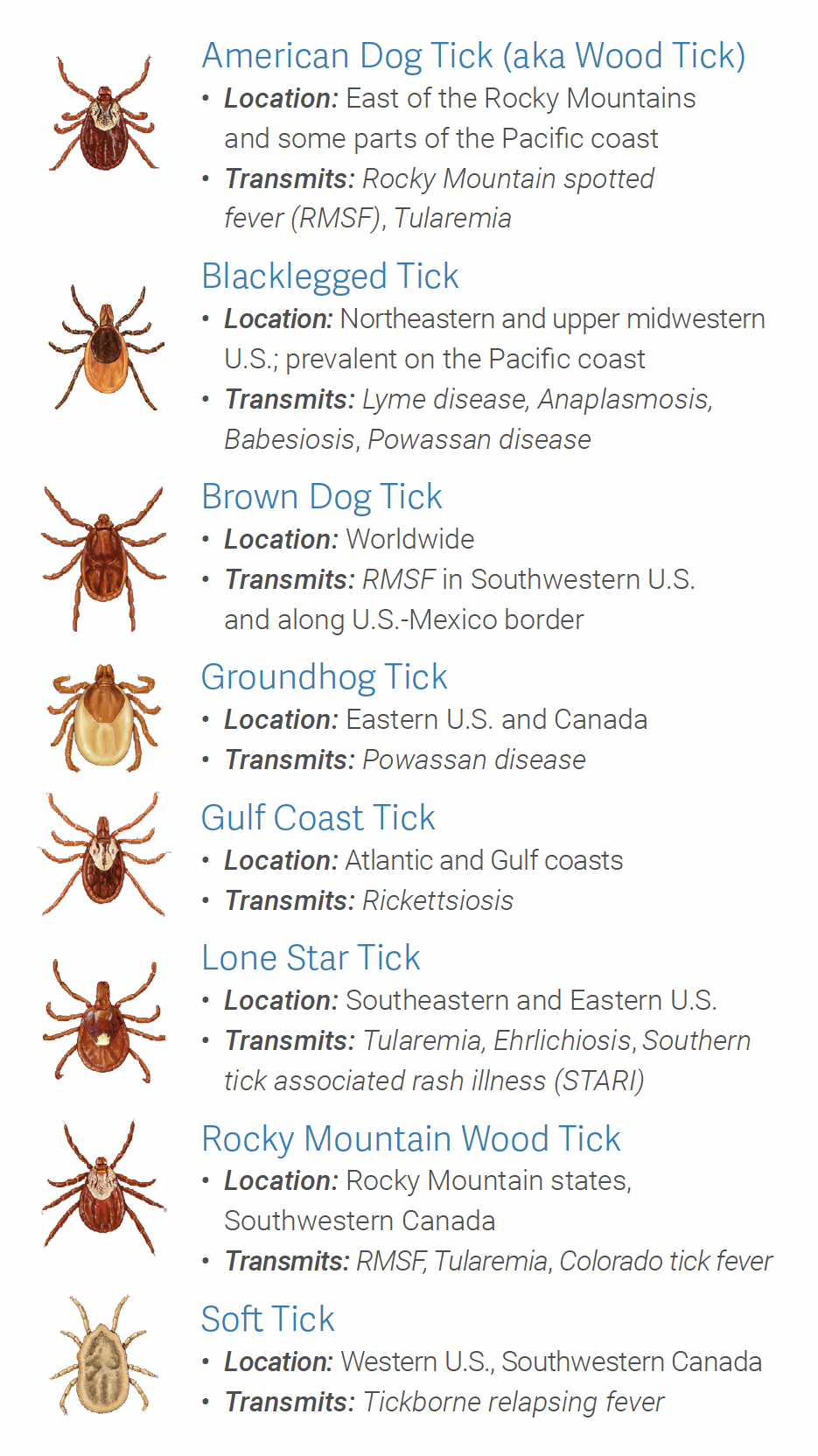
American dog ticks are widespread across the eastern United States, parts of the Midwest, and along the West Coast. They thrive in areas where dogs and wildlife like deer are common.
If you enjoy hiking or letting your dog roam in these environments, it’s important to check for ticks afterward. Do you know the common spots where ticks like to hide on your body or your pet?
Life Cycle
The American dog tick’s life cycle has four stages: egg, larva, nymph, and adult. Each stage needs a blood meal to progress to the next.
After hatching, larvae seek a small host to feed on, then molt into nymphs. Nymphs feed again before becoming adults, which then look for larger hosts like dogs or humans.
This process can take up to two years depending on environmental conditions. Knowing this helps you understand when tick activity peaks and when you should be most vigilant.
Lyme Disease And Ticks
When it comes to outdoor adventures, ticks can be an unexpected companion. You might wonder if every tick bite carries the risk of Lyme disease. Specifically, do American dog ticks pose a threat? Understanding which ticks are culprits and how Lyme disease is transmitted can help you stay safe and informed.
What Causes Lyme Disease
Lyme disease is primarily caused by the bacterium Borrelia burgdorferi. This bacterium is transmitted to humans through the bite of infected ticks. While not all ticks carry the bacteria, those that do can lead to serious health issues if not addressed promptly.
Tick Species That Carry Lyme
The black-legged tick, also known as the deer tick, is the main carrier of Lyme disease. Found primarily in the northeastern, north-central, and Pacific coastal regions of the United States, these ticks are more likely to transmit Lyme disease. In contrast, the American dog tick is not known to carry Lyme disease, offering some relief if you live in areas where they are prevalent.
Transmission Process
Understanding how Lyme disease is transmitted can help you take preventative measures. The process begins when an infected tick bites a human, typically attaching itself for 36 to 48 hours. If you remove a tick within 24 hours, the risk of contracting Lyme disease significantly decreases.
Regular tick checks after outdoor activities can be your first line of defense. Have you checked yourself or your pets recently? Early detection can make all the difference in preventing this disease.
Do American Dog Ticks Carry Lyme?
Wondering if American dog ticks carry Lyme disease is a common concern for many pet owners and outdoor enthusiasts. Understanding the relationship between these ticks and Lyme disease helps you take the right precautions. Let’s dig into what science says, how they compare to other ticks, and what factors increase your risk.
Scientific Findings
Research shows that American dog ticks (Dermacentor variabilis) are not the primary carriers of Lyme disease. The bacteria responsible, Borrelia burgdorferi, is rarely found in this species. Most confirmed Lyme cases link back to black-legged ticks, also called deer ticks.
However, American dog ticks can transmit other diseases like Rocky Mountain spotted fever. It’s important not to ignore these ticks just because they rarely carry Lyme. Always remove ticks promptly and monitor for symptoms.
Comparison With Other Ticks
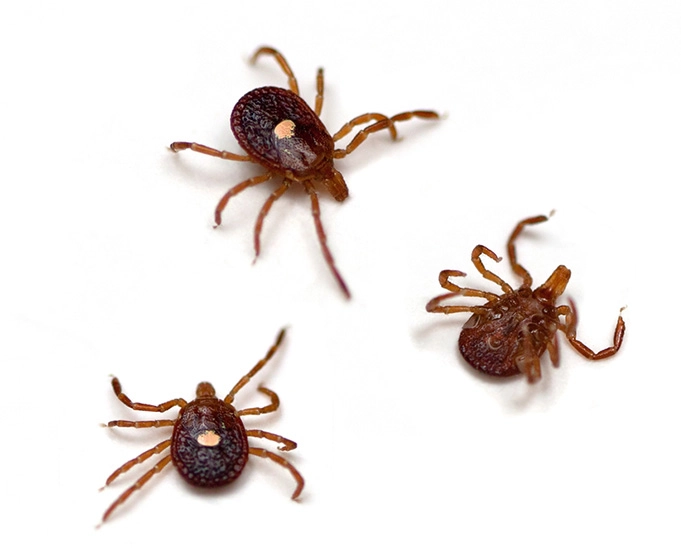
The black-legged tick (Ixodes scapularis) is the main Lyme disease vector in the United States. Unlike the American dog tick, it thrives in wooded and brushy areas. Its bite is stealthy, often going unnoticed, which increases infection risk.
American dog ticks prefer grassy or open areas and tend to latch onto dogs and humans alike. While they rarely carry Lyme, their bites can still cause irritation and other infections. Knowing where different ticks live can help you avoid them more effectively.
Risk Factors
Your risk of Lyme disease depends on where you spend time and how long ticks remain attached. If you hike in dense forests where black-legged ticks are common, your chances rise. Wearing protective clothing and checking your body after outdoor activities reduces risk significantly.
- Living in or visiting areas known for black-legged tick populations
- Spending long periods outdoors without tick prevention measures
- Not performing thorough tick checks on yourself and pets
Have you ever found a tick and wondered what type it was? Identifying ticks accurately can save you from unnecessary worry or missed symptoms. Don’t wait until you see a rash—act fast if you find any tick on your skin.
Credit: workcare.com
Symptoms Of Tick-borne Illnesses
Tick bites can cause various illnesses with different symptoms. Knowing these symptoms helps catch diseases early. Early treatment can prevent serious health problems. Symptoms vary by the type of tick and infection. Some symptoms appear soon after the bite. Others may take days or weeks to show.
Lyme Disease Symptoms
Lyme disease is caused by bacteria from certain ticks. Early signs include:
- A red rash that often looks like a bull’s-eye
- Fever and chills
- Headache and muscle aches
- Fatigue and joint pain
- Swollen lymph nodes near the bite
If untreated, Lyme disease can cause long-term problems. These include arthritis, nerve pain, and heart issues.
Symptoms From American Dog Tick Bites
American dog ticks can carry other diseases, not Lyme. Symptoms from their bites include:
- High fever and severe headache
- Muscle aches and weakness
- Rash, but often different from Lyme’s bull’s-eye
- Nausea and vomiting
- Confusion or difficulty concentrating
Tick paralysis is another rare condition from these ticks. It causes muscle weakness that can worsen quickly.
When To Seek Medical Help
See a doctor if you develop symptoms after a tick bite. Early diagnosis improves treatment success. Seek help if you notice:
- Fever with rash or flu-like symptoms
- Red expanding skin rash
- Severe headache or stiff neck
- Muscle weakness or numbness
- Joint pain or swelling
Tell your doctor about any recent tick exposure. Prompt care can prevent serious illness.
Preventing Tick Bites
Preventing tick bites is your first and best defense against Lyme disease. Ticks are tiny but can carry serious health risks, so taking simple precautions can make a big difference. How you prepare before heading outdoors can determine whether you come home safe or with an unwanted hitchhiker.
Protective Clothing
Wearing the right clothing creates a physical barrier between you and ticks. Opt for long sleeves and pants, ideally light-colored so ticks are easier to spot. Tuck your pants into socks to close off entry points where ticks might crawl.
I’ve learned the hard way that shorts and sandals invite ticks to explore your skin freely. Covering up doesn’t mean you have to sweat—choose breathable fabrics designed for outdoor activities. Are you willing to trade a little discomfort for peace of mind?
Tick Repellents
Applying a tick repellent can significantly reduce your chances of getting bitten. Look for products containing DEET, picaridin, or permethrin-treated clothing for extra protection. Always follow the instructions carefully to avoid skin irritation.
One time, I skipped repellent on a quick hike and regretted it when I found ticks on my clothes afterward. Spraying your gear and skin before you go out is a simple habit that pays off. What’s stopping you from adding this easy step to your routine?
Checking For Ticks
Performing thorough tick checks immediately after being outdoors is crucial. Pay close attention to hidden spots like behind ears, under arms, and around the waist. Prompt removal reduces the risk of disease transmission.
I keep a small mirror handy and make it a family ritual to check each other. It only takes a few minutes but can save you from weeks of worry or worse. How often do you check yourself after spending time outside?
Removing American Dog Ticks Safely
Removing American dog ticks safely is important to reduce the risk of infections. These ticks can carry harmful bacteria, so proper removal is key. Removing a tick quickly and correctly helps prevent diseases such as Lyme disease from spreading. Use calm and steady movements to avoid squeezing the tick’s body. This section explains how to remove ticks safely, what to avoid, and how to care for the area after removal.
Step-by-step Removal Guide
- Use fine-tipped tweezers to grasp the tick close to the skin.
- Pull upward with steady, even pressure. Avoid twisting or jerking.
- Keep pulling until the tick releases its grip and comes out.
- Do not squeeze the tick’s body to avoid releasing harmful fluids.
- Clean the bite area with soap and water or an antiseptic.
- Dispose of the tick by placing it in alcohol or sealing it in a bag.
What To Avoid
- Do not use bare fingers to remove the tick.
- Avoid crushing or squeezing the tick’s body during removal.
- Never burn the tick or apply substances like nail polish or petroleum jelly.
- Do not try to remove the tick with unclean tools or hands.
- Avoid delay in tick removal. The longer the tick stays, the higher the risk.
Aftercare Tips
- Wash the bite area daily with soap and water.
- Apply an antiseptic cream to prevent infection.
- Watch for symptoms like redness, swelling, or rash around the bite.
- Note any flu-like symptoms such as fever or fatigue in the next weeks.
- See a doctor if symptoms develop or the tick was attached for more than 24 hours.
When To Test For Lyme Disease
Knowing the right time to test for Lyme disease is key to effective treatment. Testing too early or too late can lead to inaccurate results. Understanding the signs and the best testing options helps ensure timely diagnosis. This section explains when to seek testing and how to understand the results.
Timing Of Symptoms
Lyme disease symptoms often appear 3 to 30 days after a tick bite. Early signs include fever, headache, and a red rash shaped like a bull’s-eye. Some people may not show symptoms immediately. Testing too soon might miss the infection. Wait for symptoms to develop before testing for better accuracy.
Testing Methods
Doctors use blood tests to detect Lyme disease. The most common are ELISA and Western blot tests. ELISA checks for antibodies your body makes against the bacteria. Western blot confirms ELISA results if needed. These tests work best a few weeks after symptoms start. Other tests include PCR, which looks for bacterial DNA.
Interpreting Results
A positive test means your body has fought the bacteria. Negative results early on don’t always rule out Lyme disease. Antibodies take time to build up and show in tests. Doctors may repeat tests after some weeks. Symptoms and exposure history are also important in diagnosis. Always discuss test results with a healthcare provider for clear guidance.
Credit: tickcontrol.com
Frequently Asked Questions
Do American Dog Ticks Transmit Lyme Disease?
No, American dog ticks are not known to transmit Lyme disease. Lyme disease is primarily spread by black-legged ticks, also called deer ticks. American dog ticks can transmit other illnesses, but Lyme disease is not one of them.
Which Ticks Commonly Carry Lyme Disease?
Black-legged ticks (deer ticks) are the primary carriers of Lyme disease. They are found mainly in the northeastern, mid-Atlantic, and north-central United States. American dog ticks do not carry Lyme disease but can spread other tick-borne diseases.
Can American Dog Ticks Cause Other Illnesses?
Yes, American dog ticks can transmit illnesses such as Rocky Mountain spotted fever and tularemia. However, they do not carry Lyme disease. It’s important to protect yourself from all tick bites to avoid various diseases.
How To Identify American Dog Ticks?
American dog ticks are reddish-brown with white markings on their backs. They are larger than black-legged ticks and have a different shape. Identifying ticks correctly helps assess the risk of specific diseases like Lyme disease.
Conclusion
American dog ticks rarely carry Lyme disease. They can spread other illnesses, though. Knowing which ticks pose risks helps protect your health. Check yourself and pets after outdoor time. Removing ticks quickly lowers infection chances. Stay aware and take simple steps to stay safe.
Prevention always beats cure.

Emily Barker is the founder of ChillDogLife.com, a space dedicated to helping pup parents discover the best dog products, lifestyle tips, and cozy ideas for happier homes.
A lifelong dog lover, Emily combines her passion for pets with a knack for research to share trusted recommendations on everything from toys and furniture to health and everyday care.
Her goal is simple: to make life easier, stylish, and more joyful for dogs and the people who love them.




