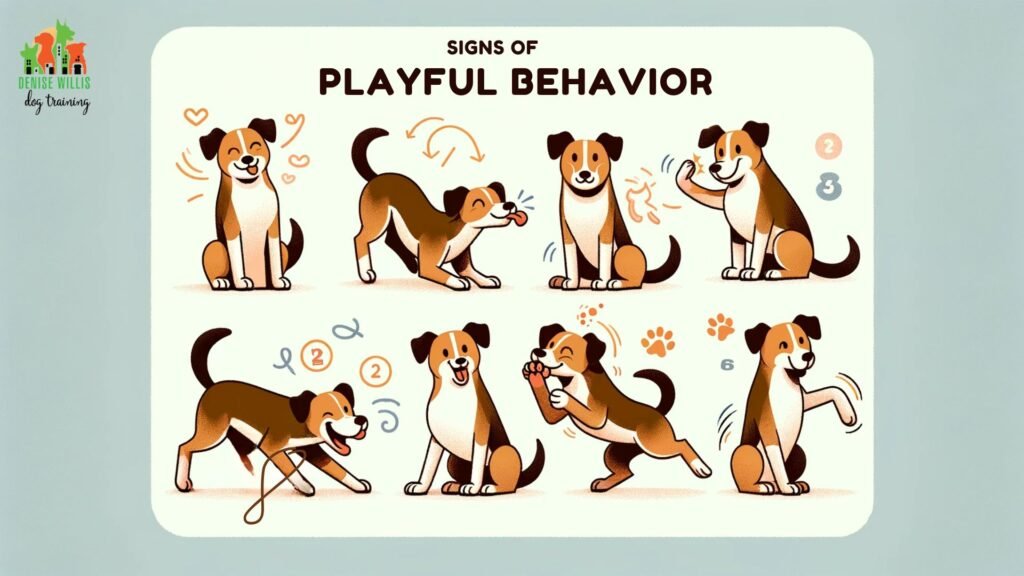
Are you struggling to understand why your dog acts out or behaves in ways that frustrate you? Behavior issues in dogs can be confusing and stressful for any pet owner.
But what if you could uncover the reasons behind your dog’s actions and learn simple steps to improve their behavior? This article will guide you through the most common behavior problems and show you how to create a happier, calmer relationship with your furry friend.
Keep reading—you’re about to discover the key to transforming your dog’s behavior and your peace of mind.
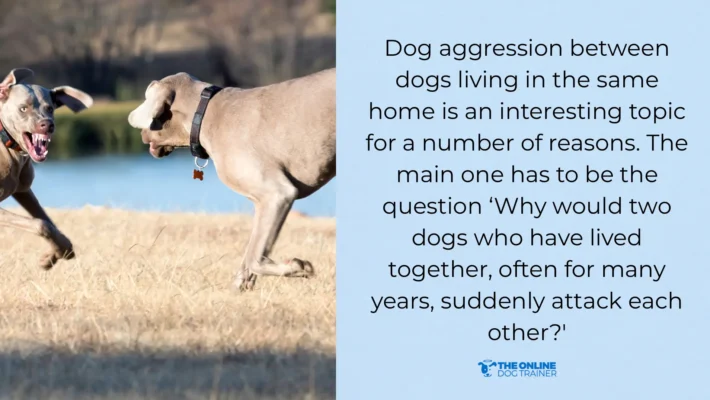
Credit: theonlinedogtrainer.com
Common Behavior Issues
Dogs can show many behavior problems that bother their owners. These issues may affect the dog’s happiness and safety.
Understanding common behavior problems helps owners manage and train their dogs better. Here are some frequent issues seen in dogs.
Aggression And Biting
Aggression is a serious problem in dogs. It can happen when dogs feel scared or threatened.
Biting can cause injuries and hurt relationships between dogs and people. It needs careful attention and training.
Excessive Barking
Dogs bark to communicate, but too much barking can annoy neighbors. It may happen if dogs feel lonely or bored.
Excessive barking can also mean the dog is trying to warn about danger or express stress.
Separation Anxiety
Separation anxiety occurs when dogs get upset being alone. They may cry, bark, or destroy things.
This issue can cause stress for both dogs and owners. Training and patience help reduce anxiety.
Chewing And Destruction
Chewing is natural for dogs, but it becomes a problem when they destroy furniture or shoes. This often happens from boredom or stress.
Providing toys and regular exercise helps reduce destructive chewing behaviors.
House Soiling
House soiling means dogs urinate or poop inside the home. It can be due to health problems or poor training.
Consistent potty training and vet checks are important to fix this problem quickly.
Causes Behind Behavior Problems
Dogs may show behavior problems for many reasons. Understanding these causes helps in fixing the issues.
Some behavior problems come from how dogs are trained or treated. Other times, health or environment plays a role.
Lack Of Training
Without clear training, dogs can get confused. They may not know what is allowed and what is not.
Training teaches dogs good habits and commands. It also helps build trust between dogs and owners.
Fear And Stress
Fear makes dogs act defensively or hide. Stress can cause barking, chewing, or aggression.
- Loud noises like fireworks scare dogs
- New places or people can cause anxiety
- Past bad experiences may trigger stress
Health Issues
Health problems can change how dogs behave. Pain or illness may make a dog irritable or withdrawn.
| Health Problem | Possible Behavior |
| Arthritis | Limping, less active |
| Ear Infection | Shaking head, scratching |
| Dental Pain | Drooling, refusing food |
| Parasites | Restlessness, itching |
Boredom And Lack Of Exercise
Dogs need daily play and exercise. Without it, they may get restless or destructive.
Common signs of boredom include:
- Chewing furniture or shoes
- Excessive barking
- Digging in the yard
Inconsistent Discipline
If rules change often, dogs get confused. They might test limits or ignore commands.
- Set clear rules for all family members
- Use the same commands and signals
- Reward good behavior consistently
Effective Training Techniques
Training helps fix behavior issues in dogs. Good training makes dogs happy and calm.
Using the right techniques builds trust between you and your dog. This guide covers useful training methods.
Positive Reinforcement
Positive reinforcement means giving rewards for good behavior. It helps dogs learn faster and enjoy training.
Use treats, praise, or toys to reward your dog. This encourages them to repeat the right actions.
Clicker Training
Clicker training uses a small device that makes a clicking sound. The click marks the exact moment your dog does well.
After the click, give a treat to your dog. This helps your dog understand which behavior you want.
Consistency In Commands
Use the same words and signals every time you train. This makes it easier for your dog to learn commands.
All family members should use the same commands. Mixed signals can confuse your dog and slow training.
Socialization Strategies
Socialization means introducing your dog to new people and other animals. It reduces fear and aggression in dogs.
Start socialization early and keep experiences positive. This helps your dog feel safe in new places.
- Visit dog parks
- Invite friends with pets
- Take short walks in busy areas
Crate Training Benefits
Crate training gives your dog a safe space to rest. It helps with housebreaking and reduces anxiety.
Use the crate only for calm times. Never use it for punishment to keep your dog comfortable.

Credit: www.dogwise.com
Managing Anxiety And Fear
Dogs can feel anxiety and fear in many situations. These feelings can cause behavior problems. Managing them helps your dog stay calm and happy.
There are several ways to help your dog deal with anxiety and fear. Some methods focus on changing the environment. Others use training or special tools.
Creating Safe Spaces
Safe spaces give dogs a quiet place to relax. This helps reduce stress and fear. The space should be cozy and free from loud noises.
- Choose a quiet room or corner
- Use a soft bed or blanket
- Keep the area free from distractions
- Place favorite toys nearby
- Make sure the space is easy to access
Desensitization Methods
Desensitization helps dogs get used to things that scare them. You expose your dog to the fear in small steps. This lowers their fear over time.
- Identify the trigger causing fear
- Start with a very low level of the trigger
- Reward calm behavior with treats or praise
- Gradually increase the trigger level
- Repeat until the dog shows no fear
Using Calming Aids
Calming aids can help reduce anxiety. They include natural products and devices. Always check with a vet before use.
| Calming Aid | How it Works | Example |
| Calming Treats | Contain herbs or supplements | Chamomile, CBD |
| Thundershirts | Apply gentle pressure | Wrap vest |
| Aromatherapy | Use soothing scents | Lavender oil |
| Music | Play soft sounds | Classical music |
Professional Behavioral Therapy
Some dogs need help from experts. Behavioral therapists use training and advice to fix anxiety issues. Therapy can include:
- One-on-one training sessions
- Behavior modification plans
- Guidance for owners on daily routines
- Use of specialized techniques
- Follow-up support
Improving Dog-owner Communication
Good communication between you and your dog helps reduce behavior problems. Dogs show their feelings through actions and body signals.
Learning how to read these signals and respond correctly builds trust. This guide explains ways to improve your connection with your dog.
Reading Canine Body Language
Dogs use body language to express how they feel. Watching their ears, tail, and eyes gives clues to their mood.
Understanding these signs helps you know if your dog is happy, scared, or stressed. You can then act in the best way.
- Wagging tail usually means excitement or happiness
- Flattened ears can show fear or submission
- Stiff body and raised hackles often mean alert or aggression
- Avoiding eye contact might show discomfort or nervousness
Establishing Leadership
Dogs feel safer when you act as a calm and confident leader. This helps them follow your rules.
Being consistent and clear shows your dog what you expect. Avoid yelling or punishment as it can confuse or scare them.
- Use firm but gentle voice commands
- Reward good behavior with praise or treats
- Stay patient and calm during training
- Set daily routines for feeding and walks
Setting Boundaries
Clear boundaries help your dog know what is allowed. This reduces bad habits and behavior issues.
Teach your dog limits by using commands and consistent rules. Do not change rules often to avoid confusion.
- Decide where your dog can and cannot go in the house
- Stop jumping by turning away and ignoring the dog
- Use a leash to control outdoor behavior
- Provide a safe space where your dog can rest
Regular Exercise And Mental Stimulation
Exercise helps your dog burn energy and stay healthy. Mental challenges keep their mind sharp and reduce boredom.
Daily walks, playtime, and training sessions improve behavior. A tired dog is less likely to act out or be destructive.
- Take your dog for walks twice a day
- Play fetch or tug-of-war to engage physically
- Teach new tricks to stimulate the brain
- Use puzzle toys to keep your dog busy
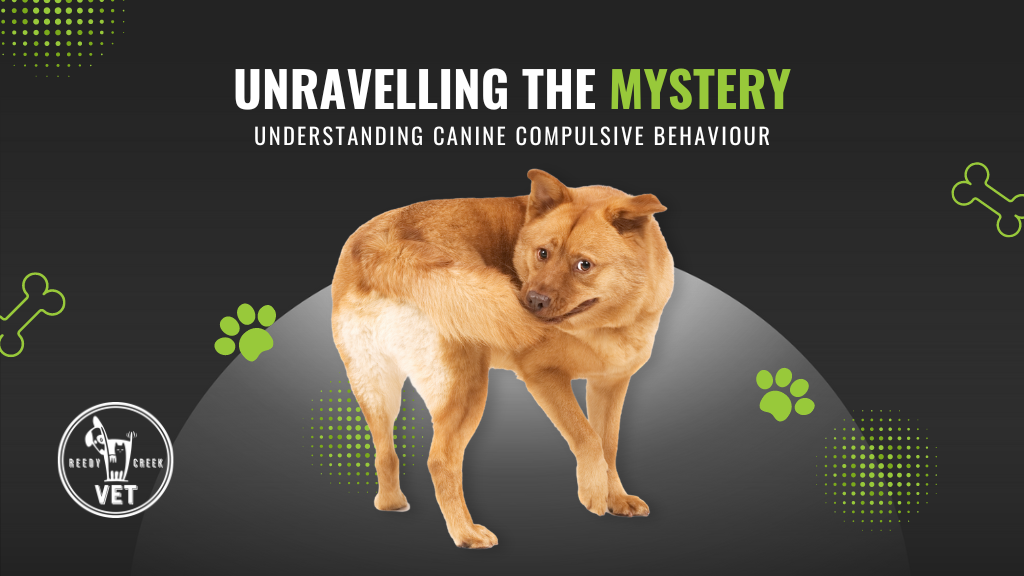
Credit: www.reedycreekvet.com.au
When To Seek Professional Help
Dogs can have behavior problems for many reasons. Some issues are mild and easy to fix. Others need expert help to keep your dog safe and happy.
Knowing when to get help from a professional can make a big difference. It helps avoid harm to your dog and others around them.
Signs Of Severe Behavior Issues
Severe behavior problems can show in many ways. Watch for sudden changes or actions that put your dog or others at risk.
- Frequent aggressive biting or growling
- Destructive chewing on furniture or objects
- Excessive fear or anxiety causing shaking or hiding
- Uncontrollable barking or howling for long periods
- Repeated escape attempts or running away
- Loss of house training or sudden accidents indoors
Choosing A Behaviorist
Select a qualified behaviorist with experience in dog issues. They should use positive training methods and understand your dog’s needs.
Ask about their certifications, training style, and success stories. A good behaviorist works closely with you to create a clear plan.
- Look for certifications from trusted organizations
- Choose someone who uses reward-based training
- Ensure they offer follow-up support
- Check reviews or ask for references
Integrating Veterinary Care
Some behavior problems come from health issues. A vet check can find pain, illness, or brain problems that cause behavior changes.
Work with your vet and behaviorist together. This team approach helps find the best treatment for your dog’s body and mind.
- Schedule a full health exam before training
- Discuss any medications that might affect behavior
- Watch for signs of pain or discomfort
- Follow vet advice on diet and exercise
Frequently Asked Questions
What Causes Common Behavior Issues In Dogs?
Behavior issues in dogs often stem from lack of training, fear, anxiety, or insufficient exercise. Medical problems can also cause changes. Early socialization and consistent training help prevent many problems.
How Can I Correct Aggressive Behavior In My Dog?
Address aggression by consulting a professional trainer or behaviorist. Use positive reinforcement and avoid punishment. Identify triggers and gradually desensitize your dog in controlled settings.
Why Do Dogs Exhibit Separation Anxiety?
Dogs with separation anxiety feel stressed when left alone. This leads to barking, chewing, or accidents. Gradual desensitization and creating a safe space help reduce anxiety.
When Should I Seek Professional Help For Dog Behavior?
Seek professional help if your dog shows aggression, fear, or destructive behavior. Early intervention improves outcomes. A vet check can rule out health issues causing behavior changes.
Conclusion
Understanding dog behavior is key to a peaceful home. Patience helps in addressing issues effectively. Consistent training can improve your dog’s behavior over time. Seek professional help if problems persist. Always reward good behavior with treats or praise. Build a strong bond through daily activities.
Remember, every dog is unique. Solutions might vary. Stay calm and positive. Your efforts will lead to a happier pet. A well-behaved dog brings joy and reduces stress. Keep learning and adapting. Both you and your dog will benefit.

Emily Barker is the founder of ChillDogLife.com, a space dedicated to helping pup parents discover the best dog products, lifestyle tips, and cozy ideas for happier homes.
A lifelong dog lover, Emily combines her passion for pets with a knack for research to share trusted recommendations on everything from toys and furniture to health and everyday care.
Her goal is simple: to make life easier, stylish, and more joyful for dogs and the people who love them.




