Have you ever felt uneasy around a dog that suddenly acts aggressive? Understanding aggressive dog behavior is key to keeping yourself and your furry friend safe.
You might wonder why dogs become aggressive and what signs to watch for before things get out of control. This article will help you recognize the warning signals and teach you simple ways to manage or prevent aggressive actions. By the end, you’ll feel more confident and prepared whenever you encounter an aggressive dog.
Keep reading to discover what you need to know about aggressive dog behavior.

Credit: pupford.com
Causes Of Aggressive Behavior
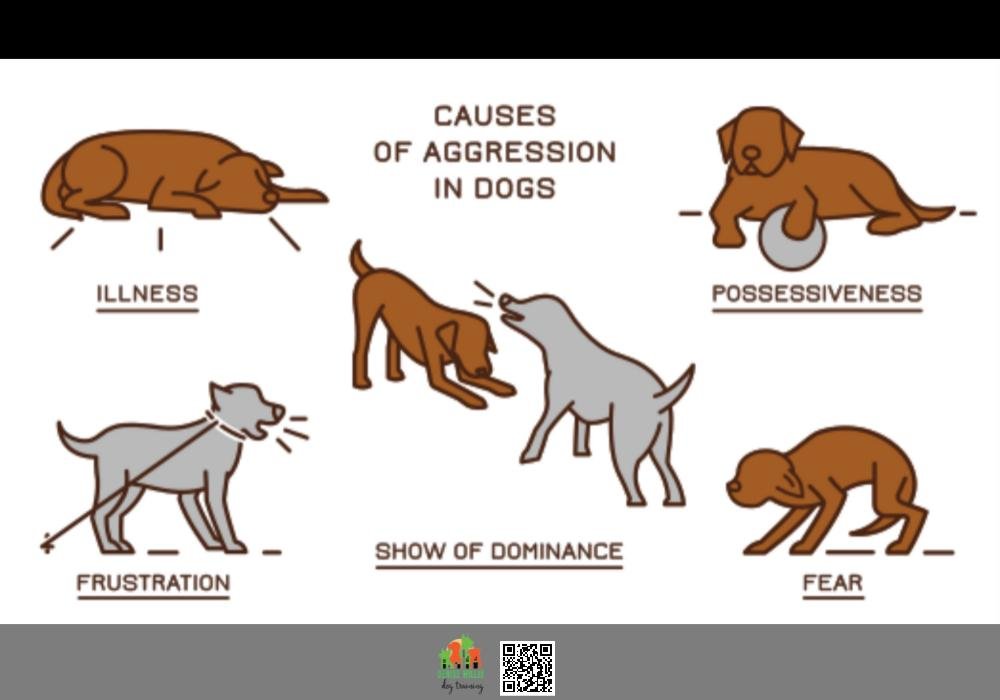
Aggressive behavior in dogs can be hard to understand. It often comes from many causes. Knowing these causes helps owners manage and reduce aggression.
Dogs show aggression for different reasons. These reasons include genetics, environment, health, and emotions.
Genetic Factors
Some dogs inherit aggressive traits from their parents. Certain breeds may have a higher chance of aggression. Genetics can affect how a dog reacts to situations.
Genetic factors do not mean a dog will always be aggressive. Training and socialization also play a big role.
Environmental Triggers
Dogs may become aggressive because of their surroundings. Loud noises, new places, or strange people can cause stress. Stress can lead to aggressive acts.
Bad experiences or lack of socialization also trigger aggression. Dogs feel safer when they know their environment well.
- Loud sounds like fireworks or thunder
- Strangers entering their space
- Other aggressive animals nearby
- Changes in home or routine
Health Issues
Physical pain or illness can make dogs aggressive. Dogs may bite or growl if they feel hurt. Health problems can change their normal behavior.
Regular vet check-ups help find health causes early. Treating pain or sickness often reduces aggression.
Fear And Anxiety
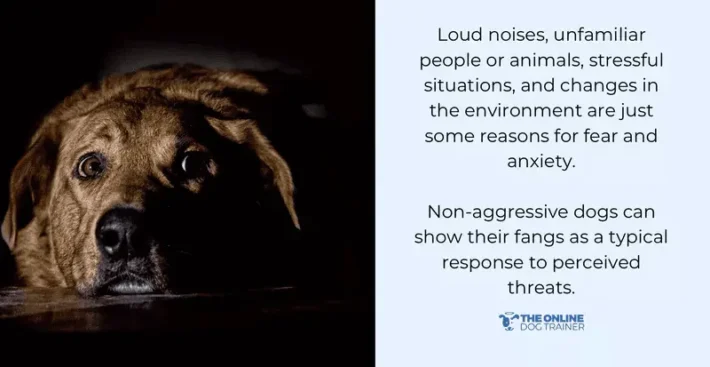
Fear is a common cause of aggression in dogs. When scared, dogs may bite to protect themselves. Anxiety can also cause restless and hostile behavior.
Helping dogs feel safe lowers fear and anxiety. Training and calm environments support better behavior.
Credit: theonlinedogtrainer.com
Recognizing Warning Signs
Aggressive dog behavior can be dangerous. Knowing the warning signs helps keep you safe.
Dogs show aggression in different ways. Recognizing these signs early is important.
Body Language Cues
Dogs use their bodies to show how they feel. Watch for tense muscles and stiff posture.
Other signs include raised hackles and a fixed stare. These show the dog may attack soon.
- Stiff, tense body
- Raised fur on the back
- Direct, hard eye contact
- Closed mouth or tight lips
- Tail held high and still or low and rigid
Vocalizations
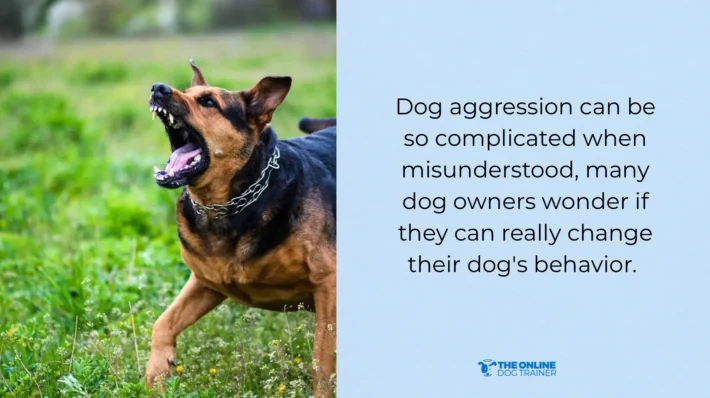
Dogs use sounds to warn others. Growling is a common sign of aggression.
Barking loudly or snarling can also mean a dog feels threatened or ready to attack.
- Low, deep growling
- Sharp, loud barking
- Snarling with teeth showing
- Whining in a tense way
Behavioral Patterns
Aggressive dogs may act differently than usual. They might snap or lunge suddenly.
Some dogs show aggression by guarding food or toys. Others may freeze before striking.
- Sudden lunging or snapping
- Guarding objects or space
- Freezing and staring
- Backing away but still tense
Effective Management Techniques
Aggressive dog behavior can cause stress and safety concerns. Managing this behavior needs patience and clear strategies.
Using effective management techniques helps improve your dog’s behavior and keeps everyone safe.
Positive Reinforcement
Reward your dog for good behavior to encourage more of it. Use treats, praise, or play as rewards.
- Give treats immediately after good actions
- Use a calm and happy tone for praise
- Reward small steps toward calm behavior
- Avoid punishment to reduce fear and aggression
Consistent Training
Train your dog every day using the same commands and rules. Consistency helps your dog learn what is expected.
- Set clear commands like “sit” and “stay”
- Practice commands in different places
- Reward success every time
- Stay patient and calm during training
Safe Space Creation
Give your dog a quiet area to relax. This space helps reduce stress and prevent aggressive outbursts.
| Safe Space Feature | Purpose |
| Quiet room or corner | Reduces noise and distractions |
| Comfortable bedding | Encourages relaxation |
| Toys or chews | Provides positive focus |
Professional Assistance
Experts can help you and your dog. Trainers and vets give advice to handle aggression safely.
Consider these tips when seeking professional help:
- Choose trainers with experience in aggressive dogs
- Consult a vet to rule out health issues
- Follow the expert’s plan closely
- Ask questions if you don’t understand
Prevention Strategies
Aggressive behavior in dogs can cause serious problems. Preventing this behavior is better than fixing it later.
Using prevention strategies helps dogs stay calm and friendly. These strategies support healthy mental and physical well-being.
Early Socialization
Early socialization helps dogs learn how to act around people and other animals. It reduces fear and aggression later in life.
Expose puppies to different sights, sounds, and gentle handling. Let them meet many friendly dogs and people.
- Start socialization before 12 weeks old
- Use positive experiences to build confidence
- Avoid scary or rough encounters
Regular Exercise
Exercise keeps dogs healthy and reduces stress. A tired dog is less likely to show aggressive behavior.
Daily walks, playtime, and training sessions help burn energy and improve mood. Exercise also strengthens your bond.
- Provide at least 30 minutes of exercise daily
- Choose activities suited to your dog’s breed and age
- Use play to teach good behavior
Proper Nutrition
Good nutrition supports brain and body health. Poor diet can cause irritability and aggression.
Feed a balanced diet with the right vitamins and minerals. Avoid overfeeding to keep your dog at a healthy weight.
- Choose food made for your dog’s size and age
- Stick to a regular feeding schedule
- Limit treats to prevent obesity
Routine Veterinary Care
Regular vet visits keep dogs healthy and pain-free. Pain or illness can increase aggressive behavior.
Vaccinations, dental care, and parasite control are important. Your vet can spot early signs of health problems.
- Schedule check-ups at least once a year
- Keep vaccinations up to date
- Address any health issues quickly
Handling Aggression In Different Situations
Aggressive dog behavior can happen in many situations. Understanding the cause helps you manage it safely.
Different types of aggression need different handling methods. Learn how to respond to each type clearly.
Aggression Toward People
Dogs may show aggression toward people if they feel scared or threatened. It is important to stay calm and avoid sudden moves.
Keep a safe distance and use a firm voice to give commands. Do not punish the dog harshly, as this may increase fear.
- Stay calm and avoid eye contact
- Use clear, firm commands
- Do not punish or yell
- Seek help from a professional trainer
Aggression Toward Other Dogs
Some dogs act aggressively toward other dogs due to fear or poor social skills. Controlled introductions help reduce this behavior.
Keep dogs on a leash during meetings. Reward calm behavior and separate them if tension rises.
- Use a leash for control
- Reward calm interactions
- Separate dogs if aggression starts
- Practice socialization in safe areas
Resource Guarding
Resource guarding means a dog protects food, toys, or space. This can cause aggressive behavior if others get too close.
Teach the dog to share by trading items for treats. Avoid taking items by force to build trust.
- Do not grab items suddenly
- Offer treats in exchange for items
- Practice sharing games
- Stay calm and patient
Territorial Aggression
Dogs may protect their home or yard with aggressive behavior. This happens when they sense an intruder.
Teach your dog to recognize visitors calmly. Use commands and reward good behavior near the door or fence.
- Train “sit” and “stay” near entrances
- Reward calm greetings
- Limit access to yard if needed
- Use barriers to reduce triggers
Credit: theonlinedogtrainer.com
Tools And Equipment For Safety
When handling an aggressive dog, safety is key. Using the right tools and equipment can help manage behavior.
These items ensure both the dog’s and handler’s safety during training and daily activities.
Muzzles And Harnesses
Muzzles are essential for preventing bites. They allow dogs to breathe and drink while keeping everyone safe. Harnesses provide better control and reduce pulling.
- Choose a muzzle that fits comfortably.
- Ensure the harness is snug but not too tight.
- Look for materials that are durable and easy to clean.
Leashes And Collars
A sturdy leash and collar are vital for controlling an aggressive dog. They help manage sudden movements and keep the dog close.
Gates And Crates
Gates and crates provide safe spaces for dogs. They help manage behavior by setting boundaries. Gates can block off areas, while crates offer a secure place for rest.
| Tool | Purpose |
| Gate | Block access to certain areas |
| Crate | Provide a safe resting space |
Frequently Asked Questions
What Causes Aggressive Dog Behavior?
Aggressive dog behavior often stems from fear, pain, or territorial instincts. Poor socialization and past trauma can also trigger aggression. Understanding these causes helps owners address issues early and safely.
How Can I Prevent Dog Aggression?
Prevent dog aggression by socializing puppies early, providing consistent training, and avoiding punishment. Regular exercise and mental stimulation reduce stress, which lowers aggression risks.
When Should I Consult A Vet For Aggression?
Consult a vet if your dog shows sudden aggression or pain signs. Medical issues like infections or neurological problems can cause behavioral changes needing treatment.
Is Aggressive Behavior Normal In Some Dog Breeds?
Some breeds have higher aggression tendencies due to genetics but behavior depends on training and environment. Responsible ownership and proper training reduce aggression risks across all breeds.
Conclusion
Aggressive dog behavior can be scary and hard to manage. Understanding why dogs act this way helps us respond better. Training and patience play a big role in changing behavior. Always stay calm and consistent with your dog. Seek help from experts if needed.
Safe and happy dogs make better friends. Keep learning and caring for your dog every day. Small steps lead to big improvements in behavior. Trust and respect build strong bonds with your pet.

Emily Barker is the founder of ChillDogLife.com, a space dedicated to helping pup parents discover the best dog products, lifestyle tips, and cozy ideas for happier homes.
A lifelong dog lover, Emily combines her passion for pets with a knack for research to share trusted recommendations on everything from toys and furniture to health and everyday care.
Her goal is simple: to make life easier, stylish, and more joyful for dogs and the people who love them.




