Understanding your dog’s behavior can change the way you connect with your furry friend. Have you ever wondered why your dog barks at certain sounds or suddenly refuses to come when called?
Learning dog behavior gives you the key to unlocking these mysteries. When you know what your dog is trying to tell you, it’s easier to build trust, reduce stress, and enjoy a happier relationship. Keep reading, and you’ll discover simple, practical insights that make a big difference every day.

Credit: www.youtube.com
Dog Communication Basics
Dogs use many ways to talk to us and other dogs. Understanding their signals helps build trust.
They use body language, sounds, and facial expressions to share feelings and intentions.
Body Language Signals
Dogs show how they feel by moving their bodies. Watch their tail, ears, and posture closely.
A relaxed body means a happy dog. Stiff or tense muscles can mean stress or fear.
- Tail wagging often shows excitement or friendliness
- Lowered body or tucked tail can signal fear
- Raised hackles may mean the dog feels threatened
- Play bow invites play and friendliness
Vocalizations And Their Meanings
Dogs use sounds to express themselves. Each sound can mean different things.
Barking can mean alert, excitement, or warning. Growling may warn to stop or show discomfort.
- Short, sharp barks often mean alert or surprise
- Long, continuous barking can show anxiety or demand attention
- Whining usually means the dog wants something or feels uneasy
- Howling can signal loneliness or response to sounds
Facial Expressions To Watch
A dog’s face shows many feelings. Eyes, ears, and mouth are key parts to watch.
Soft eyes and relaxed mouth often mean calm. Wide eyes or showing teeth can signal fear or aggression.
- Relaxed ears show comfort; pinned-back ears may mean fear
- Closed mouth or slight panting can mean contentment
- Showing teeth with a curled lip warns to stay away
- Direct stare might be a challenge or curiosity

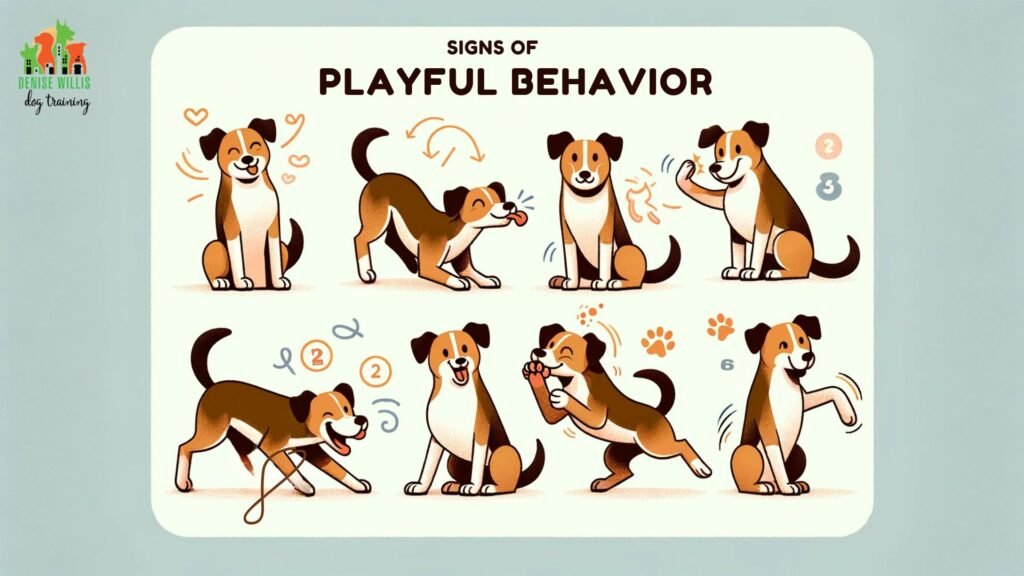
Credit: www.dwdogtraining.com
Common Dog Behaviors
Dogs show many behaviors that tell us how they feel. Learning these helps us care for them better.
Some behaviors are fun and playful. Others may show stress or aggression. Knowing the signs is key.
Playful Actions
Playful dogs jump, run, and wag their tails. They like to chase toys and bark happily.
- Tail wagging fast
- Play bowing with front legs down
- Jumping up and down
- Chasing balls or toys
- Light barking or growling during play
Signs Of Stress Or Anxiety
Dogs show stress in many ways. Some hide or pant a lot. Others lick their lips or pace.
| Behavior | Meaning |
| Yawning | Feeling uneasy |
| Licking lips | Stress or nervousness |
| Shaking or trembling | Fear or anxiety |
| Hiding or avoiding | Wants to escape stress |
| Excessive panting | Overwhelmed or hot |
Aggressive Tendencies
Aggression can be shown by growling, snapping, or biting. It may happen if a dog feels scared.
Common signs of aggression include:
- Growling or snarling
- Showing teeth
- Stiff body posture
- Snapping or biting
- Raised hackles (fur on the back stands up)
Training Tips For Better Behavior
Learning dog behavior helps improve training results. Good behavior makes life easier for you and your dog.
Use simple techniques to guide your dog. Patience and practice create lasting good habits.
Positive Reinforcement Techniques
Reward your dog when it does the right thing. This makes your dog want to repeat good actions.
Use treats, praise, or petting as rewards. Give them immediately after the correct behavior.
- Give a small treat after a command
- Use happy voice to praise your dog
- Pet your dog gently to show approval
- Avoid punishment to keep trust
Setting Boundaries
Dogs need clear rules to understand what is allowed. Setting boundaries keeps your dog safe and calm.
Decide where your dog can go and what it can do. Use barriers or commands to keep these limits clear.
- Use baby gates to block off rooms
- Teach “no” to stop unwanted actions
- Keep toys and food in specific places
- Be firm but gentle when enforcing rules
Consistency In Commands
Use the same words and tone for commands every time. Consistency helps your dog learn faster.
Make sure all family members use the same commands. Mixed signals confuse your dog and slow learning.
- Choose simple words for commands
- Use one command per action
- Practice commands daily
- Reward immediately for correct responses
Credit: theonlinedogtrainer.com
Building A Strong Bond
Building a strong bond with your dog helps both of you live happily together. It takes time and care to understand your dog well.
Knowing what your dog needs and how to respond makes your relationship better every day.
Spending Quality Time
Spending time with your dog shows love and trust. Play, walk, or just relax together.
- Take daily walks to explore new places.
- Play fetch or tug-of-war to keep your dog active.
- Practice simple training for mental exercise.
- Give quiet time for cuddles and petting.
Understanding Your Dog’s Needs
Your dog needs good food, exercise, and rest. Meeting these needs keeps your dog healthy and happy.
| Need | Description | Why It Matters |
| Nutrition | Balanced meals with protein and vitamins | Supports growth and energy |
| Exercise | Daily walks and playtime | Keeps muscles strong and mind sharp |
| Rest | Comfortable place to sleep | Helps recovery and calmness |
Responding To Emotional Cues
Dogs show feelings through body language and sounds. Notice these signs to support your dog.
Signs of emotions to watch:
- Tail wagging means happiness.
- Whining can show stress or need for attention.
- Raised hackles may mean fear or anger.
- Yawning or licking lips can signal anxiety.
Recognizing Health-related Behaviors
Understanding your dog’s health begins with watching their behavior. Dogs often show signs of illness through changes in how they act. Learning to spot these signs helps you keep your dog healthy and safe.
This guide covers key behaviors to watch for. You will learn about changes in activity, eating and drinking habits, and signs of discomfort or pain.
Changes In Activity Levels
Activity changes can signal health problems. A dog that suddenly moves less may feel weak or tired. On the other hand, too much restlessness might mean pain or anxiety.
- Less interest in play or walks
- Increased sleeping or lying down
- More pacing or restlessness
- Difficulty standing or walking
Eating And Drinking Habits
Changes in eating and drinking can show health issues. A dog may eat less or stop drinking water. Or they might drink or eat more than usual. Watch these habits closely.
| Behavior | Possible Cause |
| Loss of appetite | Illness or dental pain |
| Excessive thirst | Kidney issues or diabetes |
| Increased hunger | Parasites or metabolic problems |
| Refusing water | Dehydration or oral pain |
Signs Of Discomfort Or Pain
Dogs show pain in many ways. They might lick or bite a spot on their body. Sometimes they growl or snap when touched. Watch for these signals to help your dog quickly.
- Whining or whimpering
- Restlessness or inability to settle
- Shaking or trembling
- Changes in breathing or panting
- Hiding or avoiding contact
Adapting To Different Breeds
Dogs come in many breeds, each with unique traits. Understanding these traits helps in training and care.
Knowing how to adapt to different breeds is key. This ensures a happy and well-behaved pet.
Behavioral Traits By Breed
Different breeds have different behavior patterns. Some are active, while others are calm. Recognizing these traits can improve your approach.
- Labradors are friendly and energetic.
- Beagles are curious and independent.
- Bulldogs are gentle and laid-back.
- Poodles are smart and alert.
Tailoring Training Approaches
Training should match the dog's breed traits. This makes learning easier and more effective.
| Breed | Training Focus |
| Labrador | Playful activities |
| Beagle | Tracking games |
| Bulldog | Gentle reinforcement |
| Poodle | Intelligence tasks |
Meeting Breed-specific Needs
Each breed has specific needs to thrive. Meeting these needs ensures the dog’s well-being.
Frequently Asked Questions
What Are Common Signs Of Dog Anxiety?
Dogs show anxiety through pacing, whining, panting, and destructive behavior. Tail tucking and excessive licking are also signs. Recognizing these signs early helps in managing stress effectively.
How Do Dogs Communicate With Their Body Language?
Dogs use tail wagging, ear positioning, and facial expressions to communicate. A wagging tail usually signals happiness, while raised hackles indicate alertness or aggression. Understanding these cues improves your bond.
Why Is Understanding Dog Behavior Important?
Understanding dog behavior helps in training, preventing aggression, and building trust. It ensures your dog’s well-being and strengthens your relationship. It also promotes safer interactions with other pets and people.
How Can I Train My Dog Using Behavior Knowledge?
Use positive reinforcement based on your dog’s natural behaviors. Reward good actions and ignore unwanted ones. Consistency and patience are key to successful training and behavior modification.
Conclusion
Understanding dog behavior helps build a strong bond with your pet. It makes training easier and life happier for both of you. Watching their actions closely reveals what they need and feel. Patience and consistency guide dogs to behave well.
Every dog is unique, so learning their signs is key. Enjoy the journey of discovery with your furry friend. This knowledge keeps your dog safe and content. Keep observing, listening, and caring every day. Your efforts make a big difference in your dog’s life.

Emily Barker is the founder of ChillDogLife.com, a space dedicated to helping pup parents discover the best dog products, lifestyle tips, and cozy ideas for happier homes.
A lifelong dog lover, Emily combines her passion for pets with a knack for research to share trusted recommendations on everything from toys and furniture to health and everyday care.
Her goal is simple: to make life easier, stylish, and more joyful for dogs and the people who love them.




