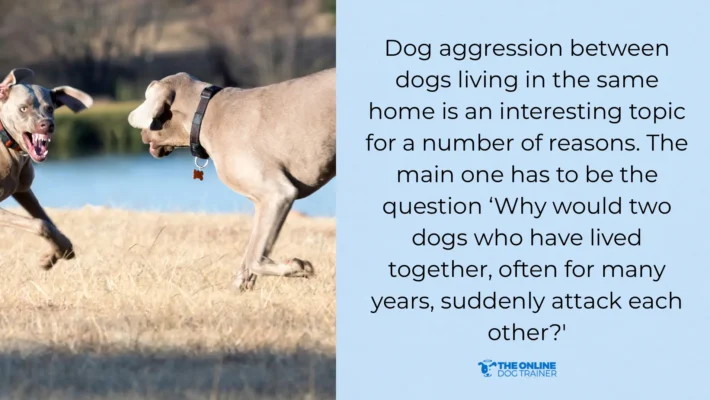
Have you ever watched your dog growl or snap at another dog and felt a mix of worry and confusion? Understanding why your dog shows aggressive behavior toward other dogs is key to keeping both your pet and others safe.
This isn’t just about control—it’s about uncovering what’s really going on inside your dog’s mind. You’ll discover the surprising reasons behind aggressive dog-on-dog behavior and learn simple, effective steps you can take right now to help your dog stay calm and friendly.
Keep reading—you owe it to your furry friend to unlock these secrets.

Credit: www.dwdogtraining.com
Causes Of Dog Aggression
Understanding why a dog shows aggression helps owners handle it well. Aggression can come from many causes, not just one.
Each dog’s background and experiences shape its behavior. Knowing the causes can prevent problems early.
Genetics And Breed Traits
Some dog breeds have traits that make aggression more likely. Genetics can pass down these traits from parents to puppies.
These traits do not always cause aggression but can increase the chance if combined with other factors.
Socialization Gaps
Dogs that miss early socialization may fear new people or animals. This fear can show as aggression.
- Limited exposure to different environments
- Few interactions with other dogs or people
- Negative experiences during puppyhood
Fear And Anxiety
Fear makes dogs protect themselves with growling or biting. Anxiety can worsen this reaction.
| Fear Trigger | Common Reaction |
|---|---|
| Loud noises | Barking or hiding |
| Unknown people | Growling or snapping |
| Sudden movements | Defensive biting |
Territorial Instincts
Dogs protect their space and family. They may act aggressively toward strangers entering their area.
Territorial behavior is natural but needs control to avoid harm.
Resource Guarding
Some dogs guard food, toys, or resting spots. This guarding can cause aggressive behavior.
- Growling when someone approaches their food
- Snapping if a toy is taken away
- Protecting a favorite resting place
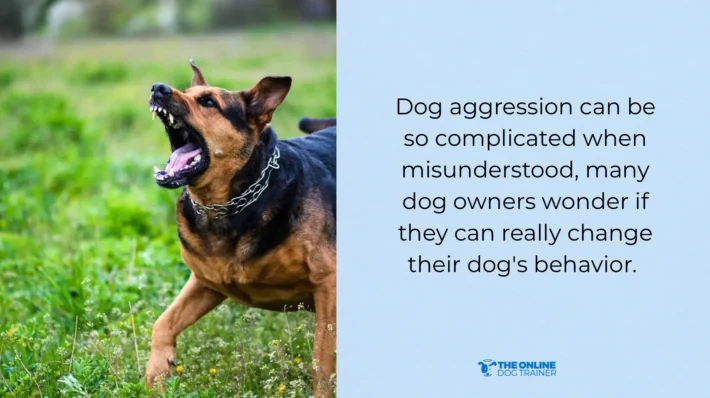
Credit: theonlinedogtrainer.com
Signs Of Aggressive Behavior
Dogs show aggression in many ways. Recognizing these signs helps keep people and pets safe.
Some behaviors are clear, while others are subtle. Watching a dog’s signals can prevent problems.
Body Language Cues
Body language tells a lot about a dog’s feelings. Look for stiff bodies, raised hackles, or bared teeth.
- Growling or snarling lips
- Direct, hard stare
- Tail held high and stiff
- Lips pulled back showing teeth
- Ears pinned back or upright and alert
Vocalizations
Sounds like growling or barking can warn of aggression. Pay attention to tone and loudness.
- Low growls that escalate
- Sharp, loud barking
- Snarling or hissing sounds
- Whining with tense body
Posture And Movement
How a dog moves can show its mood. Aggressive dogs may lunge or freeze in place.
| Posture | Meaning |
| Stiff legs | Alert and ready to act |
| Forward lean | Threatening or trying to dominate |
| Freezing | Warning before attack |
| Lunging | Attempting to scare or bite |
Warning Signals
Dogs often give warnings before biting. Respect these signals to avoid harm.
Common warning signs include:
- Showing teeth without biting
- Snapping in the air
- Backing away while watching you
- Sudden silence after growling
Preventing Dog Fights
Dog fights can cause serious injuries and stress for dogs and owners. Preventing fights helps keep dogs safe and calm.
Knowing how to manage your dog's behavior is key to avoiding conflicts. This guide covers ways to prevent fights.
Proper Socialization Techniques
Socializing dogs early helps them learn to behave around others. It reduces fear and aggression.
Expose your dog to different people, animals, and places in a calm way. Use treats and praise to encourage good behavior.
- Start socialization before 16 weeks old
- Keep experiences positive and gentle
- Gradually introduce new situations
- Watch for signs of stress and stop if needed
Controlled Introductions
Introduce dogs slowly and carefully. Avoid forcing contact between unfamiliar dogs.
Use leashes and calm voices to keep control. Let dogs sniff and observe before closer interaction.
- Choose neutral places for introductions
- Keep dogs on short leashes
- Watch body language for signs of tension
- End introductions if either dog shows aggression
Supervision Strategies
Always watch dogs closely when they are together. Supervision helps spot problems early.
Be ready to separate dogs if play gets too rough or aggressive. Use safe tools like barriers or leashes.
- Stay calm and alert during dog interactions
- Use clear commands to control dogs
- Separate dogs at first signs of aggression
- Never leave aggressive dogs alone together
Avoiding Triggers
Know what causes your dog to act aggressively. Avoid these triggers to prevent fights.
Common triggers include food, toys, and space. Keep dogs separate during these times to reduce conflict.
- Feed dogs separately
- Remove toys when dogs play together
- Give each dog its own space
- Avoid sudden loud noises or movements
Managing Aggression During Encounters
Aggression in dogs can create unsafe situations. It is important to know how to manage aggressive behaviors during dog encounters.
This guide shares simple ways to intervene safely, use distractions, and separate dogs without harm.
Safe Interventions
Stay calm and avoid yelling or sudden movements. Use a firm voice to give clear commands. Keep your body sideways to appear less threatening.
- Do not put your hands near the dogs’ mouths.
- Use objects like a broom or large board to gently block or guide dogs.
- If safe, spray water or use a noise maker to break their focus.
- Call for help if you cannot control the situation.
Using Distractions
Distractions can redirect a dog’s attention and stop aggressive actions quickly. Use treats, toys, or sounds to shift focus.
- Throw a toy or ball away from the fight.
- Offer a high-value treat to one dog at a time.
- Use a whistle or clap hands loudly but calmly.
- Call the dog’s name with a happy tone.
Separating Dogs Safely
Separating fighting dogs requires care to prevent bites or injuries. Use tools and avoid direct contact when possible.
| Method | Description | Safety Tips |
|---|---|---|
| Blanket or Large Cloth | Throw over dogs to confuse and calm them. | Keep hands away from mouths. |
| Water Hose or Spray | Spray water to interrupt aggression. | Aim from a safe distance. |
| Leash Pull | Pull dogs apart by their collars or harnesses. | Use strong grip and steady pull. |
| Wheelbarrow Technique | Lift dogs’ hind legs and pull backwards. | Only for trained handlers. |
Training To Reduce Aggression
Aggressive behavior in dogs can be a serious problem. Training helps to reduce this aggression safely.
Using clear methods helps dogs learn calm and friendly behavior over time.
Positive Reinforcement Methods
Positive reinforcement rewards good behavior to encourage it. It uses treats, praise, or play to motivate the dog.
This method focuses on what the dog does right instead of punishing bad actions. It builds trust and confidence.
- Give a treat when the dog stays calm
- Praise the dog for gentle behavior
- Use toys to reward non-aggressive actions
- Practice short training sessions daily
Desensitization And Counterconditioning
Desensitization exposes the dog to triggers slowly and calmly. It helps the dog get used to things that cause aggression.
Counterconditioning changes the dog’s feelings about triggers. It pairs triggers with good things like treats or toys.
- Start with low-intensity triggers
- Reward calm responses to triggers
- Gradually increase exposure over time
- Avoid forcing the dog to face triggers too fast
Professional Training Support
Professional trainers know how to handle aggressive dogs safely. They teach owners the right techniques to use.
Trainers can spot problems early and adjust training plans. They offer guidance for long-term success.
- Work with certified dog behaviorists
- Follow a trainer’s customized plan
- Attend regular training sessions
- Ask questions about your dog’s progress
When To Seek Veterinary Help
Dogs can show aggression for many reasons. It’s important to know when it’s serious. Seeking veterinary help is key for a healthy pet.
Some aggressive behaviors in dogs need medical attention. Knowing the signs can help you decide when to call your vet.
Medical Causes Of Aggression
Aggression in dogs can stem from health issues. Pain or illness might make a dog act out. Identifying medical causes is crucial.
- Check for signs of pain like limping or yelping
- Watch for changes in eating or sleeping patterns
- Note any sudden changes in behavior
Behavioral Consultation
Sometimes, dogs need help with their behavior. Behavioral consultations can offer solutions. Experts can guide you in managing aggression.
| Consultation Type | Focus Area |
| In-person | Direct interaction |
| Online | Remote guidance |
| Group classes | Social skills |
Medication Options
In some cases, medication can help manage aggression. A vet can prescribe the right treatment. Medicine can calm and reduce stress in dogs.
Credit: greensafaris.com
Frequently Asked Questions
What Causes Aggressive Behavior Between Dogs?
Aggressive behavior often stems from fear, territorial instincts, or lack of socialization. Stress and pain can also trigger aggression. Understanding triggers helps manage and prevent conflicts between dogs effectively.
How Can I Safely Stop Dog-on-dog Aggression?
Use a calm voice and avoid physical punishment. Distract dogs with toys or treats. Separate them calmly if aggression escalates. Professional training may be necessary for persistent issues.
Can Aggressive Dog Behavior Be Corrected?
Yes, with consistent training and socialization, aggressive behavior can improve. Positive reinforcement and gradual exposure to other dogs help reduce aggression over time. Patience and professional guidance are key.
When Should I Seek Professional Help For Dog Aggression?
Seek help if aggression causes injuries or worsens despite training. Professional trainers or behaviorists provide tailored strategies to manage aggression safely and effectively.
Conclusion
Aggressive dog on dog behavior needs careful attention and care. Watch your dogs closely during play and walks. Teach calm and gentle behavior with patience. Use clear commands and rewards to guide them. Seek help from a trainer if problems grow.
Early action prevents fights and keeps dogs safe. Every dog can learn to behave well with time. Stay calm and consistent in your approach. Peaceful dog interactions make happy homes for all.

Emily Barker is the founder of ChillDogLife.com, a space dedicated to helping pup parents discover the best dog products, lifestyle tips, and cozy ideas for happier homes.
A lifelong dog lover, Emily combines her passion for pets with a knack for research to share trusted recommendations on everything from toys and furniture to health and everyday care.
Her goal is simple: to make life easier, stylish, and more joyful for dogs and the people who love them.




