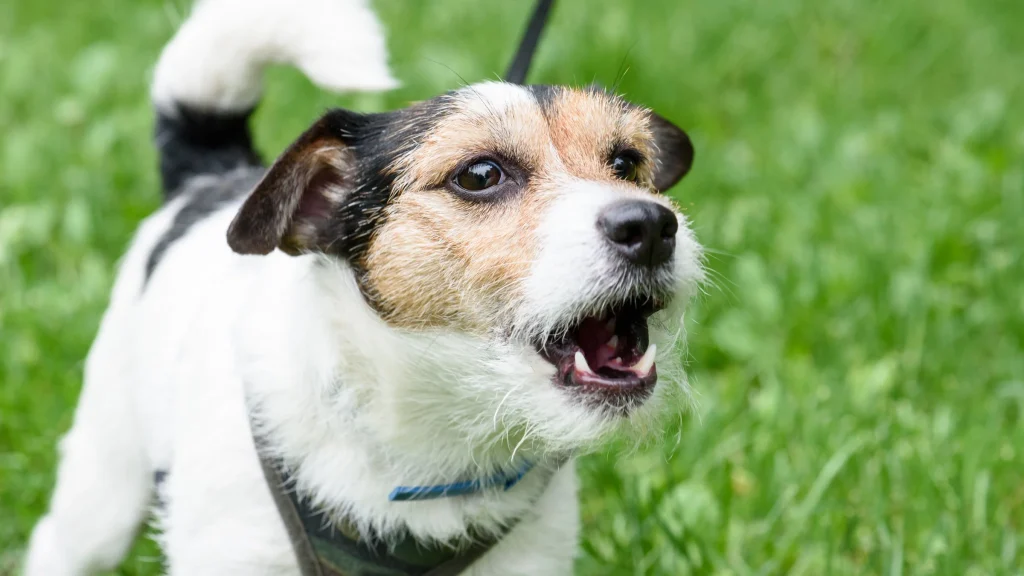
If you have a 3-year-old dog, you might be wondering what behaviors are normal and what might need your attention. At this age, your dog is full of energy but also starting to settle into their adult personality.
Understanding your dog’s behavior now can help you build a stronger bond and keep them happy and healthy. You’ll discover the key signs to watch for, why your dog acts the way they do, and simple ways to guide their behavior.
Keep reading to unlock the secrets of your 3-year-old dog’s mind and make every moment with them even better.
Typical Behavior Patterns
Three-year-old dogs have grown past puppy stages. Their behaviors are more stable and predictable.
At this age, dogs show clear patterns in energy, social habits, and interactions with other animals.
Energy Levels And Playfulness
Most three-year-old dogs have high energy but also know when to rest. They enjoy playtime but can focus better.
Play is still important and helps keep their minds and bodies active.
- Enjoy chasing toys or balls
- Like short bursts of active games
- Need daily exercise to stay healthy
- Rest well between play sessions
Social Interaction With Humans
Dogs at this age are friendly and often seek attention from people they know. They respond well to training and commands.
They may show loyalty and protectiveness toward family members.
- Enjoy petting and gentle play
- May follow owners around the house
- Can be trained to follow new rules
- Usually calm with familiar people
Behavior Around Other Animals
By three years old, dogs understand social rules with other pets. They can be friendly or cautious depending on past experiences.
Some dogs enjoy playing with others, while some prefer to keep distance.
- May show signs of dominance or submission
- Can play or rest near other animals
- Important to supervise new animal meetings
- Body language helps avoid conflicts

Credit: cruceroclick.com
Common Behavioral Changes
At three years old, dogs start showing clear signs of maturity. Their behavior changes as they grow more settled.
Understanding these changes helps owners care for their dogs better. Let’s look at what to expect.
Signs Of Maturity
Dogs at this age become calmer and more confident. They often show less destructive behavior.
- Less chewing on furniture
- Improved response to commands
- More consistent social behavior
- Reduced anxiety in new situations
Shifts In Activity And Attention
Energy levels may change as dogs mature. They might be less hyper but still enjoy playtime.
| Activity Type | Young Dog | 3-Year-Old Dog |
| Play Duration | Long and frequent | Shorter but focused |
| Attention Span | Short | Longer |
| Rest Periods | Less frequent | More frequent |
Changes In Sleep Patterns
Sleep needs shift as dogs reach three years. They often sleep deeply and for longer times.
Common sleep changes include:
- More uninterrupted sleep at night
- Short naps during the day
- Less restlessness while sleeping
Training And Discipline Tips
Training a 3 year old dog requires patience and clear communication. At this age, dogs know many commands but can test boundaries.
Discipline helps shape good behavior and keeps your dog happy and safe. Consistency is the key to success.
Reinforcing Good Habits
Keep practicing commands your dog already knows. Praise your dog when it behaves well to keep habits strong.
Use short training sessions daily. This helps your dog remember and follow rules easily.
- Give treats for sitting calmly
- Reward walking nicely on a leash
- Encourage quiet behavior inside the house
Handling Stubbornness
Some dogs become stubborn at this age. Stay calm and avoid yelling. This will keep your dog focused.
Change your approach if your dog ignores commands. Try using a different tone or move closer to your dog.
- Use clear and simple commands
- Give your dog time to respond
- Be patient and avoid frustration
Using Positive Reinforcement
Positive reinforcement encourages good behavior with rewards. This method builds trust between you and your dog.
Use treats, praise, or playtime to reward your dog. Reward immediately after good behavior for best results.
- Offer a small treat after a command
- Use kind words and petting
- Give a favorite toy for good actions
Health Influences On Behavior
Behavior in a 3 year old dog can change due to health reasons. Health problems often affect how dogs act daily.
Paying attention to health helps owners understand behavior better. It also helps keep dogs happy and safe.
Impact Of Nutrition
A balanced diet gives dogs energy and keeps their brain sharp. Poor nutrition can cause mood swings or tiredness.
Dogs need proteins, fats, vitamins, and minerals. Missing these can lead to irritability or lack of focus.
- High-quality protein supports muscle and brain health
- Omega-3 fatty acids help calm nerves and improve mood
- Vitamins and minerals strengthen the immune system
- Too much sugar or fillers can cause hyperactivity or lethargy
Recognizing Stress And Anxiety
Stress and anxiety change a dog’s normal behavior. Signs include pacing, whining, or hiding.
Triggers may be loud noises, new environments, or changes at home. Recognizing these signs helps owners support their dogs.
- Excessive barking or growling
- Licking paws or other repetitive actions
- Loss of appetite or refusal to play
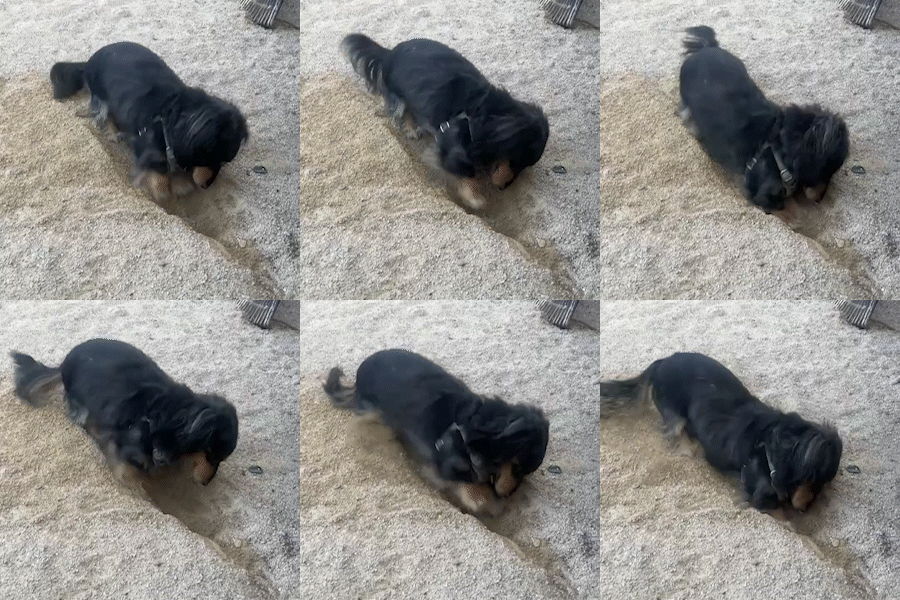
- Destructive chewing or digging
When To Consult A Vet
If behavior changes suddenly or lasts long, see a vet. Health issues may cause pain or discomfort affecting behavior.
Vets can check for infections, pain, or other problems. Early help keeps your dog healthy and calm.
- Sudden aggression or fear
- Loss of coordination or balance
- Changes in eating or drinking habits
- Persistent vomiting or diarrhea
Mental Stimulation Needs
Three-year-old dogs are active and curious. They need mental challenges to stay happy.
Without mental stimulation, dogs can become bored and restless. This affects their behavior.
Importance Of Enrichment Activities
Enrichment activities keep a dog’s mind sharp. They reduce anxiety and destructive actions.
These activities help dogs learn new skills and build confidence. They make life more fun.
Recommended Games And Toys
Games and toys that challenge the brain are best. Puzzle toys and scent games work well.
- Interactive puzzle feeders
- Hide and seek with treats
- Scent tracking games
- Training with new commands
- Chew toys that require effort
Rotate toys often to keep your dog interested. New challenges keep them engaged.
Preventing Boredom
Boredom can cause bad habits like chewing or barking. Mental work helps prevent this.
Daily playtime and training sessions stop boredom. Regular mental exercise is key.
- Set a routine with varied activities
- Use food puzzles during mealtime
- Teach new tricks weekly
- Offer safe chew toys
- Provide quiet time with calming scents

Credit: www.3lostdogs.com
Credit: www.thefarmersdog.com
Frequently Asked Questions
What Are Common Behaviors Of A 3 Year Old Dog?
At three years, dogs show maturity with stable energy and social skills. They are more confident but still playful and alert. Their behavior is consistent, and they respond well to training and socialization.
How Does A 3 Year Old Dog’s Energy Level Change?
A 3 year old dog usually has balanced energy. They are less hyperactive than puppies but still enjoy active play and exercise. Regular physical activity is essential to keep them healthy and happy.
Can Training Impact A 3 Year Old Dog’s Behavior?
Yes, training greatly influences behavior at this age. Consistent, positive reinforcement improves obedience and reduces unwanted actions. It strengthens the bond between dog and owner, promoting good manners and confidence.
What Social Behaviors Are Typical For 3 Year Old Dogs?
Three-year-old dogs are generally social and enjoy interaction with people and other pets. They understand social cues better and can handle new environments more calmly. Proper socialization prevents fear or aggression.
Conclusion
Understanding your 3-year-old dog's behavior is vital. This stage brings maturity. They become calmer and more predictable. Consistent training helps reinforce good habits. Regular exercise keeps them healthy and happy. Socializing is crucial for confidence and friendliness. Observe any unusual behavior changes.
These could signal health issues. Always consult a vet if concerned. Celebrate their uniqueness and personality. Every dog is different, and that’s okay. Love and patience go a long way. Your bond grows stronger each day. Enjoy this special time together.

Emily Barker is the founder of ChillDogLife.com, a space dedicated to helping pup parents discover the best dog products, lifestyle tips, and cozy ideas for happier homes.
A lifelong dog lover, Emily combines her passion for pets with a knack for research to share trusted recommendations on everything from toys and furniture to health and everyday care.
Her goal is simple: to make life easier, stylish, and more joyful for dogs and the people who love them.




