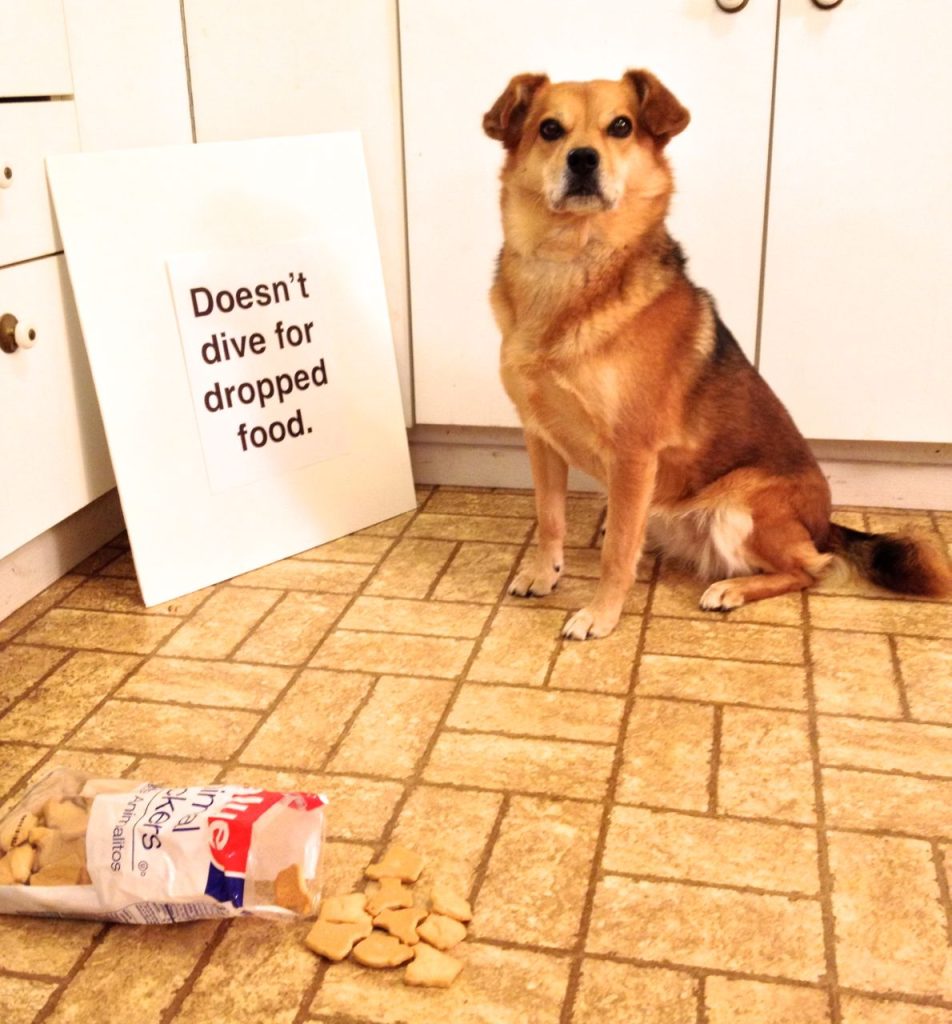
Is your dog acting out in ways that leave you frustrated and confused? You’re not alone.
Bad dog behavior can turn your daily routine into a challenge, but understanding why it happens is the first step to fixing it. Imagine having a calm, well-behaved companion who listens to you and fits seamlessly into your life. You’ll discover simple, effective ways to tackle those stubborn habits and bring out the best in your furry friend.
Keep reading—your dog’s transformation starts here.

Credit: www.youtube.com
Common Bad Dog Behaviors
Dogs can show behaviors that are hard for owners to handle. These behaviors may cause frustration or trouble at home. Understanding these actions helps with better training.
This guide covers some common bad dog behaviors. It explains why they happen and what you might see in your dog.
Excessive Barking
Dogs bark to communicate, but too much barking can be a problem. It may happen when a dog feels bored, scared, or wants attention.
Excessive barking can disturb neighbors and family members. It often increases if the dog is left alone for long periods.
Chewing And Destruction
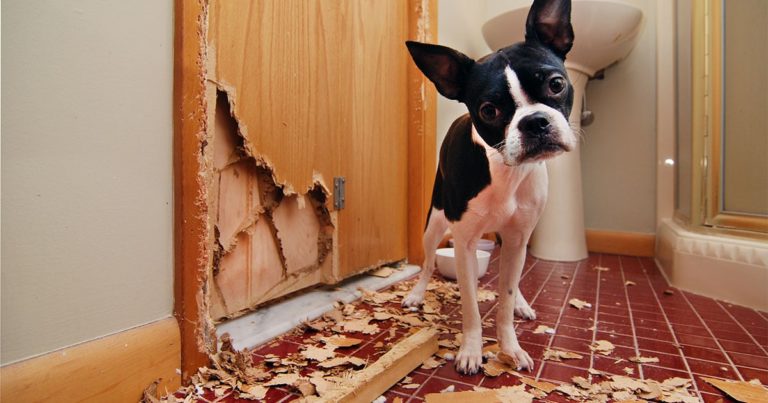
Chewing is natural for dogs, especially puppies. But chewing on furniture or shoes causes damage. It can also be a sign of stress or boredom.
- Provide chew toys to redirect their chewing.
- Keep valuable items out of reach.
- Exercise your dog to reduce energy.
- Use bitter sprays on furniture to discourage chewing.
Jumping On People
Dogs jump to greet people or show excitement. This can be scary or annoying for guests. Teaching your dog to sit instead helps control this behavior.
Aggression And Biting
Aggression can come from fear, pain, or protecting territory. Biting is serious and must be addressed quickly. Early training and socialization lower risks.
| Cause | Signs | Action |
| Fear | Growling, snapping | Calm approach, avoid sudden moves |
| Pain | Whining, avoiding touch | Visit vet, gentle handling |
| Protection | Stiff body, barking | Training, controlled social exposure |
House Soiling Issues
Accidents inside the house happen for many reasons. Puppies need training. Adults may soil because of health problems or stress.
Tips to reduce house soiling:
- Keep a regular bathroom schedule.
- Clean accidents with enzyme cleaner.
- Watch for signs your dog needs to go out.
- Consult a vet for medical issues.
Causes Behind Unwanted Habits
Bad dog behavior can be frustrating for pet owners. Understanding the causes helps fix these habits.
Dogs act out for many reasons. Knowing these reasons is the first step to better training.
Lack Of Training
Dogs need clear rules and consistent training. Without this, they may develop bad habits.
- Not teaching basic commands
- Ignoring bad behavior
- Inconsistent rules from family members
Boredom And Anxiety
Bored or anxious dogs often act out to relieve stress. They need mental and physical activity.
- Chewing furniture or shoes
- Excessive barking
- Pacing or digging
Health Problems
Sometimes bad behavior comes from pain or illness. Dogs may act out if they feel unwell.
| Health Issue | Possible Behavior |
| Dental pain | Chewing on one side, irritability |
| Arthritis | Reluctance to move, growling |
| Skin allergies | Scratching, biting skin |
Environmental Triggers
Changes or stress in the dog’s environment can cause bad habits to appear.
Common triggers include:
- New people or pets in the home
- Loud noises like fireworks or thunder
- Moving to a new house
- Changes in daily routine
Quick Fixes For Bad Behavior
Bad behavior in dogs can be frustrating for owners. Simple changes can improve your dog’s actions fast.
Using easy training tips helps your dog learn good habits quickly. These fixes make life better for both.
Positive Reinforcement Techniques
Positive reinforcement means rewarding good behavior. This encourages your dog to repeat those actions.
Use treats, praise, or playtime to show your dog you like what they do. Avoid punishment, as it can scare them.
- Give treats right after good behavior
- Use a happy voice to praise your dog
- Offer extra playtime for following commands
Using Commands Effectively
Clear commands help your dog understand what you want. Use short, simple words like “sit” or “stay”.
Say commands firmly and calmly. Repeat them consistently so your dog learns to respond every time.
- Keep commands short and clear
- Use the same word for one command
- Practice commands daily in different places
Redirecting Attention
Redirecting means giving your dog a new activity when they misbehave. This stops bad habits without punishment.
Offer a toy or start a game to shift your dog’s focus. This helps them learn better ways to act.
- Give a chew toy to stop biting
- Call your dog to you to stop barking
- Start a fetch game to stop jumping
Consistent Routine And Boundaries
Dogs feel safe with a routine. Feed, walk, and train your dog at the same times every day.
Set clear rules and stick to them. Consistency helps your dog know what is okay and what is not.
- Feed your dog at regular times
- Walk your dog daily at similar times
- Enforce rules like “no jumping” every time
Credit: www.diamondpet.com
Training Tools That Help
Training a dog takes patience and the right tools. Using effective tools can guide your dog to better behavior.
Good tools make training easier and more fun for both you and your dog. They help your dog learn what you expect.
Clickers And Treats
Clickers and treats are a popular way to train dogs. The clicker makes a clear sound to mark good behavior.
Treats reward your dog and encourage it to repeat good actions. This helps your dog learn quickly.
- Use the clicker right after the good behavior.
- Give a treat right after the click sound.
- Repeat to help your dog connect the click with the treat.
Leashes And Harnesses
Leashes and harnesses keep your dog safe and controlled during walks. They also help prevent pulling and jumping.
A harness spreads pressure evenly and is gentle on your dog’s neck. Leashes help you guide your dog’s direction.
- Choose the right size for comfort.
- Use a short leash for better control.
- Practice walking calmly with your dog.
Crate Training
Crate training creates a safe space for your dog. It helps with house training and reduces bad behavior.
Dogs see their crate as a cozy den. This helps them feel secure and calm when you are not home.
- Make the crate comfortable with blankets.
- Use treats to encourage your dog to enter.
- Do not use the crate as punishment.
Interactive Toys
Interactive toys keep your dog busy and reduce boredom. They can stop destructive chewing and bad habits.
Toys that hide treats or require problem-solving can challenge your dog’s mind and body. This improves focus.
- Choose toys safe for your dog’s size.
- Rotate toys to keep interest high.
- Supervise play to prevent damage.
Managing Anxiety And Stress
Anxiety and stress affect many dogs. Managing these feelings helps improve their behavior. You can use simple methods to calm your dog at home.
Understanding how to reduce stress keeps your dog happy and healthy. Try different approaches to find what works best for your pet.
Exercise And Mental Stimulation
Regular exercise helps reduce anxiety by using up extra energy. Mental activities also keep your dog’s mind busy and calm.
- Daily walks or runs
- Interactive toys and puzzles
- Training sessions with new commands
- Playtime with other dogs or family members
Calming Aids And Supplements
Calming aids can support your dog’s mood. Supplements may help reduce nervousness and promote relaxation.
| Type | Effect | Notes |
| CBD Oil | Reduces anxiety | Use vet recommended doses |
| Chamomile | Soothes nerves | Safe in small amounts |
| Thundershirt | Applies gentle pressure | Calms during storms or fireworks |
Safe Spaces For Dogs
Creating a safe space helps dogs feel secure. This space can be a quiet corner with their bed and favorite toys.
- Choose a quiet room or corner
- Include soft bedding and blankets
- Keep favorite toys nearby
- Limit access to this area during stressful times
When To Seek Professional Help
Bad dog behavior can be stressful for owners. Sometimes, professional help is needed. Knowing when to seek guidance is key.
Different professionals offer various solutions. Understanding their roles helps in choosing the right help for your dog.
Behaviorists And Trainers
Behaviorists and trainers specialize in dog behavior. They can assess and modify troublesome actions.
- Behaviorists focus on understanding why your dog behaves a certain way.
- Trainers teach your dog new skills or improve behavior.
- Some trainers offer private sessions.
- Others provide group classes for social learning.
Veterinarian Consultations
Some behaviors may be linked to health issues. A veterinarian can rule out medical causes.
| Behavior | Possible Health Issue |
| Excessive barking | Ear infection |
| Aggression | Pain or discomfort |
| House soiling | Urinary tract infection |
Group Classes And Socialization
Group classes help dogs learn social skills. They are great for young or shy dogs.

Credit: argostraining.com
Frequently Asked Questions
What Causes Bad Dog Behavior In Pets?
Bad dog behavior often stems from lack of training, socialization, or attention. Stress, fear, and health issues also contribute. Understanding the root cause helps correct these behaviors effectively.
How Can I Stop My Dog’s Bad Habits?
Consistent training, positive reinforcement, and patience are key. Set clear boundaries and reward good behavior. Avoid punishment, as it can increase aggression or fear.
When Should I Seek Professional Help For Dog Behavior?
If bad behavior persists despite training, consult a professional. Aggression, anxiety, or destructive habits often need expert guidance. Early intervention ensures better outcomes for you and your dog.
Can Bad Dog Behavior Be Prevented?
Yes, early training and socialization prevent many behavioral problems. Providing mental stimulation and regular exercise helps reduce unwanted behaviors. Consistency and positive experiences build a well-behaved dog.
Conclusion
Bad dog behavior can be challenging but is often fixable. Patience and consistency help change habits over time. Training with kindness builds trust and respect between you and your dog. Small steps each day lead to big improvements. Understanding why dogs act out helps solve problems faster.
Every dog learns at its own pace. Stay calm and keep trying. Good behavior makes life happier for both of you. Keep working with love, and your dog will improve.

Emily Barker is the founder of ChillDogLife.com, a space dedicated to helping pup parents discover the best dog products, lifestyle tips, and cozy ideas for happier homes.
A lifelong dog lover, Emily combines her passion for pets with a knack for research to share trusted recommendations on everything from toys and furniture to health and everyday care.
Her goal is simple: to make life easier, stylish, and more joyful for dogs and the people who love them.




