
Are you expecting a baby and wondering how your dog will react? You might be surprised by how much your furry friend’s behavior can change during your pregnancy.
Understanding these changes is key to keeping both you and your dog safe and happy. You’ll discover what to watch for, how to prepare your dog for the new arrival, and simple steps to create a peaceful home for everyone.
Keep reading to learn how to make this special time easier for your whole family—including your loyal companion.
Behavioral Changes During Pregnancy
Pregnancy causes many changes in a dog’s body and mind. These changes affect how she acts.
Understanding these changes helps owners care for their pregnant dogs better.
Common Signs In Dogs
Pregnant dogs show clear signs that their bodies are changing. These signs often affect behavior.
Some common signs include tiredness, nesting, and a change in appetite.
- Increased tiredness and rest
- Seeking quiet or safe places
- Eating less or more than usual
- More affectionate or distant
Emotional Shifts
Pregnancy changes a dog’s feelings. She may be happier or more anxious than usual.
These emotional changes can make a dog seek more attention or want to be alone.
- Increased need for comfort and care
- Sudden mood swings
- Protective behavior toward her space
- More sensitive to noise and touch
Physical Influences On Behavior
The dog’s body changes during pregnancy affect her behavior. Pain or discomfort can cause changes.
Swelling, weight gain, and hormone shifts can make her less active or more cautious.
- Reduced energy and playfulness
- Careful movement to avoid pain
- Changes in sleeping patterns
- Increased need for rest and calm

Credit: www.amazon.com
Preparing Your Dog For Pregnancy
Getting your dog ready for pregnancy is important for her health and the puppies’ well-being. Preparation helps reduce stress and ensures a smooth pregnancy.
Proper care before pregnancy can improve your dog’s comfort. It also helps her adapt to changes during this special time.
Safe Environment Setup
Create a quiet and safe space where your dog feels comfortable. This area should be away from loud noises and busy rooms.
Keep the space clean and free from harmful objects. Provide soft bedding and easy access to water and food.
- Choose a calm room for rest
- Remove sharp or small objects
- Keep bedding clean and dry
- Place water and food nearby
- Ensure good ventilation and temperature
Adjusting Daily Routines
Change your dog’s daily activities to support her pregnancy. Avoid long walks or very active play sessions.
Keep feeding times regular and provide nutritious food. Monitor her weight and energy levels closely.
- Shorten exercise sessions
- Feed balanced meals at set times
- Watch for signs of fatigue
- Provide extra rest periods
- Keep a calm, consistent schedule
Training And Socialization Tips
Maintain gentle training to keep your dog calm and well-behaved. Avoid introducing new training that may cause stress.
Continue socializing with familiar dogs and people. This helps your dog stay relaxed and confident during pregnancy.
- Use soft, positive reinforcement
- Skip intense or new training tasks
- Allow peaceful social interactions
- Observe your dog’s comfort with others
- Keep training sessions short and calm
Managing Stress And Anxiety
Pregnancy can cause stress and anxiety in dogs. These feelings affect their behavior and health. Managing stress helps keep your dog calm and healthy.
Understanding stress signs and using calming techniques can improve your dog’s pregnancy experience. Knowing when to get expert help is also important.
Recognizing Stress Signals
Dogs show stress in many ways. You may see changes in their actions or body language. Spotting these signals early helps reduce anxiety.
Common signs include restlessness, whining, or hiding. Some dogs may pant a lot or refuse food. Watch for shaking or excessive licking too.
- Restlessness or pacing
- Whining or barking more than usual
- Hiding or avoiding people
- Heavy panting or drooling
- Loss of appetite
- Shaking or trembling
- Excessive licking or chewing
Calming Techniques
Use calm voices and gentle petting to soothe your dog. Create a quiet, comfortable space for resting. Keep routines steady to lower stress.
Exercise helps, but avoid heavy activity. Offer toys to distract and relax your dog. Natural scents like lavender may also calm them down.
- Speak softly and calmly
- Provide a quiet, cozy area
- Keep daily routines consistent
- Give gentle exercise and play
- Use calming toys or chews
- Try natural scents like lavender
When To Seek Professional Help
Get help if your dog shows strong stress signs or acts very different. Severe anxiety may cause health problems during pregnancy. A vet can offer advice and treatment.
Contact a vet if your dog stops eating, vomits, or has trouble breathing. A behaviorist can help with anxiety that is hard to manage at home.
- Extreme restlessness or aggression
- Refusal to eat or drink
- Vomiting or diarrhea
- Difficulty breathing
- Hiding for long periods
- Uncontrollable shaking or trembling
- Behavior changes that worry you
Nutrition And Health Care
Pregnancy affects a dog’s body and needs. Proper care supports her and her puppies.
Good nutrition and health checks keep the mother strong and reduce risks during pregnancy.
Dietary Needs During Pregnancy
A pregnant dog needs more nutrients to support her puppies. Her diet should change as she grows.
- Feed high-quality puppy food for extra calories and nutrients.
- Give small, frequent meals to ease digestion.
- Provide fresh water at all times.
- Include protein-rich foods to help growth.
- Avoid giving bones or harmful foods.
Regular Vet Checkups
Checkups help spot problems early. The vet can track the puppies’ health and the mother’s condition.
| Checkup Time | Purpose |
| Early Pregnancy | Confirm pregnancy and health status |
| Mid Pregnancy | Monitor fetal growth and mother’s weight |
| Late Pregnancy | Prepare for delivery and check for issues |
Exercise Guidelines
Exercise keeps a pregnant dog healthy but should be gentle. Avoid hard play or long runs.
- Provide short daily walks.
- Let her rest when tired.
- Keep her away from rough or slippery surfaces.
- Watch for signs of discomfort during activity.
Postpartum Behavior And Care
After a dog gives birth, her behavior changes as she cares for her puppies. This time is important for both mother and pups to stay healthy and safe.
Understanding what to expect helps owners provide the right support during this delicate stage. Careful attention keeps the family comfortable and strong.
Changes After Delivery
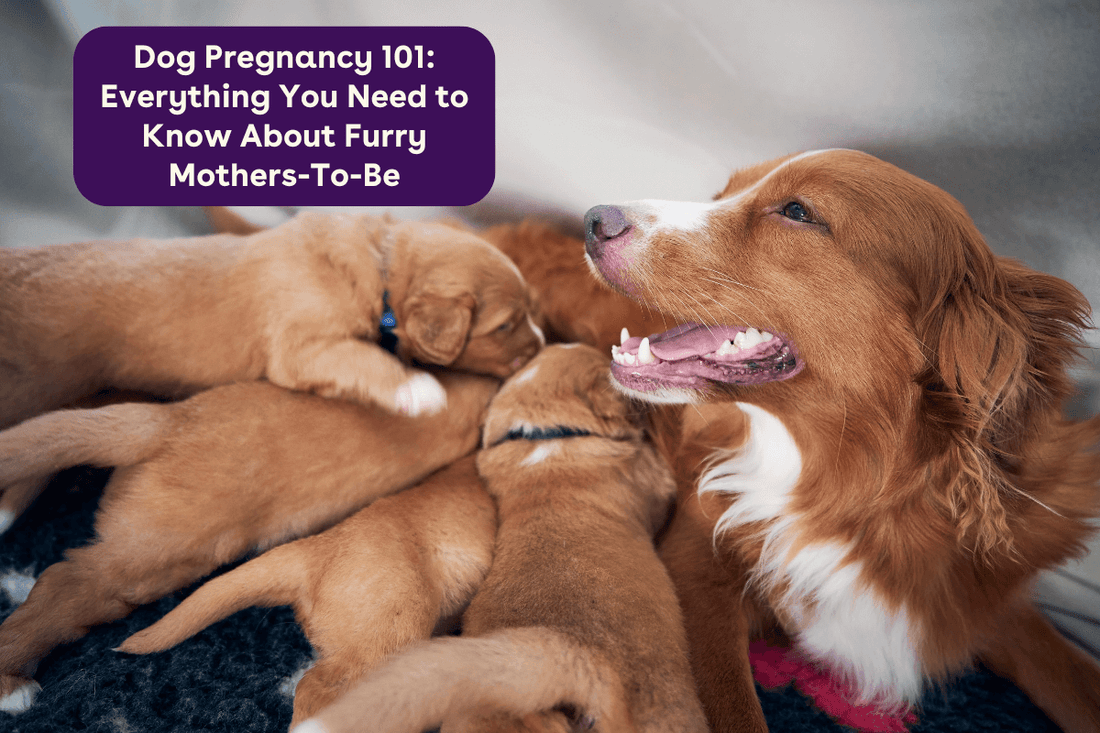
The mother dog may become more protective and restless right after birth. She might clean her puppies often and stay close to them.
It is normal for her to eat less or drink more water. Her energy level might drop as she recovers from labor and starts nursing.
Supporting Nursing Mothers
Nursing mothers need a quiet, warm place to rest and feed their puppies. Good food and fresh water help her make enough milk.
- Provide high-quality dog food rich in nutrients
- Offer water nearby to keep her hydrated
- Keep the area clean and calm
- Limit visitors to reduce stress
- Watch for signs of illness or discomfort
Puppy Interaction And Safety
Puppies need gentle care and supervision. Their mother teaches them early social skills, but humans must keep them safe.
| Safety Tip | Description |
| Monitor Handling | Handle puppies gently and avoid loud noises |
| Limit Contact | Keep other pets away during the first weeks |
| Check Temperature | Ensure the area is warm but not too hot |
| Watch Feeding | Observe puppies nursing to confirm all feed well |
| Clean Bedding | Change bedding often to prevent infections |
Credit: pupford.com
Credit: rockykanaka.com
Frequently Asked Questions
How Does Pregnancy Affect Dog Behavior?
Pregnancy can make dogs more protective and sensitive. They may seek extra attention or act anxious. Hormonal changes influence their mood and energy levels during this time.
Can Dogs Sense Pregnancy In Humans?
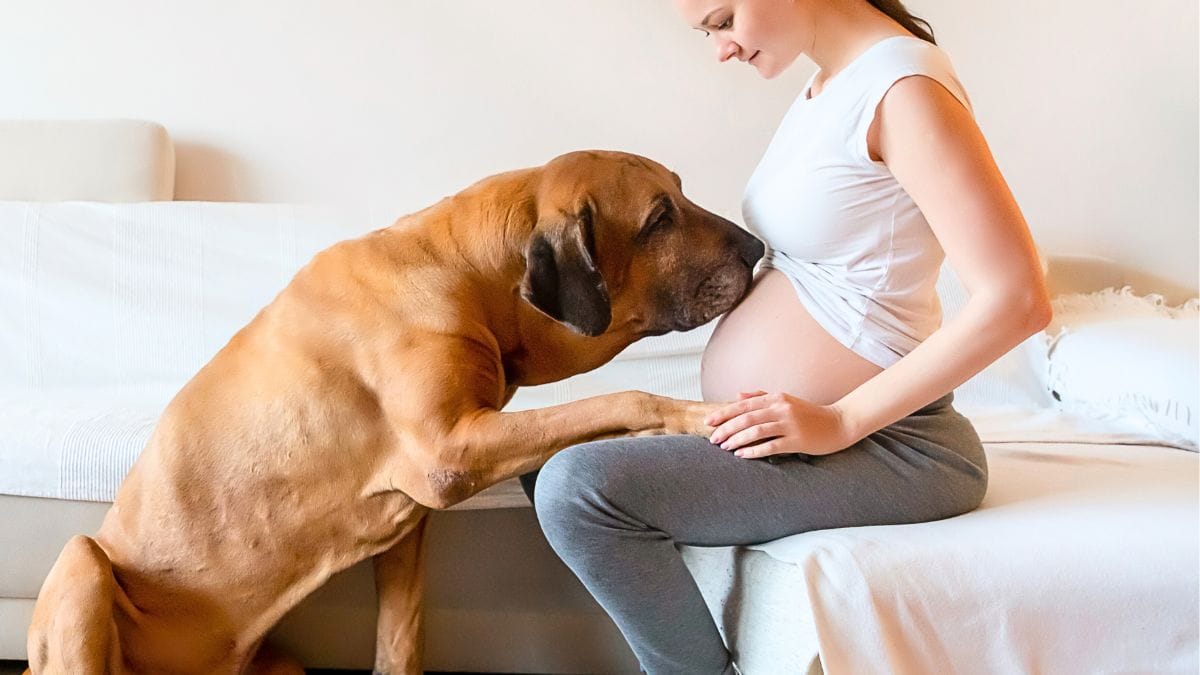
Yes, dogs can detect pregnancy through scent and behavior changes. They notice hormonal shifts and may respond with curiosity or protectiveness toward the pregnant person.
How To Prepare Your Dog For A New Baby?
Introduce gradual changes in routine and environment. Train your dog to follow boundaries and reinforce calm behavior. Provide attention to reduce jealousy and stress as the baby arrives.
Is It Safe For Pregnant Women To Handle Dogs?
Generally, yes, but practice good hygiene and avoid dog bites or scratches. Consult your doctor about specific risks if you have allergies or immune concerns.
Conclusion
Pregnancy changes life for both you and your dog. Dogs may feel confused or protective during this time. Watch their behavior closely and give extra care. Keep routines steady to help your dog feel safe. Training and patience create a calm home for everyone.
This helps your dog adjust to new family changes. Understanding your dog’s feelings builds a stronger bond. Prepare early to avoid stress later on. Your dog will thank you with love and loyalty.

Emily Barker is the founder of ChillDogLife.com, a space dedicated to helping pup parents discover the best dog products, lifestyle tips, and cozy ideas for happier homes.
A lifelong dog lover, Emily combines her passion for pets with a knack for research to share trusted recommendations on everything from toys and furniture to health and everyday care.
Her goal is simple: to make life easier, stylish, and more joyful for dogs and the people who love them.




