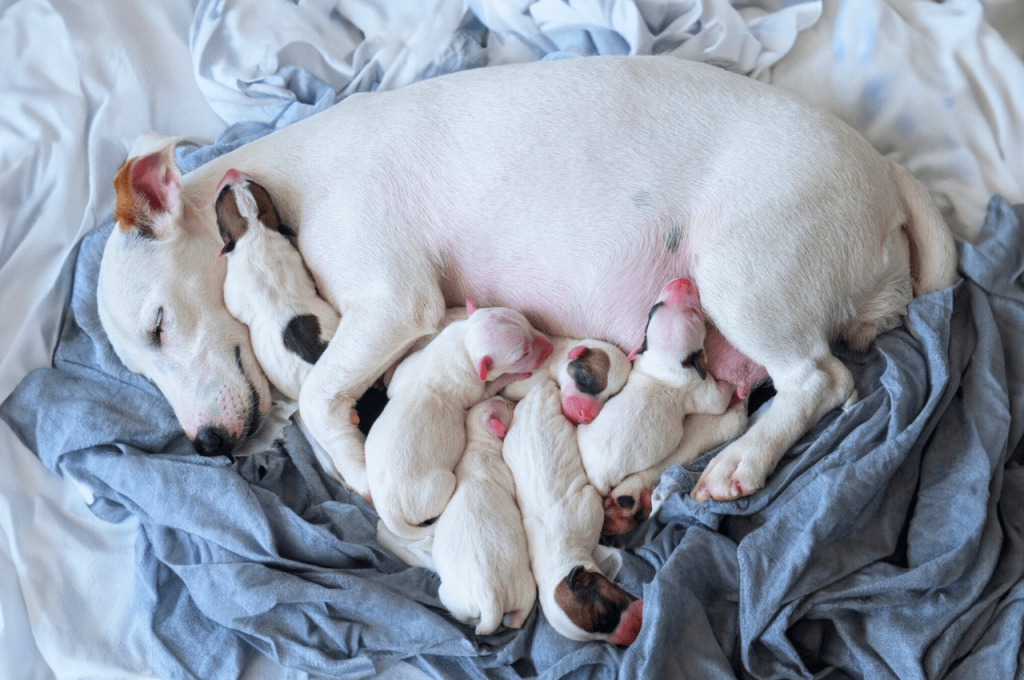
Have you ever wondered how your dog’s behavior changes after she gives birth? Understanding what’s normal and what’s not can help you care for her and her puppies better.
Right after giving birth, mother dogs go through many physical and emotional changes. These changes affect how she acts, how she interacts with her puppies, and even how she responds to you. If you want to make sure your furry friend stays healthy and happy during this important time, it’s crucial to know what to expect.
Keep reading to discover the key signs and behaviors of a mother dog after giving birth—and how you can support her every step of the way.

Credit: www.houndsy.com
Changes In Mother Dog’s Behavior
After giving birth, a mother dog shows many changes in behavior. These changes help her care for her puppies well.
Understanding these behaviors helps owners support the mother dog during this time.
Nesting Instincts
The mother dog looks for a quiet and safe place to keep her puppies. She may gather blankets or other soft items.
This nesting instinct helps keep her puppies warm and protected from harm.
- Searching for a secluded spot
- Arranging bedding materials
- Staying close to the nest
Protectiveness
Mother dogs become very protective of their puppies. They may growl or bark if someone comes too close.
This behavior keeps the puppies safe from any danger or threats.
- Guarding the puppies closely
- Showing signs of alertness
- Keeping strangers away
Feeding And Nursing Habits
The mother dog spends much time feeding her puppies. She nurses them regularly to keep them healthy.
She may eat more food herself to produce enough milk for her puppies.
- Nursing puppies every few hours
- Resting near the puppies
- Eating more to support milk production

Credit: rockykanaka.com
Physical Recovery After Birth
After giving birth, a mother dog needs time to heal and regain her strength. Her body goes through many changes during this period.
Understanding the signs of healthy recovery and common issues helps keep her safe and comfortable.
Signs Of Healthy Recovery
A mother dog shows clear signs when she is healing well. She will start moving more and eat her food regularly.
Her body will begin to look normal again, and any bleeding should lessen over time.
- Good appetite and drinking water
- Normal energy levels increasing daily
- Reduction in vaginal discharge
- Warm, clean nipples without swelling
- Calm and attentive to puppies
Common Postpartum Issues
Sometimes, mother dogs may face problems after birth. These issues can make recovery harder and need attention.
Watch for signs like unusual discharge or lack of interest in puppies. These could mean infection or pain.
- Heavy or foul-smelling vaginal discharge
- Swollen or painful mammary glands
- Refusal to eat or drink
- Weakness or unusual tiredness
- Excessive panting or restlessness
When To Seek Veterinary Help
It is important to know when to call a vet. Early care can prevent serious health problems for the mother dog.
If you see any severe signs, do not wait. A vet can provide treatment and advice for a safe recovery.
- Heavy bleeding or blood clots
- High fever or chills
- Refusal to care for puppies
- Strong bad smell from the birth area
- Severe pain or swelling
Caring For The Newborn Puppies
After a mother dog gives birth, her care is very important for her puppies. Newborn puppies need warmth, food, and protection.
The mother dog shows many behaviors that help the puppies grow strong and healthy. Watching her closely helps you understand their needs.
Mother’s Role In Puppy Care
The mother dog cleans her puppies by licking them. This keeps them clean and helps them breathe well.
She also keeps the puppies warm by lying close to them. This is very important because puppies cannot regulate their body heat.
- Cleaning puppies after birth
- Keeping puppies warm
- Protecting puppies from danger
- Teaching puppies basic behaviors
Monitoring Puppy Health
Watch puppies for signs of good health. Healthy puppies are active and have shiny skin.
Check their weight every day to see if they are growing. If a puppy is weak or quiet, it may need extra help.
- Look for steady weight gain
- Check if puppies are warm and active
- Notice any breathing problems
- Watch for signs of illness or discomfort
Assisting With Feeding
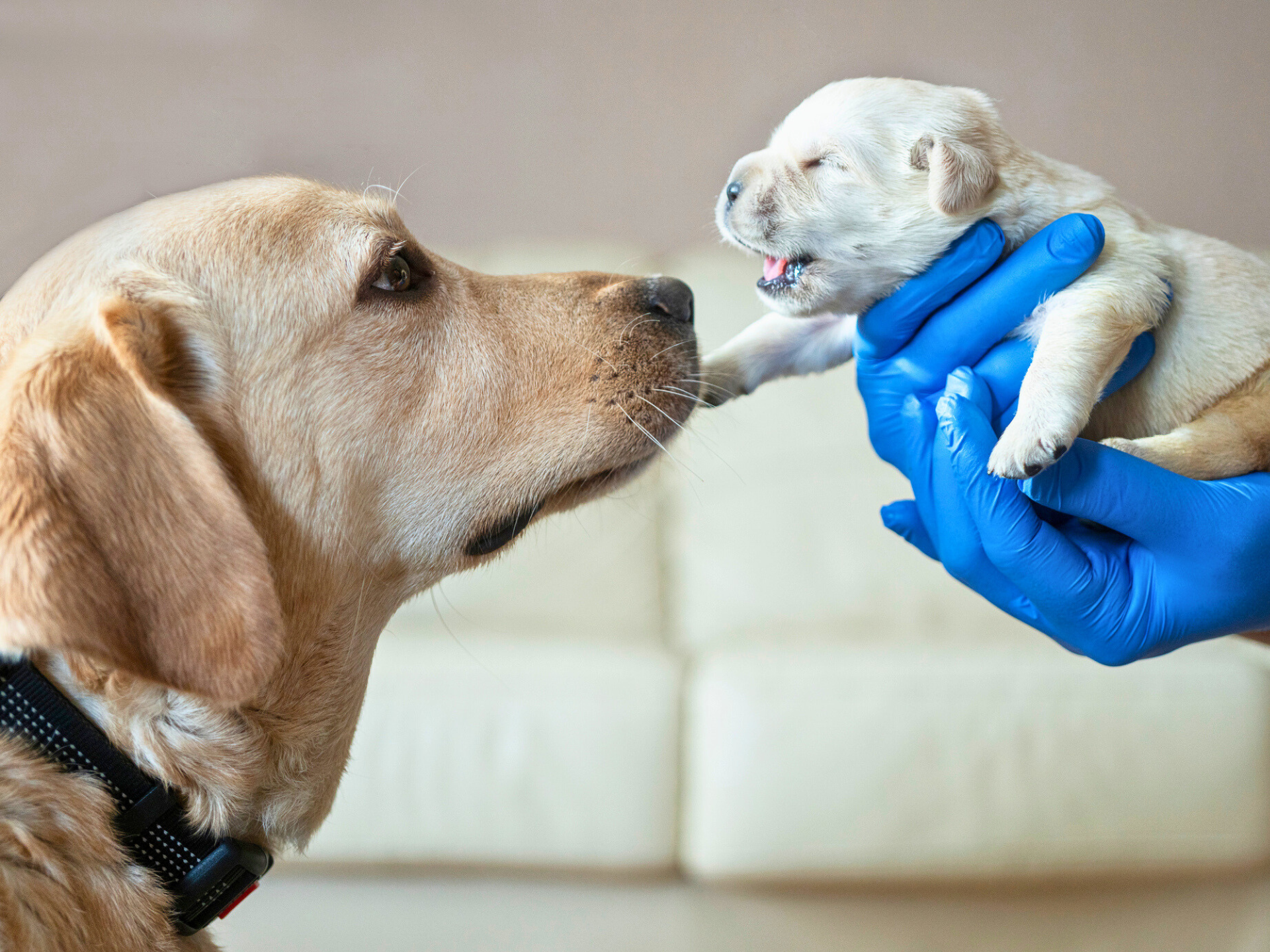
The mother dog feeds her puppies by nursing them. Puppies need to feed often to get enough milk.
If the mother cannot feed all puppies, you may help by bottle feeding. Use special puppy formula, not regular milk.
- Ensure puppies nurse every 2-3 hours
- Keep the mother calm during feeding
- Help with bottle feeding if needed
- Use puppy-specific milk formula only
Credit: paradepets.com
Nutrition And Hydration Needs
After giving birth, a mother dog needs special care to stay healthy. Good nutrition and enough water help her recover and feed her puppies.
Proper food and hydration support milk production and keep the mother strong. Careful attention to her diet and fluids is very important.
Diet Adjustments For Nursing Mothers
Nursing dogs need more calories than usual. Their bodies work hard to make milk for puppies.
Feed her high-quality food with extra protein and fat. This helps her keep energy and produce enough milk.
- Use puppy or growth formulas for more nutrients
- Feed small meals often throughout the day
- Avoid giving too many treats or table scraps
- Check with a vet about the best food choices
Hydration Importance
Water is very important for a mother dog after birth. It helps her stay hydrated and produce milk.
Always give fresh, clean water nearby. She may drink more than usual because of nursing.
- Keep water bowls full and easy to reach
- Check water temperature to encourage drinking
- Watch for signs of dehydration like dry gums or lethargy
Supplements And Vitamins
Some mother dogs may need extra vitamins or supplements. These support health and milk quality.
Talk to a vet before adding supplements. They can recommend safe options and correct doses.
- Calcium helps strong bones and milk production
- Omega-3 fatty acids support brain health
- Multivitamins fill in diet gaps
- Probiotics improve digestion
Managing Stress And Comfort
After giving birth, a mother dog needs care and calm. Her behavior shows how she feels.
Helping her stay stress-free improves her health and her puppies’ safety.
Creating A Safe Environment
Make a quiet, warm place for the mother dog. Keep it clean and away from loud noises.
Limit visitors and other pets to avoid stress. The mother dog needs space to relax and care for her puppies.
- Choose a low-traffic room
- Use soft bedding for warmth
- Keep the area clean and dry
- Avoid bright lights and loud sounds
Recognizing Stress Signals
Watch the mother dog’s body language. Signs of stress include restlessness and whining.
She may also refuse to eat or ignore her puppies. Recognizing these signs helps you act fast.
- Excessive panting or pacing
- Growling or snapping at others
- Hiding or avoiding puppies
- Loss of appetite
Calming Techniques
Speak softly and move slowly around the mother dog. Your calm presence helps her relax.
Offer gentle petting and give her time alone. Use warm blankets to add comfort.
- Use a calm, quiet voice
- Provide soft bedding and warmth
- Limit handling to reduce stress
- Keep a regular feeding schedule
Preventing And Handling Complications
Mother dogs need care after giving birth. It’s important to watch for complications.
Some problems need quick action. Knowing the signs can help keep the puppies and mother safe.
Mastitis And Other Infections
Mastitis is an infection in the dog’s mammary glands. The area becomes swollen and painful. Infections can harm the puppies.
Keep the area clean. Look for redness or swelling. If you see signs, call a vet.
- Watch for fever in the mother dog.
- Check for changes in milk color.
- Ensure puppies are nursing well.
Retained Placenta Concerns
A retained placenta can cause infections. The placenta should come out after each puppy.
If it doesn’t, the dog may get sick. This needs a vet’s help.
- Monitor discharge from the mother dog.
- Note any strange smells.
- Check if the dog is eating well.
Postpartum Depression Signs
Mother dogs can feel down after birth. They may not care for their puppies.
Look for signs of sadness. They might lose interest in food or play.
- Watch if the dog avoids her puppies.
- Check for changes in sleeping habits.
- Notice if she seems tired all the time.
Frequently Asked Questions
How Does A Mother Dog Behave After Giving Birth?
A mother dog becomes very protective and nurturing. She spends most time cleaning and feeding her puppies. She may be restless or anxious initially but calms down as puppies grow.
Why Does A Mother Dog Lick Her Puppies So Much?
Licking stimulates puppies’ breathing and digestion. It also keeps them clean and strengthens the mother-puppy bond. This behavior is natural and essential for newborn care.
When Should I Worry About Mother Dog’s Postpartum Behavior?
Be concerned if she ignores puppies, refuses food, or shows extreme aggression. Excessive restlessness or depression can indicate health issues. Consult a vet if unusual behavior persists.
How Long Does Maternal Care Last In Dogs?
Mother dogs usually care for puppies for 6 to 8 weeks. This period includes feeding, cleaning, and teaching social skills. After this, puppies gradually become more independent.
Conclusion
A mother dog acts carefully after birth. She stays close to her puppies. She cleans them and keeps them warm. Feeding and protecting become her main focus. Watch her behavior to know she’s healthy. Give her a quiet and safe space.
This helps her feel calm and strong. Understanding her actions supports her and the pups. Caring for a new dog family takes patience and love. Watch, learn, and enjoy this special time.

Emily Barker is the founder of ChillDogLife.com, a space dedicated to helping pup parents discover the best dog products, lifestyle tips, and cozy ideas for happier homes.
A lifelong dog lover, Emily combines her passion for pets with a knack for research to share trusted recommendations on everything from toys and furniture to health and everyday care.
Her goal is simple: to make life easier, stylish, and more joyful for dogs and the people who love them.




