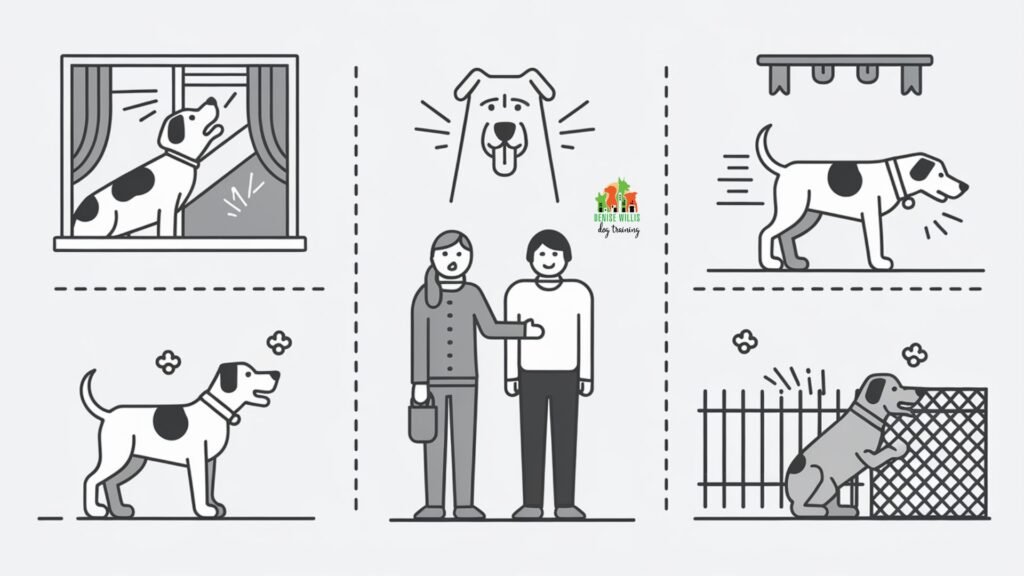
Have you ever noticed your dog barking fiercely when someone steps near your home? That’s territorial dog behavior in action.
Understanding why your dog guards their space can help you keep both your pet and visitors safe. You’ll discover what triggers this behavior, how to manage it, and ways to strengthen your bond with your furry friend. Keep reading to unlock the secrets behind your dog’s protective instincts and turn challenges into opportunities for trust and calm.
Credit: www.betterpet.com
Territorial Behavior In Dogs
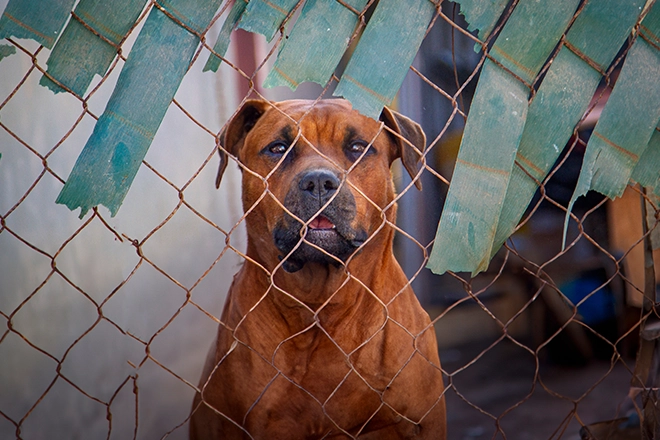
Dogs use territorial behavior to protect their space. This behavior is natural and helps them feel safe.
Understanding why dogs act territorial can help owners manage these behaviors better.
What Triggers Territoriality
Territorial behavior starts when dogs sense a threat to their space. They react to protect their area from strangers or other animals.
Changes in the environment or new people entering the home can trigger this behavior.
- Strangers approaching the home or yard
- New pets or animals nearby
- Loud noises or unfamiliar sounds
- Changes in daily routine
Common Territorial Actions
Dogs show territorial behavior in many ways. These actions help them warn others to stay away.
Owners often notice these signs when their dog feels its space is being invaded.
- Barking loudly at strangers or other animals
- Growling or showing teeth
- Marking territory with urine
- Standing guard near doors or windows
- Chasing away intruders
Breed Tendencies
Some dog breeds show stronger territorial behavior than others. These breeds were often bred to guard or protect.
Knowing breed tendencies helps owners understand how to handle territorial actions.
- German Shepherds – strong guarding instincts
- Doberman Pinschers – alert and protective
- Rottweilers – natural protectors
- Chihuahuas – small but very alert
- Terriers – high energy and territorial

Credit: www.dwdogtraining.com
Signs Of Territorial Aggression
Territorial aggression is when a dog defends its space from others. Dogs show this behavior to protect their home or belongings.
Recognizing signs early helps prevent fights and keeps everyone safe. Dogs use body language and sounds to warn others.
Body Language Cues
Dogs use their bodies to show they feel threatened in their territory. Watch for stiff postures and raised hackles.
Other signs include direct staring, growling, and showing teeth. These cues warn others to stay away.
- Stiff body stance
- Raised hackles (hair on back)
- Direct, fixed stare
- Growling or snarling
- Showing teeth or snapping
- Tail held high and stiff
Vocalizations And Sounds
Dogs use sounds to warn intruders. Growling is the most common sign of territorial aggression.
Barking can be sharp and loud. Sometimes dogs snarl or even howl to scare others away.
- Low growling
- Sharp, loud barking
- Snarling or snarled sounds
- Howling or prolonged vocal sounds
Situational Triggers
Certain situations often trigger territorial aggression. Dogs may react when strangers enter their yard or home.
Other triggers include unfamiliar animals nearby or sudden movements close to their space.
- Strangers approaching the home
- Animals near the dog’s yard
- People or pets entering the house
- Loud noises near the dog’s space
- Unexpected movements around the territory
Causes Behind Aggression
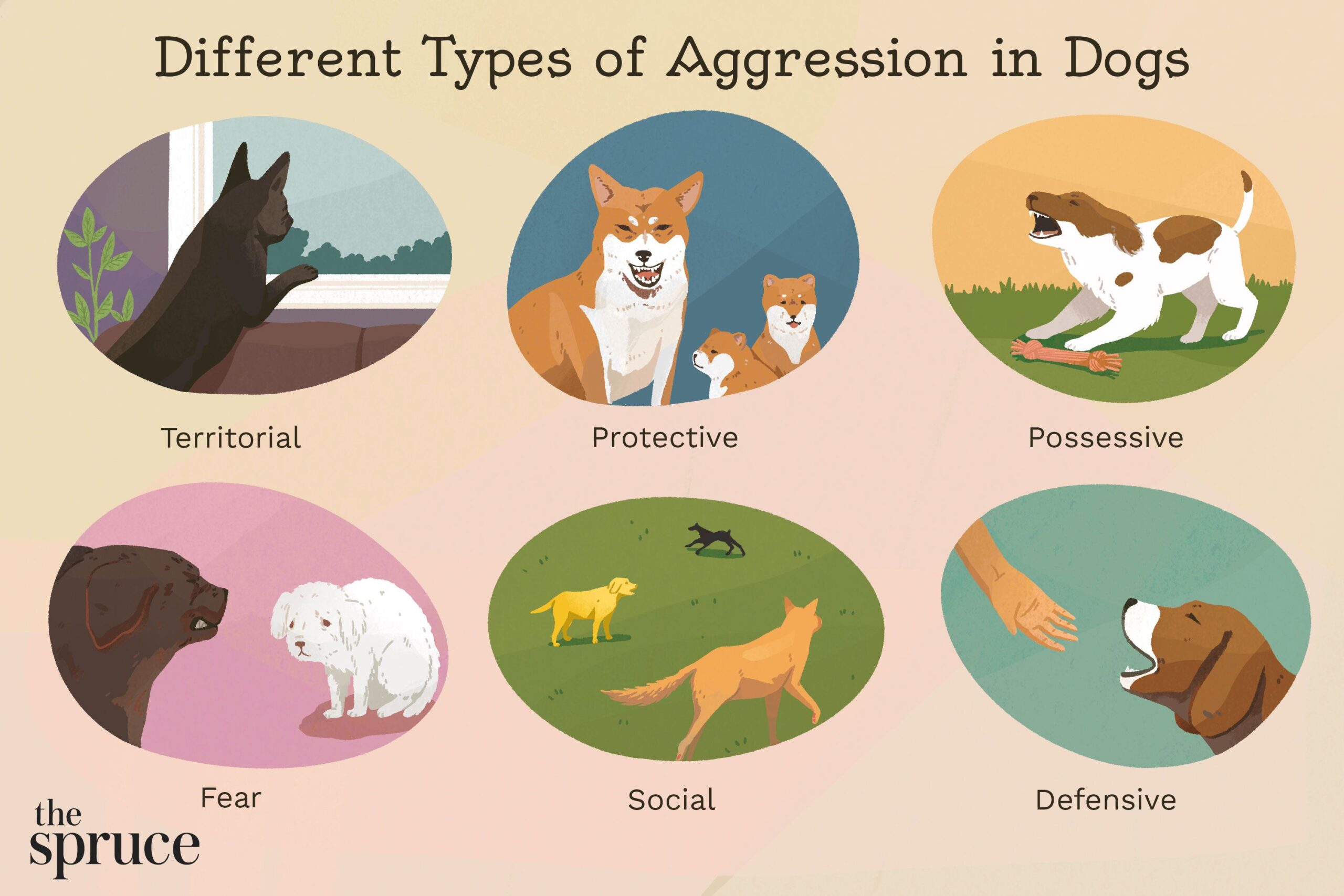
Territorial dog behavior can cause aggression. Dogs may act to protect their space or family.
Understanding why dogs become aggressive helps owners manage behavior better.
Instinct Vs Learned Behavior
Some territorial aggression comes from natural instincts. Dogs want to guard their home and pack.
Other times, dogs learn aggression from experiences or training. They copy what they see or feel.
- Instinct: Protecting territory is part of dog nature
- Learned: Aggression can develop from past threats or rewards
- Both factors often work together in behavior
Fear And Anxiety Factors
Fear makes dogs feel unsafe in their space. This can cause them to act aggressively.
Anxiety also leads dogs to be on alert. They may bite or growl to keep threats away.
- Fear from strangers or noises triggers defense
- Past trauma increases anxiety and aggression
- Stressful environments worsen territorial reactions
Resource Guarding
Dogs guard resources like food, toys, or resting spots. They see these as valuable territory.
This guarding causes aggressive behavior to keep others away from their things.
- Food guarding is the most common type
- Toys and beds can also trigger guarding
- Guarding is a way to feel secure about possessions
Preventing Territorial Aggression
Territorial aggression is a common issue in dogs. It happens when dogs protect their space from others.
Preventing this behavior helps keep your dog calm and safe around people and other pets.
Early Socialization Techniques
Start socializing your dog as early as possible. Introduce them to different people, dogs, and places.
Early socialization teaches dogs to feel safe and less threatened by new situations.
- Expose your puppy to friendly dogs and people daily
- Visit parks, streets, and pet-friendly stores
- Use treats and praise to create positive experiences
Consistent Training Methods
Training your dog helps them understand rules and limits. Use the same commands and routines every day.
Consistent training reduces confusion and builds your dog’s trust in you as the leader.
- Teach basic commands like sit, stay, and come
- Reward good behavior with treats or praise
- Avoid punishment; focus on positive reinforcement
Safe Boundaries Setup
Clear boundaries help your dog know where they can go and what they can guard. This lowers territorial fights.
Use barriers and safe zones to separate your dog from strangers or other pets when needed.
- Use fences or gates to limit access to certain areas
- Create a quiet space where your dog feels secure
- Supervise interactions with visitors or other animals
Managing Aggressive Incidents
Territorial dog behavior can lead to aggressive incidents. Managing these moments safely is very important.
Understanding how to calm your dog and redirect its focus can reduce risks. Knowing when to get expert help keeps everyone safe.
Calming Strategies
Stay calm to help your dog calm down. Use a soft voice to soothe your dog and avoid sudden movements.
- Speak gently and slowly to your dog.
- Give your dog space to relax.
- Use a favorite toy or blanket for comfort.
- Avoid eye contact that can seem threatening.
- Practice deep breathing to stay calm yourself.
Redirecting Focus
Change your dog’s attention away from the trigger. Use treats or commands your dog knows well.
| Action | Purpose |
| Call your dog’s name | Grab attention calmly |
| Offer a treat | Reward focus change |
| Use basic commands | Redirect behavior |
| Move to a quiet space | Reduce stress |
When To Seek Professional Help
Some aggressive behaviors need expert guidance. If your dog often shows aggression, ask for help.
Look for these signs to know when to call a professional:
- Frequent biting or lunging
- Growling without clear reason
- Inability to calm down after incidents
- Aggression toward family or other pets
- Increased intensity or frequency of incidents
A trained dog behaviorist or trainer can provide safe strategies. Early help can prevent serious problems.
Tools And Techniques
Managing a dog’s territorial behavior requires patience and the right approach. There are tools and techniques that can help reduce this behavior effectively.
Understanding these methods can create a safer environment for both the dog and the people around it.
Use Of Leashes And Muzzles
Leashes and muzzles are important tools for managing territorial dogs. They help control the dog’s movement and prevent potential biting incidents.
Using a leash ensures the dog stays close to you. A muzzle can be used in situations where the dog might feel threatened.
- Always choose a comfortable leash and muzzle.
- Use them during walks or when guests visit.
- Train your dog to accept these tools calmly.
Positive Reinforcement
Positive reinforcement is a powerful technique to encourage good behavior. It involves rewarding the dog for calm and friendly actions.
Rewards can include treats, petting, or verbal praise. This method helps the dog associate good behavior with positive outcomes.
- Offer treats when the dog behaves well.
- Praise the dog with a happy voice.
- Be consistent with rewards to reinforce behavior.
Behavior Modification Plans
Behavior modification plans are structured strategies to change a dog's territorial actions. These plans are tailored to fit the dog’s specific needs.
It involves gradual exposure to triggers and teaching the dog to remain calm. This approach requires patience and consistency.
| Step | Action |
| 1 | Identify triggers that cause territorial behavior. |
| 2 | Gradually expose the dog to these triggers. |
| 3 | Reward calm behavior during exposure. |
Living With A Territorial Dog
Living with a territorial dog can be challenging. These dogs are protective and may react to unfamiliar faces or sounds.
Understanding their behavior helps in creating a harmonious environment. A few steps can make life easier for both you and your dog.
Creating A Safe Environment
A safe environment reduces stress for your dog. It prevents unwanted territorial behavior.
- Install secure fences around your yard
- Provide a quiet space for your dog to retreat
- Limit your dog’s view of outside distractions
Family Involvement
Involving family members in dog care is crucial. It ensures consistent behavior management.
Consider the following roles for family members:
- Feeding: Assign a member to feed the dog daily
- Training: Have someone in charge of regular training sessions
- Exercise: Ensure everyone takes turns walking the dog
Ongoing Monitoring
Monitoring your dog’s behavior is essential. It helps in identifying triggers and adjusting your approach.
| Behavior | Possible Trigger | Solution |
| Barking at strangers | Unknown visitors | Controlled introductions |
| Growling at other pets | Resource guarding | Separate feeding areas |
| Restlessness | Lack of exercise | Daily walks |
Credit: suburban-k9.com
Frequently Asked Questions
What Causes Territorial Behavior In Dogs?
Territorial behavior in dogs is mainly driven by instinct and the need to protect their space. It helps them feel secure and control their environment. This behavior can be influenced by breed, past experiences, and socialization during puppyhood.
How Can I Stop My Dog’s Territorial Barking?
To reduce territorial barking, use consistent training and positive reinforcement. Teach your dog commands like “quiet” and reward calm behavior. Avoid yelling, as it may increase anxiety. Regular exercise and socialization also help lower territorial instincts.
Is Territorial Aggression Normal In Dogs?
Yes, territorial aggression is normal but should be managed. Dogs naturally defend their space, but excessive aggression can cause problems. Proper training and socialization are key to ensuring your dog behaves safely around people and other animals.
When Should I Seek Professional Help For Territorial Dogs?
Seek professional help if your dog’s territorial behavior is aggressive or uncontrollable. A certified trainer or behaviorist can create a customized plan to manage and reduce aggression safely. Early intervention improves outcomes and strengthens your bond.
Conclusion
Territorial behavior is natural for many dogs. They protect their space and family. Understanding these actions helps avoid problems. Training and patience can guide your dog well. Respecting their feelings builds a strong bond. Watch their signals and respond calmly.
Safe boundaries keep everyone happy and secure. Dogs thrive with clear rules and love. This knowledge creates peaceful homes for dogs and owners alike.

Emily Barker is the founder of ChillDogLife.com, a space dedicated to helping pup parents discover the best dog products, lifestyle tips, and cozy ideas for happier homes.
A lifelong dog lover, Emily combines her passion for pets with a knack for research to share trusted recommendations on everything from toys and furniture to health and everyday care.
Her goal is simple: to make life easier, stylish, and more joyful for dogs and the people who love them.




