Are you ready to unlock your dog’s full potential and have a blast doing it? Training your dog for agility isn’t just about speed or tricks—it’s about building trust, boosting confidence, and creating a bond that lasts.
Whether you have a playful puppy or an energetic adult dog, this guide will show you simple, step-by-step techniques to turn your furry friend into an agile champion. Keep reading, and discover how you can make training fun, effective, and rewarding for both you and your dog.

Credit: www.youtube.com
Preparing Your Dog For Agility
Preparing your dog for agility involves more than just running through obstacle courses. It requires thoughtful planning and building a strong foundation. This stage sets the tone for your dog’s success and safety in agility training.
Choosing The Right Breed And Age
Not every dog is naturally suited for agility, so consider your dog’s breed and age carefully. Breeds like Border Collies, Shetland Sheepdogs, and Jack Russell Terriers often excel due to their energy and intelligence.
Age matters too. Puppies under a year old should avoid intense agility training to protect their developing joints. A dog between 1 and 5 years old usually has the ideal balance of energy and physical maturity to start agility work.
Have you noticed how some dogs just light up around fast-paced activities? That’s often a sign they might enjoy agility training.
Basic Obedience Skills
Before introducing agility obstacles, your dog must master basic obedience commands like sit, stay, come, and heel. These commands create a communication foundation that keeps training efficient and safe.
Imagine trying to guide your dog through a tunnel or over a jump if they don’t reliably follow simple commands. It becomes a frustrating experience for both of you.
Practice these skills in short, frequent sessions to keep your dog engaged. Consistency and positive reinforcement work best to build trust and focus.
Assessing Physical Fitness
Your dog’s physical condition plays a critical role in agility training success. A dog with strong muscles, good endurance, and healthy joints will perform better and face fewer injuries.
Check your dog’s fitness by observing their stamina during daily walks or playtime. Can they maintain a steady pace without heavy panting or limping? If not, start with gentle conditioning exercises.
Consult your vet before starting any new training regimen to rule out health issues. Tailor your approach based on your dog’s unique fitness level and needs.
Setting Up Agility Equipment
Setting up agility equipment is a key part of training your dog. The right tools and space make learning easier and safer. Preparing carefully helps your dog enjoy the training sessions. It builds confidence and encourages quick progress.
Essential Agility Tools
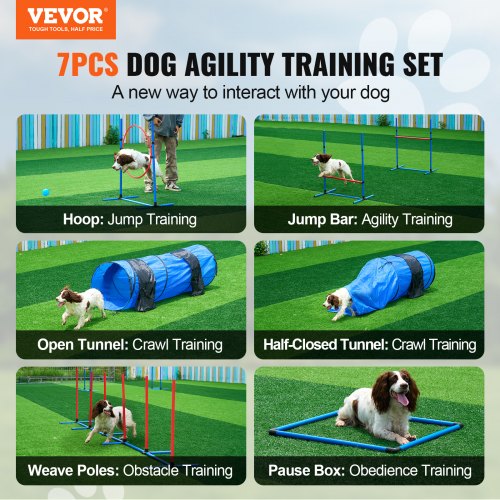
Start with basic agility tools suited for beginners. Choose lightweight and sturdy equipment. Common tools include:
- Weave poles for weaving practice
- Low jumps for safe jumping exercises
- Pause tables to teach control and focus
- Tunnels for fun and speed training
These tools help your dog learn important agility skills step by step.
Creating A Safe Training Area
Select a flat, open space free of hazards. Grass or soft ground protects paws and joints. Avoid slippery or hard surfaces. Clear the area of sharp objects or debris. Make sure the space is quiet to limit distractions. Safety keeps your dog confident and injury-free.
Introducing Equipment Gradually
Introduce one piece of equipment at a time. Let your dog explore it at their own pace. Use treats and praise to create positive experiences. Start with low heights and simple tasks. Increase difficulty slowly as your dog improves. Patience helps your dog stay motivated and happy.
Building Core Agility Skills
Building core agility skills is essential for your dog to perform confidently and efficiently on the course. These foundational abilities create the framework for more advanced moves and help your dog stay safe while navigating obstacles. Focusing on key elements like jumping, tunnels, and contact obstacles will boost your dog’s coordination and speed.
Teaching Jumping Techniques
Start by encouraging your dog to jump over low bars or objects. Use treats or toys to guide them gently over the obstacle, rewarding every successful jump. Gradually raise the height as your dog gains confidence, but always keep the experience positive and stress-free.
Watch your dog’s form closely. Are they clearing the jump with ease, or do they seem hesitant? Adjust the pace and height to match their comfort level. Remember, short training sessions with plenty of breaks work best to maintain enthusiasm and prevent injury.
Navigating Tunnels And Weaves
Tunnels can be intimidating at first, so introduce them slowly. Let your dog explore the tunnel without pressure, rewarding them for any interest shown. Once they are comfortable, encourage them to run through it by standing at the exit with treats or praise.
Weave poles require patience and precision. Use a guide or leash to help your dog learn the weaving pattern, rewarding correct movements immediately. Practice consistently but keep sessions short to avoid frustration.
Mastering Contact Obstacles
Contact obstacles like the A-frame, dog walk, and seesaw need controlled, deliberate movements. Teach your dog to touch designated “contact zones” at the bottom and top of these obstacles by marking the spots and rewarding touches.
Control is more important than speed here. Encourage your dog to move steadily and safely to avoid slipping or falling. Patience during this phase builds trust and lays the groundwork for smoother runs later on.

Credit: www.youtube.com
Training Strategies For Success
Training a dog for agility requires clear strategies. These approaches help build skills while keeping your dog motivated and happy. Focus on making training fun and rewarding. Avoid frustration by keeping sessions short and consistent. Patience is key for steady progress.
Positive Reinforcement Methods
Use treats, praise, and toys to reward good behavior. This motivates your dog to repeat actions. Reward immediately after the desired behavior. This helps your dog understand what you want. Avoid punishment; it can cause fear and confusion.
Short And Effective Sessions
Keep training sessions brief, around 10 to 15 minutes. Short sessions prevent your dog from getting tired or bored. End on a positive note to build excitement for the next session. Frequent, short sessions help reinforce learning better than long ones.
Consistency And Patience
Train regularly to build routine and trust. Use the same commands and gestures every time. Be patient; learning new skills takes time. Celebrate small wins to stay motivated. Avoid rushing your dog through the process.
Troubleshooting Common Challenges
Training a dog for agility can bring some challenges. These hurdles may slow progress or cause frustration. Addressing common problems early keeps training fun and effective. Troubleshooting helps both you and your dog stay confident and focused during practice.
Handling Fear And Anxiety
Fear can stop a dog from trying new obstacles. Watch for signs like trembling or avoidance. Create a calm and safe space for training sessions. Use gentle encouragement and praise for small successes. Break down difficult tasks into smaller, easy steps. Give your dog time to adjust at its own pace.
Correcting Mistakes
Errors happen during learning. Avoid harsh corrections that may confuse your dog. Instead, guide your dog gently back on track. Use clear commands and consistent signals. Reward correct actions immediately to reinforce good behavior. Repeat training exercises often to build muscle memory and confidence.
Dealing With Distractions
Distractions can make your dog lose focus quickly. Start training in quiet, low-traffic areas. Gradually introduce new sounds and sights to build tolerance. Keep sessions short and engaging to hold attention. Use high-value treats or toys to maintain motivation. Practice focus exercises to strengthen your dog’s attention skills.
Preparing For Agility Competitions
Preparing for agility competitions takes focus and careful planning. It involves more than just teaching your dog the obstacles. Your dog needs strength, speed, and an understanding of how to perform well in a real competition setting. This section covers key areas to help you and your dog get ready to compete confidently.
Building Endurance
Endurance is vital for agility success. Start with short training sessions to build your dog’s stamina. Gradually increase the time and intensity of exercises. Include running, jumping, and climbing activities to strengthen muscles. Rest days help prevent injury and keep your dog motivated. A dog with good endurance can maintain speed and focus throughout the course.
Practicing Course Runs
Practice running full courses to simulate competition conditions. Set up obstacles in the correct order and practice transitions. Focus on smooth and quick movements between obstacles. Use treats or toys as motivation during training. Time your runs to track progress and improve speed. Repetition helps your dog learn patterns and gain confidence.
Understanding Competition Rules
Know the official rules before entering a competition. Rules vary by organization and level. Learn about obstacle types, course layout, and allowed training aids. Understand scoring methods and penalties for mistakes. Familiarize your dog with the competition environment to reduce stress. Following rules ensures a fair and enjoyable experience for both of you.

Credit: www.thetrainingofdogs.com
Frequently Asked Questions
What Is Dog Agility Training?
Dog agility training is a sport where dogs navigate obstacles. It enhances physical fitness and mental sharpness. Training includes jumps, tunnels, and weave poles. This sport strengthens the bond between dog and owner. It’s a fun and rewarding activity for both.
How Do I Start Agility Training?
Begin with basic obedience commands like sit and stay. Introduce simple obstacles like low jumps and tunnels. Use positive reinforcement to encourage your dog. Gradually increase the difficulty of the courses. Consistency is key for effective training.
What Equipment Is Needed For Agility Training?
Basic equipment includes jumps, tunnels, and weave poles. A dog walk, seesaw, and A-frame are also essential. Portable and adjustable gear is recommended. You can find equipment in pet stores or online. Ensure safety and durability when purchasing.
How Long Does It Take To Train?
Training duration varies based on the dog’s breed and age. Generally, it takes several months to a year. Consistent practice and patience accelerate the process. Each session should be short and engaging. Progress at your dog’s pace for optimal results.
Conclusion
Training your dog for agility takes time and patience. Start with simple obstacles and build skills step by step. Keep sessions short and fun to hold your dog’s interest. Praise and rewards help your dog learn faster. Practice regularly to improve speed and confidence.
Remember, every dog learns at its own pace. Enjoy the journey and celebrate small wins together. Agility training strengthens your bond and keeps your dog active. Stay consistent, and you will see great results soon.

Emily Barker is the founder of ChillDogLife.com, a space dedicated to helping pup parents discover the best dog products, lifestyle tips, and cozy ideas for happier homes.
A lifelong dog lover, Emily combines her passion for pets with a knack for research to share trusted recommendations on everything from toys and furniture to health and everyday care.
Her goal is simple: to make life easier, stylish, and more joyful for dogs and the people who love them.




