
Do you want your dog to be faster, smarter, and more confident? Training your dog in agility can do just that.
It’s not only fun but also a great way to build a stronger bond between you and your furry friend. Imagine watching your dog zoom through tunnels, jump over hurdles, and weave through poles—all with ease and excitement. In this guide, you’ll discover simple, step-by-step tips that make training easy for both you and your dog.
Ready to turn your pet into an agility star? Keep reading, and let’s get started!
Preparing Your Dog
Preparing your dog for agility training is crucial for success. It sets a strong foundation and keeps your dog safe. This phase focuses on understanding your dog's needs, health, and skills. The better prepared your dog, the smoother the training will be.
Choosing The Right Breed
Some breeds naturally excel in agility. Dogs like Border Collies, Shetland Sheepdogs, and Australian Shepherds are very agile and fast. Smaller breeds can also do well, but they need different handling. Consider your dog’s energy level and size before starting agility training.
Assessing Physical Fitness
Check if your dog is healthy enough for agility exercises. A visit to the vet is important to rule out health problems. Look for signs of good muscle tone and joint health. Avoid training if your dog has injuries or is overweight. Fitness helps prevent injuries during training sessions.
Building Basic Obedience
Teach your dog simple commands like sit, stay, and come first. Basic obedience helps control your dog on the course. Use positive reinforcement like treats and praise to encourage good behavior. Strong obedience skills make agility training easier and more fun for both of you.
Essential Agility Equipment
Training your dog in agility requires more than just enthusiasm—it demands the right equipment to build skills effectively. Essential agility equipment helps your dog learn different movements, boosts confidence, and makes practice sessions fun. Knowing what gear to choose and how to use it will set your training on the right track.
Types Of Obstacles
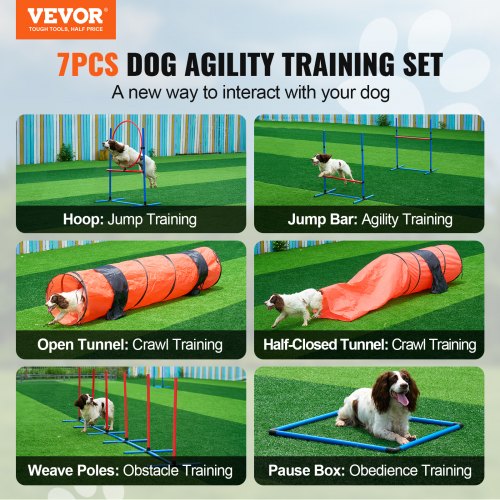
Agility courses include a variety of obstacles that challenge your dog physically and mentally. Common types include:
- Jumps:Simple bars or hurdles your dog must leap over.
- Tunnels:Flexible tubes that encourage speed and confidence.
- Weave Poles:Poles set in a line that your dog must weave through quickly.
- Contact Obstacles:Such as the A-frame, dog walk, and seesaw that require your dog to touch specific areas.
Each obstacle teaches a different skill, so variety is key to a well-rounded agility experience. What obstacle do you think your dog would enjoy the most?
Setting Up A Home Course
Creating a home agility course doesn’t have to be complicated or expensive. Start with a few basic obstacles and arrange them in a small area like a backyard or even indoors if space allows.
Use household items if needed—chairs can act as weave poles, broomsticks can serve as jumps. Gradually add real agility equipment as your dog progresses.
Changing the layout regularly keeps your dog interested and improves their ability to follow commands in different scenarios.
Safety Considerations
Safety must be your top priority when using agility equipment. Ensure all obstacles are sturdy and free of sharp edges or loose parts.
Check the ground surface to avoid slippery or uneven areas that could cause injury. Soft grass or rubber mats work well.
Watch your dog closely during training and stop immediately if you see any signs of discomfort or fatigue. How do you monitor your dog’s safety during training sessions?
Training Techniques
Training your dog for agility requires patience, consistency, and the right techniques to keep your furry friend motivated and focused. The way you introduce and practice each skill can make a big difference in how quickly your dog learns and enjoys the process. Let’s look at some effective training techniques that help build confidence and skill step by step.
Positive Reinforcement Methods
Rewarding your dog immediately after a desired action boosts learning. Use treats, praise, or toys your dog loves to encourage good behavior. This keeps training fun and motivates your dog to repeat the action.
Try to be consistent with rewards and avoid punishment, which can create fear or confusion. Notice how your dog responds best — some prefer treats, others get more excited by playtime. This personal touch makes training more effective and enjoyable for both of you.
Breaking Down Obstacles
Complex obstacles can overwhelm your dog if introduced all at once. Break each obstacle into smaller, manageable parts to teach step-by-step. For example, instead of asking your dog to jump a full hurdle immediately, start with a low bar and gradually increase the height.
Practice each part until your dog feels confident. This approach builds trust and prevents frustration. Have you noticed your dog mastering small steps faster than bigger challenges? That’s a sign to keep breaking down tasks.
Using Clicker Training
The clicker acts as a clear marker that tells your dog exactly when they’ve done the right thing. This precision helps your dog understand what you want faster than words alone. Click and reward immediately to create a strong connection between the click and the action.
In my experience, clicker training transformed my dog’s agility learning. The instant feedback made it easier to shape complex behaviors. If you haven’t tried a clicker, it might be the key to quick and clear communication with your dog.
Credit: www.vevor.ca
Building Speed And Accuracy
Building speed and accuracy is essential for your dog to excel in agility training. These two qualities ensure your dog navigates obstacles quickly while maintaining control and precision. Focusing on specific areas can help you boost your dog’s performance effectively.
Improving Reaction Time
Quick reactions make a huge difference in agility courses. Start by playing simple games like “catch the ball” or “follow the hand signal” to sharpen your dog’s responsiveness.
Use clear, sharp cues and reward fast responses immediately. This trains your dog to pay attention and react without hesitation.
Have you noticed how some dogs seem to read your mind? That kind of reaction speed comes from consistent practice and patience.
Increasing Obstacle Confidence
Your dog must trust each obstacle to move smoothly and quickly. Introduce new obstacles slowly, letting your dog explore and sniff before asking for action.
Use positive reinforcement like treats and praise to build excitement around each challenge. Confidence grows when your dog feels safe and successful.
Think about the last time your dog hesitated—how did you handle it? Turning hesitation into curiosity can speed up learning.
Practicing Consistent Commands
Clear and consistent commands help your dog understand exactly what you want. Use the same words and tone every time you give a command.
Practice commands in short, frequent sessions to avoid confusion and build muscle memory. Consistency reduces errors and boosts accuracy.
- Keep commands simple and distinct
- Pair commands with hand signals for clarity
- Reward immediately when your dog follows commands correctly
Have you tried mixing verbal commands with hand signals? Many dogs respond faster when they have both cues to rely on.
Common Challenges
Training a dog for agility brings many rewards but also some challenges. Each dog learns at its own pace, and obstacles may arise during training sessions. Understanding these common challenges helps trainers stay patient and focused. Here are some frequent issues trainers face and ways to address them.
Overcoming Fear And Hesitation
Some dogs feel scared or unsure about new agility equipment. Fear slows down learning and causes hesitation. To build confidence:
- Introduce equipment slowly and gently.
- Use treats and praise for small successes.
- Practice in a quiet, safe space first.
- Repeat exercises until the dog feels comfortable.
Managing Distractions
Distractions can break a dog’s focus during training. Noisy environments or other animals draw attention away. To improve focus:
- Start training in a calm, quiet area.
- Gradually add distractions over time.
- Use high-value rewards to keep attention.
- Keep training sessions short and fun.
Handling Physical Limitations
Some dogs have physical limits like joint issues or size restrictions. These can affect agility performance. To help dogs with limits:
- Choose appropriate equipment for your dog’s size.
- Modify obstacles to reduce strain.
- Consult a vet for safe exercise options.
- Focus on gentle training and steady progress.

Credit: www.thetrainingofdogs.com
Tracking Progress
Tracking progress is key to effective dog agility training. It helps you see how your dog improves and where to focus next. Monitoring progress keeps training clear and goal-oriented. It makes the process rewarding for both you and your dog.
Setting Measurable Goals
Start with clear goals for each training session. Goals should be simple and easy to measure. For example, timing how fast your dog completes a course. Or counting the number of obstacles your dog clears without mistakes. Measurable goals show progress in a clear way.
Recording Training Sessions
Write down details after every training. Note the date, activities, and results. Use a notebook or a digital app for easy access. Recording helps you track patterns and improvements over time. It also highlights challenges that need more work.
Adjusting Techniques For Improvement
Use your records to change training methods. If your dog struggles with a certain obstacle, try a new approach. Break difficult tasks into smaller, easier steps. Change rewards to keep your dog motivated. Adjustments ensure steady progress and keep training fun.
Preparing For Competitions
Preparing your dog for agility competitions takes more than just practicing the obstacles. It involves understanding the competition environment, building both physical and mental strength, and ensuring your dog stays focused under pressure. How you prepare can make a big difference in your dog’s performance and enjoyment during the event.
Understanding Rules And Regulations
Before entering any competition, you need to know the specific rules. Different organizations have their own guidelines about course layouts, allowed equipment, and scoring systems.
Read the official rulebook carefully and watch videos of past competitions to see how these rules play out in real life. Knowing what is expected prevents surprises and helps you tailor your training.
Building Endurance
Agility courses demand bursts of speed and stamina. Your dog must be physically ready to complete the course without slowing down or getting tired.
Gradually increase the length and intensity of your training sessions. Include exercises like long walks, running drills, and obstacle repetitions to build your dog’s endurance safely.
Have you noticed how some dogs stay energized throughout the course while others fade? Consistent endurance training often makes the difference.
Mental Preparation For Dogs
Agility isn’t just physical—your dog’s mind needs training too. Your dog must stay focused despite distractions from the crowd, other dogs, and new environments.
Practice in different locations and gradually introduce distractions during training. Teach your dog to respond to your commands quickly and confidently.
Try short mental exercises like obedience drills or puzzle toys before practice sessions to sharpen your dog’s concentration. How do you help your dog stay calm and focused when the excitement builds?

Credit: www.youtube.com
Frequently Asked Questions
What Is Dog Agility Training?
Dog agility training is a sport that enhances a dog’s physical and mental abilities. It involves guiding a dog through various obstacles like tunnels, jumps, and weave poles. This activity not only strengthens the bond between the dog and owner but also improves the dog’s obedience and confidence.
How Can I Start Dog Agility Training?
Start dog agility training by introducing basic commands and simple obstacles. Use positive reinforcement to encourage your dog. Gradually increase the complexity of the obstacles as your dog becomes more comfortable. Consider enrolling in a beginner agility class for guidance and structured learning.
What Equipment Is Needed For Agility Training?
Basic equipment includes jumps, tunnels, weave poles, and contact obstacles like A-frames. Some equipment can be made at home using everyday items. Investing in proper equipment ensures safety and can enhance the training experience. Always prioritize equipment suited to your dog’s size and skill level.
How Long Does Agility Training Take?
Agility training duration varies based on the dog’s age, breed, and experience. Beginners may take several weeks to months to grasp basic skills. Regular practice, patience, and consistency are crucial for effective training. Tailor the training sessions to your dog’s pace for better results.
Conclusion
Training your dog for agility takes patience and practice. Start with simple obstacles and build up slowly. Keep sessions short and fun to hold your dog’s interest. Praise your dog often to encourage good behavior. Remember, every dog learns at its own pace.
Consistency helps your dog improve skills over time. Enjoy the process and celebrate small wins together. Agility training can strengthen your bond and keep your dog active. Stay positive and keep practicing regularly. Success comes with time and effort.

Emily Barker is the founder of ChillDogLife.com, a space dedicated to helping pup parents discover the best dog products, lifestyle tips, and cozy ideas for happier homes.
A lifelong dog lover, Emily combines her passion for pets with a knack for research to share trusted recommendations on everything from toys and furniture to health and everyday care.
Her goal is simple: to make life easier, stylish, and more joyful for dogs and the people who love them.




