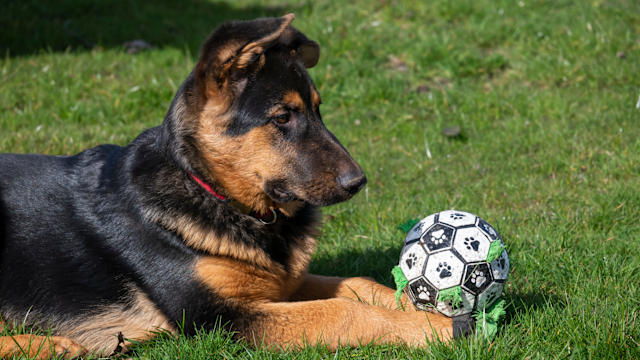
Have you ever wondered why your dog doesn’t play with toys like other dogs do? It can be confusing and even a little worrying when your furry friend ignores the balls, ropes, and squeaky toys you bring home.
You might think something is wrong or that your dog just isn’t interested. But the truth is, there are simple reasons behind this behavior that you might not know about. Understanding why your dog avoids toys can help you connect better and find new ways to keep them happy and engaged.
Keep reading to discover the surprising reasons and easy solutions that could change playtime for you and your dog forever.

Credit: www.reddit.com
Common Reasons Dogs Avoid Toys
Not all dogs are naturally drawn to toys, and understanding why yours might avoid them can help you improve their playtime experience. There are several common reasons behind this behavior, ranging from health concerns to personality traits. Identifying the cause is the first step toward encouraging your dog to engage more actively with toys.
Health Issues Impacting Play
If your dog suddenly loses interest in toys, health problems could be the cause. Pain from arthritis, dental issues, or injuries can make chewing or chasing toys uncomfortable. Additionally, illnesses like infections or fatigue may reduce your dog’s energy and desire to play.
Have you noticed changes in your dog’s activity level or appetite? A visit to the vet can rule out medical problems and help you address any health barriers to play.
Personality And Breed Traits
Some dogs naturally prefer different types of stimulation. For example, scent hounds might enjoy sniffing games more than fetching a ball. Breeds bred for work, like herding or guarding dogs, may not be as interested in traditional toys but thrive with task-oriented activities.
Understanding your dog’s unique personality helps you select toys or games that fit their natural preferences. Could a puzzle feeder or tug toy be more appealing to your dog than a squeaky ball?
Lack Of Early Toy Exposure
Dogs that didn’t encounter toys during puppyhood may not see them as fun or important. Early experiences shape their play habits and willingness to explore new objects. Without positive exposure, toys might seem confusing or boring.
Try introducing toys gradually with plenty of encouragement and treats. Sometimes, your enthusiasm and participation can spark your dog’s interest in play.
Stress And Anxiety Factors
Stress can significantly reduce a dog’s desire to play. Changes in environment, loud noises, or separation anxiety can make toys less appealing. When a dog feels unsafe or overwhelmed, play often takes a back seat to more immediate concerns.
Creating a calm space and using toys as comfort objects may help ease anxiety. Have you observed if your dog engages more with toys during relaxed moments?
How To Encourage Toy Play
Dogs may ignore toys if they feel bored or stressed. Offering new, soft toys and playing together can spark their interest. Sometimes, trying different textures or scents helps dogs enjoy toy time more.
Choosing The Right Toy
Select toys that match your dog’s size and chewing style. Soft toys suit gentle chewers, while durable toys fit strong jaws. Bright colors and different textures attract attention. Avoid toys with small parts that can be swallowed. Pick toys that are safe and non-toxic.
Introducing Toys Gradually
Start by showing the toy close to your dog. Let your dog sniff and explore the toy at their own pace. Play with the toy yourself to spark interest. Avoid forcing the toy on your dog. Give your dog time to get used to the new object.
Using Positive Reinforcement
Praise your dog warmly when they touch or play with the toy. Use treats to reward toy interaction. Keep play sessions short and fun to maintain interest. Celebrate small steps like holding or carrying the toy. Positive feedback helps your dog feel happy and confident.
Incorporating Play Into Daily Routine
Set specific times for play to build habit. Use toys during walks or training sessions. Rotate toys often to keep them exciting. Make playtime a calm and joyful moment. Regular play strengthens your bond with your dog.
When To Consult A Veterinarian
Knowing when to seek veterinary advice is important if your dog avoids toys. Lack of play can signal health or emotional issues. Early consultation helps catch problems before they worsen. Pay close attention to your dog’s overall behavior and physical state. Don’t wait if something feels off or unusual.
Signs Of Physical Discomfort
Watch for signs like limping or stiffness that affect movement. Changes in eating or sleeping habits may also show pain. Whining or growling when touched can indicate soreness. Reluctance to move or play might mean injury or illness. A vet can check for arthritis, dental pain, or other issues.
Behavioral Concerns
Sudden loss of interest in toys may relate to stress or anxiety. Withdrawal from family or other pets can be a red flag. Excessive licking or chewing on parts of the body suggests discomfort. A vet can help find causes like fear, depression, or cognitive decline. Early support can improve your dog’s mood and activity.
Special Needs And Adaptations
Some dogs need special care due to age or medical conditions. Older dogs might require gentler toys or shorter play sessions. Dogs with vision or hearing loss need safe, sensory-friendly toys. A vet can recommend toys and activities suited to your dog’s needs. Proper adaptations keep play fun and comfortable for all dogs.
Credit: www.becopets.com
Alternative Activities For Non-toy Players
Not all dogs enjoy playing with toys. Some prefer different ways to have fun and stay active. Offering alternative activities helps keep your dog happy and healthy. These activities also build your bond and encourage positive behavior.
Interactive Games
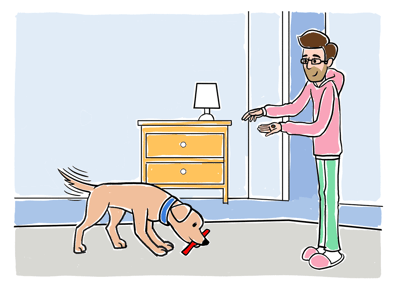
Interactive games engage your dog’s mind and body. Try hide and seek by hiding treats around the house. Your dog will use its nose to find them. Tug-of-war is another great game that builds strength and trust. These games provide fun without needing toys your dog dislikes.
Training And Mental Stimulation
Training offers mental challenges that many dogs love. Teach simple commands like sit, stay, or shake hands. Use treats as rewards to encourage learning. Puzzle feeders also challenge your dog’s brain during mealtime. Mental exercises tire your dog in a healthy way and reduce boredom.
Outdoor Adventures
Fresh air and new smells excite dogs more than toys sometimes. Walks in different places give your dog new sights and sounds. Visiting parks or trails offers chances to explore safely. Running, sniffing, and meeting other dogs provide natural fun and exercise.
Credit: www.preventivevet.com
Frequently Asked Questions
Why Won’t My Dog Play With Toys?
Your dog may not play with toys due to lack of interest, boredom, or unfamiliarity. Sometimes, health issues or stress can also affect play behavior. Try introducing new toys, playing together, or consulting a vet for underlying issues.
How Do I Encourage My Dog To Play?
Encourage play by using interactive toys, praising during playtime, and establishing a routine. Different textures and sounds can attract your dog’s interest. Positive reinforcement helps create a playful environment, making playtime enjoyable for your dog.
Can Age Affect My Dog’s Interest In Toys?
Yes, age can affect your dog’s interest in toys. Puppies are generally more playful, while older dogs may slow down. They may prefer gentler activities or require toys suited for their age and energy levels.
Are There Toys For Dogs With No Interest?
Yes, there are toys specifically designed for uninterested dogs. Puzzle toys, treat-dispensing toys, and interactive toys can capture attention. Experiment with different types to find what your dog enjoys and engage them in play.
Conclusion
Not all dogs enjoy toys in the same way. Some prefer quiet time or other activities. Age, breed, and personality affect toy interest. Watch your dog’s behavior to find clues. Try different toys and play styles to see what fits best.
Patience helps; every dog is unique. Understanding your dog’s needs builds a stronger bond. Keep exploring to make playtime fun and stress-free. Your dog’s happiness matters most.

Emily Barker is the founder of ChillDogLife.com, a space dedicated to helping pup parents discover the best dog products, lifestyle tips, and cozy ideas for happier homes.
A lifelong dog lover, Emily combines her passion for pets with a knack for research to share trusted recommendations on everything from toys and furniture to health and everyday care.
Her goal is simple: to make life easier, stylish, and more joyful for dogs and the people who love them.




