
Looking for a fun and easy way to keep your dog happy and entertained? Making a dog toy yourself is a great idea!
Not only will you save money, but you’ll also create something special tailored just for your furry friend. Imagine the joy on your dog’s face when they get a new toy made by you. You’ll discover simple steps to craft a safe and durable toy that your dog will love.
Ready to turn ordinary materials into something extraordinary? Let’s get started!
Choosing Safe Materials
Choosing safe materials is vital when making a dog toy. Dogs explore toys with their mouths. Unsafe materials can cause choking or illness. Use items that are gentle and non-toxic. This protects your dog and makes playtime fun.
Non-toxic Fabrics And Threads
Select fabrics labeled as non-toxic or pet-safe. Cotton, fleece, and denim work well. Avoid synthetic fabrics with harmful dyes or chemicals. Use natural, strong threads for sewing. This prevents toys from falling apart easily.
Recycled Household Items
Old t-shirts, socks, and towels make great toy materials. They are soft and easy to clean. Cut items into safe sizes to avoid swallowing risks. Clean and wash all recycled materials before use. This keeps your dog safe from germs.
Avoiding Small Parts
Small parts can break off and cause choking. Skip buttons, beads, and small plastic pieces. Sew all parts securely to avoid loose threads. Check the toy regularly for wear and tear. Replace or repair damaged toys to keep dogs safe.
Simple No-sew Toys
Making dog toys at home can be simple and fun. No-sew toys save time and are safe for dogs. These toys use common household items. They offer hours of play without any sewing skills needed. Each toy can be made quickly and with little effort.
T-shirt Tug Toy
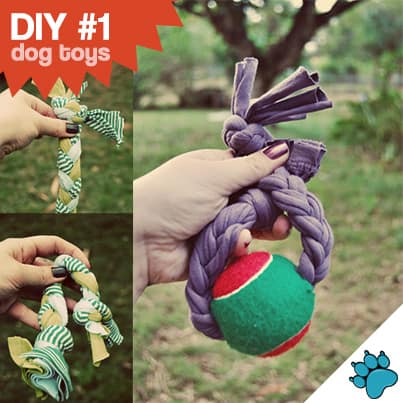
Cut an old t-shirt into long strips. Group three strips and knot one end tightly. Braid the strips, then knot the other end. This creates a strong, soft tug toy. Perfect for chewing and pulling games. The cotton fabric is gentle on your dog’s teeth.
Braided Fleece Rope
Use fleece fabric cut into strips. Take three strips and tie a knot at one end. Braid the strips tightly and secure the other end with a knot. The fleece rope is soft but durable. It works well for fetch and tug activities. Fleece is easy to clean and dries fast.
Sock Ball
Take a clean sock and stuff it with crumpled paper or fabric scraps. Roll the sock into a ball shape. Tie the open end tightly with a knot or string. This makes a lightweight ball for gentle play. The sock ball is soft, so it won’t hurt furniture or floors.
Sewing Basic Dog Toys
Sewing basic dog toys is a fun and rewarding way to keep your furry friend entertained. You don’t need fancy tools or skills—just some simple materials and a bit of creativity. Making toys yourself lets you customize size, fabric, and stuffing to suit your dog’s preferences and chewing habits.
Think about your dog’s favorite textures and flavors. Do they love soft, cuddly toys or something they can chew and tug? Sewing your own toys allows you to experiment and find the perfect balance for your pet’s playtime needs.
Stuffed Plush Toy
A stuffed plush toy is a classic choice that many dogs adore. Use soft, durable fabric like fleece or cotton, and fill it with polyester stuffing or old fabric scraps. Make sure to sew the edges tightly to prevent stuffing from escaping during rough play.
Add personality by sewing on simple eyes and a nose with thread or fabric paint. You can even insert a squeaker or crinkly material inside to grab your dog’s attention. Have you noticed how some dogs go crazy for toys that make noise?
Treat Puzzle Toy
Treat puzzle toys engage your dog’s mind while rewarding them with tasty snacks. Sew small pockets or flaps onto a sturdy fabric base where you can hide treats. Your dog will have to figure out how to open each pocket to get the goodies inside.
Use strong stitches and thick fabric like canvas or denim so the toy lasts. You can vary the difficulty by adding more pockets or different types of closures, like Velcro or buttons. How much mental stimulation does your dog get during playtime?
Knotted Fabric Bone
A knotted fabric bone is simple to make and perfect for tugging and chewing. Cut two long strips of fabric, place them together, and tie several tight knots along the length. The knots provide texture and durability, making the toy more interesting to your dog.
Choose fabrics like old t-shirts, fleece, or towels that your dog loves to chew. This toy is great for interactive play and can help with teething puppies. What kind of chew toys does your dog prefer to keep them happily occupied?
Incorporating Treats For Fun
Incorporating treats into dog toys makes playtime exciting and rewarding. Dogs love searching and finding hidden snacks. This encourages mental activity and keeps them busy longer. Using treats also builds a positive bond between you and your dog. Simple ideas can turn ordinary toys into fun puzzle games.
Hidden Treat Pockets
Create small pockets inside soft toys to hide treats. Use fabric scraps or old socks to sew tiny compartments. Place small treats inside and close the pockets securely. Your dog will enjoy sniffing and digging for the hidden snacks. This method keeps your dog focused and entertained for a long time.
Knotting With Snacks
Use ropes or strips of fabric to tie knots around treats. Insert small snacks between the knots to make your dog work for the reward. The knots slow down eating and add a fun challenge. This technique is great for chewing and tugging play. It also helps keep your dog’s teeth clean.
Using Treat Dispensers
Treat dispensers release snacks as the dog plays with the toy. You can make simple dispensers using plastic bottles or containers. Cut holes just big enough for treats to come out when rolled or shaken. This encourages your dog to move and think. Treat dispensers turn playtime into a stimulating activity.
Recycling Old Toys And Clothes
Recycling old toys and clothes is a fantastic way to create unique and budget-friendly dog toys. Not only do you reduce waste, but you also offer your furry friend something new to enjoy. Many household items can be easily transformed into fun, safe toys with just a bit of creativity and effort.
Transforming Old T-shirts
Old t-shirts are soft, durable, and perfect for making dog toys. Cut them into strips and braid them tightly to create a strong tug toy. You can also knot the strips at both ends for an easy chew toy that your dog will love.
Try mixing colors from different t-shirts for a vibrant look. Have you ever noticed how your dog reacts to different textures? Soft cotton tends to be gentler on their teeth and gums.
Using Worn Socks Creatively
Worn socks can be repurposed into fun, stuffing-free toys. Fill a sock with crinkly materials like plastic bags or old newspapers, then tie it off securely. This makes a great noise-making toy that can keep your dog entertained for hours.
You can also braid multiple socks together to form a rope toy. Just make sure to supervise your dog to prevent swallowing any loose threads or materials.
Repurposing Plastic Bottles
Plastic bottles are a surprising hit with dogs due to the crunchy sound they make. Remove the cap and label, then place the bottle inside an old sock or wrap it with fabric for safety. This adds texture and reduces the risk of injury from sharp edges.
Have you tried combining a plastic bottle with a braided t-shirt rope? This mix of sounds and textures can stimulate your dog’s curiosity and keep them engaged longer.

Credit: www.youtube.com
Safety Tips For Diy Dog Toys
Making your own dog toys can be a rewarding experience for both you and your furry friend. However, safety should always come first to ensure your dog enjoys playtime without any risks. Paying attention to simple safety tips can prevent accidents and keep your pet healthy and happy.
Regular Inspection
Check your DIY dog toys often for signs of wear and tear. Look for loose threads, broken pieces, or any parts that could come off and become choking hazards. Catching damage early can help you decide if the toy still serves its purpose or needs repair.
Supervised Playtime
Always watch your dog while they play with homemade toys. Even the safest designs can become dangerous if your dog chews aggressively or tries to swallow parts. Your supervision allows you to step in quickly if something goes wrong.
Replacing Worn Toys
Replace toys that have become too worn or damaged. A frayed rope or torn fabric might look harmless but can be dangerous if ingested. Keeping a stash of backup toys ensures your dog always has a safe option to play with.
Customizing Toys For Your Dog
Customizing toys for your dog makes playtime more fun and safe. Each dog has unique needs and preferences. Tailoring toys to fit those needs helps keep your dog happy and engaged. Consider size, texture, and sensory elements when designing a toy. This ensures the toy suits your dog perfectly.
Size And Chewing Strength
Choose a toy size that matches your dog’s mouth. Small toys can be choking hazards for big dogs. Large toys may be hard for small dogs to carry. Match the toy material to your dog’s chewing power. Soft toys suit gentle chewers. Tough, durable materials are best for strong chewers. This prevents quick damage and keeps your dog safe.
Favorite Textures
Observe what textures your dog enjoys. Some dogs like soft plush toys. Others prefer rubber or rope textures. Use these preferences to pick materials. Mixing textures can keep your dog interested longer. Textured toys also help clean teeth and massage gums. This adds health benefits to playtime.
Adding Scent Or Sound
Adding scent or sound makes toys exciting. Use dog-safe scents to attract your dog’s nose. You can add natural smells like peanut butter or lavender. Sounds like squeakers or crinkles spark curiosity. Test the sound level to avoid scaring your dog. Scent and sound boost playtime fun and keep dogs engaged.

Credit: www.allwinedesigns.com
Credit: pethero.co.za
Frequently Asked Questions
How Do I Choose Materials For A Dog Toy?
Choose materials that are safe and durable for your dog. Opt for non-toxic, chew-resistant fabrics or rubber. Avoid materials that can splinter or break easily. Always consider your dog’s size and chewing habits when selecting materials. Test for durability before allowing playtime.
What Tools Do I Need To Make A Dog Toy?
Basic tools include scissors, a sewing needle, and thread. You might also need a hot glue gun and measuring tape. For more complex toys, consider using a sewing machine. Ensure all tools are safe and appropriate for crafting pet toys.
Can I Use Recycled Materials For Dog Toys?
Yes, recycled materials can be eco-friendly and cost-effective. Old T-shirts, socks, and jeans can be repurposed into durable dog toys. Ensure materials are clean and free from harmful chemicals. Always supervise playtime to ensure safety with homemade toys.
What Are The Benefits Of Homemade Dog Toys?
Homemade dog toys can be personalized to suit your pet’s preferences. They are often more cost-effective than store-bought options. Making toys at home allows you to choose safe, durable materials. DIY toys also provide a creative outlet for you and mental stimulation for your pet.
Conclusion
Making a dog toy is simple and fun. You can use old clothes or safe materials. This saves money and keeps your dog happy. Handmade toys also help your dog stay active. Always check the toy for safety before play.
Your dog will enjoy the new toy for a long time. Try making different styles to see what your dog likes best. Enjoy the process and bond with your pet. Crafting toys brings joy to both you and your dog.

Emily Barker is the founder of ChillDogLife.com, a space dedicated to helping pup parents discover the best dog products, lifestyle tips, and cozy ideas for happier homes.
A lifelong dog lover, Emily combines her passion for pets with a knack for research to share trusted recommendations on everything from toys and furniture to health and everyday care.
Her goal is simple: to make life easier, stylish, and more joyful for dogs and the people who love them.




