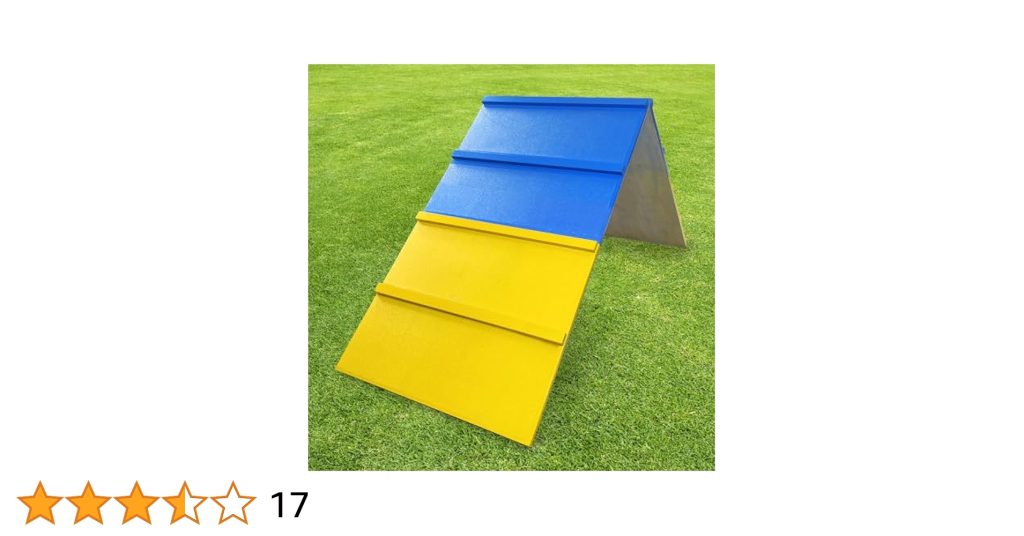
If you love watching dogs race through obstacle courses with speed and grace, you’ll be fascinated by the A Frame agility dog. This particular challenge tests your dog’s balance, coordination, and confidence like no other.
Whether you’re training your dog for competition or just want to improve their skills and bond, understanding the A Frame is essential. Keep reading to discover how this simple structure can unlock your dog’s true agility potential and make your training sessions more exciting for both of you.

Credit: www.nayloragility.co.uk
Choosing The Right Frame For Agility
Choosing the right frame for agility affects your dog’s performance and safety. Every dog has a unique body shape that influences how they move and jump. Selecting a frame that matches your dog’s build helps prevent injuries and improves speed. Understanding your dog's breed, strength, and flexibility guides this choice.
Breed And Body Type Considerations
Different breeds have different body shapes and sizes. Some dogs have long legs, while others are compact and muscular. Agile dogs often have a lean build and balanced proportions. Consider the dog’s height, length, and weight. This helps in choosing an agility frame that suits their natural movement.
For example, a tall, slender dog may need a higher A-frame. A shorter, stockier dog may perform better on a lower frame. Matching the frame height and angle with the dog’s body type reduces strain and enhances comfort.
Assessing Strength And Flexibility
Strength and flexibility vary between dogs. A strong dog can handle steeper angles and higher frames. Flexible dogs adapt better to different obstacles. Observe your dog’s muscle tone and joint movement before training.
Test simple stretches and watch how your dog moves. Notice if they can easily climb and descend without hesitation. This assessment helps to decide the right frame height and angle. Avoid frames that cause discomfort or limit movement.
Tailoring Training To Your Dog’s Build
Training should match your dog’s physical abilities. Start with lower frames for beginners or less flexible dogs. Gradually increase height as strength and confidence grow. Use gentle exercises to build muscle and flexibility.
Adjust training frequency and duration based on your dog's stamina. Pay attention to signs of fatigue or stress. Customizing training keeps your dog safe and motivated. It also improves agility skills over time.
Essential Agility Skills To Develop
Building essential agility skills is crucial for both you and your dog to master the A Frame obstacle. These skills ensure your dog moves confidently, safely, and quickly while navigating the course. Developing them will boost your dog’s performance and deepen your connection during training sessions.
Speed And Endurance Training
Speed helps your dog complete the A Frame quickly, but endurance keeps them going through the entire course without tiring. You can improve speed with short, fast sprints followed by rest periods. Endurance grows by gradually increasing the length and intensity of training sessions.
Try mixing in games like fetch or timed runs to make training fun and effective. Have you noticed how your dog’s energy changes during practice? Use that as a guide to avoid overworking them.
Improving Coordination And Balance
Coordination and balance are key to safely climbing up and down the steep surfaces of the A Frame. Practice exercises that challenge your dog’s stability, like walking on narrow beams or uneven ground. This helps develop muscle control and body awareness.
Use treats to encourage slow, careful movements at first. Watch for signs your dog is losing footing, and adjust the difficulty level. How does your dog respond when faced with tricky footing? Their reaction reveals what to focus on next.
Obstacle Familiarization Techniques
Introducing your dog to the A Frame gradually reduces fear and builds confidence. Start with a low angle and let your dog explore at their own pace. Reward any attempt to climb or even touch the obstacle.
Break the training into small steps: first walking up, then down, and finally combining both. Use consistent commands and praise to create positive associations. What small victories can you celebrate today in your dog’s progress?
Nutrition And Health For Peak Performance
Nutrition and health are key for an A Frame agility dog to perform at its best. A well-balanced diet fuels energy and supports strong muscles. Proper care helps prevent injuries and keeps the dog agile. Focus on quality food, smart supplements, and regular health checks. These steps build stamina and maintain peak condition for every run.
Optimal Diet Plans
Agility dogs need diets rich in protein for muscle repair and energy. Carbohydrates provide fuel for quick movements and endurance. Include healthy fats to support joint health and coat shine.
- Lean meats like chicken, turkey, and fish
- Whole grains such as brown rice and oats
- Fresh vegetables for vitamins and minerals
- Small amounts of healthy oils like fish oil or flaxseed
Feed meals in smaller portions throughout the day. This helps maintain energy levels without causing discomfort during training or competitions.
Supplements For Joint And Muscle Health
Supplements can help protect joints and muscles under stress. Glucosamine and chondroitin support cartilage health. Omega-3 fatty acids reduce inflammation and improve flexibility. Antioxidants like vitamins C and E fight muscle damage from intense activity.
- Glucosamine and chondroitin for cartilage support
- Fish oil or flaxseed oil for omega-3 fatty acids
- Vitamin C and E as antioxidants
- Magnesium for muscle relaxation
Consult a vet before adding supplements to your dog’s diet. Proper dosage ensures safety and effectiveness.
Regular Vet Checkups And Injury Prevention
Routine vet visits catch health issues early. Physical exams check for joint pain, muscle strain, and overall fitness. Vaccinations and parasite control keep your dog healthy.
Warm-up exercises before training reduce injury risk. Cool-down stretches help muscles recover. Watch for signs of limping or discomfort. Rest days are vital for healing and strength building.
Training Strategies For Agility Success
Training your dog for agility demands clear strategies that build both skill and confidence. Success comes from consistent effort and smart techniques that keep your dog motivated and focused. Below are key approaches to help you and your dog excel on the A Frame and beyond.
Positive Reinforcement Methods
Rewarding your dog with treats, praise, or play helps them associate agility tasks with positive outcomes. Use small, tasty treats that your dog loves and give them immediately after completing a task. This quick feedback reinforces good behavior effectively.
Try to catch your dog’s natural enthusiasm and reward it. For instance, if your dog eagerly climbs the A Frame, praise them right away to encourage repetition. Avoid punishment; it can confuse your dog and slow down progress.
Building Consistent Practice Routines
Set a regular schedule for training sessions, even if they last only 10 to 15 minutes. Short, frequent practices keep your dog engaged without overwhelming them. Consistency helps your dog learn faster and remember commands better.
Mix up the exercises to maintain interest. Try running through the course in different orders or varying the speed. How often do you change your routine to keep your dog challenged and excited?
Using Agility Equipment Effectively
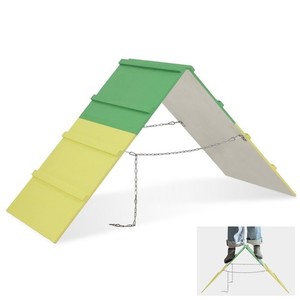
Introduce the A Frame gradually, allowing your dog to explore it at their own pace. Start with a low height and slowly raise it as your dog gains confidence. Always supervise closely to ensure safety.
Use clear commands and body language to guide your dog over the equipment. Position yourself on the side your dog should move toward, and use encouraging tones. Have you noticed how your dog responds to different cues on the course?
Mental Conditioning And Focus
Mental conditioning and focus are key for A Frame Agility Dog training. A sharp mind helps dogs follow commands quickly. It also builds trust between the dog and handler. Training the dog’s mind improves overall performance. It prepares dogs for challenges on the course and beyond.
Boosting Confidence And Motivation
Confidence helps dogs face new obstacles without fear. Motivation keeps them eager to learn and perform. Positive reinforcement works well here. Use treats, praise, or play to reward success. Small wins build a dog’s belief in its abilities. Confident dogs stay calm and move smoothly on the A Frame.
Handling Competition Pressure
Competitions can be stressful for dogs and handlers. Practice in different environments to reduce anxiety. Keep training sessions short and fun to avoid burnout. Teach dogs to focus only on the handler’s signals. Calm energy from the handler helps dogs stay steady. Preparation reduces mistakes during high-pressure moments.
Mindfulness And Relaxation Techniques
Relaxation helps dogs recover between training sessions. Gentle petting and quiet time lower stress levels. Breathing exercises for handlers improve calmness too. Incorporate short breaks during practice to reset focus. Mindfulness creates a better connection and smoother runs. A relaxed dog learns faster and performs better.

Credit: www.amazon.com
Tracking Progress And Adjusting Training
Tracking your dog’s progress on the A Frame agility obstacle is key to helping both of you improve. Without clear markers and adjustments, training can stall or become frustrating. Paying close attention to how your dog performs allows you to tailor your approach, making each session more effective and enjoyable.
Setting Realistic Performance Goals
Start by defining what success looks like for your dog on the A Frame. Is it climbing up and down smoothly, maintaining speed, or improving confidence? Set small, achievable targets rather than aiming for perfection right away.
For example, you might begin with your dog touching the contact zone consistently, then progress to faster completion times. These goals should match your dog’s current skill level and physical ability, preventing overwhelm or injury.
Analyzing Training Sessions
After each training session, take a moment to reflect on what went well and what didn’t. Watch videos or make notes about your dog’s body language, speed, and hesitation points.
Ask yourself questions like: Did my dog hesitate at the top? Was the pace steady or rushed? This analysis helps you identify specific areas needing focus rather than guessing.
Adapting Plans Based On Results
Use your observations to tweak your training routine. If your dog struggles with the descent, try slowing down the pace or breaking the obstacle into smaller parts.
Sometimes, changing the reward system or adding a short break can renew your dog’s enthusiasm. Training is not a one-size-fits-all process—being flexible keeps your dog motivated and progressing steadily.
Credit: www.ebay.com
Frequently Asked Questions
What Is A Frame Agility Training?
A Frame agility training involves teaching dogs to navigate an A-shaped obstacle. This is a vital component of dog agility courses. It helps improve your dog’s coordination, confidence, and physical fitness. Training should be gradual, starting with lower heights and increasing as the dog gains confidence.
How Does An A Frame Benefit Dogs?
An A Frame helps enhance a dog’s physical and mental agility. It strengthens muscles, improves balance, and boosts confidence. It also provides mental stimulation as dogs learn to conquer the obstacle. Regular practice can lead to better overall health and increased bonding with their handler.
What Are Common A Frame Challenges For Dogs?
Common challenges include fear of height, slipping, and incorrect approach angles. Dogs may hesitate due to unfamiliarity or lack of confidence. Slipping can occur if the surface is too smooth or wet. Proper training and positive reinforcement can help overcome these challenges effectively.
How Do You Introduce A Dog To An A Frame?
Start by introducing the dog to the A Frame in a calm manner. Use treats and positive reinforcement to encourage them. Begin with the frame lowered and gradually increase the height. Allow the dog to explore at their own pace, ensuring they feel safe and confident.
Conclusion
A Frame agility dogs show great speed and skill. They enjoy running through courses with ease. Training these dogs builds trust and teamwork. Their sharp focus helps them overcome obstacles quickly. Watching a Frame agility dog is truly exciting. This sport keeps dogs healthy and happy.
It also strengthens the bond between dog and owner. Try this fun activity to see how your dog performs. It brings joy to both of you. Agility training can be a wonderful experience for all.

Emily Barker is the founder of ChillDogLife.com, a space dedicated to helping pup parents discover the best dog products, lifestyle tips, and cozy ideas for happier homes.
A lifelong dog lover, Emily combines her passion for pets with a knack for research to share trusted recommendations on everything from toys and furniture to health and everyday care.
Her goal is simple: to make life easier, stylish, and more joyful for dogs and the people who love them.




