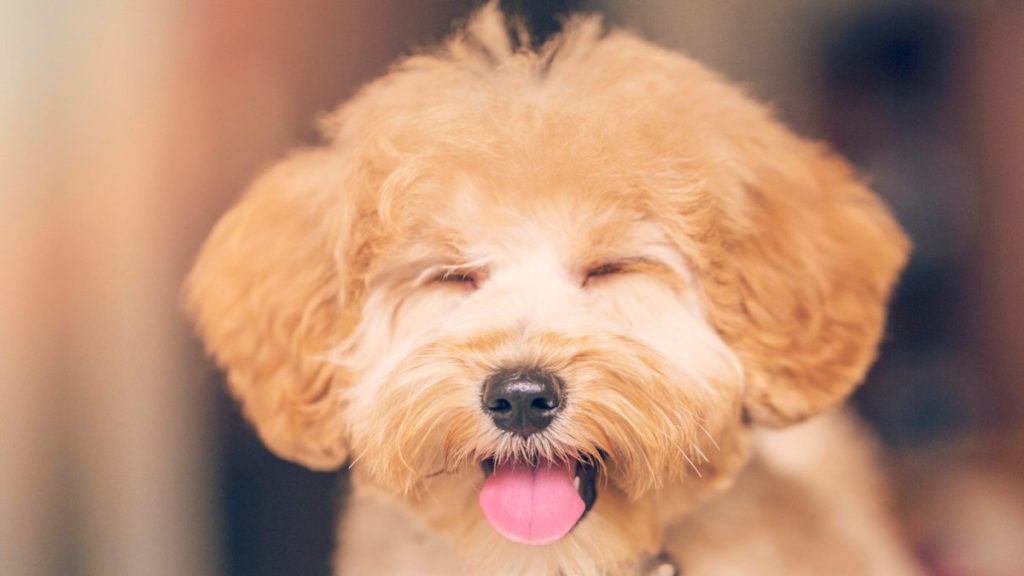
Are you curious about those tiny dogs that fit perfectly in your lap or even a small bag? Toy breed dogs are not just adorable—they bring a lot of joy, personality, and companionship into your life.
But what exactly makes a dog a “toy breed”? If you want to know which small pups might be the perfect match for your home and lifestyle, keep reading. This guide will help you understand what toy breed dogs are, their unique traits, and why they could be the ideal furry friend for you.
Toy Breed Characteristics
Toy breed dogs are small dogs bred mainly for companionship. They often have lively personalities and require less space than larger breeds.
Understanding their traits helps owners provide the best care and environment for these tiny pets.
Size And Weight
Toy breeds usually weigh under 12 pounds. Their size makes them easy to carry and fit well in small homes.
- Height ranges from 6 to 10 inches
- Weight usually between 3 to 12 pounds
- Compact body with delicate bone structure
Temperament Traits
Toy dogs are known for their friendly and alert nature. They enjoy being around people and can be quite playful.
| Trait | Description |
|---|---|
| Affectionate | They love to cuddle and stay close to their owners. |
| Energetic | Playful and active despite their small size. |
| Alert | Good watchdogs and quick to notice changes around them. |
| Social | Generally friendly with other pets and people. |
Lifespan Expectations
Toy breeds tend to live longer than larger dogs. Their lifespan gives owners many years to enjoy their company.
Common lifespan range for toy breeds:
- 10 to 12 years for some breeds
- 12 to 16 years for most toy breeds
- Up to 18 years for the healthiest dogs
Credit: www.rd.com
Popular Toy Breeds
Toy breed dogs are small in size but big in personality. They are perfect for people who want a small pet that is easy to care for.
These dogs are known for being friendly, playful, and good companions. Many families and singles enjoy having toy breeds as pets.
Chihuahua
Chihuahuas are one of the smallest dog breeds in the world. They often weigh less than 6 pounds.
They have big eyes and ears that make them look alert. Chihuahuas are loyal and protective of their owners.
- Weight: 2 to 6 pounds
- Coat: Smooth or long-haired
- Temperament: Bold and lively
Pomeranian
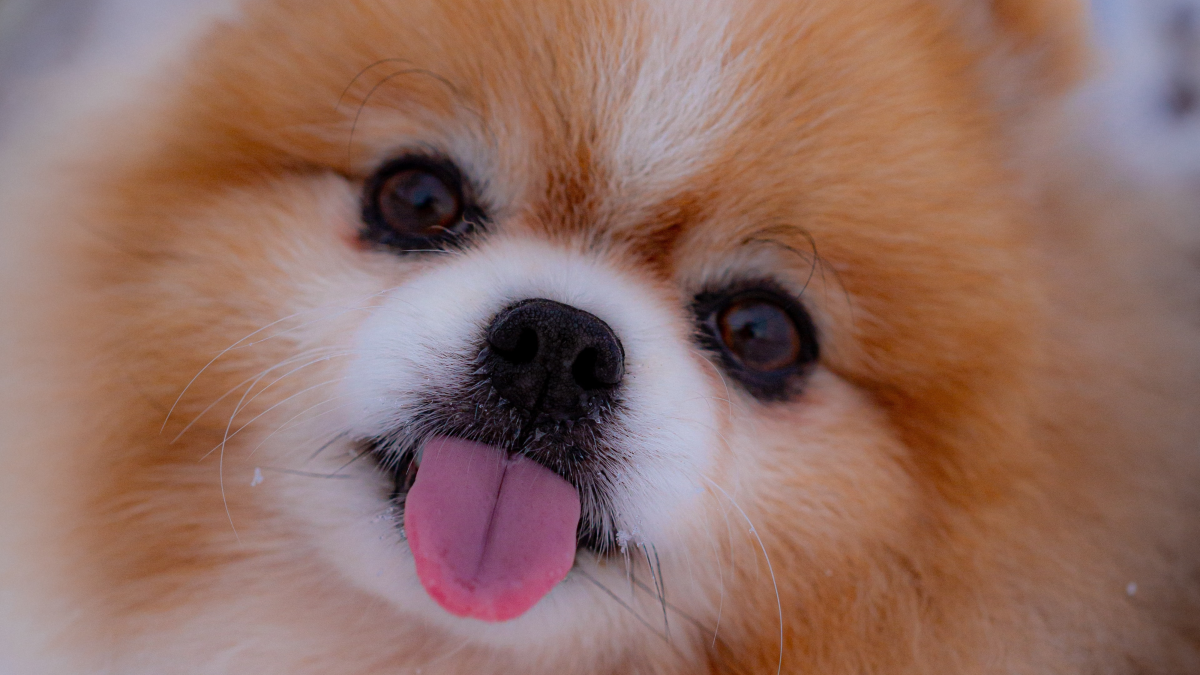
Pomeranians have thick, fluffy coats and a fox-like face. They are small but very energetic.
These dogs love attention and enjoy playing with their owners. They can be good watchdogs despite their size.
- Weight: 3 to 7 pounds
- Coat: Double coat, fluffy
- Temperament: Friendly and curious
Yorkshire Terrier
Yorkshire Terriers, or Yorkies, have silky, long hair. They are small but full of energy.
Yorkies are smart and brave. They like to be the center of attention and enjoy cuddles.
- Weight: 4 to 7 pounds
- Coat: Long, silky, straight
- Temperament: Affectionate and confident
Maltese
The Maltese dog has a long white coat that looks soft and flowing. They are gentle and playful.
Maltese dogs enjoy being with people. They are good with children and make calm pets.
- Weight: 4 to 7 pounds
- Coat: Long, white, silky
- Temperament: Sweet and lively
Papillon
Papillons are named after their butterfly-like ears. They have fine, silky fur and a happy nature.
These dogs are smart and easy to train. They enjoy playing and being active with their owners.
- Weight: 5 to 10 pounds
- Coat: Long, silky
- Temperament: Friendly and intelligent
Care Needs For Toy Dogs
Toy breed dogs are small and delicate pets. They need special care to stay healthy and happy. Understanding their care needs helps owners provide the best support.
Small size makes toy dogs different from larger breeds. Their grooming, exercise, and diet need attention to keep them strong and cheerful.
Grooming Tips
Toy dogs require regular grooming to keep their coats clean and free from mats. Their small size means gentle handling is important.
- Brush their coat at least twice a week
- Trim nails every few weeks to avoid overgrowth
- Clean ears weekly to prevent infections
- Bathtime should be gentle and not too frequent
- Check teeth regularly and brush for good oral health
Exercise Requirements
Toy dogs have less stamina than bigger breeds but still need daily exercise. Short walks and playtime help them stay active and avoid obesity.
- Take two or three short walks daily
- Engage in indoor play with toys
- Use safe spaces for running and exploring
- Watch for signs of tiredness or overheating
- Adjust activity level based on the dog’s age and health
Diet And Nutrition
Proper diet is key to toy dogs’ health. Their small size means they eat less but need nutrient-rich food to maintain energy and weight.
| Type of Food | Recommended Amount | Feeding Frequency |
| Dry kibble | ¼ to ½ cup | 2 times per day |
| Wet food | ¼ cup | 2 times per day |
| Fresh water | Available at all times | Continuous |
| Treats | Small, healthy pieces | Occasional |
Training Small Dogs
Toy breed dogs are small dogs that need special care in training. They can learn well with the right approach.
Training small dogs requires patience and gentle techniques. It helps them behave well in the home and outside.
Housebreaking Challenges
Housebreaking small dogs can be hard because of their size and bladder control. They need more frequent bathroom breaks.
Consistency and a set schedule help small dogs learn faster. Use positive rewards when they go outside.
- Take them out every 1-2 hours
- Watch for signs they need to go
- Use the same bathroom spot
- Reward good behavior immediately
Socialization Strategies
Small dogs need early socialization to avoid fear and aggression. Meet new people and other dogs often.
Introduce small dogs to different sounds and places. This helps them stay calm and confident in new situations.
- Invite friends to visit
- Take short walks in busy areas
- Attend small dog playgroups
- Use treats to encourage calm behavior
Basic Obedience
Teach small dogs simple commands like sit, stay, and come. These commands keep them safe and well-behaved.
Use short training sessions to hold their attention. Reward them with treats and praise often.
- Start with one command at a time
- Use clear and calm voice
- Practice daily for 5-10 minutes
- Always reward good actions
Health Concerns In Toy Breeds
Toy breed dogs are small and cute, but they have special health needs. Their tiny size can cause unique health problems.
Knowing about these health concerns helps owners keep their toy dogs healthy and happy for longer.
Common Health Issues
Toy breeds often face specific health problems. Their small bodies make them prone to injuries and illnesses.
- Dental problems due to small mouths
- Fragile bones that break easily
- Hypoglycemia or low blood sugar
- Heart diseases common in small dogs
- Patellar luxation, which affects the knees
- Respiratory issues from small airways
Preventive Care
Regular care can prevent many health problems in toy breeds. Good habits help keep your dog safe and well.
Feed a balanced diet made for small dogs. Keep your dog active but avoid rough play that can cause injuries.
- Brush teeth daily to avoid dental disease
- Use soft bedding to protect bones
- Feed small, frequent meals to prevent low sugar
- Schedule regular exercise to maintain heart health
- Keep vaccinations up to date
When To Visit The Vet
Watch your toy dog for signs of illness. Early vet visits can catch problems before they get worse.
Seek veterinary care if you notice changes in behavior, eating habits, or movement. Regular check-ups are important too.
- Loss of appetite or weight loss
- Difficulty walking or limping
- Coughing, sneezing, or breathing trouble
- Drooling or bad breath
- Sudden weakness or fainting
- Swollen or painful joints
Credit: pethelpful.com
Choosing The Right Toy Breed
Toy breed dogs are small, adorable companions. They fit well in various living situations. Selecting the right one requires some thought.
Consider your lifestyle, space, and health needs. This will help you find the perfect match.
Matching Lifestyle
Every toy breed has unique energy levels and care needs. It is essential to match these with your daily activities.
- Active individuals might prefer a playful, energetic breed.
- Busy people may choose a low-maintenance dog.
- Families should look for breeds that get along with kids.
Living Space Considerations
The size of your home can influence your choice. Toy breeds generally adapt well to smaller spaces.
| Home Type | Recommended Breed |
| Apartment | Chihuahua |
| Small House | Pomeranian |
| Large House | Pug |
Allergy Factors
Some people are allergic to dogs. Choosing a hypoallergenic breed can help minimize allergic reactions.
Toy Breeds In Families
Toy breed dogs are small in size but big in personality. They fit perfectly into family life.
These dogs are known for their affectionate nature and adaptability. Families often find them to be delightful companions.
Good With Children
Toy breeds are known for their gentle nature with kids. Their small size makes them less intimidating.
- They enjoy playtime and cuddles.
- Patience is key when introducing them to young children.
- Supervised interactions ensure safety for both.
Compatibility With Other Pets
Many toy breeds do well with other pets. Their friendly demeanor helps them make new furry friends.
| Breed | Compatibility Level |
| Pug | High |
| Chihuahua | Medium |
| Pomeranian | High |
Safety Tips
Ensuring the safety of toy breeds is essential due to their small size. Simple precautions can make a big difference.
Use harnesses instead of collars to protect their necks.
Secure your home to prevent accidental injuries.
Avoid rough play that might harm their delicate bodies.
Credit: worldanimalfoundation.org
Frequently Asked Questions
What Defines A Toy Breed Dog?
A toy breed dog is a small-sized dog, usually under 12 pounds. They are bred mainly for companionship and are known for their cute appearance and friendly nature. These dogs adapt well to apartment living and require regular grooming.
How Long Do Toy Breed Dogs Typically Live?
Toy breed dogs generally have a lifespan of 12 to 16 years. Their smaller size contributes to longer life compared to larger breeds. Proper care, nutrition, and regular vet visits can help maximize their lifespan.
Are Toy Breed Dogs Good For Families With Children?
Toy breed dogs can be good family pets but may be fragile around small children. They require gentle handling and supervision to avoid injury. These dogs thrive in calm environments and enjoy affectionate interactions with kids.
What Are Common Health Issues In Toy Breed Dogs?
Toy breeds often face dental problems, patellar luxation, and tracheal collapse. Regular dental care and vet checkups are crucial. Early detection and treatment help maintain their overall health and quality of life.
Conclusion
Toy breed dogs are small but full of energy and charm. They fit well in small homes and apartments. These dogs need love, care, and regular exercise. Their size makes them easy to carry and train. Many people enjoy their friendly and loyal nature.
Choosing a toy breed means gaining a devoted companion. They bring joy and warmth to any family. Small dogs, big hearts.

Emily Barker is the founder of ChillDogLife.com, a space dedicated to helping pup parents discover the best dog products, lifestyle tips, and cozy ideas for happier homes.
A lifelong dog lover, Emily combines her passion for pets with a knack for research to share trusted recommendations on everything from toys and furniture to health and everyday care.
Her goal is simple: to make life easier, stylish, and more joyful for dogs and the people who love them.




