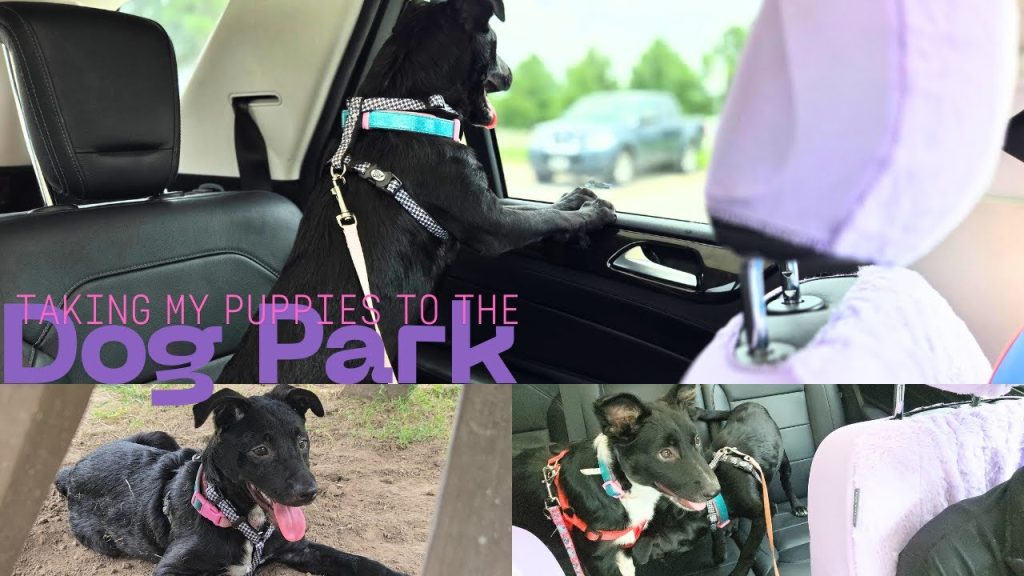
You’re excited to take your new puppy to the dog park, but you’re probably wondering—when is the right time? Bringing your puppy too early could put their health at risk, but waiting too long might mean missing out on important socialization opportunities.
You want your furry friend to have fun, make new friends, and stay safe. You’ll discover exactly when you can take your puppy to the dog park, what signs to look for, and how to prepare for the experience. Keep reading to make sure your puppy’s first visit is a happy and healthy one.

Credit: www.forbes.com
Ideal Age For Dog Park Visits
Deciding the right time to take your puppy to the dog park is crucial for their health and social development. The ideal age depends on several factors, including vaccinations, social skills, and physical growth. Understanding these will help you make safe and confident choices for your puppy’s first park experience.
Vaccination Requirements
Your puppy must have completed essential vaccinations before visiting a dog park. Typically, this means finishing the core vaccines at around 16 weeks of age. These vaccines protect against diseases like parvovirus and distemper, which can be deadly for young puppies.
Taking a risk by bringing your puppy too early can expose them to serious illnesses. Ask your vet for a vaccination schedule and ensure your puppy has at least two rounds of shots. This precaution not only keeps your puppy safe but also protects other dogs at the park.
Socialization Milestones
Social skills develop rapidly between 3 and 14 weeks of age. This is the window when puppies learn how to interact with other dogs and people. However, early encounters should be controlled and with vaccinated, friendly dogs to avoid negative experiences.
Have you noticed how your puppy reacts to new dogs or strange environments? Positive early socialization builds confidence and reduces fear or aggression. Before heading to a busy dog park, introduce your puppy to calm, vaccinated dogs in smaller settings.
Physical Readiness
Puppies are active but fragile. Their bones and joints are still developing, so rough play can cause injuries. Waiting until your puppy is at least 4 to 6 months old ensures they have the physical strength to handle the excitement and activity at the park.
Observe your puppy’s stamina and coordination. If they tire quickly or seem clumsy, it might be best to wait a little longer. Your puppy’s safety and enjoyment should always come first when deciding the right age for dog park visits.
Credit: www.dobermantalk.com
Preparing Your Puppy For The Park
Preparing your puppy for the dog park ensures a safe and fun experience. Early training builds good habits and confidence. It also helps your puppy understand boundaries and social cues.
Basic Obedience Training
Teach simple commands like sit, stay, and come. These commands help control your puppy in busy spaces. Practice in short sessions to keep your puppy focused. Reward good behavior with treats or praise.
Leash And Recall Practice
Start leash walking in quiet areas. This helps your puppy get used to walking beside you. Recall practice means calling your puppy to come back. Use a happy voice and treats to encourage quick response.
Introducing New Environments
Take your puppy to different places slowly. Parks, busy streets, and pet stores are good options. Let your puppy explore and meet new smells and sounds. Stay calm to show your puppy it is safe.
Safety Measures At The Dog Park
Taking your puppy to the dog park can be a fun and social experience, but safety should always be your top priority. Ensuring your puppy’s well-being means being alert and proactive from the moment you arrive. Understanding and applying key safety measures helps create a positive environment for your puppy and others.
Monitoring Puppy Behavior
Watch your puppy closely as they interact with other dogs. Puppies are still learning social cues, so they might get overwhelmed or behave unpredictably. If you notice your puppy becoming overly excited or fearful, step in early to guide their behavior or take a short break.
Keep an eye out for any rough play or signs that your puppy is not comfortable. Your quick response can prevent accidents and help your puppy develop good social skills. Remember, your presence and attention are crucial in these early social experiences.
Avoiding Overcrowded Times
Choose quieter times to visit the dog park. Early mornings or late afternoons on weekdays usually have fewer dogs. Overcrowded parks can stress your puppy and increase the chance of conflicts.
Have you noticed how a calm environment helps your puppy settle in faster? Less noise and fewer dogs give your puppy space to explore and build confidence. Planning your visits around these times can make all the difference.
Recognizing Signs Of Stress
Learn to spot when your puppy feels stressed or anxious. Common signs include tucked tails, yawning, lip licking, or trying to hide behind you. These cues mean your puppy might need a break or a quieter spot.
Ignoring these signs can escalate tensions and create negative experiences. Ask yourself: Are you giving your puppy enough time to adjust? Acting on these signals protects your puppy’s comfort and safety at the park.
Choosing The Right Dog Park
Choosing the right dog park is crucial before you bring your puppy out for some social time and exercise. Not all parks are created equal, and finding one that fits your puppy’s needs can make all the difference in their safety and enjoyment. Think about the kind of environment where your puppy will thrive and grow confident.
Cleanliness And Maintenance
Look for a dog park that is well-kept and clean. A dirty park with trash, standing water, or uncollected waste can expose your puppy to illnesses. Regular maintenance like fresh water, cleaned play areas, and trimmed grass shows that the park is cared for and safe.
Have you ever noticed how much more relaxed your puppy is when the park smells fresh and looks tidy? That’s a sign the park managers prioritize health and hygiene, which is essential for young dogs with developing immune systems.
Size And Layout
Consider the size of the dog park and how it’s laid out. A large, open space might be great for energetic dogs that love to run, but smaller or fenced areas can be better for shy or young puppies. Separate sections for small and large dogs help avoid accidental injuries.
Does the park have shaded spots and water stations? These features are important for keeping your puppy comfortable, especially on hot days. A well-designed park lets your puppy explore safely without feeling overwhelmed.
Rules And Regulations
Every dog park has its own set of rules, and you should know them before visiting. Some parks require puppies to be fully vaccinated, while others might have age limits or leash policies. Understanding these rules helps keep your puppy and other dogs safe.
Check if the park enforces behavior standards, like no aggressive dogs or supervision requirements. These rules protect your puppy from stressful or dangerous encounters. Would you want your puppy playing in a place where rules are ignored?
Post-visit Care
Taking your puppy to the dog park is exciting, but the care you provide after the visit is just as important. Post-visit care helps keep your puppy safe, healthy, and ready for the next adventure. It ensures any hidden dangers or discomforts are caught early before they become bigger problems.
Checking For Injuries Or Ticks
After your puppy’s playtime, carefully check their body for cuts, scrapes, or swelling. Small injuries might not be obvious at first but can cause discomfort later. Don’t forget to inspect areas like between the toes and under the collar.
Ticks can hide in thick fur and attach quickly during outdoor play. Use your fingers to feel for tiny bumps and check behind the ears and around the neck. If you find a tick, remove it promptly and watch for signs of illness over the next few days.
Cleaning And Grooming
A quick wash or wipe-down after the park removes dirt, pollen, and germs your puppy picked up. Use a damp cloth or pet-safe wipes to clean the paws, belly, and face. This simple step reduces the risk of irritation and infections.
Brushing your puppy’s coat helps remove loose fur and debris. It’s also a great way to bond and spot anything unusual on their skin. Regular grooming keeps their coat shiny and healthy, making future visits more enjoyable.
Monitoring Health Changes
Observe your puppy closely for any changes in behavior or appetite after the park visit. Look out for signs like limping, excessive scratching, or lethargy that could mean they are unwell. Early detection helps you act quickly and prevent complications.
Keep a journal or notes on your puppy’s reactions after each visit. Have you noticed certain areas they seem uncomfortable with or any new symptoms? Tracking these details can guide you in making better decisions about future dog park trips.

Credit: www.bestlife4pets.com
Frequently Asked Questions
When Is It Safe To Take My Puppy Outside?
Your puppy can go outside once they’ve had their first set of vaccinations. This is typically around 8-10 weeks old. However, it’s crucial to wait until they’ve completed their full vaccination schedule, usually by 16 weeks, before visiting high-traffic areas like dog parks.
How Do I Prepare My Puppy For The Dog Park?
Begin with basic obedience training and socialization at home. Expose your puppy to different sounds, people, and pets. Ensure your puppy is comfortable with commands like “sit” and “come. ” This preparation will help your puppy feel more confident and safe at the dog park.
What Age Should My Puppy Be For Dog Parks?
Puppies are generally ready for dog parks around 16 weeks of age. This timing ensures they’ve had all their vaccinations. It’s also crucial for them to be socialized and trained in basic commands to ensure a positive experience for both them and other dogs.
Can Unvaccinated Puppies Go To Dog Parks?
It’s unsafe to take unvaccinated puppies to dog parks. These areas have high exposure to infectious diseases. Wait until your puppy has completed their full vaccination schedule. This ensures they are protected against common diseases found in public areas.
Conclusion
Taking your puppy to the dog park is a big step. Wait until vaccinations are complete and your vet gives the okay. Start with short visits to help your puppy adjust. Watch your puppy closely to keep play safe and fun.
Socializing early helps your puppy grow confident and happy. Enjoy these moments—they build a strong bond with your furry friend. Patience and care make dog park visits a great experience. Your puppy will thank you with wagging tails and happy barks.

Emily Barker is the founder of ChillDogLife.com, a space dedicated to helping pup parents discover the best dog products, lifestyle tips, and cozy ideas for happier homes.
A lifelong dog lover, Emily combines her passion for pets with a knack for research to share trusted recommendations on everything from toys and furniture to health and everyday care.
Her goal is simple: to make life easier, stylish, and more joyful for dogs and the people who love them.




