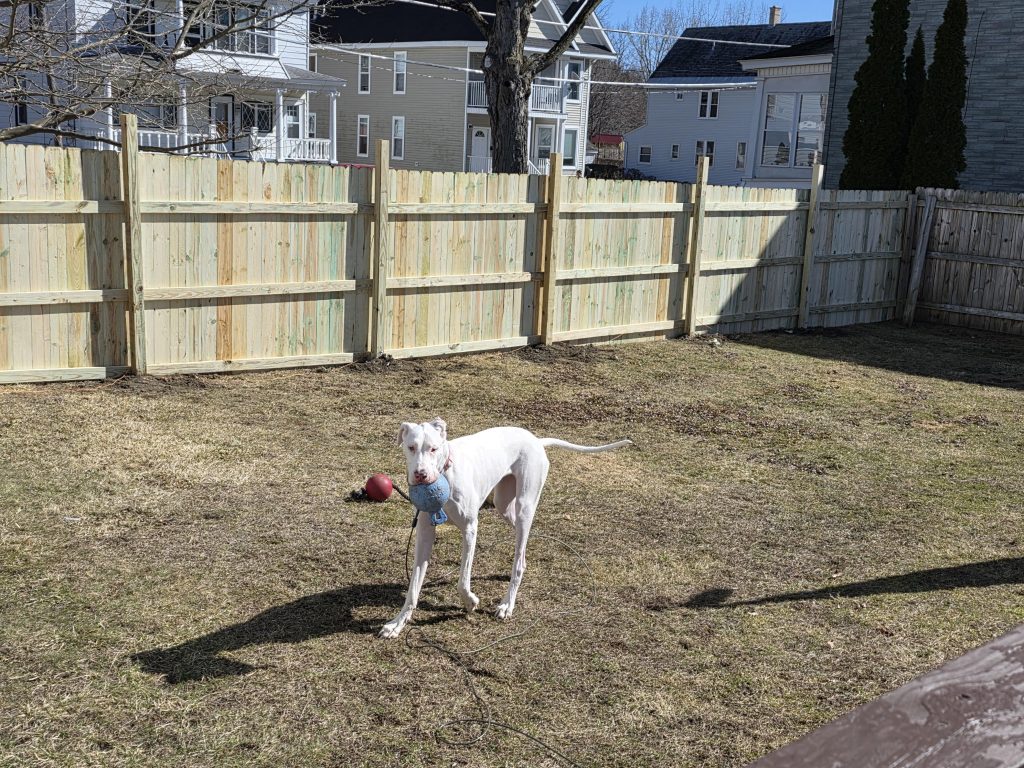
Is your yard starting to look like a mini excavation site thanks to your dog’s digging habits? You’re not alone—and the good news is, you can stop this behavior before it gets worse.
Digging holes can be frustrating, messy, and sometimes even dangerous for your furry friend. But why does your dog dig in the first place? And more importantly, how can you guide them to stop? Keep reading, because by the end of this article, you’ll have simple, effective steps to protect your yard and keep your dog happy and safe.
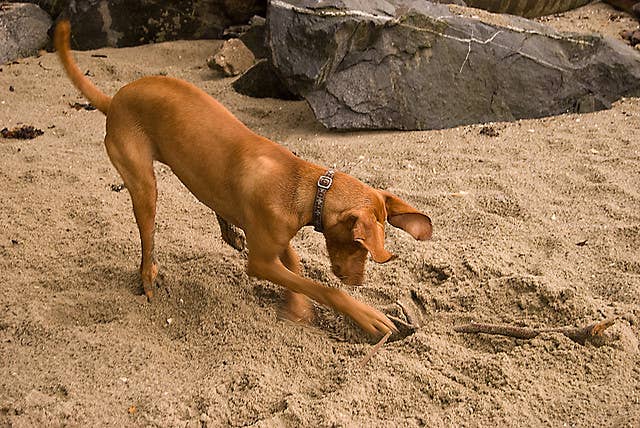
Credit: pethelpful.com
Reasons Dogs Dig
Understanding why your dog digs is key to stopping this behavior. Digging is more than just mischief; it’s often a natural response to needs and instincts. Identifying the root cause helps you address it effectively and keeps your yard intact.
Instinct And Breed Traits
Digging is deeply rooted in some dogs’ genetics. Breeds like terriers and dachshunds were bred to dig out prey from underground. This natural instinct can be tough to suppress because it’s part of their DNA.
If your dog belongs to one of these breeds, recognize that digging is a way they express their nature. Redirecting this energy into other activities can help satisfy their instinct without destroying your garden.
Boredom And Energy Release
Dogs often dig when they have excess energy and not enough to do. Imagine being stuck inside all day with no stimulation—that’s how your dog feels. Digging becomes a game and a way to burn off energy.
Do you provide enough mental and physical activities for your dog? Increasing walks, playtime, or puzzle toys can reduce their urge to dig. A tired dog is less likely to turn your yard into a digging zone.
Seeking Comfort And Shelter
Sometimes dogs dig to create a cool or safe spot to rest. On hot days, the earth below the surface is cooler, so your dog might be trying to beat the heat. Similarly, digging can give them a sheltered place to hide or feel secure.
Have you noticed your dog digging in shady or sheltered areas? Providing a comfortable doghouse or shaded resting spot can reduce this behavior. Meeting their comfort needs makes digging less necessary.
Hunting And Storing Items
Digging can also be a way for dogs to hunt or stash treasures. Dogs with strong prey drives might dig to catch insects or rodents they sense underground. Others might bury toys or bones to save them for later.
Is your dog hiding toys or food? This behavior shows their natural desire to store valuable items. Offering designated digging areas or interactive feeding toys can satisfy this urge without damaging your yard.
Preventive Measures
Stopping your dog from digging holes begins with smart preventive measures. These steps reduce your dog’s urge to dig and protect your yard. Prevention helps keep your dog happy and your garden intact.
Provide Adequate Exercise
Dogs often dig because they have extra energy. Daily walks, playtime, and running help burn this energy. A tired dog is less likely to dig out of boredom or restlessness. Exercise also improves your dog’s mood and health.
Create A Designated Digging Area
Give your dog a special spot to dig safely. Choose a corner of the yard and fill it with soft soil or sand. Train your dog to dig only in this area by hiding toys or treats there. Praise your dog when it digs in the right place.
Use Deterrents And Barriers
Some dogs dig in certain areas repeatedly. Use physical barriers like chicken wire or garden fencing to block access. Natural deterrents such as citrus peels or vinegar sprays can also discourage digging. These make digging spots less appealing.
Supervise Outdoor Time
Watch your dog closely when outside. Interrupt any digging attempts early with a firm “no.” Redirect your dog to toys or the digging area. Supervision helps you catch unwanted digging before it becomes a habit.
Training Techniques
Training your dog to stop digging holes takes patience and the right approach. Understanding your dog’s motivations and responding with clear, consistent techniques can make all the difference. The key is to guide their energy into positive behaviors while addressing any underlying causes.
Redirecting Digging Behavior
Instead of punishing your dog for digging, offer an alternative activity. Create a designated digging spot filled with loose soil or sand where your dog can dig freely. This helps satisfy their natural urge without damaging your yard.
Bring your dog to this spot whenever you notice them starting to dig elsewhere. Use toys or treats to encourage digging only in the approved area. This redirection teaches your dog where it’s okay to dig and sets clear boundaries.
Positive Reinforcement
Reward your dog immediately when they dig in the right place or stop digging on command. Use treats, praise, or playtime to reinforce good behavior. Dogs learn faster when they connect actions with positive outcomes.
Keep rewards consistent and timely. If your dog digs in the wrong spot, calmly redirect without yelling or punishment. Positive reinforcement builds trust and motivates your dog to repeat desirable behaviors.
Consistent Commands
Teach your dog simple commands like “No,” “Leave it,” or “Come” to interrupt digging. Use the same words every time so your dog understands what you expect. Consistency is crucial for your dog to grasp and obey commands.
Practice commands in different settings with distractions to strengthen your dog’s response. Remember, patience is key—dogs may test limits before fully complying. How firm and steady are you with your commands?
Addressing Anxiety And Stress
Digging can be a sign of anxiety or stress in dogs. If your dog digs excessively, consider what might be causing discomfort. Changes in routine, lack of exercise, or separation anxiety could be triggers.
Provide plenty of physical and mental stimulation to reduce stress. Long walks, interactive toys, and calming techniques like massage or music can help. Sometimes, consulting a vet or trainer for anxiety management strategies is necessary.

Credit: www.reddit.com
Environmental Adjustments
Changing your dog’s environment can reduce digging significantly. Simple adjustments make your yard less tempting for digging. These changes keep your dog busy and your garden intact.
Improve Yard Conditions
Keep the yard clean and dry. Fill in soft, muddy spots with soil or sand. Trim tall grass and bushes where dogs might hide or dig. A tidy yard feels less like a digging playground.
Remove Attractive Objects
Take away toys, sticks, or bones that encourage digging. Remove any small animals’ burrows or nests. These objects invite your dog to dig for fun or curiosity. Clear space lowers digging urges.
Use Mulch Or Gravel
Cover digging spots with mulch or gravel. These materials are hard to dig through and uncomfortable for paws. Mulch and gravel create a firm surface that stops digging. Choose safe, non-toxic mulch types for pets.
Install Physical Barriers
Put fences or garden edging around favorite digging areas. Use chicken wire or hardware cloth under soil in problem zones. Barriers block access to tempting spots. They teach your dog where digging is not allowed.
When To Consult A Professional
Knowing when to seek help from a professional is key to stopping your dog from digging holes. Some digging behaviors go beyond simple mischief and need expert care. Early intervention can prevent bigger problems and keep your dog safe and happy.
Behavioral Issues
Digging can show deeper behavioral problems like anxiety or boredom. A professional trainer or animal behaviorist can identify these issues. They use special techniques to teach your dog better habits. Persistent or aggressive digging often needs expert guidance to change.
Health Concerns
Sometimes digging signals health problems such as skin conditions or parasites. A vet checkup can rule out or treat illnesses causing this behavior. Pain or discomfort may make dogs dig to find relief. Ignoring health issues can make digging worse.
Advanced Training Options
Basic commands might not stop some dogs from digging. Professionals offer advanced training that targets digging specifically. They provide tailored plans with rewards and exercises. This helps dogs learn new ways to use their energy and focus.

Credit: www.bestmatedogtraining.co.nz
Frequently Asked Questions
Why Do Dogs Dig Holes In The Yard?
Dogs dig holes due to boredom, hunting instincts, or to cool off. They may also dig for entertainment or stress relief. Understanding the reason behind their behavior can help in addressing the issue effectively and finding a suitable solution.
How Can I Prevent My Dog From Digging?
Provide mental stimulation and physical exercise to your dog. Offer toys and playtime to keep them engaged. Create a designated digging area with sand or soil. Reinforce positive behavior with treats when they dig in the right place.
Are Certain Dog Breeds More Prone To Digging?
Yes, breeds like Terriers, Dachshunds, and Beagles are more inclined to dig. These breeds have a natural instinct for hunting and burrowing. Understanding your dog's breed tendencies can help in managing their behavior effectively.
Is Digging Holes A Sign Of Anxiety In Dogs?
Yes, digging can indicate anxiety or stress in dogs. They may dig to self-soothe or release pent-up energy. Identifying the root cause of their anxiety and providing comfort or training can help reduce this behavior.
Conclusion
Stopping your dog from digging takes time and patience. Watch your dog’s behavior closely. Give them plenty of play and exercise. Create a special digging spot if needed. Use gentle training to guide good habits. Avoid punishing your dog harshly.
Remember, digging is natural for dogs. Help them dig in the right places. Stay consistent with your efforts every day. Your dog will learn and stop digging unwanted holes. A happy dog means a happy yard too. Keep working, and you will see results soon.

Emily Barker is the founder of ChillDogLife.com, a space dedicated to helping pup parents discover the best dog products, lifestyle tips, and cozy ideas for happier homes.
A lifelong dog lover, Emily combines her passion for pets with a knack for research to share trusted recommendations on everything from toys and furniture to health and everyday care.
Her goal is simple: to make life easier, stylish, and more joyful for dogs and the people who love them.




