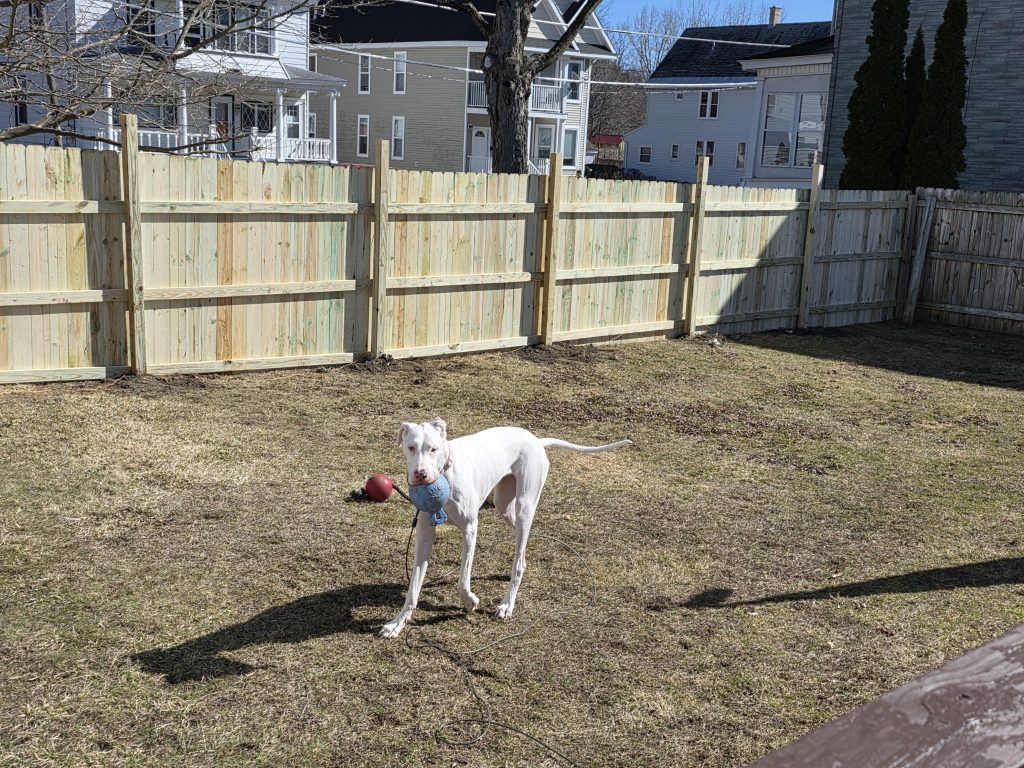
Is your dog turning your beautiful yard into a minefield of holes? You’re not alone—and it can be really frustrating.
But the good news is, you don’t have to live with this problem. Imagine enjoying a neat, hole-free yard without constantly worrying about your dog digging up your plants or ruining your lawn. You’ll discover simple and effective ways to stop your dog from digging holes, so you can protect your yard and keep your furry friend happy.
Keep reading, because the solution might be easier than you think!
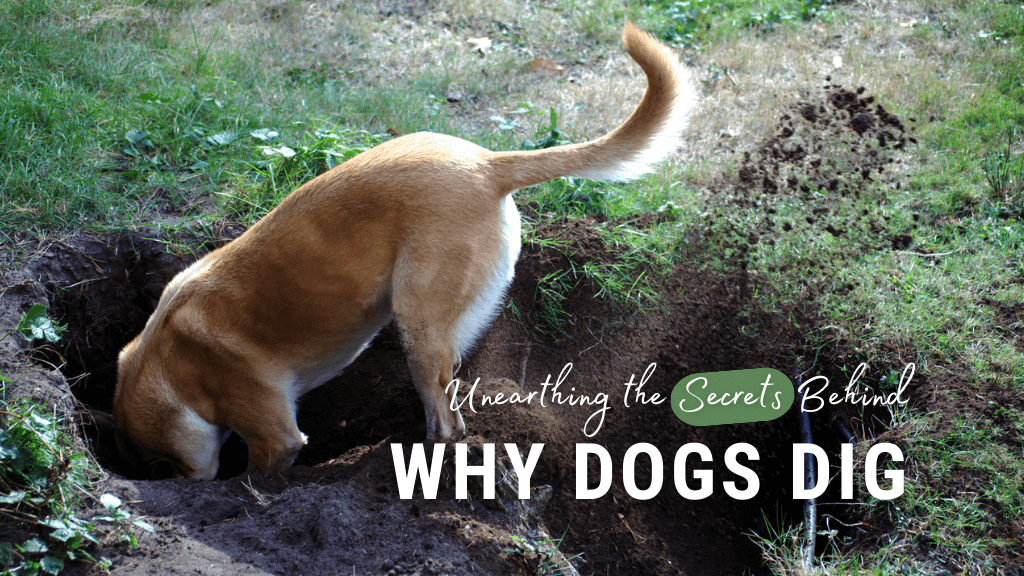
Credit: www.reedycreekvet.com.au
Reasons Dogs Dig
Dogs dig holes for many reasons. Understanding why your dog digs helps you stop this behavior. Digging is natural for dogs, but some causes need your attention. This section explains common reasons dogs dig in your yard.
Instinct And Breed Traits
Digging comes from a dog's natural instincts. Some breeds, like terriers and hounds, dig more than others. These dogs were bred to dig for prey or create dens. Instinct drives them to dig, even without a clear reason.
Boredom And Excess Energy
Dogs with too much energy often dig to burn it off. Boredom also makes dogs look for fun activities, like digging. Without enough play or exercise, dogs dig to entertain themselves. Digging helps them relieve stress and stay busy.
Seeking Comfort Or Shelter
Dogs dig to find cool or warm spots in the ground. They create shallow holes to lie in during hot weather. Some dogs dig to build a shelter or safe space. This behavior protects them from heat, cold, or insects.
Attention-seeking Behavior
Dogs may dig to get your attention. If digging leads to a reaction, dogs repeat it. This can happen if owners scold or play after finding holes. Dogs use digging as a way to communicate or seek interaction.
Hunting And Exploring
Dogs are curious animals and dig to find small animals or insects. Digging satisfies their natural hunting instincts. It also helps dogs explore smells and sounds underground. This behavior keeps their senses sharp and minds active.
Preventive Yard Setup
Setting up your yard to prevent your dog from digging saves time and protects your lawn. A thoughtful yard setup guides your dog’s behavior and keeps them happy. Small changes can reduce digging urges and protect your garden.
Create A Designated Digging Area
Give your dog a special spot to dig safely. Choose a quiet corner and fill it with loose soil or sand. Encourage digging there by hiding toys or treats. Praise your dog when they use this area. This keeps digging fun and controlled.
Use Barriers And Fencing
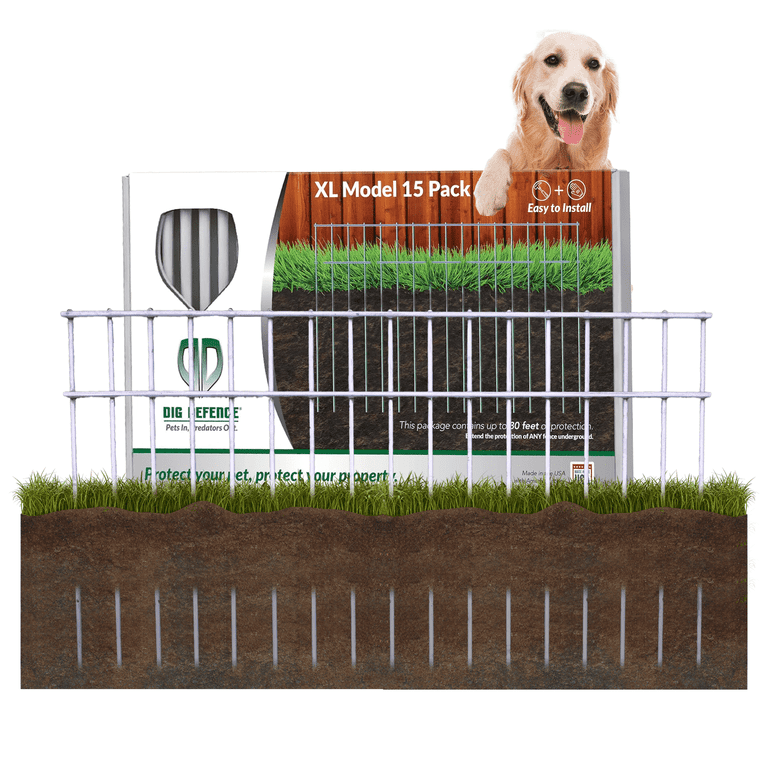
Block off areas where digging causes damage. Use low fences or garden borders to protect flower beds. Place chicken wire under soil in problem spots. Barriers stop your dog from reaching favorite digging places. This helps protect plants and lawn.
Remove Attractants From Yard
Check your yard for things that attract your dog to dig. Remove buried food, bones, or pests like insects and rodents. Clear away fallen fruit or bird feeders. Keeping the yard clean reduces your dog’s desire to dig. A tidy yard is less tempting.
Improve Yard Environment
Make your yard comfortable and fun for your dog. Provide plenty of water, shade, and toys. Exercise your dog daily to burn energy. A tired dog digs less. Add grass or soft ground cover for a pleasant surface. A happy dog stays out of trouble.
Behavioral Training Techniques
Behavioral training plays a key role in stopping your dog from digging holes. Dogs dig for many reasons, such as boredom, instinct, or anxiety. Training helps guide their energy into positive actions. It builds good habits and strengthens your bond.
Redirect Digging To Approved Spots
Create a special digging area in your yard. Use a sandbox or a loose soil patch. Show your dog the spot and encourage digging there. Bury toys or treats to make it fun. Praise your dog when they dig in the right place. This teaches them where digging is allowed.
Positive Reinforcement Methods
Reward your dog for good behavior with treats or praise. Catch your dog before they start digging and redirect them. Use a happy voice to encourage them to stop digging. Give treats when they listen. This helps your dog connect good behavior with rewards.
Consistent Commands And Boundaries
Use clear words like “no dig” or “leave it” every time your dog digs. Stay calm but firm. Repeat commands consistently to avoid confusion. Set clear rules about where your dog can and cannot dig. Consistency helps your dog understand boundaries quickly.
Supervised Outdoor Time
Watch your dog closely while outside. Interrupt digging as soon as it starts. Offer toys or play to keep them busy. Supervised time helps you catch digging early. It stops bad habits before they form. Your presence guides your dog’s behavior.

Credit: www.reddit.com
Exercise And Mental Stimulation
Dogs often dig out of boredom or excess energy. Providing both exercise and mental stimulation can redirect their focus from your yard to more positive outlets. You might find that a tired dog is less likely to dig holes, as their energy is well spent.
Daily Physical Activities
Regular walks or runs help your dog burn off energy that might otherwise go into digging. Try to mix up the routine with different routes or speeds to keep it interesting. Even a quick game of fetch in the backyard can make a big difference.
If your dog has a lot of energy, consider longer sessions or multiple short bursts of activity throughout the day. Have you noticed your dog digging more after a lazy day? Increasing physical activity can often stop that behavior.
Interactive Toys And Puzzles
Dogs need mental challenges to stay happy and calm. Toys that require problem-solving, like treat-dispensing puzzles, keep their minds busy and reduce destructive habits. You can find simple puzzles or make your own by hiding treats in folded towels or boxes.
Rotate toys regularly to maintain your dog’s interest. If you’ve tried just tossing a ball and your dog still digs, adding mental stimulation could be the key you’re missing.
Socialization With Other Dogs
Playing with other dogs offers both physical exercise and mental engagement. It teaches social skills and helps your dog release energy in a fun, natural way. Dog parks or playdates can provide the interaction your dog needs.
If your dog digs when left alone, social time with canine friends might reduce their loneliness and boredom. Think about how your dog behaves after a good play session – calmer and less likely to dig, right?
Addressing Anxiety And Stress
Dogs often dig holes because they feel anxious or stressed. Understanding and easing these emotions can stop the behavior at its root. Your role is to notice what unsettles your dog and help create a calm environment.
Identify Triggers
Watch your dog’s behavior closely. Does digging happen when they’re left alone, during loud noises, or after a change in routine? Pinpointing these moments helps you know what causes their stress.
Ask yourself: Are there specific times or situations that make your dog restless? This might be a new pet in the house, unfamiliar visitors, or even boredom from lack of exercise. Once you identify triggers, you can take steps to reduce them or prepare your dog better.
Calming Products And Solutions
Try products designed to ease anxiety, like calming collars or pheromone diffusers. These release scents that mimic a mother dog’s calming signals, helping your pet feel secure.
Weighted blankets and cozy crates can also give your dog a safe space to relax. Alongside these, regular exercise and mental stimulation work wonders. Have you noticed how a tired dog digs less?
Professional Behavioral Help
If digging continues despite your efforts, consider consulting a professional trainer or animal behaviorist. They can assess your dog’s specific issues and offer tailored strategies.
Behaviorists might suggest training techniques or recommend anxiety management programs. Getting expert advice ensures you’re not just managing symptoms but addressing the core of your dog’s stress.
Yard Repairs And Maintenance
Fixing your yard after your dog digs up holes is more than just a quick patch-up. It’s about creating a safe, pleasant space that discourages future digging. Keeping your yard in good shape also protects your dog from injuries and helps maintain your home’s curb appeal.
Filling And Covering Holes
Start by filling holes with soil that matches your yard’s existing texture and color. Compact the soil firmly to prevent your dog from digging the same spot again.
If you want to prevent your dog from returning to that spot, cover it with fresh grass seed or sod once the soil is level. This not only repairs the damage but also restores the natural look of your lawn quickly.
Using Deterrents Safely
Try safe deterrents like natural sprays made from citrus or vinegar near the holes. Dogs usually dislike these scents and might avoid digging there again.
Be careful with chemical deterrents—they can harm your pet or plants if used incorrectly. Always read labels and opt for pet-friendly products to keep your dog safe while protecting your yard.
Regular Yard Inspections
Check your yard daily for new holes or signs of digging. Early detection lets you fix problems before they get worse.
Ask yourself: Are there specific spots your dog prefers? Understanding these patterns helps you focus your repair and prevention efforts more effectively.
Credit: www.walmart.com
Frequently Asked Questions
Why Do Dogs Dig Holes In The Yard?
Dogs dig holes for various reasons, including seeking comfort, hunting prey, or boredom. They might dig to cool down, escape, or bury items. Understanding your dog's motivation can help address the behavior effectively.
How Can I Stop My Dog From Digging?
Provide plenty of exercise and mental stimulation. Offer toys and puzzles to keep them engaged. Designate a digging area in the yard or use deterrents like citrus peels to discourage unwanted digging.
Are There Specific Breeds Prone To Digging?
Yes, some breeds are more prone to digging. Terriers, Beagles, and Dachshunds are known for their digging instincts. They often dig due to their hunting background or natural instincts.
Can Training Help Reduce My Dog’s Digging Habit?
Yes, training can reduce digging. Teach your dog commands like “leave it” or “stop. ” Reward them for good behavior. Consistent training and positive reinforcement are key to curbing digging habits.
Conclusion
Stopping your dog from digging takes patience and care. Give your dog enough play and exercise every day. Create a special digging spot with toys and treats. Keep your yard clean and check for pests that attract digging. Praise your dog when it stays out of the holes.
Small steps lead to big changes. Your dog will learn better habits over time. Stay calm and consistent. Enjoy a peaceful yard and a happy pet together.

Emily Barker is the founder of ChillDogLife.com, a space dedicated to helping pup parents discover the best dog products, lifestyle tips, and cozy ideas for happier homes.
A lifelong dog lover, Emily combines her passion for pets with a knack for research to share trusted recommendations on everything from toys and furniture to health and everyday care.
Her goal is simple: to make life easier, stylish, and more joyful for dogs and the people who love them.




