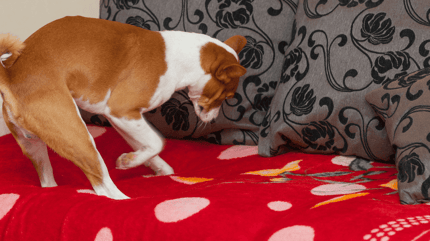
Have you ever caught your dog digging at the carpet and wondered why they do it? It can be confusing and even a little frustrating when your furry friend starts scratching at the floor like they’re trying to bury something.
But there’s more to this behavior than just a silly habit. Understanding why your dog digs at the carpet can help you address the problem and keep your home peaceful. Keep reading, and you’ll discover the surprising reasons behind this puzzling action—and what you can do about it.

Credit: www.reddit.com
Natural Instincts
Dogs dig at the carpet due to their natural instincts. These behaviors come from their wild ancestors. Digging is a way dogs express themselves and feel comfortable. Understanding these instincts helps explain why dogs do this in the home.
Burrowing Behavior
Wild dogs dig to create a safe place to rest. This burrowing keeps them warm and hidden. At home, your dog may dig carpet to mimic this action. It helps them feel secure and cozy.
Hunting And Foraging
Dogs dig to search for food or toys hidden beneath surfaces. This behavior comes from their hunting roots. The carpet might seem like a good spot to find something interesting. Digging satisfies their need to explore and find treasures.
Territory Marking
Dogs use digging to mark their territory. This behavior lets other animals know they were there. Digging the carpet is a way to leave their scent. It shows ownership and keeps their space familiar.
Comfort And Nesting
Dogs dig at the carpet not just out of boredom or anxiety but often because they are seeking comfort and a sense of nesting. This behavior taps into their natural instincts to create a safe and cozy environment. Understanding this can help you respond better and make your pet feel more at home.
Creating A Cozy Spot
Your dog might be trying to make the carpet softer and more inviting by digging. This action mimics how wild dogs scratch at leaves or dirt to build a comfortable resting place. Have you noticed your dog circling before lying down? That’s often part of the same nesting instinct.
You can help by providing a plush bed or blanket in a quiet corner. This gives your dog an alternative place to “dig” and settle comfortably. It also keeps your carpet safe from wear and tear.
Temperature Regulation
Digging can also help your dog regulate its body temperature. The carpet might feel cooler or warmer after they move it around, allowing them to find the perfect spot. This is especially common in dogs that don’t have access to outdoor digging areas.
If you live in a warm climate, consider placing cooling mats or breathable bedding for your dog. In colder environments, extra layers or heated pet pads can help. Have you checked if your dog’s resting area meets their comfort needs?
Boredom And Anxiety
Dogs often dig at the carpet due to boredom and anxiety. These feelings can cause restless energy or nervous habits. Understanding why your dog acts this way helps you offer better care and comfort.
Lack Of Stimulation
Dogs need mental and physical activities every day. Without enough play or exercise, they feel bored. Digging at the carpet becomes a way to use their energy. It gives them something to do when nothing else excites them.
Stress Relief
Digging can help dogs calm down during stressful times. The repetitive motion releases nervous energy. It acts like a natural stress reliever, similar to how humans fidget or pace. Carpet digging can be a sign your dog feels uneasy.
Separation Anxiety
Some dogs dig the carpet when left alone. This behavior shows they feel anxious or lonely. Separation anxiety makes dogs try to soothe themselves with digging. It is important to provide comfort and support in these moments.

Credit: petcube.com
Attention-seeking Behavior
Dogs often dig at the carpet to get your attention. This behavior can be a clear sign they want you to notice them. Sometimes, pets feel lonely or bored and use this action to speak up. It may seem strange, but digging is their way of asking for play, petting, or interaction. Understanding this can help you respond better to your dog’s needs.
Gaining Owner’s Focus
Dogs quickly learn that digging grabs attention. They see your reaction and realize it works. This action breaks your focus from other tasks. It makes you look their way or talk to them. Pets want to feel included and loved. Digging becomes their tool to get noticed fast.
Reinforcing Behavior
When you respond to digging, it strengthens the habit. Your dog repeats the act to get more attention. Even scolding can encourage digging if it means you look at them. Ignoring the behavior may help reduce it over time. Reward calm behavior instead of digging to teach better habits.
Physical Discomfort
Physical discomfort often drives dogs to dig at the carpet. This behavior can signal that your dog feels uneasy or irritated. Identifying the cause helps you ease their discomfort and stop the digging.
Itchy Paws Or Skin
Dogs may dig at the carpet if their paws or skin itch. Allergies, dry skin, or insect bites can cause this itchiness. Scratching on the carpet gives temporary relief. It also helps dogs remove irritants or dirt stuck to their paws.
Keep an eye on redness, swelling, or constant licking. These signs show that your dog needs attention. Regular grooming and checking for allergens can reduce itching.
Pain Or Irritation
Pain in a dog’s paws or legs can trigger digging. This pain might come from an injury, arthritis, or an infection. Dogs try to soothe their pain by digging or pawing at the carpet.
Observe your dog’s walking and resting habits. Limping or avoiding certain movements can signal pain. A vet visit can diagnose the problem and provide relief. Helping your dog feel better stops the digging behavior.
Credit: www.goldendailyscoop.com
Environmental Factors
Environmental factors can strongly influence why dogs dig at the carpet. Dogs have keen senses that react to subtle changes in their surroundings. These changes can trigger digging behavior as a form of exploration or reaction. Understanding these factors helps pet owners address this issue more effectively.
Scent Detection
Dogs have a powerful sense of smell. They can detect scents trapped in carpet fibers that humans cannot. These smells might come from food crumbs, other animals, or even hidden pests like insects. Digging at the carpet allows dogs to investigate or try to remove the source of these scents.
Sometimes, dogs dig to reach a specific smell or to bury their own scent. This behavior is natural and linked to their instincts. It helps them mark territory or feel more secure in their environment.
Noise And Vibrations
Dogs can hear sounds and feel vibrations that humans miss. Noises from pipes, electrical wires, or small creatures moving under the floor can cause discomfort or curiosity. Digging at the carpet may be a dog’s way to respond to these noises.
Vibrations can also make a dog anxious or alert. Digging helps some dogs cope with stress caused by these hidden disturbances. This action releases energy and provides a sense of control over their environment.
Training And Management Tips
Training and managing a dog that digs at the carpet needs patience and consistency. This behavior often signals boredom, anxiety, or excess energy. Addressing the root cause helps reduce carpet digging. Use clear strategies to guide your dog toward better habits.
Redirecting The Behavior
Redirect your dog’s attention to a more suitable activity. Offer chew toys or a digging mat designed for dogs. When the dog starts digging the carpet, gently guide them to the toy. Praise your dog when they focus on the right item. Consistent redirection helps your dog learn what is acceptable.
Providing Adequate Exercise
Ensure your dog gets enough physical activity every day. Walks, playtime, and runs help burn off extra energy. A tired dog is less likely to dig out of boredom. Adjust exercise based on your dog’s breed and age. Regular activity improves behavior and overall health.
Using Positive Reinforcement
Reward your dog for good behavior with treats and praise. Positive reinforcement encourages repeating the desired actions. Avoid punishment, as it can increase anxiety and worsen digging. Use rewards immediately after the right behavior. This builds a strong, trustful bond between you and your pet.
Frequently Asked Questions
Why Do Dogs Dig At Carpets?
Dogs dig carpets due to instincts, boredom, or anxiety. Digging is a natural behavior inherited from ancestors. It helps them create a comfortable resting spot or relieve stress. Addressing these needs with toys, exercise, or a cozy bed can reduce this behavior.
Is Carpet Digging A Sign Of Anxiety?
Yes, carpet digging can indicate anxiety. Dogs may dig to cope with stress or nervousness. Identifying triggers and providing comfort can help alleviate their anxiety. Consider consulting a veterinarian or dog behaviorist for guidance if the behavior persists.
How Can I Stop My Dog From Digging?
To stop carpet digging, provide mental stimulation and physical exercise. Offer interactive toys and regular walks to engage their energy. Creating a designated digging area or using deterrents like pet-safe sprays can also help. Consistency and patience are key.
Do Certain Dog Breeds Dig More?
Yes, certain breeds are more prone to digging. Terriers, Dachshunds, and Huskies are known for their digging instincts. These breeds were historically bred for tasks requiring digging. Understanding your dog's breed traits can help in managing their behavior effectively.
Conclusion
Dogs dig at carpets for many simple reasons. Sometimes, they feel bored or want to play. Other times, they try to find comfort or hide a toy. Understanding their behavior helps you stop carpet damage. Giving your dog toys and attention can reduce digging.
Watch your dog’s mood and habits closely. This way, you create a happy home for both of you. Remember, patience and care work best to change habits. Keep your dog busy and loved, and digging will lessen.

Emily Barker is the founder of ChillDogLife.com, a space dedicated to helping pup parents discover the best dog products, lifestyle tips, and cozy ideas for happier homes.
A lifelong dog lover, Emily combines her passion for pets with a knack for research to share trusted recommendations on everything from toys and furniture to health and everyday care.
Her goal is simple: to make life easier, stylish, and more joyful for dogs and the people who love them.




