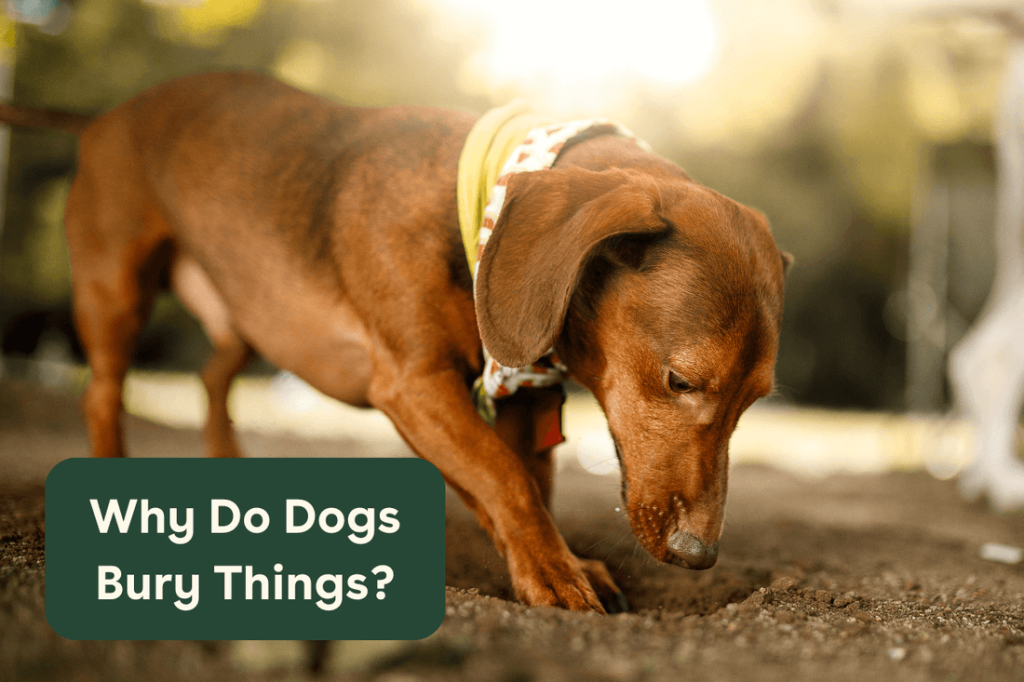
Have you ever noticed your dog sneaking away with a toy and hiding it somewhere secret? It’s a curious habit that might leave you wondering why your furry friend does this.
Understanding why dogs hide their toys can give you a deeper look into their mind and behavior. You’ll discover the surprising reasons behind this quirky act and what it means for your dog’s happiness. Keep reading—you might just find yourself seeing your pet in a whole new light.
Instinctual Behavior
Dogs often hide their toys because it is a natural behavior. This action comes from deep inside their instincts.
Understanding why dogs do this helps us learn more about their wild roots and survival skills.
Ancestral Roots
Long ago, wild dogs and wolves hid food to keep it safe. This stopped other animals from taking it.
Today, pet dogs still carry this instinct. They hide toys as if they were valuable food or treasures.
- Wild dogs hid food for later use
- Hiding stops others from stealing
- Dogs treat toys like hidden treasures
Survival Tactics
Hiding toys helps dogs feel safe and in control. It is a way to protect their resources.
This behavior can also reduce stress. Dogs know their favorite things are hidden and safe.
- Protects valuable items from others
- Gives a sense of safety
- Helps lower stress and anxiety

Credit: www.ellevetsciences.com
Possessiveness And Ownership
Dogs often hide their toys because they feel possessive about them. They want to keep their favorite things safe and close.
This behavior shows that dogs understand ownership. They treat their toys like valuable items they do not want to lose.
Protecting Valuables
Dogs hide toys to protect them from others. They may worry that someone will take their special toy away.
By hiding toys, dogs keep these items safe in a secret spot. This helps them feel secure about their belongings.
- Hiding stops other pets from grabbing the toys
- It prevents toys from getting lost or damaged
- Dogs feel calm knowing their toys are safe
Marking Territory
Dogs use hiding to mark their territory too. They leave their scent on toys and in hiding places.
This scent marking tells other animals that the toys belong to them. It shows their control over the space.
- Scent marks act as a signal to other dogs
- Hiding toys in certain spots claims that area
- This behavior helps dogs feel confident and safe
Play And Entertainment
Dogs love to play with their toys. Playing keeps them happy and active. Sometimes, they hide their toys during playtime.
Hiding toys is a fun part of how dogs enjoy themselves. It helps them stay busy and entertained throughout the day.
Hiding As A Game
Dogs often hide their toys as part of a game. They like to pretend they are saving their treasures. This makes playtime more exciting for them.
Finding and hiding toys can be a fun challenge. Dogs enjoy searching for their hidden items or watching their owners look for them.
Stimulating Mental Activity
Hiding toys helps dogs think and solve problems. It keeps their minds sharp and active. Mental exercise is important for their health.
When dogs hide toys, they use memory and planning skills. This mental workout is as important as physical exercise for them.
- Improves memory by remembering hiding spots
- Encourages problem-solving during play
- Reduces boredom by giving a fun task
Credit: medium.com
Comfort And Security
Dogs often hide their toys to feel safe and calm. This behavior shows their need for comfort.
Hiding toys helps dogs create a space where they feel secure and relaxed.
Safe Spaces
Dogs like to hide toys in places they find safe. These spots make them feel protected from danger.
- Under furniture like couches or beds
- In quiet corners of a room
- Inside their dog beds or crates
- Behind curtains or pillows
Emotional Attachment
Dogs build strong feelings for their toys. These toys remind them of happy times or their owner.
| Toy Type | Reason for Attachment |
| Chew Toys | Relieves stress and keeps them busy |
| Stuffed Animals | Feel like a friend or companion |
| Balls | Linked to playtime and fun |
Training And Learned Behavior
Dogs often hide their toys because of training and learned behavior. They pick up habits from their environment and experiences. These habits help them feel safe and in control.
Understanding why dogs hide toys helps owners train them better. Training can change or support this behavior depending on the dog's needs.
Imitating Humans
Dogs watch their owners and learn from their actions. If they see humans hiding items, dogs may copy this behavior. They try to keep their toys safe just like humans protect valuables.
This imitation shows dogs want to be part of the family. They want to act like their owners and understand human habits. This can be a reason why dogs hide toys in certain spots.
Response To Commands
Dogs learn to hide toys after training commands. Owners may teach dogs to put toys away or hide them. Dogs respond to these commands by hiding toys in special places.
This behavior shows dogs listen and follow instructions. It also gives them a job to do, which makes them feel useful. Training can guide whether dogs hide toys or leave them out.

Credit: www.lordsandlabradors.co.uk
Environmental Influences
Dogs hide their toys for many reasons. The environment around them plays a big role in this behavior.
Understanding these influences can help us see why dogs act this way. Let’s explore some common environmental factors.
Household Dynamics
The dynamics in a home can affect a dog’s behavior. Dogs might hide toys if they feel unsure about their place in the family.
Changes, like a new baby or a move, can make dogs anxious. This might cause them to hide their toys for comfort.
- New family members can change the dog’s routine.
- Moving to a new house can create stress.
- Loud noises or frequent visitors may cause unease.
Presence Of Other Pets
When there are other pets, dogs might hide toys to protect them. They may feel the need to guard their belongings.
This is common in multi-pet households. The dog might think other pets will take their toys.
- Competition for toys can happen with more pets.
- Dogs may feel threatened by new animals.
- Sharing toys is not always easy for dogs.
When Hiding Signals Stress
Dogs often hide their toys for various reasons. Sometimes, it is a playful act. But there are times when hiding toys can indicate stress. Understanding these signs helps care for your pet.
Pay attention to changes in your dog’s behavior. Stress can manifest in different ways. Recognizing these signs early can prevent further anxiety.
Anxiety Indicators
Dogs show anxiety in different ways. One indicator is when they hide their toys more often. This behavior can signal that something is bothering them.
Other signs of anxiety include excessive barking or whining. Your dog may also pace around the house or become more clingy.
- Increased hiding of toys
- Excessive barking or whining
- Pacing or restlessness
- Clinginess or seeking constant attention
Behavioral Changes
Behavioral changes in dogs can be subtle. If your dog suddenly starts hiding toys, it may be due to stress. Observe if they become more withdrawn or less playful.
Watch for changes in eating habits. A stressed dog might eat less or more than usual. Sleeping patterns can also be affected by stress.
- Withdrawal from usual activities
- Changes in eating habits
- Altered sleeping patterns
- Less playful behavior
How To Manage Toy Hiding
Toys are important for dogs to stay active and happy. Some dogs hide their toys because they feel protective or want to save them. Managing this behavior helps keep your dog relaxed and your home tidy.
Teaching your dog to share and giving them other ways to play can reduce toy hiding. It takes patience and the right approach to change this habit.
Encouraging Sharing
Encouraging your dog to share toys builds trust and reduces hiding. You can start by gently asking for the toy and rewarding your dog when they give it to you. Praise and treats help your dog learn sharing is good.
- Offer a calm voice when asking for toys
- Reward your dog with treats or affection
- Play together using the toy to show sharing is fun
- Be patient and avoid forcing your dog
Providing Alternatives
Giving your dog different toys and play options can stop them from hiding one toy. Rotate toys often to keep your dog interested. Try interactive toys or chew items to meet their needs.
| Alternative Toy | Benefit |
| Interactive puzzle toys | Stimulates mind and reduces boredom |
| Chew toys | Relieves stress and satisfies chewing need |
| Soft plush toys | Comforts and encourages gentle play |
| Fetch balls | Promotes exercise and bonding |
Frequently Asked Questions
Why Do Dogs Hide Their Toys At Home?
Dogs hide toys to save them for later or protect them. It’s a natural instinct to guard valued items. This behavior shows their playful and sometimes possessive nature. Hiding toys can also be a way to reduce competition or stress.
Is Hiding Toys A Sign Of Dog Anxiety?
Yes, hiding toys can indicate mild anxiety or insecurity. Dogs may stash toys to feel safe or control their environment. If frequent or combined with other behaviors, it could signal stress. Observing your dog’s overall behavior helps identify anxiety causes.
How Can I Stop My Dog From Hiding Toys?
Redirect your dog’s behavior by providing plenty of playtime and exercise. Use positive reinforcement when they play openly. Avoid scolding, as it may increase anxiety. Offering designated toy storage spots encourages leaving toys visible and accessible.
Do All Dog Breeds Hide Their Toys?
Most dog breeds show toy-hiding behavior, but it varies individually. Hunting and retrieving breeds often have stronger instincts to stash items. Mixed breeds may also hide toys based on personality and environment. Understanding your dog’s breed traits helps explain their behavior.
Conclusion
Dogs hide their toys for many simple reasons. They feel safe and enjoy keeping treasures close. Sometimes, it is a natural habit passed down from their wild ancestors. This behavior shows their playful and clever side. Understanding why dogs hide toys helps build a stronger bond.
Watch your dog and learn what makes them happy. Respect their hiding spots and join in the fun. This small act shows how special your dog really is. Toys are more than playthings—they are part of your dog’s world.

Emily Barker is the founder of ChillDogLife.com, a space dedicated to helping pup parents discover the best dog products, lifestyle tips, and cozy ideas for happier homes.
A lifelong dog lover, Emily combines her passion for pets with a knack for research to share trusted recommendations on everything from toys and furniture to health and everyday care.
Her goal is simple: to make life easier, stylish, and more joyful for dogs and the people who love them.




