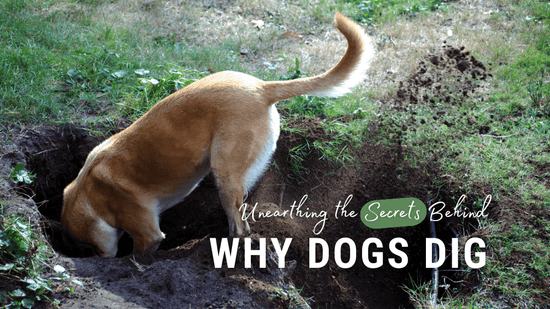
Are you tired of finding new holes in your yard every day? Your dog’s digging might seem harmless, but it can quickly turn into a frustrating problem.
You’re not alone—many dog owners struggle with this behavior. The good news is, you can stop your dog from digging holes without stress or harsh methods. Keep reading, and you’ll discover simple, effective tips that work. Imagine a yard that stays neat and a happy dog who’s content without digging up the ground.
Ready to make that happen? Let’s dive in.
Reasons Dogs Dig Holes
Dogs dig holes for several reasons. Understanding these reasons helps to manage this behavior better. Each dog has its own motivation for digging. Some reasons come from natural instincts, others from behavior or needs.
Natural Instincts
Digging is a natural behavior for dogs. Wild ancestors dug to find food or hide it. Dogs also dig to create a cool spot to lie down. This instinct remains strong in many dog breeds.
Boredom And Energy
Dogs with extra energy often dig to stay busy. Bored dogs dig to entertain themselves and relieve stress. Lack of exercise or mental stimulation can lead to digging.
Seeking Comfort
Dogs dig to make their resting place more comfortable. They may dig to find cooler earth in hot weather. Some dig to create a cozy den for shelter and security.
Attention-seeking Behavior
Some dogs dig to get your attention. They learn digging causes a reaction from owners. Even negative attention can reinforce this behavior.

Credit: www.bestmatedogtraining.co.nz
Creating A Digging-friendly Zone
Creating a digging-friendly zone helps manage your dog’s digging habit effectively. It gives your dog a special place to dig without damaging your yard. This approach satisfies their natural urge and keeps your garden safe.
Designated Digging Areas
Choose a spot in your yard where digging is allowed. This area should be easy to access and away from plants or flowerbeds. Make it clear to your dog that this space is for digging only. Consistency helps your dog learn faster.
Using Sandboxes Or Pits
Build a sandbox or digging pit filled with soft soil or sand. This makes digging fun and safe for your dog. You can add toys or treats to encourage your dog to dig there. Regularly clean and refill the pit to keep it inviting.
Encouraging Appropriate Digging
- Praise your dog when they dig in the right place.
- Use treats to reward digging in the designated zone.
- Redirect your dog gently if they start digging elsewhere.
- Keep digging sessions short and enjoyable.
Positive reinforcement helps your dog understand where digging is welcome. Patience and repetition are key to success.
Increasing Physical Activity
Increasing your dog’s physical activity can be a game-changer in stopping unwanted digging behavior. Dogs often dig because they have excess energy or feel bored. By giving your dog more ways to move and play, you can redirect their energy toward healthier habits.
Daily Exercise Routines
Establish a consistent exercise schedule tailored to your dog’s breed and age. Aim for at least 30 minutes to an hour of walking, jogging, or running each day. This daily routine helps burn off excess energy that might otherwise lead to digging.
Try mixing up the routes or adding some hill climbs to keep your dog engaged. Have you noticed how a tired dog is less likely to create a digging project in your yard?
Interactive Playtime
Set aside time for interactive games like fetch, tug-of-war, or frisbee. These activities build a strong bond between you and your dog while providing a fun way to expend energy.
Using toys that challenge your dog physically can prevent boredom. Think about how your dog reacts after a session of fetch—are they more relaxed and less likely to dig?
Mental Stimulation Games
Physical tiredness alone might not stop digging if your dog is mentally bored. Puzzle toys, scent games, and obedience training sessions can keep their brain busy.
Try hiding treats around the yard to make your dog focus on sniffing instead of digging random holes. Have you tried teaching your dog new tricks or commands to tire them out mentally as well as physically?

Credit: www.reddit.com
Deterring Unwanted Digging
Stopping your dog from digging holes requires more than just telling them “no.” It’s about changing the environment and making digging less appealing or accessible. Deterring unwanted digging can help protect your yard and keep your dog safe and happy.
Using Barriers And Fencing
Physical barriers can be very effective at blocking your dog from digging in certain areas. You might try installing low fencing or garden edging around flower beds or vegetable patches.
Wire mesh buried a few inches underground can stop dogs from digging under fences. It’s a simple solution that prevents access without harming your pet.
Have you noticed if your dog targets the same spots? Focusing barriers on those areas can save you time and effort.
Applying Safe Repellents
Safe repellents can discourage your dog from digging by making the soil unpleasant. Natural options like citrus peels, vinegar sprays, or commercial pet-safe deterrents work well.
Sprinkle crushed citrus peels or spray diluted vinegar in problem areas and watch if your dog avoids them. These methods don’t harm your dog but make digging less enjoyable.
Experiment with different scents; dogs have sensitive noses and might dislike certain smells more than others.
Removing Temptations
Dogs often dig because they find something interesting beneath the surface—like insects, roots, or buried toys. Removing these temptations can reduce the urge to dig.
Keep your yard free of food scraps and store toys indoors. If your dog digs to chase critters, try to make your garden less inviting for those animals.
Think about what draws your dog to dig. Can you remove or replace those triggers with a designated digging area or interactive toys?
Training Techniques To Stop Digging
Training your dog to stop digging holes takes patience and clear communication. Dogs dig for many reasons—boredom, anxiety, or just natural instinct. The key is to teach them what behavior you expect instead, using simple and consistent techniques that make sense to your dog.
Positive Reinforcement
Reward your dog every time they choose not to dig or stop digging on command. Use treats, praise, or their favorite toy to make the good behavior worth repeating. For example, if your dog starts digging and you call them away, immediately give a treat when they listen.
This approach builds a strong connection between stopping digging and getting something pleasant. It’s more effective than punishment because it encourages your dog to make better choices on their own. Have you noticed how quickly your dog learns tricks when you reward them?
Consistent Commands
Pick a clear command like “No dig” or “Leave it” and use it every time your dog starts digging. Consistency helps your dog understand exactly what you want from them. Avoid changing commands or tone, as this can confuse your dog and slow progress.
Practice the command during calm moments so your dog associates it with your attention and respect. When you see digging, say the command firmly but kindly, then redirect their attention. Would your dog respond better if you stayed patient and steady with your words?
Redirecting Behavior
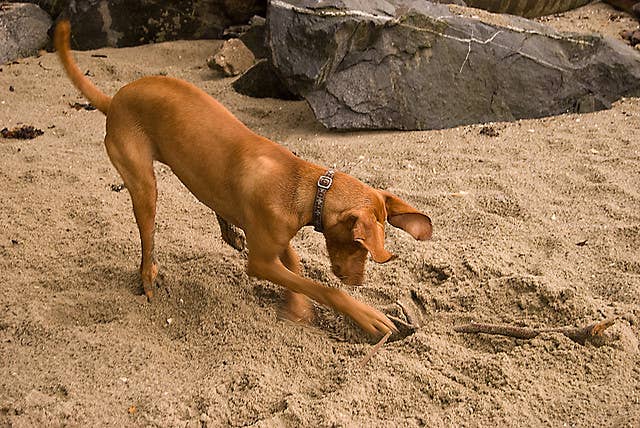
Instead of just stopping your dog from digging, give them a better activity to focus on. Create a designated digging area filled with loose soil or sand where they are allowed to dig freely. Encourage them to dig there by burying toys or treats.
If your dog starts digging in unwanted spots, gently lead them to the designated area and praise them when they start digging there. This teaches them where digging is okay and satisfies their natural urge. What favorite games could you add to this special digging zone to keep your dog interested?
Credit: pethelpful.com
Addressing Anxiety And Stress
Dogs often dig holes because they are trying to relieve anxiety or stress. This behavior can become a coping mechanism when they feel overwhelmed or bored. Understanding and addressing these emotional triggers is key to stopping your dog from digging.
Identifying Triggers
Look closely at when and where your dog digs. Does it happen when you leave the house or during loud noises like thunderstorms? Noticing patterns helps you pinpoint what makes your dog anxious.
Think about recent changes in your dog’s routine or environment. Have you moved, added new pets, or changed your schedule? These can all be stress factors that cause digging.
Calming Strategies
Once you know the triggers, try to create a calming environment for your dog. Provide a cozy, quiet space where they feel safe.
Exercise is a powerful stress reliever. Taking your dog for longer walks or playing fetch can reduce their anxiety and lower the urge to dig.
Try using calming aids like anxiety wraps, pheromone diffusers, or soothing music. These small changes can make a big difference in your dog’s mood.
Seeking Professional Help
If your dog’s digging continues despite your efforts, it may be time to consult a professional. A veterinarian can check for medical issues contributing to stress.
Behaviorists or trainers specialize in anxiety-related problems. They can design a tailored plan to help your dog overcome digging habits.
Have you noticed your dog’s digging worsening or causing injury? Don’t hesitate to reach out for expert advice to protect your pet’s well-being.
Maintaining A Healthy Environment
Maintaining a healthy environment helps reduce your dog’s urge to dig holes. Dogs dig out of boredom, stress, or discomfort. Creating a balanced setting keeps them happy and calm. Focus on their diet, health, and living space to prevent digging habits.
Proper Diet And Nutrition
Feed your dog a balanced diet rich in nutrients. Good nutrition supports energy levels and mood. Avoid feeding low-quality food that lacks essential vitamins. Include proteins, healthy fats, and fibers for digestion. Proper diet reduces anxiety and restlessness that cause digging.
Regular Vet Checkups
Schedule vet visits to monitor your dog’s health. Detect any underlying issues that may trigger digging. Parasites, skin problems, or pain can make dogs restless. Early treatment keeps your dog comfortable and less likely to dig. Regular checkups also help maintain overall wellness.
Comfortable Living Space
Provide a cozy and secure area for your dog. Ensure clean bedding and enough shade or shelter. A calm space lowers stress and boredom. Add toys and chew items to keep your dog busy. A comfortable environment reduces the desire to dig holes.
Frequently Asked Questions
Why Do Dogs Dig Holes In The Yard?
Dogs dig holes due to boredom, hunting instincts, or seeking comfort. They may also dig to hide food or escape. Identifying the cause can help address the behavior. Providing mental stimulation, exercise, and safe digging areas can reduce this habit.
How Can I Prevent My Dog From Digging?
To prevent digging, provide daily exercise and mental stimulation. Offer toys, puzzles, and interactive games to keep them engaged. Designate a digging area with sand or loose soil. Reinforce positive behavior with treats and praise. Consistency is key.
Does Lack Of Exercise Cause Digging Behavior?
Yes, lack of exercise can cause digging behavior in dogs. Without sufficient physical activity, dogs become bored and restless. This leads to destructive habits like digging. Regular walks, playtime, and mental challenges can curb this behavior by fulfilling their energy needs.
Are Certain Dog Breeds More Prone To Digging?
Yes, certain breeds are more prone to digging. Terriers, Dachshunds, and Beagles have strong digging instincts due to their hunting backgrounds. These breeds require more mental stimulation and exercise to prevent unwanted digging behavior. Understanding your dog's breed can help tailor effective solutions.
Conclusion
Stopping your dog from digging holes takes patience and care. Give your dog plenty of exercise to reduce energy. Create a special digging spot to satisfy their urge. Use positive rewards when your dog behaves well. Keep your yard interesting with toys and playtime.
Consistency helps your dog learn good habits faster. Remember, digging is natural, but you can guide it. Small steps lead to big changes over time. Your dog will enjoy a happier, hole-free yard. Keep trying, and you will see progress soon.

Emily Barker is the founder of ChillDogLife.com, a space dedicated to helping pup parents discover the best dog products, lifestyle tips, and cozy ideas for happier homes.
A lifelong dog lover, Emily combines her passion for pets with a knack for research to share trusted recommendations on everything from toys and furniture to health and everyday care.
Her goal is simple: to make life easier, stylish, and more joyful for dogs and the people who love them.




