
Have you ever wondered what your dog is really trying to tell you? Understanding your dog’s behavior can unlock a deeper connection between you and your furry friend.
When you know why your dog acts a certain way, you can respond better to their needs, keep them happier, and even avoid problems before they start. This guide will help you see the signs your dog gives every day and teach you how to read their body language and actions like a pro.
Ready to become your dog’s best communicator? Keep reading—you’re about to discover the secrets behind your dog’s behavior.

Credit: www.youtube.com
Common Dog Behaviors
Dogs communicate with us and other dogs using different behaviors. Understanding these behaviors helps us care for them better.
Watching how dogs act and react can tell us what they feel or need. This guide explains some common signs.
Body Language Signals
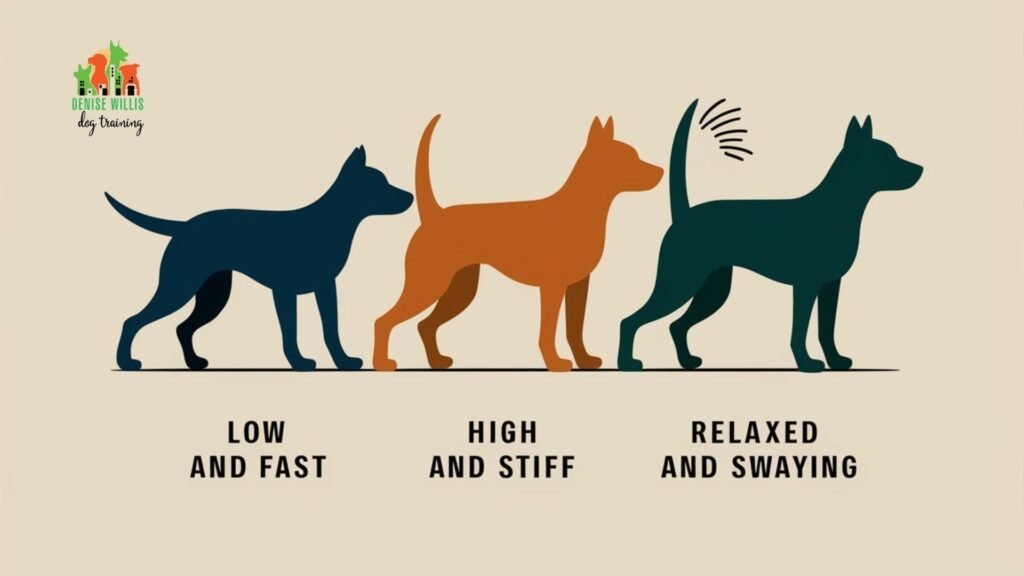
Dogs use their bodies to show feelings. Their tail, ears, eyes, and posture send important messages.
For example, a wagging tail can mean happiness or excitement. A stiff body might show fear or aggression.
- Tail wagging: happy or excited
- Ears up or forward: alert or curious
- Ears back: scared or submissive
- Relaxed body: calm and comfortable
- Stiff body: tense or upset
- Avoiding eye contact: nervous or shy
Vocalizations And What They Mean
Dogs use sounds to tell us how they feel. Barking, whining, growling, and howling all have different meanings.
Listening carefully can help you understand if your dog is happy, scared, or wants attention.
- Barking: alert, excited, or seeking attention
- Whining: stress, pain, or desire for something
- Growling: warning or feeling threatened
- Howling: communication or loneliness
Behavioral Changes To Watch
Sudden changes in your dog’s behavior can signal health or emotional problems. Watch closely for new actions.
These changes may need a vet or trainer’s help to keep your dog safe and happy.
- Loss of appetite or refusal to eat
- Unusual aggression or fear
- Excessive barking or whining
- Changes in sleep patterns
- Withdrawal from family or play
Causes Behind Dog Actions
Understanding why dogs act a certain way helps us connect with them better. Their actions are influenced by various factors like instincts, environment, and health.
Each dog’s behavior is unique, yet many share common reasons behind their actions. Let’s explore these causes further.
Instincts And Natural Drives
Dogs have instincts that guide their behavior. These instincts come from their ancestors, the wolves.
- Hunting and chasing are natural drives.
- Protecting territory is an instinctive action.
- Packing and socializing are vital for them.
Environmental Influences
The environment shapes a dog’s behavior. Where they live and what they experience plays a big role.
Dogs in urban areas may bark more due to noise.
Country dogs might dig due to open space.
Health And Emotional Factors
A dog’s health affects their actions. Emotions like fear or happiness also guide their behavior.
| Health Factor | Behavior Influence |
| Pain or discomfort | Aggression or withdrawal |
| Good health | Playfulness and energy |
| Stress | Barking or destructive actions |
Reading Your Dog’s Mood
Dogs use their body and sounds to show how they feel. Watching closely helps you understand your dog’s mood.
Knowing your dog’s feelings can improve your bond. It helps you respond in kind and keep your dog happy.
Signs Of Happiness And Contentment
Happy dogs look relaxed and calm. Their tails wag gently, and their eyes are soft or half-closed.
They may play, lick, or lean against you. These actions show trust and comfort.
- Loose, wagging tail
- Relaxed body and face
- Soft, blinking eyes
- Playful behavior
- Gentle licking or nudging
Indicators Of Stress Or Anxiety
Stressed dogs may show restlessness or pacing. They might lick their lips or yawn often.
Other signs include lowered ears and avoiding eye contact. These show discomfort or worry.
- Pacing or shaking
- Licking lips or yawning
- Lowered or pinned back ears
- Avoiding eye contact
- Tucked tail or crouching
Recognizing Fear And Aggression
Fearful dogs may freeze or try to hide. They might growl or show teeth if scared.
Aggressive dogs often have stiff bodies and direct stares. Raised hackles and loud barking warn to stay away.
- Stiff, tense body
- Raised hackles (fur along back)
- Growling or barking
- Showing teeth or snarling
- Avoiding or fixed eye contact
Credit: www.dwdogtraining.com
Building Stronger Bonds
Understanding your dog's behavior helps you build a closer relationship. Paying attention to their signals can improve trust and friendship.
Strong bonds come from clear communication and shared positive experiences. Learning how your dog thinks is key.
Effective Communication Techniques
Dogs communicate through body language, sounds, and actions. Watching their eyes, ears, and tail can tell you how they feel.
Use calm tones and clear gestures to help your dog understand you. Consistency in signals makes learning easier for them.
- Keep eye contact gentle and soft
- Use simple words with a friendly voice
- Watch for signs of stress or happiness
- Match your body language with your words
Positive Reinforcement Strategies
Rewarding good behavior helps dogs learn what you want. Treats, praise, and playtime work well as rewards.
Be sure to reward right away. This helps your dog connect the reward with the action.
- Use small treats your dog likes
- Praise with happy words and petting
- Give rewards consistently for good behavior
- Avoid punishment to keep trust strong
Activities That Boost Connection
Spending time together through fun activities builds your bond. Choose games and exercises your dog enjoys.
Regular walks, play sessions, and training help your dog feel safe and loved.
- Go for daily walks in new places
- Play fetch or tug-of-war games
- Practice simple commands with treats
- Try gentle grooming or massage sessions
When To Seek Professional Help
Understanding your dog’s behavior is important for a happy home. Sometimes, problems need more help than you can give alone.
Knowing when to get a professional can save stress for you and your dog. This guide helps you decide the right time to ask for help.
Behavioral Issues Needing Attention
Some behaviors show that your dog needs expert help. Watch for signs that may affect safety or well-being.
- Aggression toward people or other animals
- Excessive barking or howling
- Destructive chewing or digging
- Fear or anxiety that causes shaking or hiding
- Sudden changes in behavior or mood
Choosing The Right Expert
Not all trainers or behaviorists work the same way. Find someone with the right skills and approach for your dog’s needs.
| Type of Expert | Focus Area | Certifications to Look For |
| Certified Dog Trainer | Basic obedience and manners | CPDT-KA, KPA-CTP |
| Veterinary Behaviorist | Medical and behavioral issues | DACVB |
| Animal Behaviorist | Complex behavior problems | PhD or equivalent in animal behavior |
What To Expect From Training Sessions
Training sessions help your dog learn new skills and reduce problems. Sessions usually include guidance for you too.
- Assessment of your dog’s behavior and needs
- Personalized training plan with goals
- Hands-on training with your dog
- Advice for managing behavior at home
- Follow-up sessions to track progress

Credit: www.dwdogtraining.com
Frequently Asked Questions
What Are Common Signs Of Dog Anxiety?
Dogs show anxiety through pacing, panting, whining, or destructive behavior. Tail tucking and excessive licking also indicate stress. Recognizing these signs helps owners provide timely comfort and reduce anxiety triggers effectively.
How Do Dogs Communicate Their Emotions?
Dogs use body language, vocalizations, and facial expressions to express emotions. Tail wagging, barking, growling, and ear positioning are key indicators. Understanding these cues improves owner-dog bonding and prevents misinterpretations.
Why Do Dogs Exhibit Aggressive Behavior?
Aggression in dogs can stem from fear, territorial instincts, or pain. Lack of socialization and past trauma also contribute. Proper training and social exposure help manage and reduce aggressive tendencies.
How Can I Interpret My Dog’s Body Language?
Observe tail position, ear orientation, and posture to understand your dog’s feelings. Relaxed bodies indicate comfort, while stiff postures suggest alertness or stress. Learning these signals enhances communication and care.
Conclusion
Understanding dog behavior helps build a strong bond with your pet. Dogs communicate through actions and sounds you can learn. Watching their body language reveals their feelings and needs. This knowledge makes training easier and life happier for both. Patience and love are key to good dog care.
Every dog is unique, so observe closely and respond kindly. Enjoy the journey of learning about your furry friend.

Emily Barker is the founder of ChillDogLife.com, a space dedicated to helping pup parents discover the best dog products, lifestyle tips, and cozy ideas for happier homes.
A lifelong dog lover, Emily combines her passion for pets with a knack for research to share trusted recommendations on everything from toys and furniture to health and everyday care.
Her goal is simple: to make life easier, stylish, and more joyful for dogs and the people who love them.




