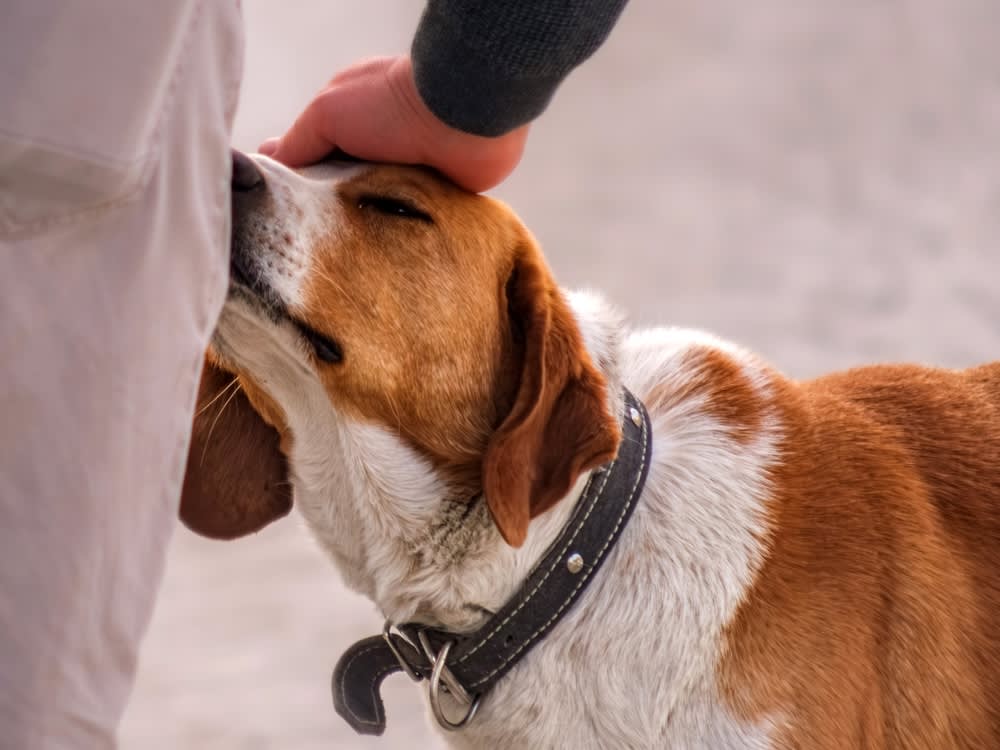
Have you ever wondered why your dog sniffs everything during walks? That curious nose of theirs isn’t just for fun—it’s how they explore and understand the world around them.
Understanding your dog’s sniffing behavior can reveal a lot about their feelings, needs, and even health. If you want to connect better with your furry friend and learn what their sniffing really means, keep reading. This insight could change the way you see your dog forever.
Why Dogs Rely On Their Nose
Dogs use their noses to explore the world around them. Their sense of smell helps them find food, detect danger, and communicate.
Understanding why dogs rely on their noses shows how special their sniffing ability is. It plays a key role in their daily life and survival.
Anatomy Of A Dog’s Nose
A dog’s nose is built for smelling. It has many parts that work together to catch scents from the air.
- The nose has moist skin that helps trap scent particles.
- Inside the nose, there are millions of scent receptors.
- Dogs have a special organ called the vomeronasal organ to detect pheromones.
- The nose connects to a large part of the brain that processes smells.
Sense Of Smell Compared To Humans
Dogs smell much better than humans. They can detect scents that people cannot sense at all.
| Feature | Dogs | Humans |
| Number of scent receptors | 300 million | 5 million |
| Brain area for smell | 40 times larger | Smaller |
| Ability to detect odors | 10,000 to 100,000 times better | Less sensitive |
Evolutionary Advantages Of Sniffing
Dogs evolved to use their sense of smell to survive. Sniffing gives them many benefits in the wild and at home.
- Finding food hidden by other animals or underground.
- Detecting predators or threats early for safety.
- Locating mates through scent signals.
- Recognizing friends and family by their unique smell.
- Tracking prey or lost items over long distances.

Credit: www.scentworku.com
Common Sniffing Behaviors
Dogs use their noses to explore the world around them. Sniffing is a key way they gather information. Understanding their sniffing behaviors helps us know what they are sensing.
These behaviors are natural and vary depending on the situation. Let’s look at some common sniffing activities dogs engage in.
Exploring New Environments
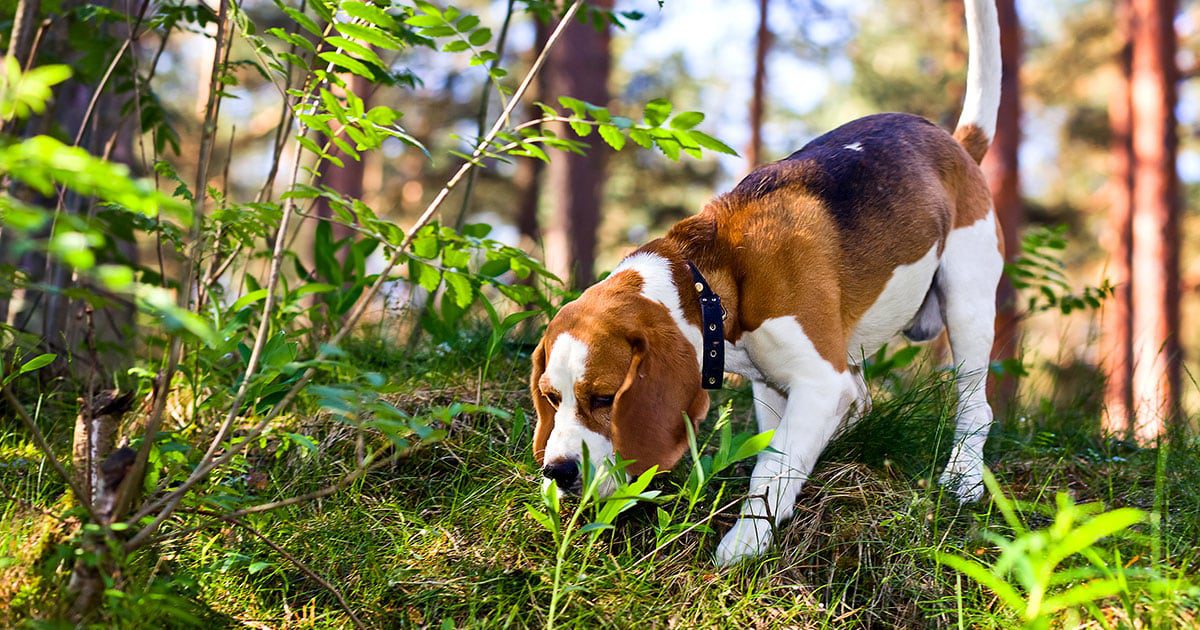
When dogs enter a new place, they sniff to learn about it. Their noses pick up scents from the ground, air, and surfaces. This helps them understand their surroundings.
They might sniff the grass, trees, or even the air. Each sniff tells them about other animals and people who have been there. This is how they gather important details about their environment.
Identifying People And Animals
Dogs can recognize people and animals by their scent. When they sniff a person, they learn who they are and where they have been. This is like a handshake for them.
They also use sniffing to identify other animals. This helps them decide if the animal is a friend or a stranger. Their sense of smell is very strong and precise.
Marking Territory Through Scent
Dogs mark their territory by leaving their scent behind. They do this by sniffing and then urinating on objects. This tells other dogs that the area is claimed.
This behavior is common during walks. Dogs choose spots to mark, which signals to others that they have been there. Scent marking helps them communicate with other dogs in the area.
- Sniffing helps dogs explore new places
- It aids in identifying familiar and unfamiliar scents
- Scent marking is a way of claiming territory
Emotions And Sniffing
Dogs use their noses to understand the world around them. Sniffing helps dogs learn about people, places, and other animals.
Sniffing also shows a dog’s feelings. It can tell us if a dog feels happy, scared, or calm.
Detecting Stress And Anxiety
Dogs sniff more when they feel stressed or anxious. They use their nose to check if a place is safe or if danger is near.
Sniffing helps dogs calm down by giving them information. This behavior can signal to owners that the dog feels uneasy.
- Increased sniffing in new places
- Sniffing objects repeatedly
- Sniffing other dogs or people more than usual
Recognizing Familiar Scents
Dogs remember smells from people, animals, and places they know well. Familiar scents make dogs feel safe and happy.
When dogs sniff a known scent, they often show excitement or relaxation. This helps them connect with their environment.
- Scent of their owner
- Smells from their home
- Scents from other pets they live with
Sniffing As Comfort Behavior
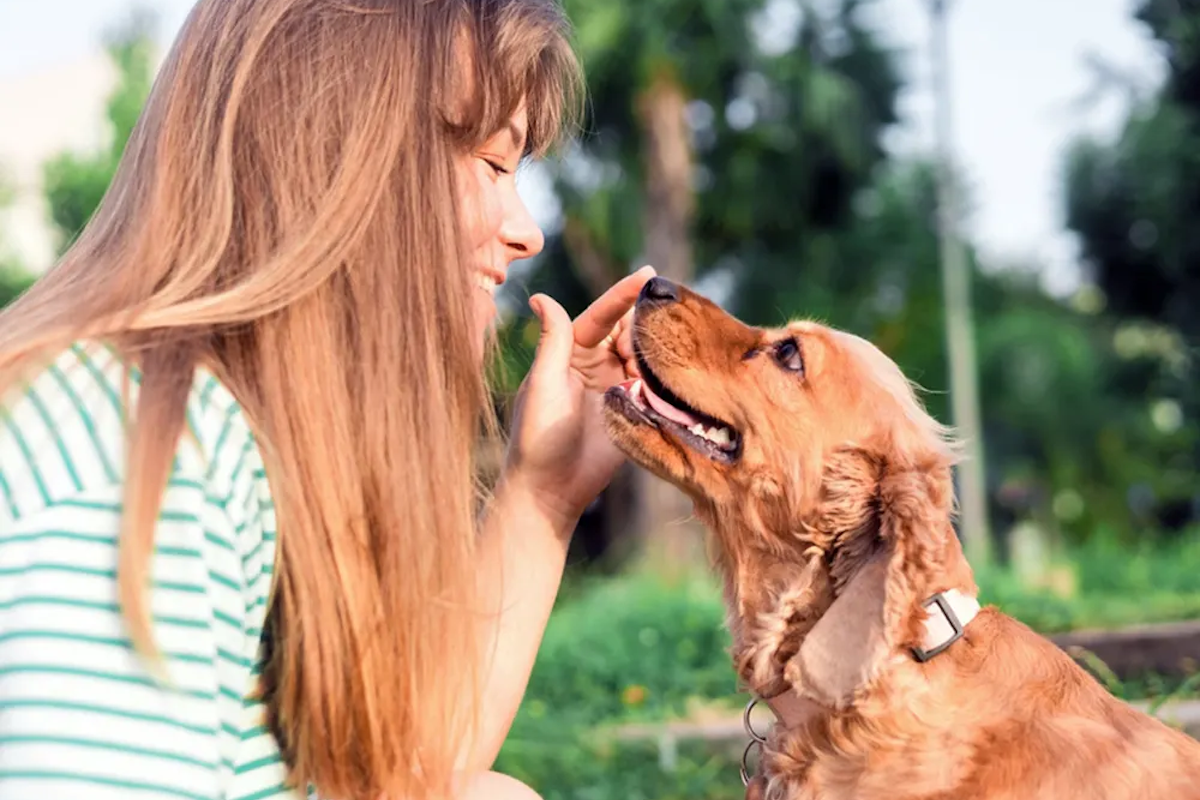
Sniffing can comfort dogs during stressful times. It helps them feel calm and less worried.
Dogs often sniff toys, blankets, or even their own fur to soothe themselves. This behavior is like a natural stress relief.
- Sniffing favorite toys
- Sniffing blankets or bedding
- Sniffing their own body or paws
Credit: www.kinship.com
Training And Using Sniffing Skills
Dogs have a powerful sense of smell. They use sniffing to find objects, people, and scents.
Training helps dogs improve their natural sniffing skills for special tasks.
Search And Rescue Dogs
Search and rescue dogs find missing people in forests, rubble, or water. They follow scent trails left by humans.
Training teaches dogs to work in different environments and stay focused on the task.
- Practice in varied locations
- Use scent samples from missing persons
- Reward dogs for successful finds
Detection Work In Law Enforcement
Law enforcement dogs sniff for drugs, explosives, and other illegal items. They help keep people safe.
Training focuses on recognizing specific scents and alerting handlers clearly.
- Teach dogs to detect many odors
- Train alert behaviors, like sitting or barking
- Practice in real work settings
Enhancing Sniffing Through Training
Training improves a dog’s sniffing accuracy and endurance. It builds strong focus and motivation.
Handlers use rewards and consistent practice to shape good sniffing habits.
- Start with short, easy tasks
- Increase difficulty gradually
- Use treats and praise as rewards
- Practice daily for best results
Health And Sniffing
Dogs use their sense of smell to explore the world and gather information. Sniffing is a natural behavior that helps them stay aware of their environment.
Changes in how a dog sniffs can sometimes show changes in their health or brain function. Understanding these signs helps owners care for their pets better.
What Changes In Sniffing May Indicate
If a dog sniffs less or more than usual, it may point to health problems. Changes in sniffing can be linked to allergies, infections, or pain in the nose.
- Loss of smell may indicate nasal infections or blockages.
- Excessive sniffing could signal anxiety or a reaction to new scents.
- Sniffing without focus might show confusion or neurological issues.
Sniffing And Cognitive Function
Sniffing helps dogs learn and remember. Changes in sniffing patterns may show changes in brain health, especially in older dogs.
| Sniffing Behavior | Possible Cause |
| Decreased interest in sniffing | Cognitive decline or memory loss |
| Confused or random sniffing | Brain dysfunction or injury |
| Normal sniffing | Healthy cognitive function |
When To Consult A Veterinarian
See a vet if your dog shows sudden changes in sniffing behavior. Early checks can find health problems before they get worse.
- Notice if your dog stops sniffing familiar scents.
- Watch for signs of nasal discharge or bleeding.
- Check if your dog seems confused or forgetful during walks.
- Report any unusual sniffing habits to the vet.
Credit: www.diamondpet.com
Encouraging Healthy Sniffing Habits
Dogs explore the world mostly by sniffing. This behavior helps them learn about their surroundings.
Encouraging healthy sniffing habits keeps dogs happy and mentally active. It also supports their natural instincts.
Safe Outdoor Exploration
Let your dog sniff safely outside in places free from harmful chemicals or sharp objects. Choose parks or trails with clean grass and soil.
Keep your dog on a leash to control where they sniff. This prevents them from eating dangerous things or getting lost.
Interactive Scent Games
Scent games stimulate your dog’s mind. Hide treats or toys for your dog to find using their nose.
- Start with easy hiding spots to build confidence.
- Gradually increase difficulty to keep the game fun.
- Use different scents to add variety.
These games help your dog practice sniffing in a positive way. They also strengthen your bond.
Balancing Sniffing With Other Activities
Sniffing is important but should be balanced with walks, play, and rest. Too much sniffing can tire your dog.
Mix sniff time with running or fetch. This keeps your dog physically and mentally healthy.
- Plan walks that include sniffing breaks.
- Use playtime for exercise after sniffing sessions.
- Give your dog quiet time to relax and recover.
Frequently Asked Questions
Why Do Dogs Sniff Everything Around Them?
Dogs sniff to gather information about their environment. Their noses have millions of scent receptors. Sniffing helps them identify other animals, people, and objects. It’s a natural behavior for communication and exploration.
How Does Dog Sniffing Benefit Their Health?
Sniffing stimulates a dog’s brain and reduces stress. It keeps their mind active and improves mental health. This behavior encourages natural instincts and prevents boredom, promoting overall well-being.
Can Dog Sniffing Indicate Emotional States?
Yes, dogs use scent to express emotions. They can detect fear, happiness, or anxiety in others. Sniffing helps them understand social cues and respond appropriately.
When Should I Be Concerned About Excessive Sniffing?
Excessive sniffing may signal allergies, anxiety, or neurological issues. If your dog sniffs constantly without reason, consult a vet. It’s important to rule out medical problems early.
Conclusion
Dogs use sniffing to explore and understand their world. This behavior helps them find food, recognize people, and sense danger. Sniffing is natural and important for their mental health. Watching your dog sniff can tell you a lot about how they feel.
Let your dog enjoy sniffing during walks to keep them happy and curious. Remember, sniffing is more than just smelling—it’s how dogs learn. Embrace this behavior to build a stronger bond with your pet.

Emily Barker is the founder of ChillDogLife.com, a space dedicated to helping pup parents discover the best dog products, lifestyle tips, and cozy ideas for happier homes.
A lifelong dog lover, Emily combines her passion for pets with a knack for research to share trusted recommendations on everything from toys and furniture to health and everyday care.
Her goal is simple: to make life easier, stylish, and more joyful for dogs and the people who love them.




