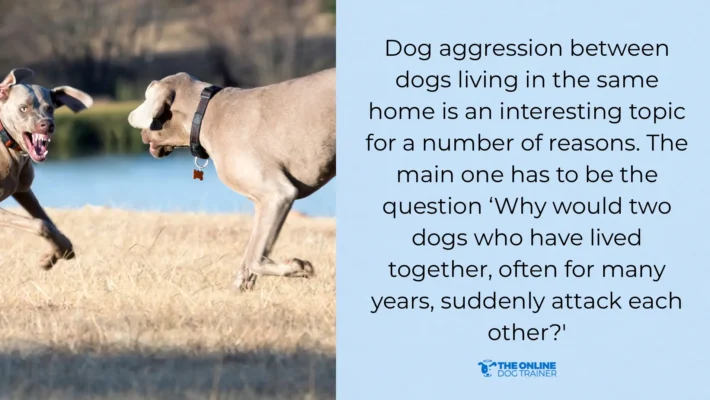
Is your dog showing signs of aggression? It can be scary and frustrating to deal with aggressive behavior in a pet you love.
But you don’t have to feel helpless. Understanding why your dog acts this way is the first step to stopping it. Imagine a calmer, happier dog that listens to you and feels safe. You’ll discover simple, effective ways to manage and reduce your dog’s aggression.
Keep reading to take control and bring peace back to your home.
Credit: theonlinedogtrainer.com
Signs Of Aggressive Behavior
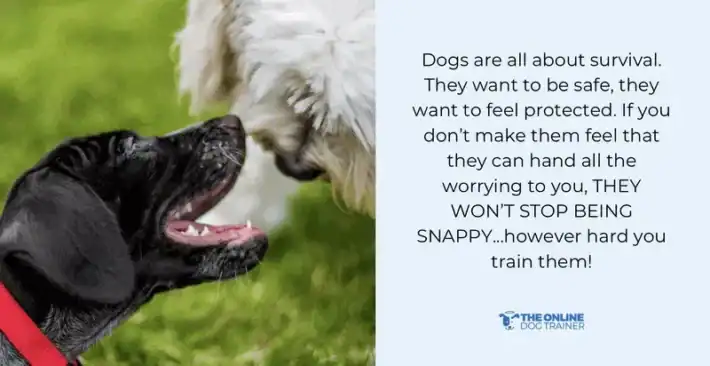
Aggressive behavior in dogs can be dangerous for both pets and people. Recognizing the signs early helps in managing and stopping aggression. Dogs show aggression in different ways through their actions and body signals.
Understanding what triggers aggression and how dogs communicate can prevent serious incidents. Watch closely for warning signs to keep everyone safe.
Common Triggers
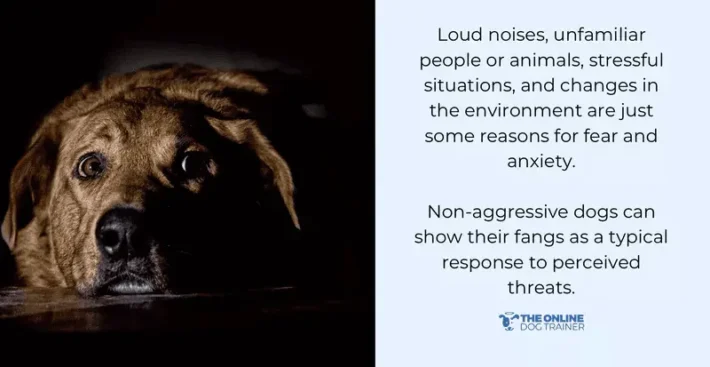
Many things can set off a dog’s aggressive behavior. Knowing these triggers can help you avoid them or prepare to handle the situation calmly.
- Protecting food, toys, or space
- Feeling scared or cornered
- Sudden loud noises or movements
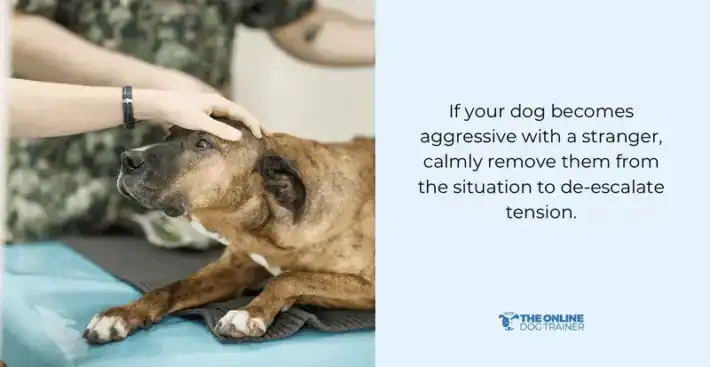
- Strangers or unfamiliar animals nearby
- Pain or illness
- Overstimulation from play or petting
Body Language Clues
Dogs use their body to show how they feel. Aggressive dogs give off clear signs before they act. Watch for these clues to know when a dog is upset.
| Body Language | What It Means |
| Raised hackles (fur on back) | Alert or ready to defend |
| Stiff body posture | Feeling tense or aggressive |
| Growling or snarling | Warning to stay away |
| Bared teeth | Threat or readiness to bite |
| Direct, hard stare | Challenge or threat |
| Tail held high and stiff | Confidence or aggression |
| Backing away with tucked tail | Fear or submission |
Immediate Safety Measures
Stopping aggressive dog behavior is crucial for safety. Quick actions can prevent harm and calm the situation.
Knowing the right techniques helps manage an aggressive dog. It ensures safety for everyone involved.
Calming Techniques
Calm behavior helps soothe an aggressive dog. It reduces tension and fear in the environment.
Speak softly to the dog. Avoid shouting or sudden movements, which may increase aggression.
- Use a calm, steady voice
- Maintain a relaxed posture
- Offer treats to distract the dog
Safe Handling Tips
Handling an aggressive dog safely is important. Proper techniques prevent bites and ensure control.
Keep a safe distance from the dog. Use tools like leashes or muzzles if necessary.
| Tool | Purpose |
| Leash | Keep the dog under control |
| Muzzle | Prevent biting |
Training Strategies To Reduce Aggression
Stopping aggressive behavior in dogs needs clear training steps. Aggression can come from fear, pain, or confusion.
Using the right strategies helps your dog feel safe and calm. Training takes time and care.
Positive Reinforcement
Positive reinforcement means giving your dog rewards for good behavior. It teaches your dog what you want them to do.
Use treats, praise, or toys to reward calm and friendly actions. This helps your dog learn to act nicely.
- Give a treat when the dog stays calm
- Use a happy voice to praise good behavior
- Reward gentle actions during training
- Avoid punishment to stop fear or anger
Consistency And Patience
Consistency means training your dog the same way every day. Dogs learn better with clear and steady rules.
Patience is important because changes take time. Do not get angry if your dog does not change fast.
- Train at the same times daily
- Use the same commands and signals
- Stay calm even if progress is slow
- Give your dog time to understand lessons
Credit: theonlinedogtrainer.com
Role Of Socialization
Socialization helps dogs learn how to behave around people and other animals. It reduces aggressive reactions by teaching dogs to feel safe.
Early and ongoing socialization is key to stopping aggressive dog behavior. It builds confidence and good habits.
Introducing New Environments
Expose your dog to different places slowly. New environments help dogs get used to changes and reduce fear.
Start with quiet areas and move to busier spots as your dog feels more comfortable. This helps lower aggressive reactions.
- Begin at home with new sounds or objects
- Visit calm parks or quiet streets
- Gradually increase the number of people and animals
- Stay patient and watch for signs of stress
Controlled Social Interactions
Arrange safe meetings with other dogs and people. Controlled interactions teach your dog how to behave politely.
Use a leash and calm voice. Reward good behavior to encourage calm and friendly responses.
- Choose calm dogs for first meetings
- Keep interactions short and positive
- Use treats to reward calm behavior
- Stop the interaction if your dog shows stress
Consulting Professionals
Stopping aggressive behavior in dogs can be challenging. Getting help from trained professionals often leads to better results. Experts can guide owners to handle aggression safely and effectively.
Knowing when to ask for professional help is key. This helps keep both dogs and people safe. Two important types of experts are trainers and veterinarians.
Choosing A Trainer
Finding the right trainer is important. A good trainer understands dog behavior and uses kind methods. They focus on changing behavior without fear or pain.
- Look for trainers with positive reinforcement experience
- Check for certifications from recognized organizations
- Ask for references and success stories
- Choose trainers who assess the dog before starting
- Avoid trainers who use harsh punishment or fear tactics
When To Seek Veterinary Advice
Aggressive behavior may come from health problems. A vet can check for pain, illness, or brain issues. These problems can cause sudden changes in behavior.
| Warning Signs | Possible Causes |
| Sudden aggression | Pain or injury |
| Confusion or disorientation | Neurological issues |
| Changes in appetite | Illness or medication side effects |
| Increased irritability | Hormonal imbalances |
Preventing Future Aggression
Stopping aggressive behavior in dogs requires ongoing care. Preventing future aggression keeps everyone safe.
Good habits and daily routines help your dog stay calm and happy. This lowers chances of aggression.
Routine And Exercise
Dogs need a regular routine to feel secure. Exercise helps release extra energy that can cause aggression.
Try to walk your dog at the same time each day. Play fetch or run to keep them active and tired.
- Daily walks or runs
- Playtime with toys
- Training sessions as part of the day
Mental Stimulation
Keeping your dog’s mind busy stops boredom, which can lead to aggression. Mental tasks build confidence.
Use puzzle toys or teach new commands. Change games often to keep your dog interested and engaged.
- Puzzle feeders to challenge your dog
- Obedience training with rewards
- New tricks and commands to learn
Credit: theonlinedogtrainer.com
Frequently Asked Questions
What Causes Aggressive Behavior In Dogs?
Aggression in dogs often stems from fear, territorial instincts, pain, or lack of socialization. Understanding the root cause helps in effective behavior management. Early intervention and professional guidance can reduce aggressive tendencies and improve your dog’s overall temperament.
How Can I Safely Stop My Dog’s Aggression?
Use calm, firm commands and avoid punishment. Redirect your dog’s focus with toys or treats. Consistent training and socialization build trust and reduce aggression. For severe cases, seek help from a professional dog trainer or behaviorist.
Can Training Prevent Aggressive Dog Behavior?
Yes, early and consistent training is key to preventing aggression. Positive reinforcement teaches dogs acceptable behaviors and strengthens your bond. Socializing puppies with different people and animals reduces fear-based aggression later in life.
When Should I Consult A Professional For Aggression?
Consult a professional if aggression is frequent, severe, or worsening. A behaviorist can diagnose triggers and tailor a treatment plan. Early professional help ensures safety for both your dog and others around.
Conclusion
Stopping aggressive dog behavior takes time and patience. Consistent training helps your dog feel safe and calm. Understanding your dog’s triggers reduces unwanted reactions. Positive rewards encourage good behavior every day. Always stay calm and firm during training sessions. Seek help from a professional if needed.
Remember, every dog can learn to behave better. Your effort creates a happier, safer home for all. Keep practicing, and you will see progress soon.

Emily Barker is the founder of ChillDogLife.com, a space dedicated to helping pup parents discover the best dog products, lifestyle tips, and cozy ideas for happier homes.
A lifelong dog lover, Emily combines her passion for pets with a knack for research to share trusted recommendations on everything from toys and furniture to health and everyday care.
Her goal is simple: to make life easier, stylish, and more joyful for dogs and the people who love them.




