
Understanding your dog’s behavior at every stage of life can make a huge difference in your bond and their happiness. Have you ever wondered why your puppy acts so curious or why your adult dog suddenly seems calmer?
Knowing what to expect as your dog grows helps you respond the right way, keeping them healthy and well-behaved. You’ll discover the key behaviors to watch for in each life stage and how to support your furry friend through every change.
Keep reading to unlock the secrets behind your dog’s behavior and become the best companion they could ask for.

Credit: www.youtube.com
Puppy Behavior Milestones
Puppies grow fast and learn many new things every day. Their behavior changes as they pass through different stages. Understanding these milestones helps owners support their puppy’s growth.
This guide covers three important areas: socialization, teething, and basic training. Each phase shapes how your puppy behaves now and later.
Socialization Phase
The socialization phase happens between three and twelve weeks old. Puppies meet new people, animals, and environments. This helps them feel safe and confident outside their home.
- Puppies learn to play with other dogs without biting hard.
- They get used to sounds like traffic or household noises.
- Meeting different people helps reduce fear of strangers.
- Exploring new places builds curiosity and reduces anxiety.
Teething Challenges
Teething usually starts at three weeks and lasts until six months. Puppies feel discomfort and chew to soothe their gums. This behavior is normal but needs careful management.
| Age Range | Common Behavior | Owner Tips |
| 3-6 weeks | Teeth start coming in | Provide soft chew toys |
| 6-12 weeks | Increased chewing and biting | Redirect chewing to toys |
| 3-6 months | Teeth replace baby teeth | Use cold treats to ease pain |
Basic Training Responses
Puppies start learning basic commands between six and twelve weeks. Early training shapes good habits and makes future learning easier. Consistency and patience are key during this time.
- Use simple words like “sit,” “stay,” and “come.”
- Give treats and praise when your puppy obeys.
- Keep training sessions short and fun.
- Practice commands in different places.
- Avoid punishment; reward good behavior instead.

Credit: pupford.com
Adolescent Dog Changes
Adolescent dogs go through many changes. They are no longer puppies, but not yet adults. This stage can be challenging for dog owners.
Understanding these changes helps in better managing their behavior. Let’s explore key areas of change in adolescent dogs.
Testing Boundaries
Adolescent dogs often test boundaries. They may ignore commands or act out. This is a normal part of their development.
- Ignoring known commands
- Chewing furniture
- Running away during walks
Energy Surges
Energy surges are common in adolescent dogs. They may suddenly have bursts of energy. This can lead to hyperactive behavior.
| Activity | Duration |
| Playing fetch | 30 minutes |
| Running in the yard | 45 minutes |
| Training sessions | 15 minutes |
Developing Independence
Adolescent dogs begin to develop independence. They start making their own decisions. This is crucial for their growth.
Adult Dog Stability
Adult dogs enjoy a stable and calm lifestyle. Their behavior becomes more predictable. This helps owners provide better care and attention.
Understanding their needs during this stage keeps dogs happy and healthy. Stability supports good habits and strong bonds.
Established Routines
Adult dogs thrive on routines. Feeding, walks, and rest at regular times reduce stress. Predictable days help them feel safe and secure.
- Feed meals at the same time daily
- Take walks around the same hours
- Keep bedtime consistent
- Maintain regular play sessions
Mental Stimulation Needs
Adult dogs need mental challenges to stay sharp. Boredom can lead to unwanted behavior. Toys and training keep their minds busy.
| Type of Activity | Benefits |
| Puzzle Toys | Encourage problem solving |
| Training Sessions | Strengthen obedience skills |
| Interactive Play | Boost mental alertness |
Exercise Patterns
Regular exercise keeps adult dogs fit and calm. The right amount depends on breed and health. Consistent activity prevents restlessness and weight gain.
- Short walks twice daily
- Off-leash play in safe areas
- Varied activities like fetch or swimming
- Rest periods after exercise
Senior Dog Adjustments
As dogs grow older, their behavior and needs change. Senior dogs require special care to stay healthy and happy.
Understanding these changes helps owners provide the right support for their aging pets.
Reduced Activity
Older dogs often move less and rest more. Their energy levels drop naturally with age.
Owners should allow them to set their own pace and avoid pushing too hard during play or walks.
- Shorter walks help prevent exhaustion
- Gentle play keeps muscles active
- Provide soft bedding for better rest
Health Monitoring
Senior dogs need regular health checks. Watch for signs of pain, stiffness, or changes in eating habits.
Keep track of weight, bathroom habits, and behavior changes to catch problems early.
- Schedule vet visits every 6 months
- Check teeth and gums often
- Note any limping or swelling
Comfort And Care
Older dogs need a calm and comfortable environment. Adjust their living space to reduce stress.
Provide easy access to food, water, and favorite resting spots to improve their comfort.
- Use ramps for stairs or furniture
- Keep food and water bowls low and stable
- Provide warm blankets and quiet areas
Behavioral Signs To Watch
Dogs show many behaviors that tell us how they feel. Watching these signs helps us understand their needs. It is important to notice changes early.
Some behaviors may mean stress, fear, or discomfort. Learning what to watch can keep your dog safe and happy.
Stress Indicators
Stress in dogs can appear in many ways. Watch for these common signs that your dog feels uneasy or overwhelmed.
- Panting or heavy breathing when not hot
- Yawning often without being tired
- Avoiding eye contact or looking away
- Licking lips or nose repeatedly
- Shaking or trembling
- Hiding or trying to escape
Aggression Triggers
Aggression can start suddenly. Knowing what causes it helps prevent fights or bites. Common triggers come from fear or pain.
| Trigger | Behavior Seen |
| Loud noises | Growling, barking |
| Strangers approaching | Snapping, stiff body |
| Touching sensitive areas | Snapping, biting |
| Other dogs nearby | Raised hackles, lunging |
| Feeling cornered | Showing teeth, snarling |
Anxiety Symptoms
Anxiety makes dogs act restless or scared. These symptoms show that your dog needs calm and comfort.
- Excessive barking or whining
- Destructive chewing or digging
- Pacing back and forth
- Accidents inside the house
- Clinginess or following people closely
- Drooling or shaking without cause
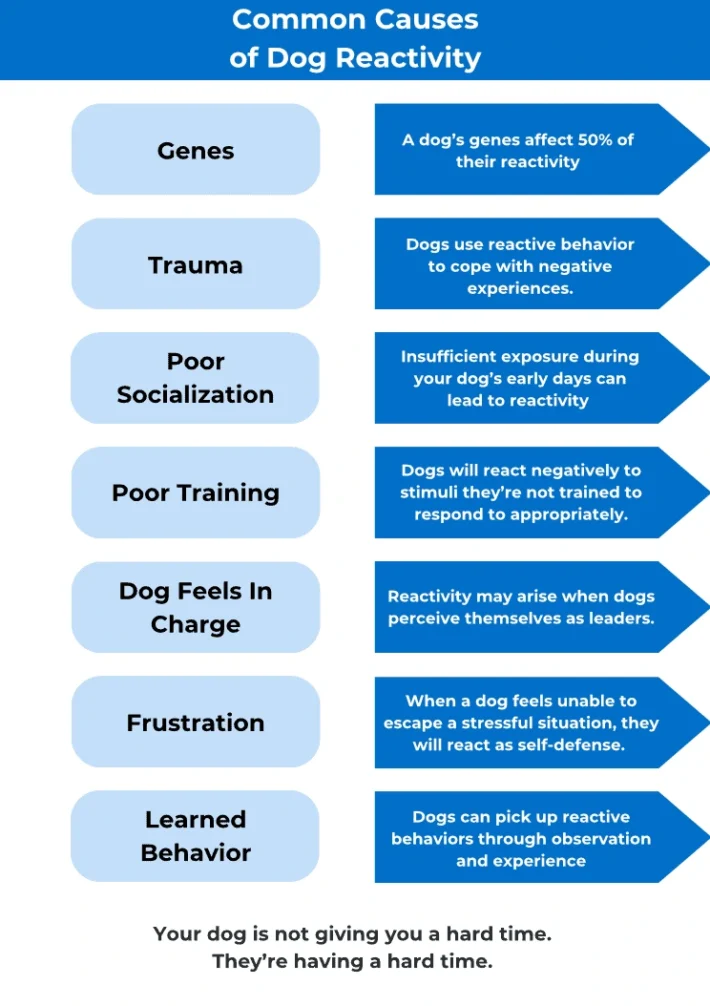
Credit: theonlinedogtrainer.com
Tailoring Care To Life Stage
Dogs change as they grow. Their needs at each life stage are different. Tailoring care helps them stay healthy and happy.
Understanding these changes lets you offer the right food, training, and environment. This keeps your dog balanced through all stages of life.
Nutrition Needs
Puppies need extra protein for growth. Adults require balanced diets to keep energy steady. Seniors benefit from foods that support joints and digestion.
| Life Stage | Key Nutrition Focus | Examples |
|---|---|---|
| Puppy | High protein, DHA for brain | Special puppy kibble, fish oil |
| Adult | Balanced nutrients, maintain weight | Adult dog food, controlled portions |
| Senior | Joint support, fiber for digestion | Foods with glucosamine, added fiber |
Training Techniques
Training should match your dog’s age and energy. Puppies learn basic commands and social skills. Adults need consistent practice. Seniors benefit from gentle, low-impact exercises.
- Use short sessions for puppies
- Practice obedience daily with adults
- Focus on mental games for seniors
- Reward positive behavior with treats
- Avoid harsh corrections at any age
Environmental Enrichment
Dogs need stimulation suited to their life stage. Young dogs enjoy active play and new toys. Adults require tasks that challenge their minds. Older dogs prefer calm spaces and gentle activities.
Examples of enrichment by life stage:
- Puppies:Puzzle feeders, safe chew toys
- Adults:Hide and seek games, agility training
- Seniors:Soft bedding, slow walks in quiet areas
Frequently Asked Questions
What Are The Main Dog Life Stages?
Dogs experience four main life stages: puppy, adolescent, adult, and senior. Each stage has unique behaviors and needs.
How Does Behavior Change In Puppy Stage?
Puppies are curious and energetic. They learn social skills and develop basic obedience during this stage.
When Do Dogs Reach Full Behavioral Maturity?
Most dogs reach behavioral maturity between 1 to 3 years old, depending on breed size and genetics.
What Behavioral Issues Arise In Adolescent Dogs?
Adolescent dogs may show independence, testing boundaries, and increased energy. Consistent training is essential during this phase.
Conclusion
Understanding your dog’s behavior changes as it grows helps build a strong bond. Each life stage brings new habits and needs. Pay attention to these changes to support your dog well. Patience and care make a happy, healthy pet. Enjoy every moment with your furry friend.
Learning about dog behavior is a step toward better care and love. Keep observing, adapting, and loving your dog through all life stages. It’s worth the effort for a joyful companionship.

Emily Barker is the founder of ChillDogLife.com, a space dedicated to helping pup parents discover the best dog products, lifestyle tips, and cozy ideas for happier homes.
A lifelong dog lover, Emily combines her passion for pets with a knack for research to share trusted recommendations on everything from toys and furniture to health and everyday care.
Her goal is simple: to make life easier, stylish, and more joyful for dogs and the people who love them.




