
Facing the decision of behavior euthanasia for your dog is one of the hardest things you might ever encounter. You love your furry friend, but when their behavior becomes dangerous or unmanageable, it’s natural to feel lost and overwhelmed.
You want what’s best for your dog and your family, but how do you know when it’s truly time? You’ll discover what behavior euthanasia means, the signs to watch for, and how to make this difficult choice with compassion and clarity.
Keep reading—you don’t have to face this alone.
Credit: www.petscare.com
Signs Of Behavioral Issues
Dogs can show many signs when they have behavioral problems. Spotting these early helps in managing them better.
Understanding these signs helps owners decide when to seek help or make changes to care routines.
Aggression And Violence
Aggression in dogs can include growling, snapping, or biting. This behavior may come from fear, pain, or poor socialization.
- Growling or snarling without clear cause
- Snapping at people or other animals
- Biting during play or without warning
- Stiff body posture and staring
- Protecting food or toys aggressively
Fear And Anxiety
Fear and anxiety make dogs act nervously. They may hide, shake, or try to escape from what scares them.
| Behavior | Possible Cause | Signs to Watch |
| Hiding | Loud Noises | Trembling, avoidance |
| Pacing | Separation | Restlessness, whining |
| Excessive Barking | Strangers | Alertness, tension |
| Destructive Chewing | Stress | Damaged items |
Destructive Behaviors
Destructive behaviors harm your home and show a dog’s stress or boredom. These acts need attention to avoid harm.
Common destructive behaviors include:
- Chewing furniture and shoes
- Digging in the yard or garden
- Scratching doors or walls
- Tearing up cushions or blankets
Impact On Quality Of Life
Behavior euthanasia for dogs is a difficult choice. It can affect the dog’s quality of life deeply.
This decision also impacts the family and others around them. Understanding these effects is important.
Effects On The Dog
The dog's behavior issues often lead to stress. It can cause pain and discomfort to the dog.
- Constant anxiety or fear
- Inability to interact safely
- Loss of appetite and sleep
Effects On The Family
The family faces emotional and mental stress. They might feel guilt and sadness over the situation.
Families often struggle with:
- Making the decision
- Managing daily risks
- Explaining to children
Risks To Others
Behavioral issues in dogs can pose risks. These risks extend to other people and pets in the vicinity.
| Risk | Impact |
| Biting incidents | Physical harm |
| Property damage | Financial loss |
| Public safety concerns | Community worry |
Alternatives To Euthanasia
Behavior problems in dogs can be very hard for owners. Sometimes, people think about euthanasia as the only option. There are other ways to help dogs with behavior issues.
These alternatives aim to improve the dog’s life and keep them safe. Training, medicine, and changes at home can make a big difference.
Behavioral Training
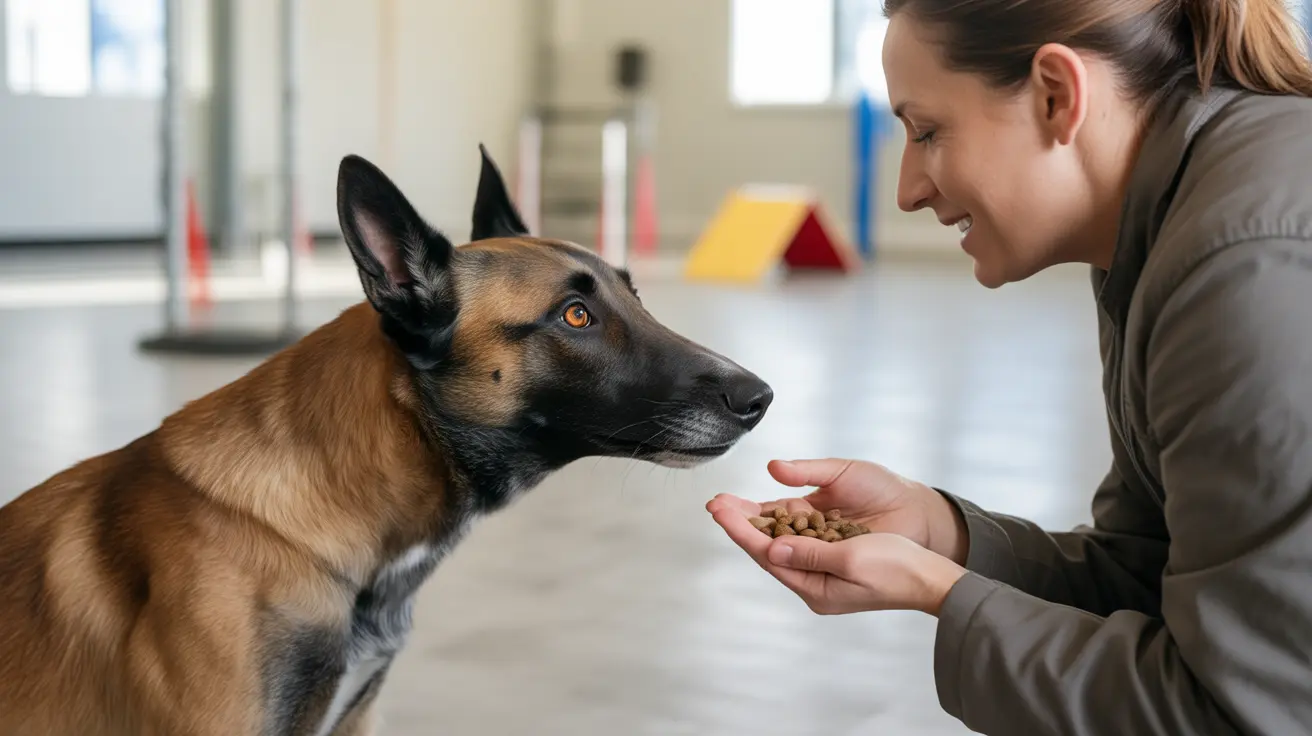
Behavioral training helps dogs learn good habits. A trainer works with the dog to reduce bad behaviors. This can include commands, socialization, and focus exercises.
Training takes time and patience. Consistent practice helps dogs understand what is expected. Many dogs improve a lot with the right training plan.
- Use positive reinforcement like treats and praise
- Practice commands daily
- Expose dogs to new situations slowly
- Work with a professional trainer if needed
Medication Options
Some dogs may need medicine to help with anxiety or aggression. Vets can prescribe drugs that calm dogs and make training easier. Medicine is not a cure but a tool.
Medication works best when combined with training and care. Always follow the vet’s instructions. Regular check-ups help track the dog’s progress.
- Anti-anxiety medication
- Anti-depressants for mood support
- Drugs to reduce aggression
- Short-term or long-term use depending on needs
Environmental Changes
Changing the dog’s environment can reduce stress and bad behavior. A calm and safe space helps dogs feel secure. Simple changes can improve behavior a lot.
Owners should remove triggers that cause fear or aggression. Providing toys, exercise, and routine also supports good behavior. A stable home life helps dogs stay calm.
- Create quiet resting areas
- Remove loud noises or sudden disruptions
- Give regular walks and playtime
- Keep a daily routine for feeding and sleeping

Credit: zoeta-dogsoul.com
When Euthanasia Becomes Necessary
Deciding on euthanasia for a dog is very hard. It is a choice made to prevent suffering. This decision comes after careful thought about the dog’s health and behavior.
This guide helps understand when euthanasia may be needed due to behavior issues. It covers danger levels, professional advice, and emotional aspects.
Assessing Danger Levels
Dangerous behavior in dogs can put people or other animals at risk. Assessing these risks is important before making any decision.
- Frequent aggressive attacks without warning
- Inability to control biting or lunging
- Severe fear causing harm to self or others
- Destructive behavior that leads to injury
- Repeated escapes that cause danger on roads
Consulting Professionals
Experts can help evaluate the dog’s behavior and health. They offer advice on treatment or if euthanasia is the only humane option.
| Professional Type | Role |
| Veterinarian | Check health and pain levels |
| Behaviorist | Assess behavior and recommend training |
| Trainer | Work on behavior modification |
| Animal Shelter Staff | Provide experience with difficult cases |
Emotional Considerations
The emotional toll on owners is heavy. Making peace with the decision is part of the process. Support from friends and family can help.
Some ways to cope include:
- Talking openly about feelings
- Seeking counseling if needed
- Remembering good times with the dog
- Allowing time to grieve
Preparing For The Decision
Deciding to euthanize a dog is very hard. It is a choice about ending suffering with kindness.
Before making the decision, you should prepare yourself and your family. This helps with understanding and support.
Communicating With Family
Talk openly with your family about your dog’s behavior and health. Share your feelings and listen to theirs.
Make sure everyone understands why euthanasia may be the kindest option. This helps reduce confusion and stress.
- Set a calm time to talk
- Use simple, clear words
- Allow everyone to ask questions
- Respect different feelings
Choosing The Right Vet
Find a vet who shows care and listens to your concerns. They can guide you through this difficult time.
Ask about the vet’s experience with behavior euthanasia. A good vet will explain the process kindly and clearly.
- Look for vets with gentle manners
- Check reviews or ask friends
- Discuss your dog’s behavior openly
- Confirm the vet can provide comfort during euthanasia
Coping Strategies
Prepare yourself emotionally before the euthanasia day. It is normal to feel sadness and grief.
Use simple ways to cope. Keep your dog’s favorite toys or blankets close for comfort.
- Talk to trusted friends or family
- Write down your feelings
- Allow yourself time to grieve
- Seek support groups if needed
Aftercare And Healing
After euthanasia, caring for your dog’s memory helps with healing. Taking time to grieve is important for your emotional health.
Knowing how to handle the aftercare can ease the pain. This guide covers grieving, memorial ideas, and support resources.
Grieving Process
Grieving is a natural response to losing a pet. Everyone feels sadness, anger, or confusion at different times.
Take your time to feel these emotions. It is okay to cry or talk about your dog with others.
- Allow yourself to feel all emotions
- Talk with family or friends about your loss
- Keep a journal to express your feelings
- Remember good moments with your dog
Memorial Options
Creating a memorial helps honor your dog’s life. It gives a special place to remember your pet.
You can choose many ways to create a memorial. Pick what feels right for you and your family.
- Plant a tree or flowers in your dog’s memory
- Create a photo album or scrapbook
- Keep a paw print or collar as a keepsake
- Hold a small ceremony with close friends
Support Resources
Many resources offer help during this hard time. Support can come from professionals or groups who understand pet loss.
Reaching out for support can make healing easier. You do not need to face grief alone.
- Talk to a pet loss counselor or therapist
- Join online or local pet loss support groups
- Read books about coping with pet loss
- Ask your veterinarian for advice or resources

Credit: harborpointanimalhospital.com
Frequently Asked Questions
What Behavioral Signs Indicate A Dog Needs Euthanasia?
Common signs include severe aggression, constant pain, and inability to enjoy life. When behavior poses danger or suffering, euthanasia is considered.
How Does Behavior Affect Dog Euthanasia Decisions?
Behavior impacts quality of life and safety. Persistent severe behavioral issues may justify euthanasia to prevent harm to the dog or others.
Can Behavioral Problems Be Treated Before Euthanasia?
Many behavioral issues improve with training or medication. Always consult a vet or behaviorist before considering euthanasia.
Is Euthanasia A Humane Option For Aggressive Dogs?
Yes, when aggression causes unmanageable risk or suffering, euthanasia can be a humane choice to protect all involved.
Conclusion
Deciding on euthanasia for a dog is very hard. It often comes from serious behavior problems. These issues can affect the safety of people and other pets. Sometimes, no other options work to keep everyone safe. Choosing kindness and peace for your dog matters most.
Always talk with a vet or a trainer before deciding. Remember, love guides the best choices for your dog’s life. Take time to think and act with care. Your dog’s comfort and well-being should come first.

Emily Barker is the founder of ChillDogLife.com, a space dedicated to helping pup parents discover the best dog products, lifestyle tips, and cozy ideas for happier homes.
A lifelong dog lover, Emily combines her passion for pets with a knack for research to share trusted recommendations on everything from toys and furniture to health and everyday care.
Her goal is simple: to make life easier, stylish, and more joyful for dogs and the people who love them.




