If you have a female dog, you’ve probably noticed her behavior changes when she’s in heat. It can be confusing and sometimes frustrating to understand what’s happening.
Your dog might act restless, more affectionate, or even a bit moody. But why does this happen? How can you recognize the signs and help her feel comfortable during this time? Keep reading to discover the surprising reasons behind your dog’s behavior in heat and learn simple tips to make this phase easier for both of you.

Credit: www.youtube.com
Signs Of Heat Cycle
The heat cycle in female dogs is a natural process. It happens every few months. Knowing the signs helps you care for your dog better.
During the heat cycle, dogs show clear physical and behavior changes. These signs tell you when your dog is in heat.
Physical Changes
Physical changes are the first signs of the heat cycle. You may see swelling and discharge around the dog’s genital area.
- Swollen vulva
- Clear to bloody vaginal discharge
- Increased urination
- Raised tail position
Behavioral Shifts
Dogs often act differently when in heat. Their mood and habits may change noticeably.
- More affectionate or clingy
- Restless or anxious
- Increased licking of genital area
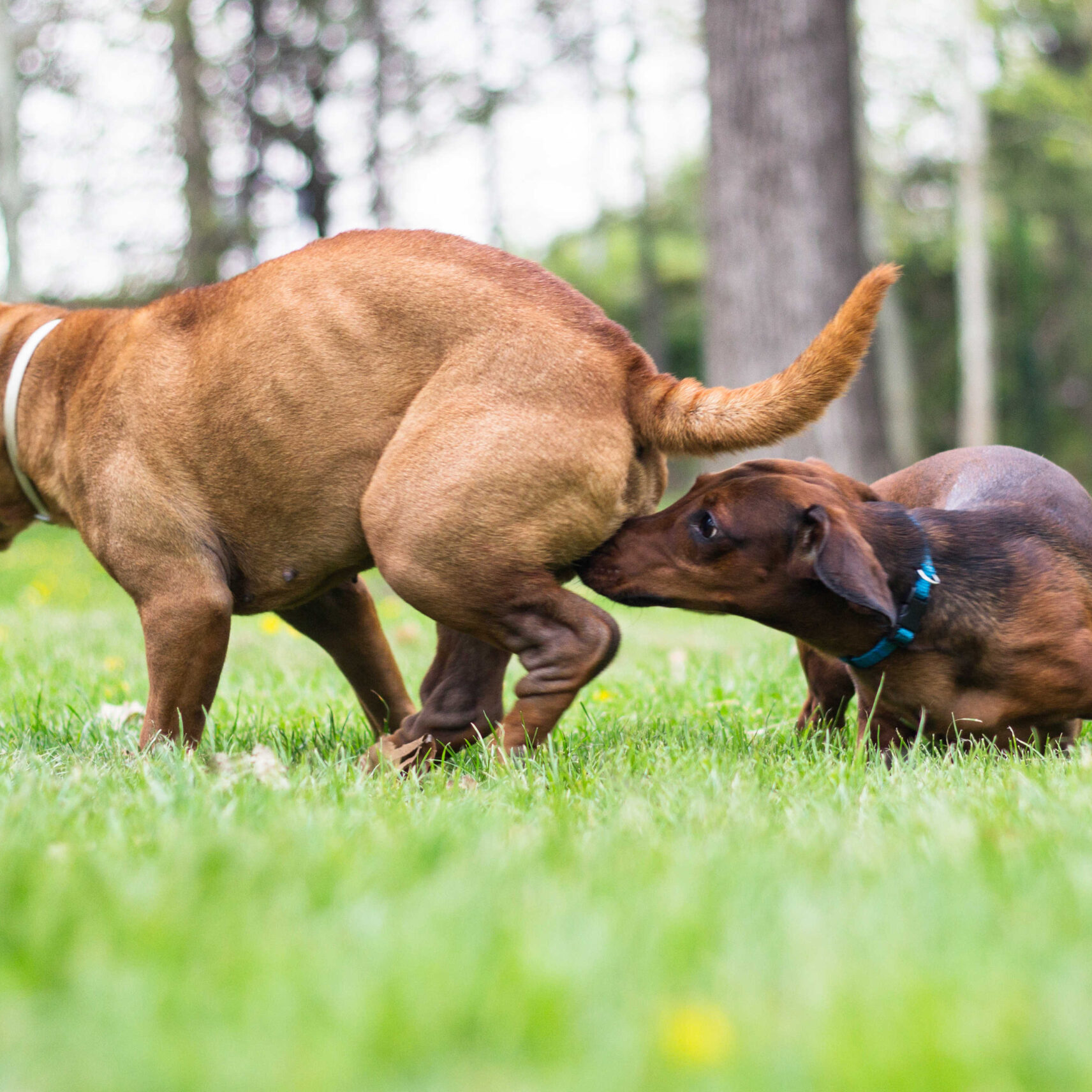
- Attraction to male dogs
- Marking territory by urinating more
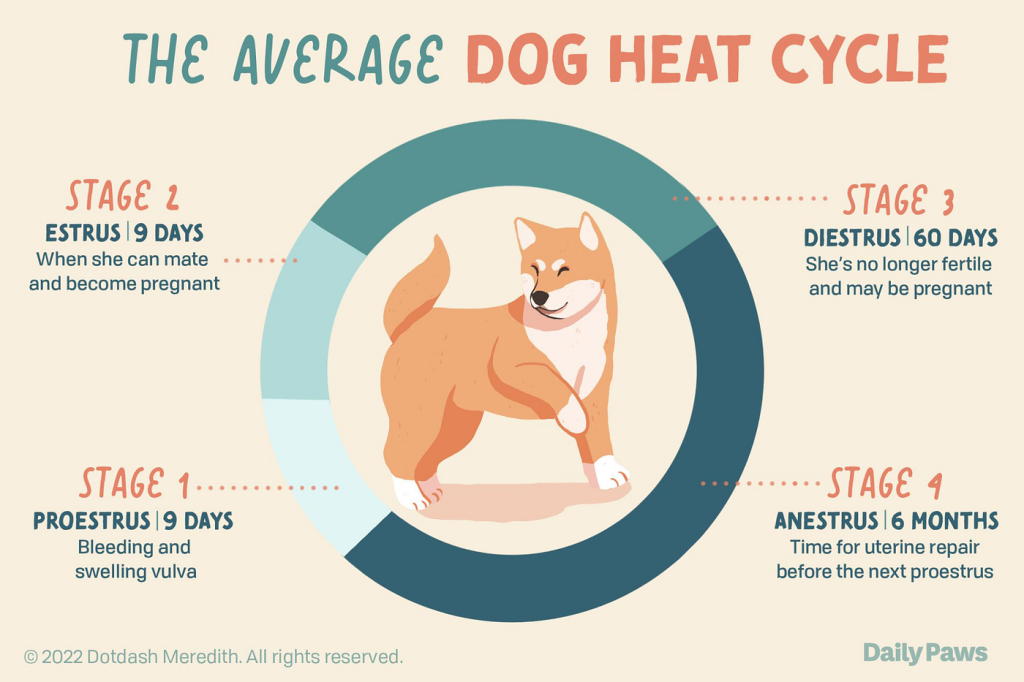
Duration And Frequency
The heat cycle lasts several weeks. The frequency varies by dog breed and age.
| Stage | Duration | Description |
|---|---|---|
| Proestrus | 7-10 days | Swelling and bloody discharge start |
| Estrus | 5-9 days | Fertile period, discharge less bloody |
| Diestrus | 60-90 days | End of fertile period, swelling reduces |
| Anestrus | 4-5 months | Resting phase before next cycle |
Credit: seniortailwaggers.com
Common Behavioral Patterns
When a dog is in heat, you may notice changes in behavior. These patterns are natural and linked to hormonal shifts.
Understanding these behaviors can help you care for your dog better. Let’s explore some common patterns.
Increased Affection
Dogs in heat may show more affection than usual. They might seek more attention from their owners.
This behavior includes cuddling and following you around. It is a sign of their need for comfort and security.
- More cuddling and snuggling
- Following owners closely
- Seeking extra petting and attention
Restlessness And Agitation
Restlessness is common in dogs during heat. They may find it hard to settle down or relax.
Agitation can be caused by hormonal changes. It may lead to pacing or whining.
- Pacing around the house
- Whining or barking more
- Difficulty sleeping or resting
Marking And Urination Changes
Dogs may change their urination habits during heat. They could mark territory more often.
This behavior helps attract potential mates. You might notice more frequent urination.
- Frequent urination in small amounts
- Marking territory inside and outside
- Urine may have a stronger scent
Managing Your Dog During Heat
When your dog is in heat, she may behave differently. She needs extra care and attention during this time. Managing her environment and routine can help her stay comfortable and safe.
Understanding how to set up a safe space, keep good hygiene, and adjust exercise will support your dog’s well-being. This guide will help you manage your dog during heat effectively.
Safe Environment Setup
Create a calm and secure area for your dog to rest. Limit her access to other dogs to prevent unwanted mating and stress. Use soft bedding and keep the space clean to avoid infections.
- Keep her indoors or in a fenced yard
- Provide a quiet, comfortable resting spot
- Use dog diapers to manage discharge
- Monitor interactions with other pets closely
Hygiene Tips
Good hygiene helps prevent infections during heat. Clean your dog’s bedding often and check her coat regularly. Wipe her gently to remove any discharge and keep her skin dry.
| Hygiene Task | Frequency |
| Change bedding | Every 2 days |
| Wipe discharge area | Daily |
| Check skin for irritation | Daily |
| Bath (if needed) | Once or twice during heat |
Exercise Adjustments
Exercise helps your dog stay calm but keep it gentle. Avoid long walks or play that may cause stress or attract male dogs. Short, calm outings are best during heat.
Here are tips for safe exercise:
- Take short walks in quiet areas
- Use a leash at all times
- Avoid dog parks and busy streets
- Play indoors with toys to reduce excitement
Signs Of Heat-related Problems
Dogs in heat may face health issues that need care. Spotting signs early helps keep your dog safe.
Watch your dog’s behavior and body closely. Some signs show that your dog may have a heat-related problem.
Excessive Bleeding
Bleeding is normal during a dog’s heat cycle. But too much bleeding can be a problem. It may mean injury or infection.
- Heavy bleeding soaking through pads in an hour
- Bright red blood mixed with clots
- Bleeding lasting longer than three weeks
- Signs of weakness or pale gums
Lethargy Or Discomfort
If your dog is very tired or seems in pain, this is a warning. Lethargy and discomfort can signal heat stroke or infection.
| Symptom | What to Watch For |
| Lethargy | Unusual tiredness, slow movements |
| Discomfort | Whining, hiding, avoiding touch |
| Rapid Panting | Heavy, fast breathing without exercise |
| Loss of Appetite | Not eating for more than a day |
Unusual Discharge
Discharge during heat is normal but should be watched closely. Odd colors or smells can mean infection or illness.
- Green, yellow, or foul-smelling discharge
- Discharge that causes redness or swelling
- Discharge with a thick or pus-like texture
When To Consult A Vet
Dogs in heat show many behaviors that seem normal. Still, some signs need a vet’s attention. Knowing when to get help keeps your dog safe.
Watch your dog’s health and actions closely. If anything unusual happens, a vet visit is best.
Behavioral Concerns
Dogs in heat may act restless or anxious. Sometimes, they become aggressive or overly clingy. These changes can be stressful for you and your dog.
Seek a vet if your dog shows extreme behavior. Sudden aggression or fear can signal problems. A vet can suggest ways to calm your dog.
Health Complications
Heat cycles can cause health issues like infections or heavy bleeding. If your dog licks her private parts a lot or has a bad smell, see a vet.
Other signs needing vet care include fever, loss of appetite, or swelling. Early care helps avoid serious illness.
- Unusual discharge color or amount
- Swelling or pain in the genital area
- Fever or lethargy
- Loss of appetite
- Excessive licking or scratching
Spaying Considerations
Spaying stops heat cycles and prevents some health risks. Talk to your vet about the best time to spay your dog.
If your dog is in heat, the vet may advise waiting to spay. This helps avoid complications during surgery.

Credit: www.barkandwhiskers.com
Frequently Asked Questions
What Behaviors Indicate My Dog Is In Heat?
Signs include swelling of the vulva, frequent licking, and spotting. She may be more restless and seek attention more than usual.
How Long Does A Dog Stay In Heat?
A dog typically stays in heat for about 2 to 3 weeks. This cycle repeats roughly every six months.
Can Male Dogs Sense A Female In Heat?
Yes, male dogs can detect females in heat through scent. They may become more agitated and try to escape to find her.
Should I Change My Dog’s Routine During Heat?
Yes, keep your dog calm and avoid strenuous exercise. Extra supervision is important to prevent unwanted mating during this period.
Conclusion
Understanding dog behavior in heat helps owners care better for their pets. Dogs may act restless, seek attention, or mark territory more. Watch for changes and provide comfort during this time. Keep your dog safe and avoid unwanted breeding. Patience and gentle care make a big difference.
Every dog is unique, so observe and learn their signals. Helping your dog stay calm supports their health and happiness. This knowledge leads to a stronger bond with your furry friend.

Emily Barker is the founder of ChillDogLife.com, a space dedicated to helping pup parents discover the best dog products, lifestyle tips, and cozy ideas for happier homes.
A lifelong dog lover, Emily combines her passion for pets with a knack for research to share trusted recommendations on everything from toys and furniture to health and everyday care.
Her goal is simple: to make life easier, stylish, and more joyful for dogs and the people who love them.




