Have you ever found a tick on your dog and wondered, “Is this just a pesky bug, or could it harm my furry friend?” Ticks are more than just an annoyance—they can carry serious diseases that affect your dog’s health. Understanding what these tiny creatures can do is key to keeping your pet safe.
You’ll discover the risks ticks pose and what signs to watch for. Keep reading to protect your dog before it’s too late.
Credit: tickcontrol.com
What Are Dog Ticks
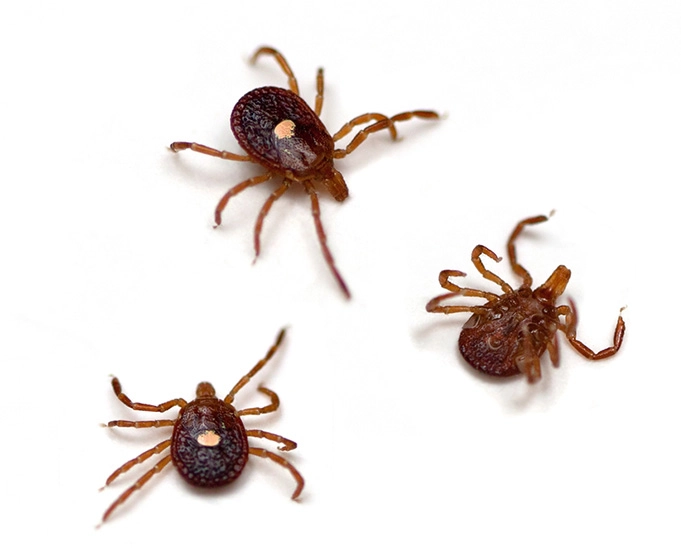
Dog ticks are tiny parasites that latch onto your pet’s skin to feed on their blood. They can be hard to spot because they hide in fur and often look like small bumps. Understanding what dog ticks are is crucial to protecting your furry friend from potential health risks.
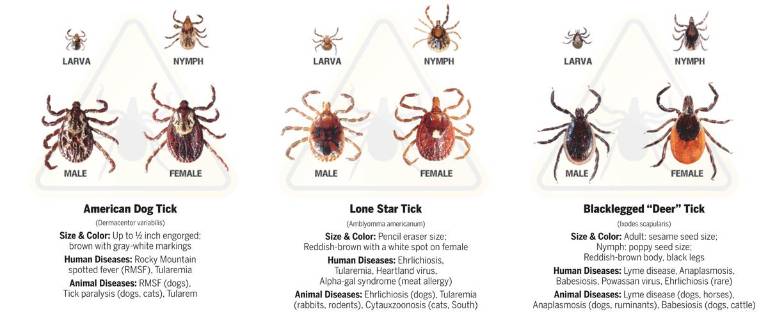
Common Tick Species On Dogs
Several tick species commonly target dogs, each with unique traits and risks. The American dog tickis widespread and often found in grassy, wooded areas. The deer tick, also known as the black-legged tick, is notorious for spreading Lyme disease.
Another common species is the brown dog tick, which prefers warmer climates and can infest homes. Knowing which ticks are common in your area helps you stay alert and take timely action. Have you noticed any unusual bumps on your dog after a walk in the park?
Tick Life Cycle And Behavior
Ticks go through four stages: egg, larva, nymph, and adult. Each stage requires a blood meal to progress, which is why they latch onto dogs and other animals. Their behavior changes with each stage, but all are focused on finding hosts to feed from.
Ticks are most active during warm months but can survive in various climates. They hide in tall grass, shrubs, and leaf litter, waiting for a host to pass by. Understanding their life cycle helps you predict when your dog is at highest risk and take preventive measures accordingly.
Credit: outdoor.wildlifeillinois.org
Diseases Transmitted By Dog Ticks
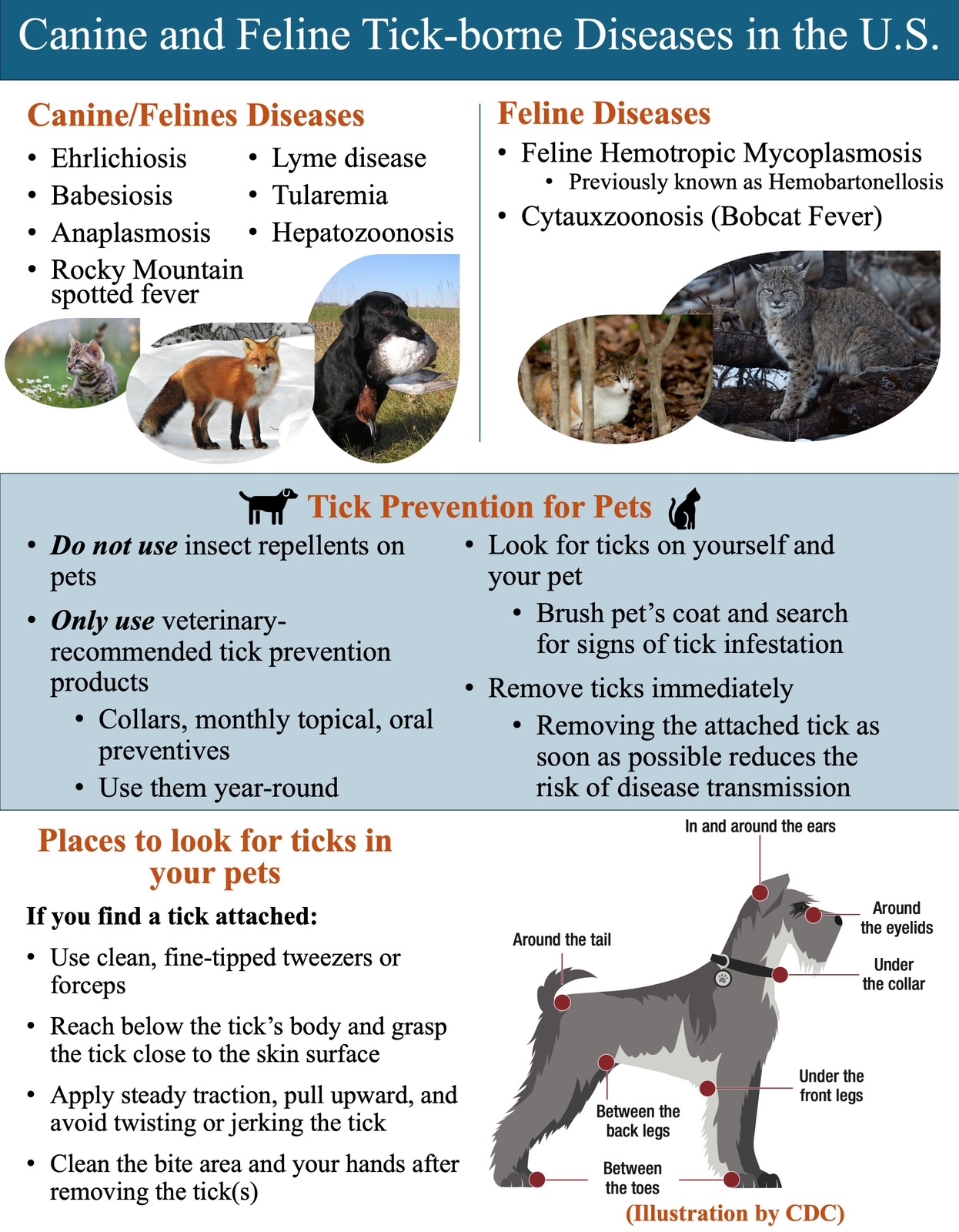
Dog ticks can carry diseases like Lyme disease and Rocky Mountain spotted fever. These infections spread through tick bites and affect both dogs and humans. Protecting pets and checking for ticks regularly helps reduce the risk of illness.
Dog ticks are more than just a nuisance; they can be carriers of several serious diseases that can affect both dogs and humans. Understanding the diseases transmitted by these tiny pests is crucial for protecting your furry friends and yourself. Let’s dive into some of the key illnesses that dog ticks can carry.Lyme Disease
Lyme disease is perhaps the most well-known tick-borne illness. It’s caused by the bacterium Borrelia burgdorferi, which ticks can transmit when they bite. Symptoms may include fever, loss of appetite, and swollen joints in dogs. In humans, it often presents as a rash followed by flu-like symptoms. Regular tick checks and prompt removal can reduce the risk significantly.Rocky Mountain Spotted Fever
Rocky Mountain Spotted Fever (RMSF) is another serious disease spread by dog ticks. It’s caused by the bacterium Rickettsia rickettsii. Dogs may exhibit symptoms like fever, lethargy, and skin lesions. In humans, it can cause severe headaches, fever, and a distinctive rash. Early detection and treatment are essential for recovery.Ehrlichiosis
Ehrlichiosis, transmitted by the brown dog tick, can lead to symptoms such as fever, lameness, and weight loss in dogs. Humans may experience flu-like symptoms including fever and muscle aches. Quick veterinary and medical attention can help manage this disease effectively. Don’t underestimate the importance of tick prevention methods in safeguarding your health.Anaplasmosis
Anaplasmosis, caused by the bacterium Anaplasma phagocytophilum, shares similarities with Lyme disease. Infected dogs might show signs of fever, lethargy, and joint pain. In humans, symptoms include fever, headache, and chills. Keep an eye out for these signs, especially during peak tick seasons. Regular vet check-ups can aid in early detection and treatment.Babesiosis
Babesiosis is caused by protozoan parasites that infect red blood cells. Dogs may experience symptoms such as pale gums, fever, and weakness. In humans, babesiosis can lead to flu-like symptoms and hemolytic anemia. Consider your pet’s outdoor activities and geographical location to assess the risk of this disease. Always consult with a veterinarian to tailor a suitable prevention plan. Regularly monitoring your pet and environment for ticks can make a significant difference in preventing these diseases. Have you checked your dog for ticks today?Symptoms Of Tick-borne Diseases In Dogs
Ticks can carry dangerous diseases that affect your dog’s health. Recognizing the symptoms early can make a huge difference in treatment and recovery. Knowing what signs to watch for helps you protect your furry friend before the illness worsens.
Early Warning Signs
Tick-borne diseases often start with subtle symptoms. You might notice your dog feeling tired or less playful than usual. A mild fever, loss of appetite, or swollen lymph nodes can also appear.
Sometimes, your dog may limp or seem stiff, especially if the tick carried Lyme disease. These early signs can be easy to miss, but catching them quickly can prevent serious problems.
Chronic Symptoms
If tick-borne diseases go untreated, symptoms can become more severe and long-lasting. Chronic fatigue, persistent lameness, and joint pain are common in advanced cases. Your dog might also develop weight loss or anemia.
Some diseases cause neurological issues, such as seizures or weakness. These signs mean the infection has progressed and requires immediate attention.
When To See A Vet
Any unusual changes in your dog’s behavior or health after a tick bite should prompt a vet visit. If you spot ticks on your dog, check for symptoms daily for at least two weeks. Don’t wait for symptoms to worsen—early diagnosis can save your dog’s life.
Ask your vet about testing and preventive measures, especially if you live in an area where ticks are common. Staying proactive keeps your dog safe and healthy.
Health Risks To Humans From Dog Ticks
Dog ticks are more than just a nuisance for your furry friends; they also pose health risks to humans. These tiny parasites can latch onto your skin during outdoor activities and potentially transmit harmful diseases. Understanding these risks helps you protect yourself and your loved ones effectively.
Zoonotic Disease Transmission
Dog ticks can carry diseases that jump from animals to humans, known as zoonotic diseases. Some common illnesses include Rocky Mountain spotted fever and tularemia, which can cause serious symptoms if untreated.
Ticks pick up these pathogens by feeding on infected animals and then pass them to humans through bites. Not everyone reacts the same way—some might experience mild symptoms, while others could face severe complications.
Have you ever wondered how quickly a tick needs to be removed to prevent infection? Research shows that the longer a tick stays attached, the higher the risk of disease transmission.
Preventing Tick-borne Illnesses In Families
Protecting your family starts with simple habits. After spending time outdoors, check everyone carefully for ticks, especially around the scalp, behind ears, and under arms.
Use tick repellents containing DEET or permethrin on clothing to reduce the chances of bites. Keeping your yard tidy by trimming grass and removing leaf litter also lowers tick populations near your home.
Teaching children about ticks and how to spot them encourages quick action. What small change can you make today to keep your family safer from ticks?
Tick Prevention Strategies For Dogs
Keeping your dog safe from ticks is crucial because these tiny parasites can carry serious diseases. Effective tick prevention protects your furry friend and gives you peace of mind during outdoor adventures. Let’s look at practical ways to keep ticks at bay and ensure your dog stays healthy.
Topical Treatments And Collars
Topical treatments work by killing ticks on contact and usually last for a month. Applying these monthly can significantly reduce the chances of tick attachment.
Tick collars are another option. Some collars release chemicals that repel ticks for several months. Choose a collar that fits well and check regularly for any skin irritation.
Remember, not all products work the same for every dog. I once tried a popular collar on my dog, but it caused itching, so switching to a topical treatment was a better choice.
Regular Tick Checks
Checking your dog for ticks after every walk is one of the simplest yet most effective prevention steps. Focus on areas like behind the ears, under the collar, and between the toes.
Use your fingers to feel for small bumps or bumps that seem out of place. Catching ticks early means you can remove them before they have a chance to transmit disease.
Ask yourself: How often do you inspect your dog after outdoor play? Making this a habit can drastically lower your dog’s risk of tick-borne illness.
Environmental Control
Ticks thrive in tall grass, leaf litter, and shady, moist areas. Keep your yard tidy by mowing the lawn regularly and removing piles of leaves or brush where ticks can hide.
Creating a barrier of wood chips or gravel between wooded areas and your yard can also reduce tick migration. If your dog spends time in wooded or grassy areas, consider limiting access during peak tick season.
Sometimes, treating your yard with pet-safe insecticides helps control tick populations. Have you noticed more ticks in certain parts of your yard? Targeting those areas can make a big difference.
Removing Ticks Safely
Removing ticks safely is important to prevent infections and reduce disease risk. Ticks can carry harmful germs, so quick and careful removal helps protect your dog’s health. Use the right tools and techniques to avoid leaving tick parts behind.
Proper Removal Techniques
Use fine-tipped tweezers to grasp the tick close to your dog’s skin. Pull upward with steady, even pressure. Avoid twisting or jerking the tick, which can break its mouthparts off. Clean the bite area with soap and water or antiseptic after removal.
What Not To Do
- Do not squeeze or crush the tick’s body. This can release harmful germs.
- Avoid using home remedies like petroleum jelly or heat. These do not remove ticks safely.
- Never use your fingers to pull the tick out. This can increase infection risk.
Post-removal Care
Watch your dog for signs of illness after tick removal. These include fever, loss of appetite, or unusual tiredness. Keep the area clean and dry. Dispose of the tick by placing it in alcohol or sealing it in a container. Consult your vet if your dog shows any symptoms.
When Tick Exposure Becomes An Emergency
Ticks on dogs can carry dangerous diseases. Sometimes, exposure to ticks turns serious fast. Knowing when a tick bite is an emergency can save your dog’s life. Watch closely for signs that need quick action. Acting fast helps prevent serious health problems.
Signs Of Severe Reaction
- Swelling around the bite or face
- Difficulty breathing or coughing
- High fever or weakness
- Excessive drooling or vomiting
- Sudden lameness or stiff joints
- Loss of appetite and lethargy
- Unusual bleeding or bruising
Immediate Actions To Take
- Remove the tick carefully with tweezers
- Clean the bite area with antiseptic
- Keep your dog calm and still
- Call your vet for urgent advice
- Note the time and place of the tick bite
- Watch your dog closely for worsening symptoms
- Take your dog to the vet immediately if signs worsen

Credit: www.everydayhealth.com
Frequently Asked Questions
Do Dog Ticks Carry Diseases Harmful To Pets?
Yes, dog ticks can carry diseases like Lyme disease and Ehrlichiosis. These infections affect your pet’s health and require veterinary care.
Can Dog Ticks Transmit Diseases To Humans?
Dog ticks can transmit some diseases to humans, such as Rocky Mountain spotted fever. Proper tick removal reduces this risk significantly.
How Do Ticks Transmit Diseases To Dogs?
Ticks transmit diseases by biting and injecting pathogens into the dog’s bloodstream during feeding. Early tick removal lowers infection chances.
What Symptoms Indicate Tick-borne Diseases In Dogs?
Symptoms include fever, lethargy, loss of appetite, and joint pain. If your dog shows these signs, consult a vet immediately.
Conclusion
Dog ticks can carry diseases that harm pets and people. Checking your dog for ticks after walks helps catch them early. Removing ticks quickly lowers the chance of illness. Using tick prevention treatments keeps dogs safer. Keep your yard clean to reduce tick habitats.
Watch for signs of sickness in your pet. Staying alert protects both your dog and family. Simple steps make a big difference in tick control. Stay informed and act fast to keep dogs healthy.

Emily Barker is the founder of ChillDogLife.com, a space dedicated to helping pup parents discover the best dog products, lifestyle tips, and cozy ideas for happier homes.
A lifelong dog lover, Emily combines her passion for pets with a knack for research to share trusted recommendations on everything from toys and furniture to health and everyday care.
Her goal is simple: to make life easier, stylish, and more joyful for dogs and the people who love them.




